
Best Chess Sets Under 50: What to Know Before Your First Purchase in 2026
Disclosure: We may earn a commission when you buy through links on this page, at no extra cost to you. As an Amazon Associate I earn from qualifying purchases. Learn more
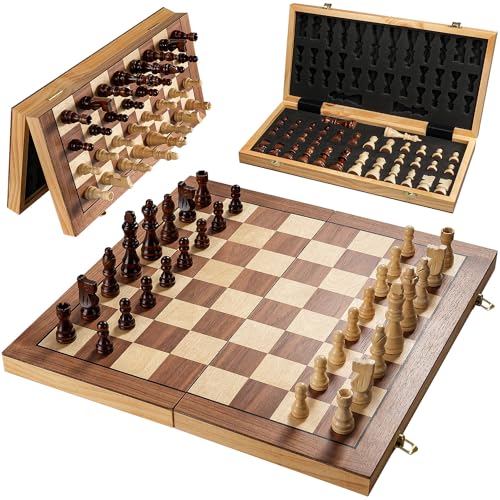
What the best chess sets under 50 give you in board size, piece stability and storage, with honest expectations for the price.
A first chess set does not need to cost much to be a good teacher. Under $50 you will find folding travel boards, sturdy plastic sets for classrooms, and simple wood finish sets for a home table, and the right choice depends on who will play and where the board will live. If you are searching for best chess sets under 50, use the comparison table below to check board size and storage first, because those two points separate a set you will enjoy from one you will replace.
This guide explains the basics in plain language, sets honest expectations for this price, and shows you how to spot solid proportions and materials even when the budget is tight.





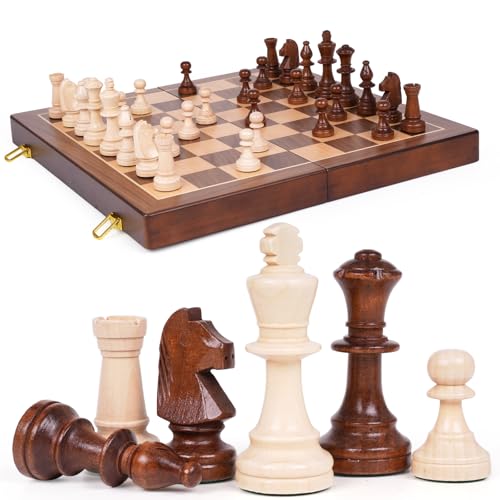
Chess Sets 101: The Basics
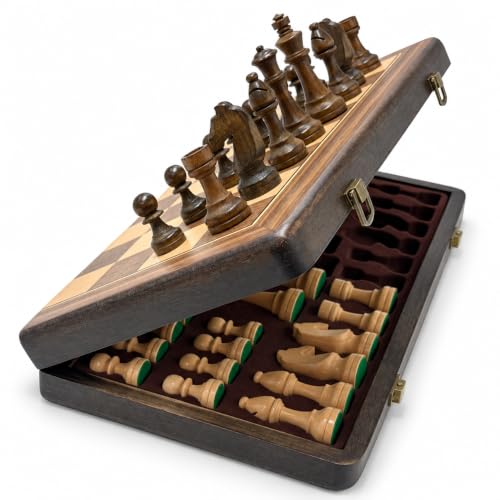
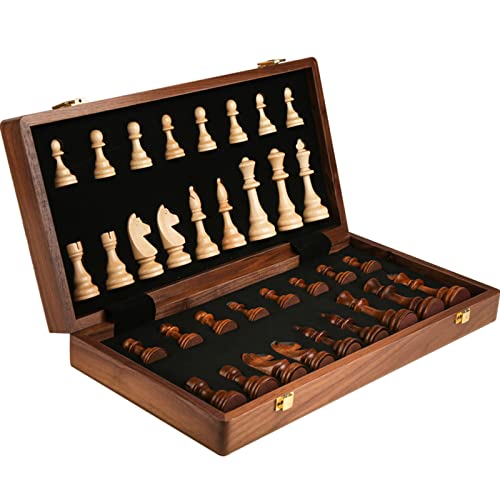
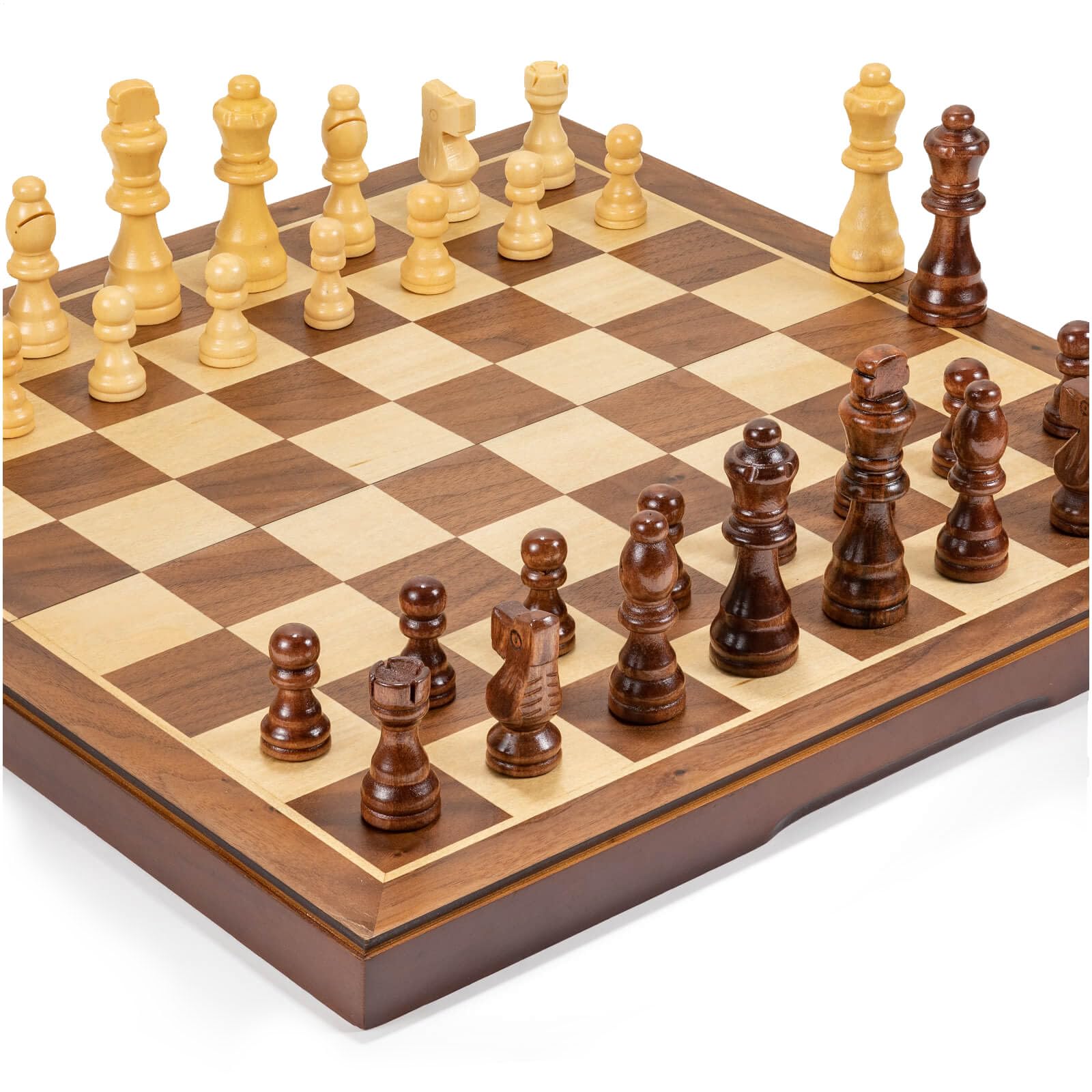
A chess set includes a board with 64 alternating light and dark squares and 32 pieces, 16 per side. Each side has a king, a queen, two rooks, two bishops, two knights, and eight pawns. The standard shape pattern is called Staunton, and you should choose it for learning because books, videos, and teachers all use those familiar silhouettes. Some sets include extra queens for pawn promotion, which is a helpful bonus, but it is less common at this price, so check the contents list if that matters to you.
Learn three measurements before you shop. King height is the height of the tallest piece. Square size is the width of one square. Board size is the full width of the board. A stable set keeps the king base at about three quarters of the square width, so pieces sit securely without crowding the neighboring squares during a busy middle game.
Key Specs Explained in Plain English
At a low price, every feature involves a trade off. The goal is to protect playability, meaning clear pieces, a flat board, and storage that keeps the set together, while accepting simpler materials and less decoration.
What You Can Realiztically Get Under $50
Under $50 you can realiztically get a folding board that stores pieces inside, plastic or light wood pieces, and a board size suited to a kitchen table, a desk, or travel. Around $25 to $40 is the sweet spot for a first home or school set with acceptable proportions. Expect lighter pieces than in higher price ranges, thinner felt or no felt on bases, and simpler carving. Do not accept warped boards, unclear piece shapes, or squares so small that pieces constantly topple, because those flaws ruin every game.
Intended Use and Who It Is For
Name the main user before you choose materials. For a child or a classroom, a sturdy plastic or magnetic travel set tolerates drops and lost attention better than a delicate wood set. For an adult learner at home, a folding wood finish board feels nicer and encourages regular play. For travel, look for magnetic pieces or a roll up board that stays set up in a moving car or train. A set bought for the wrong setting wears out fast, even if the price was low.
Build Quality and Materials
Boards at this price are usually printed wood composite, plastic, silicone, or vinyl for roll up styles, and each has a clear strength. Composite folding boards look traditional and store pieces well. Silicone and vinyl boards lie flat after unrolling, resist spills, and suit travel and children. Pieces are often hollow plastic or light wood, so check base width for stability. If you can, choose weighted pieces even in this range, because a little base weight greatly reduces tipping during fast moves.
Key Performance Specs
For a chess set, performance means readability and stability rather than speed. The most important specs are square size, piece base width, board flatness, and contrast between light and dark squares. A board with coordinates along the edges also performs better for learning, because you can follow notation in a lesson without guessing. Magnetic strength is the key extra spec on travel sets, strong enough to hold pieces on a bumpy ride but not so strong that pieces clump together when you slide them.
Price vs Value
In this range, a few dollars can make a visible difference. Sets under $25 often suit travel, parties, or a spare set, but they may use very small boards and light pieces. Sets around $30 to $50 usually add a larger board, better storage, and more stable pieces, which is better value for a main home set. If you find yourself wanting hardwood, heavy weighting, and fine detail, that is a sign to look at a higher range, such as our guide to the best chess sets under 100, rather than expecting premium traits here.
Rookie Mistakes to Avoid
Low price shopping rewards care, because listings can make a tiny board look large. Avoid these common first purchase errors.
- Trusting photos without reading dimensions, then receiving a board far smaller than your table or your hands expect.
- Choosing a novelty theme set for learning, where pieces shaped as characters are hard to tell apart during a real game.
- Ignoring storage, so pieces live loose in a bag and crack, fade, or disappear one by one.
- Buying a non magnetic set for travel, then watching pieces slide and fall at the first turn or bump.
- Prioritizing a pretty box over a flat board and stable pieces, which are the traits you feel on every move.
Getting Started: Setup and First Use
On arrival, lay the board on a flat table, count the pieces, and check that the board sits without rocking. Read any care note before first use. Place the board with a light square at each player right hand corner, set rooks in the corners, knights next to them, bishops next to knights, queen on her own color, king beside her, and pawns on the row in front. Clean and inspect regularly from day one with a soft cloth, and return pieces to their storage spots after each game so the habit protects the set. If you later move up in budget, our guide to the best chess sets under 200 shows what the extra money changes in wood and weight.
For your first games, play without a clock and say your moves aloud using the coordinates if your board has them. That slows you down in a good way, helps you learn notation, and makes it easier to spot hanging pieces. Keep captured pieces in a neat line beside the board so you can review the game and rebuild positions from a lesson without hunting for a missing knight.
Frequently Asked Questions
Can you get a good chess set under $50?
Yes, you can get a good set under $50 if good means correct Staunton shapes, stable proportions, a flat board, and storage that keeps pieces together. Many folding and silicone sets in the $30 to $50 range play very well for learning and casual home games. What you will not get is solid hardwood, heavy weighting, or fine hand carving, so judge this range by playability rather than by display presence.
Are expensive chess sets worth it?
Expensive sets are worth it for players who want hardwood materials, heavily weighted pieces, and a board that doubles as furniture, and who will play often enough to enjoy those traits daily. They are not necessary for learning, because strategy does not change with price. A learner often does better starting with a clear, sturdy low price set and upgrading later, once board size and style preferences are known from real play.
How much should I spend on a chess set?
For a first set in this budget, aim around $30 to $50 for a main home or school set, where size and storage improve noticeably over the cheapest options. Spend under $25 only for a travel, spare, or party set where small size is acceptable. If your list of wants includes solid wood and strong weighting, plan a larger budget instead of stretching this one and feeling disappointed with materials that were never likely at this price.
What features matter most when buying chess sets?
Proportion, board flatness, and clear piece shapes matter most, because they affect whether you can read the board and move without toppling pieces. Storage matters next, especially at this price, because a folding case that holds pieces securely prevents loss and damage. For travel or children, magnetic hold or a roll up board may matter more than looks. Start with those basics, and use our broader guide to the best chess sets if you want to compare formats beyond this budget.
How long does a chess set last?
A set in this range can last for several years of regular play, and longer if you store it in its case and keep it away from heat and moisture. Plastic and silicone sets are especially durable for travel and classroom use, while folding composite boards wear first at the hinge and at felt bases if present. Longevity depends mostly on storage and handling, so a cared for budget set often outlasts a careless purchase at any price.
How do I maintain a chess set?
Wipe the board with a soft dry cloth after play, clean spills at once, especially on composite boards, and store all pieces in their compartments so they do not chip or crack against each other. Keep the set in a dry place away from direct sun, which can fade printed squares and warp thin boards. Check the hinge on a folding board and the bases of pieces during cleaning, and tighten or replace a worn storage latch before it fails in transit.
Wrapping Up
Buy for playability first, with correct proportions, a flat board, and storage you will actually use, and accept simpler materials as the fair trade off at this price. Measure your space, choose a Staunton set that fits it, and compare your finalists in the product table above on size and case style. When those basics are right, the best chess sets under 50 choice for your home, class, or trip becomes a set you will reach for often.


