Best Cherry Keyboards: What Actually Matters Before You Buy for 2026
Disclosure: We may earn a commission when you buy through links on this page, at no extra cost to you. As an Amazon Associate I earn from qualifying purchases. Learn more

Compare the best cherry keyboards with a clear buying checklist covering switch feel, layout, connection, keycaps, and value for work and play.
Cherry switches come in several families, and boards that share the Cherry name can feel completely different on a desk. This guide gives you a checklist for judging the best cherry keyboards by switch feel, build quality, and daily comfort, so the name on the box stops doing the persuading. Each section explains what a spec means in real use and which numbers you can safely ignore.
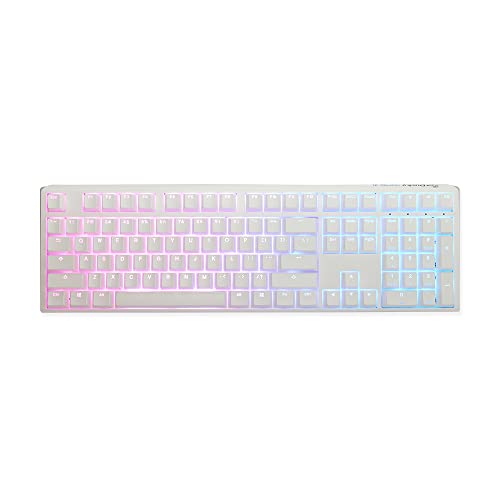
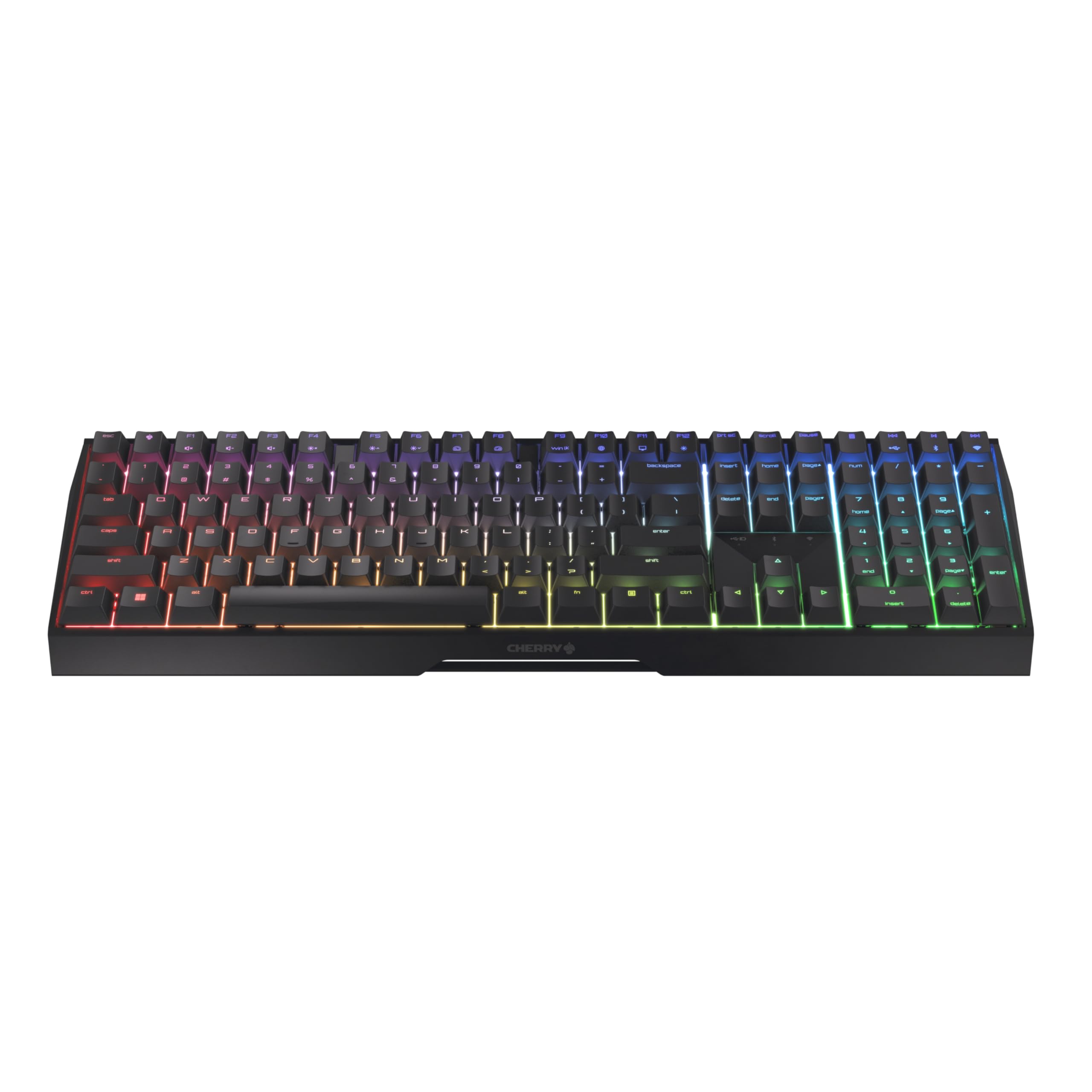
Cherry offers linear, tactile, and clicky switches, and the family you pick decides the sound in your room and the effort in every keypress. Use the comparison table below to scan layouts and prices, then work through the criteria here before you spend anything.





How to Evaluate Cherry Keyboards
Start with the switch itself, then judge everything built around it. A board can have a beautiful case and still disappoint if the feel, sound, or layout fights your routine. The criteria below follow the order most buyers should use, from connection and switch performance to build quality and warranty support.
Wired vs Wireless (2.4GHz, Bluetooth)
Wired boards give the simplest setup, zero charging, and the lowest latency for around the lowest price. A 2.4 GHz wireless link feels just as responsive for gaming and keeps your desk clear, while Bluetooth suits several devices and slower typing work. Check wireless latency claims carefully, because a vague promise without a polling rate number tells you little. If you play competitively, keep the cable or dongle option even on a wireless board.
Sensor and Switch Type and Performance
Keyboards have no mouse sensor, so a DPI figure on a keyboard page is borrowed mouse copy. The spec that counts is the switch family: linear switches press straight down, tactile ones add a bump you feel, and clicky ones add a sharp click. Polling rate matters for gaming, and consistency from key to key matters more than any headline number.
Customization and Software
Good software lets you remap keys, record macros, and save profiles to onboard memory so settings travel between computers. Per key lighting looks great, yet simple white lighting often costs less and drains less battery. Check whether the software needs an account, because offline tools respect your time and privacy. Also confirm that media controls work without holding a function key, since you will use them daily.
Battery Life and Charging
Wireless boards should charge by USB C, since that cable already lives on most desks for phones and laptops. Expect real battery life to fall well below the box claim when lighting stays on, so treat maker numbers as best case figures. A board that works wired while charging saves you during a dead battery moment before a deadline. Simple battery indicators, such as a small light or a software gauge, prevent surprise shutdowns.
Compatibility (PC, Mac, Console)
Most boards work on Windows right away, while Mac users should check for Mac legends or a mode switch that swaps modifier keys. Console support varies by title and system, and some games accept keyboard input only in menus. Driver free operation is a strong sign, because it means basic functions never depend on one operating system. If you switch between work and personal machines, multi device pairing earns its keep quickly.
Ergonomics, Size, and Layout
Pick the layout by task: full size for data entry, tenkeyless for balanced desks, and 75 percent or 65 percent boards for tight spaces. Case height and typing angle affect wrist posture, so a board that sits flat or offers gentle feet angles usually feels better over hours. If your wrists ache now, budget for a separate wrist rest and take breaks, and talk with a clinician if pain persists. Layout is a comfort decision, not a fashion one.
Weight and Build Quality
A metal top plate or a firm plastic case keeps the board planted and reduces flex when you press corner keys. PBT keycaps resist shine and keep legends readable for years, while thin ABS caps feel slick and wear smooth much sooner. Weight helps at a fixed desk and hurts in a travel bag, so match heft to your routine. Stabilizers on the space bar and other large keys should sound even, not rattly.
Before you order, play back a recording of your own typing and decide whether a clicky or a quiet linear sound suits the people who share your space. Then measure your desk depth against the board width in the listing, because photos rarely show true scale. Readers who want to see how the linear family behaves can read our guide to the best cherry red keyboards next.
Price Tiers to Expect
Price tiers tell you what to expect without naming any single model. Use the product table above to place each listing into a tier, then check which features that tier should include. Missing features at a high price are a warning sign, while strong basics at a low price signal real value.
Complete Package Tier
Boards around $100 to $180 usually deliver the complete package: PBT keycaps, a firm case, tri mode connection, and solid stabilizers. This tier suits buyers who keep a board for many years and type all day. Expect clean soldering or hot swap sockets, decent foam inside the case, and software that saves profiles onboard. Skip any board in this tier that still ships with thin ABS caps.
Value Tier
Boards around $50 to $100 focus on the essentials and cut lighting extras, aluminum cases, and bundled accessories. The switch feel stays genuine, so typing quality remains high where it counts. This tier suits students and first time mechanical buyers who want the real feel without the flagship bill. Check keycap material twice here, because that is where cheap boards cut the most.
Compact or Heavy Use Tier
Compact boards around $70 to $140 trade the number pad for desk space, while heavy duty boards in the same range add metal plates and longer warranties. Both serve focused buyers with one clear priority. If you travel, weight and a protective case matter more than lighting zones. If you type ten hours a day, case stiffness and switch consistency matter more than size. Pick one priority and do not pay for both.
Quick Buyer Checklist
Run through these questions before you pay. Every yes means the board fits your life a little better.
- Does the switch sound suit everyone who shares your space?
- Is the layout wide enough for your daily number and shortcut work?
- Does the board connect the way your desk needs, wired or wireless?
- Are the keycaps PBT with legends that will stay readable?
- Can you swap a switch without soldering if one fails?
- Does the warranty last at least two years with clear support?
- Does the price match the tier features listed above?
Red Flags to Watch For
Walk away when a listing hides switch branding behind vague words like blue switch style, because imitation switches feel and last differently. Be wary of prices far below every rival with identical claims, glowing reviews that never mention sound, and warranties measured in months. Missing polling rate and keycap material details signal a maker hiding weak basics. A fixed cable on a pricey board is another quiet warning.
Picking the Right Cherry Keyboards for Different Uses
Choosing a Switch Color
Black switches are the firmest classic option, with a heavy linear press that resists accidental input. Check spring weight first, because tired fingers notice the extra force during long sessions. Then check stabilizer tuning on large keys, since firm switches expose rattle more clearly.
For long writing sessions, medium weight switches balance speed and control. For competitive gaming, lighter linear or tactile options reduce fatigue. For shared office desks, quieter variants protect relationships. If you are still torn between switch colors, our guide to the best cherry switch keyboards explains the full family in plain terms.
Setup and Care Tips
Unbox the board, plug it in, and test every key in a simple online key tester before the return window closes. Pull keycaps with a proper puller every few months and brush dust from the plate, because grit changes how switches feel and sound. A soft cloth with a little water handles most grime on caps, and you should let them dry fully before refitting. Update firmware only from the maker site, and keep the spare cable in your desk so a fault never stops your day.
Before you decide, a few comparisons sharpen the choice. See our guide to the best cherry mx keyboards for the full switch lineup in one place. If a gentle tactile bump sounds closer to your taste, compare the best cherry brown keyboards next, and if gaming features matter most, our guide to the best gaming keyboard covers polling and profiles in depth.
Cherry Keyboards: Your Questions Answered
Wired or wireless: which is better for gaming?
For pure gaming, a wired board or a 2.4 GHz dongle link both respond fast enough that skill decides the match, not the connection. Bluetooth adds a small delay and suits casual play and tidy desks better. A useful extra check is the dongle storage slot: boards that store the receiver inside the case lose it far less often during travel.
What DPI do I need on a keyboard?
You need no DPI at all, because DPI measures mouse sensor movement and has nothing to do with keyboards. Listings that mention DPI on a keyboard page are copying mouse text, which should lower your trust in the rest of the page. Judge a keyboard by switch feel, polling rate, and build instead, and set mouse DPI inside your mouse software where it belongs.
Does it work with Mac and console?
Yes for most Mac tasks, provided the board offers a Mac mode or swappable modifier caps so Command and Option sit where your fingers expect. Console play is less certain, because each system and title decides which keyboards it accepts for actual gameplay versus menus. Before a console focused purchase, check the title list from the console maker, since support changes with updates.
Are mechanical keyboards worth it?
For most people who type or play every day, yes: a mechanical board keeps a consistent feel, lets you replace parts, and usually lasts years longer than a membrane board. The Cherry range adds a real choice of feel, from quiet linear travel to a distinct click. If you rarely type, a cheaper board does the job.
Our Verdict
Pick the switch family first, because it sets the sound and the effort of every keypress. Then settle layout and connection, and compare your finalists in the product table above. The best cherry keyboards for you will match your tier, your desk, and the people who share the room. Buying on the Cherry name alone, without thinking about sound and finger fatigue, is the mistake most buyers regret.