Best Cherry Red Keyboards: Which One Fits the Way You Use It? for 2026
Disclosure: We may earn a commission when you buy through links on this page, at no extra cost to you. As an Amazon Associate I earn from qualifying purchases. Learn more

Discover the best cherry red keyboards for your needs. We match features to real use cases so you avoid overpaying and get the right fit the first time.
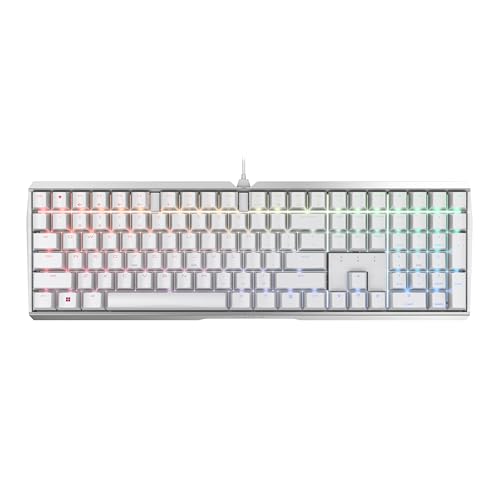
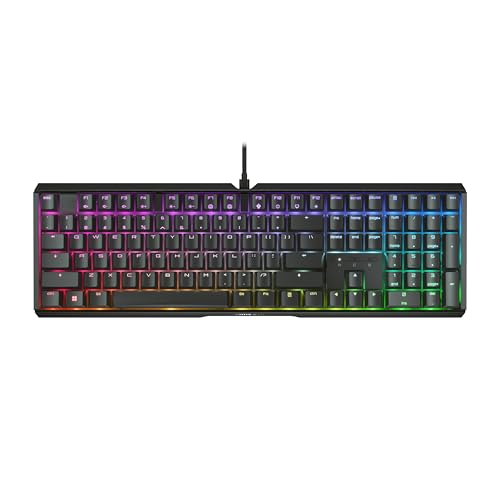
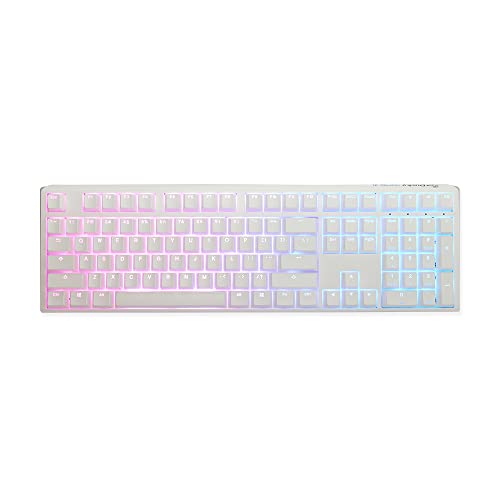
There is no single keyboard that suits every desk, every game, and every typing style. Cherry Red switches feel light and smooth because they move straight down without a tactile bump, but the board around them still has to match how you work and play. If you start with best cherry red keyboards as a search, use the comparison table below to sort by size, connection, and build first, then narrow by the details that affect your daily comfort.
This guide is organized by use case rather than by model. You will see what students, remote workers, gamers, and travelers should prioritize, which features actually change the feel, and which extras you can safely skip.

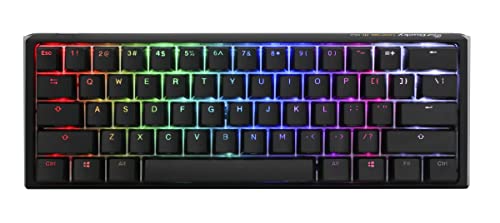

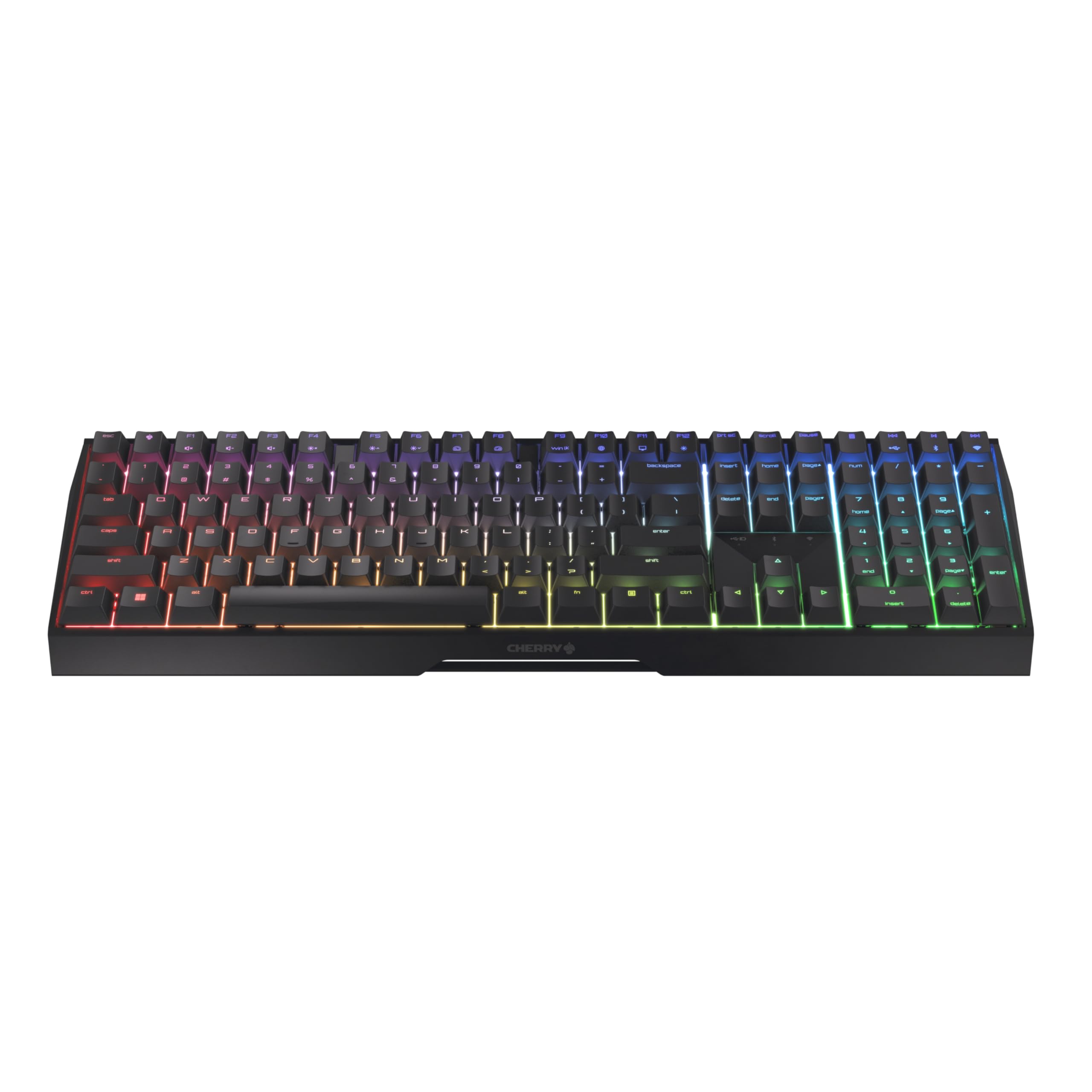

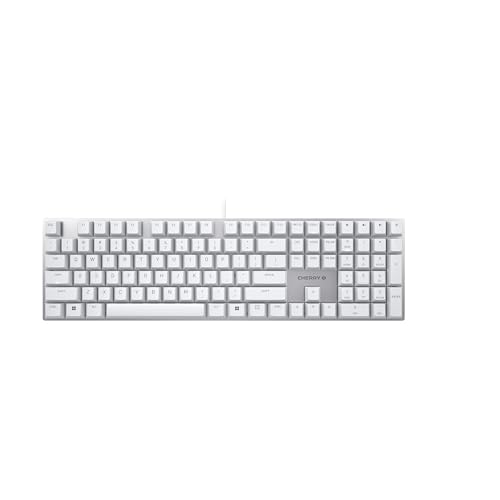
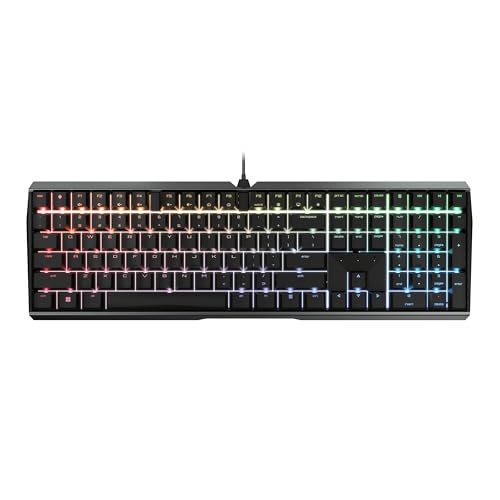
Who Should Buy Which Cherry Red Keyboards?
Your main activity decides almost everything. A board for long essays needs a quieter bottom out and a stable case. A board for fast paced games needs low latency and a layout that leaves room for your mouse. Start with the group below that sounds most like you, then check the feature section for the specs behind each recommendation.
For Students and Everyday Users
You need a board that works on day one, survives a backpack or a crowded desk, and does not demand constant tweaking. Look for a solid plastic or metal case, PBT keycaps that resist shine, and a simple wired USB C connection if you mostly stay in one place. Battery life matters less here than price and reliability. A standard layout with clear legends helps when you share the computer or switch between assignments quickly.
For Remote Workers and Creators
You type for hours, join calls, and often switch between a laptop and a desktop. Prioritize a comfortable typing angle, stable Bluetooth pairing for more than one device, and a layout that keeps arrow keys and function keys easy to reach. Quiet operation matters if you work near others. If you want a closely related switch feel with the same linear action, see our guide to the best cherry mx red keyboards for more detail on that naming.
For Gamers and Power Users
You care about how fast a key press registers and how consistent each press feels during long sessions. Look for a high polling rate, a wired mode or a low latency 2.4 GHz wireless mode, and onboard memory so your settings travel with the board. A tenkeyless or 75 percent layout frees desk space for wide mouse movement. Firm stabilizers matter too, because a rattly space bar quickly becomes distracting in quiet moments between rounds.
For Travelers and Commuters
You need light weight, a compact footprint, and a case that protects the board in a bag. A 65 percent or 75 percent layout keeps the essentials while saving space, and Bluetooth helps you pair with a tablet at a cafe table. Look for a protective cover or a slim case in the box, a detachable cable, and battery life measured in weeks rather than days. Avoid very tall keycaps if you type on trains or small trays.
Key Features to Compare
Features only matter when you connect them to a real moment at your desk. A spec that helps a gamer at midnight may add cost without helping a student at noon, so read each point below with your own routine in mind. The product table above makes these trade offs easier to spot once you know what each term means in practice.
Customization and Software
Software lets you remap keys, record macros, and adjust lighting without memorizing complicated key combinations. Onboard memory is useful because it stores your layout on the board itself, so your shortcuts still work on a computer without the app installed. Check whether the software is optional or required, whether it supports your operating system, and how many profiles you can save. Simple software that does the basics well often beats a crowded app you rarely open after the first week.
Wired vs Wireless
A wired USB C connection gives you the simplest setup, no charging, and consistently low latency, which suits a fixed desk. Bluetooth is convenient for switching between a laptop, a tablet, and a phone, though it can feel a touch slower in fast games. A 2.4 GHz dongle aims for the middle ground, with wireless freedom and response close to wired. If you want background on the wider Cherry family before you decide, see our guide to the best cherry keyboards for how Red fits among the other switch colors.
Weight and Build Quality
Build quality decides whether a board feels solid or hollow when you type. An aluminum top plate or a heavier case reduces flex and keeps the board planted, while a lighter plastic case is easier to carry. PBT keycaps last longer and keep their texture better than basic ABS caps, which can turn shiny and slippery. Check the bottom of the board too, because wide rubber feet and two angle kickstands help more than decorative trim on the top.
Ergonomics, Size, and Grip Style
Layout size shapes your posture more than most buyers expect. A full size board includes a number pad but pushes your mouse farther to the side, while tenkeyless and 75 percent boards bring your hands closer together. Consider wrist angle, desk height, and whether you type with flat fingers or a more curved hand position. A low profile board or a separate wrist rest can reduce strain. If red switches are your priority in any size, see our guide to the best red switch keyboards to compare the feel across brands.
Durability and Warranty
Cherry Red switches are generally rated for tens of millions of presses, but the board around them has to last as well. Look at stabilizer quality, cable strain relief, and whether the board offers hot swap sockets so you can replace a single faulty switch without soldering. A clear warranty of at least one year is a sensible baseline, and longer coverage often signals better support. Keep your receipt and note the serial number so a future claim stays simple and fast.
Common Mistakes to Avoid When Buying Cherry Red Keyboards
Most regrets come from a few repeatable errors rather than from a bad switch choice. Watch for these points before you buy.
- Choosing by price alone and ignoring layout size, so the board crowds your desk or lacks keys you use daily.
- Skipping software and remapping checks, then discovering your shortcut layout needs an app your system cannot run.
- Buying a very compact board for spreadsheet work, or a full size board for a tiny dorm desk, without measuring first.
- Ignoring warranty length and return terms, which matters more on a board you will type on for years.
- Assuming every red switch feels identical, when case materials, keycaps, and stabilizers change sound and feel a lot.
Setup and Care Tips
Start by updating the firmware through the companion app if one is offered, then set your preferred lighting and key layout before you customize further. Clean the keycaps and the case regularly with a soft brush and a slightly damp cloth, and use a keycap puller rather than your fingers to avoid bending stabilizer wires. Store the cable without tight bends, keep drinks away from the desk edge, and if your board supports more than one connection mode, label which device sits on each channel so switching stays effortless.
If you also use other boards at work or at home, a consistent layout helps your hands adapt. For a broader look at boards built around red switches in different formats, see our guide to the best keyboards with red switches and note how case size changes the same switch feel.
Frequently Asked Questions
What DPI do I need?
DPI applies to a mouse sensor, not to a keyboard, so you do not need a DPI figure for this purchase. The closer keyboard equivalent is polling rate, which describes how often the board reports presses to your computer. A standard rate suits typing and casual play, while a higher rate can help in fast competitive games. Spend your attention on switch feel and layout first.
Are mechanical keyboards worth it?
Yes, for most people who type or play daily, a mechanical board is worth it because each key has its own switch, which gives consistent feel and a long service life. You also gain easier repair, since many boards let you swap a switch or a keycap instead of replacing the whole unit. The gain is smaller if you type only occasionally or strongly prefer a very slim laptop style board.
Does it work with Mac and console?
Most boards work with Mac and with consoles for basic typing and play, but you should check two details before you buy. First, look for a Mac mode or included Mac legends if you rely on Command and Option keys. Second, confirm console support in the product notes, because some wireless modes and software features only work on a computer. Wired USB mode is usually the safest option for a console.
Wired or wireless: which is better for gaming?
Wired is better if you want the simplest low latency setup with no charging and no interference concerns. A good 2.4 GHz wireless board can feel nearly identical in play and keeps your desk cleaner, so the choice often comes down to convenience. Bluetooth is the weakest choice for fast games because its latency is higher. If you compete or play reaction heavy titles, choose wired or 2.4 GHz and keep Bluetooth for work.
Final Thoughts
Focus first on layout size, then on connection type, then on build details such as PBT keycaps and stabilizers. That order prevents the most common regrets and keeps extra features in perspective. The comparison table above is the fastest way to apply those priorities to the options in front of you. When you match the board to your routine, the best cherry red keyboards choice becomes clear without paying for extras you will never use.