
Best Building Sets for 8 Year Olds: Which One Fits the Way You Use It in 2026?
Disclosure: We may earn a commission when you buy through links on this page, at no extra cost to you. As an Amazon Associate I earn from qualifying purchases. Learn more

Compare the best building sets for 8 year olds by use case, piece count, challenge level, and price, with clear criteria to help you choose with confidence.
There is no single right set for every eight year old. One child wants a detailed model to display, another wants parts for inventions, and a third wants a build to finish in one sitting. This guide sorts the best building sets for 8 year olds by how your child will actually use them. Start with the comparison table below, then match the type to the builder in front of you.
At eight, most kids can follow long instruction sequences, handle small pieces with care, and plan builds in stages. That opens the door to mechanical parts, larger piece counts, and themed worlds. It also means a set that is too simple gets abandoned fast, so fit matters more than ever.


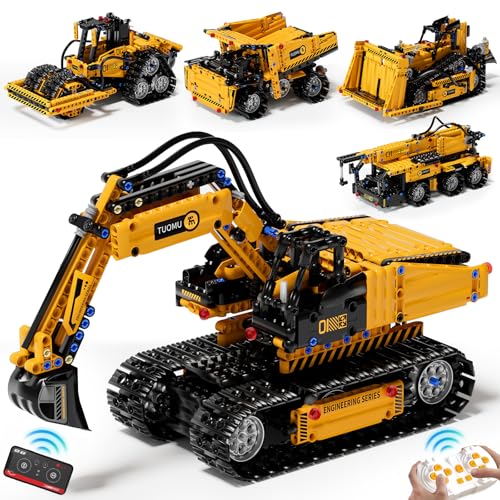
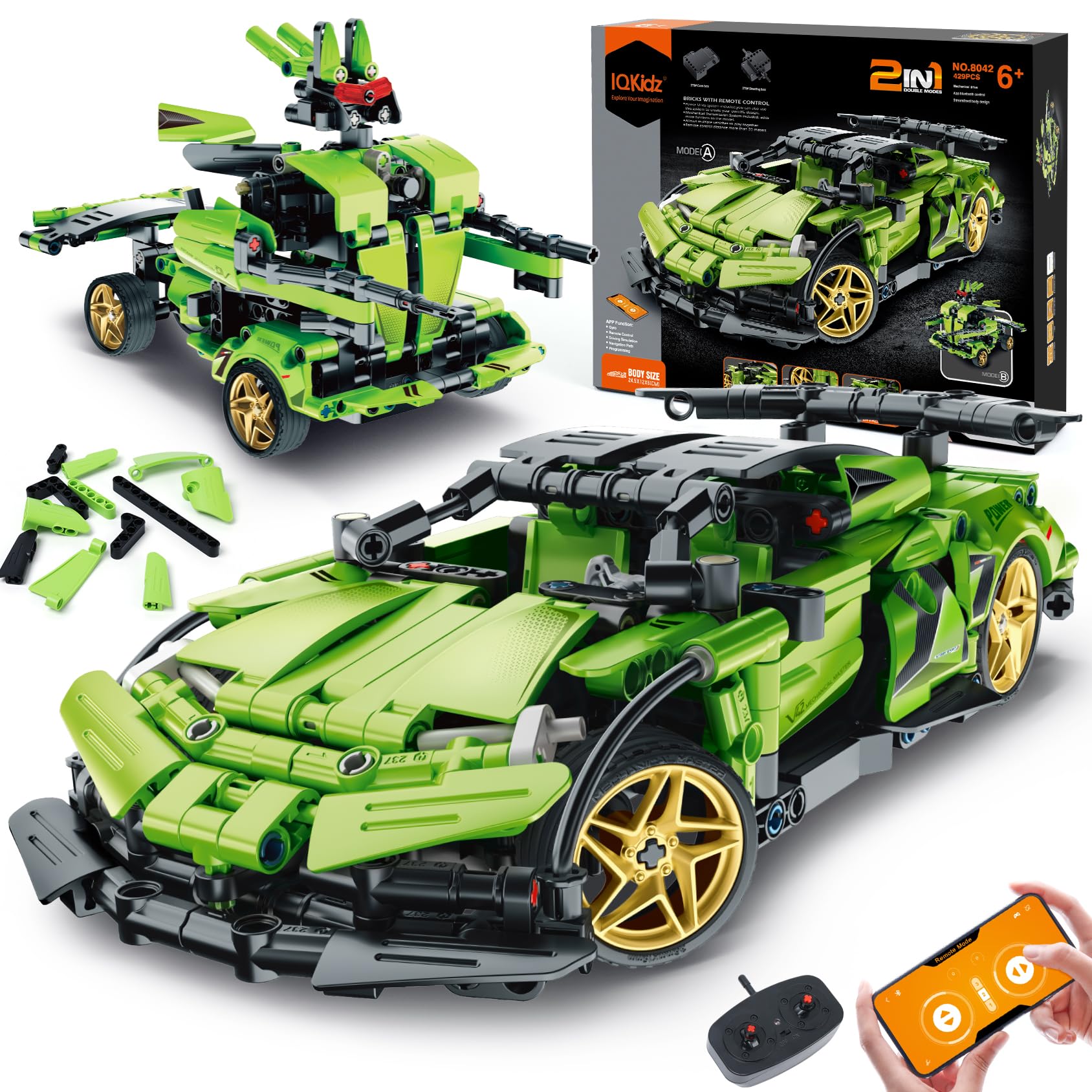


Who Should Buy Which Building Sets?
For First Time Buyers
If building is new in your home, start with a general set of about 300 to 500 pieces and clear staged instructions. A broad mix of basic pieces, wheels, and connectors lets a new builder try vehicles, buildings, and creatures without buying three sets. Avoid jumping straight to a giant themed box, because one fixed model teaches less than open pieces do.
Reliability matters here. Choose pieces with a firm, consistent fit and a booklet that shows one step at a time. A good first set also stores in a lidded tub, because early building habits form around easy cleanup. Success with a first set usually leads to confident, longer projects within a few months.
For Gift Shoppers
Gift buyers should favor sets with broad appeal, tidy packaging, and a finished build a child can complete in one or two sessions. Mid sized sets around $40 to $75 hit the sweet spot for birthdays. Check the age grade on the box and ask about sets the child already owns, since duplicates of a main set add little.
Warranty and replacement support make a gift safer. Makers that replace lost or broken pieces keep goodwill long after the party. If the child also loves performance and surprise, our guide to the best magic sets for 8 year olds covers a different gift direction for the same age. For building gifts, include the receipt so a swap is easy.
For People Who Want the Best Performance
Performance in a building set means precise fit, strong connections, and parts that allow real mechanisms. Look for gears, axles, hinges, and turntables that move smoothly and hold position during play. Piece tolerance is the quiet difference here. Parts that align exactly let tall and complex builds stand without constant repair.
Premium cost is justified when your child builds weekly, designs original models, and cares about how things move. It is wasted when the set will sit built on a shelf after one weekend. Match the spend to the building habit you already observe. Serious builders also benefit from sorting trays and extra basic pieces in plain colors.
Best Building Sets for Specific Needs
Specific needs change the right answer. A child in a shared bedroom needs compact storage. A child who builds with friends needs enough pieces for parallel projects. A child who loves science may prefer sets with motors or simple machines, used with adult supervision at first. Name the need before you shop and the choice gets much easier.
Best Building Toy Sets for 8 Year Old: What to Prioritize
When you compare best building toy sets for 8 year old options, treat the word toy as a promise of play after the build. Prioritize durable joints, figures or vehicles that invite stories, and pieces that rebuild into new scenes without special tools. A set that only displays well will disappoint a child who expects to play with the result. Quick rebuild time, under about 15 minutes for a small model, keeps that play loop alive.
Key Features to Compare
Intended Use and Who It Is For
Start by naming the main use. Guided model building rewards patience and reading of diagrams. Free building rewards imagination and a deep stock of basic pieces. Play focused building rewards strength and moving parts. Each use points to a different piece mix, so a set that tries to do everything often does each thing only fairly well.
Consider who else joins in. Siblings close in age need duplicate key pieces to avoid conflict. Visiting cousins may need simpler builds on the side. If a younger child will borrow the set later, our guide to the best building sets for 7 year olds shows the step down in difficulty, which helps you judge how long the new set will stay challenging.
Price vs Value
Budget sets under around $30 suit short interests and party gifts. Mid range sets around $40 to $80 usually deliver the best value for eight year olds, with 400 to 900 pieces and varied parts. Premium sets above around $100 should add mechanisms, large builds, or deep theme detail that your child will use for months.
Measure value in cost per building hour. A set rebuilt ten times beats a costly set built once, even if the second box looks grander. Check what the price includes. Extra booklets, storage, and replacement support raise real value, while large empty packaging does not. Sales on mid range sets are common, so patience can stretch a gift budget.
Maintenance and Long Term Costs
Building sets have low upkeep, but costs creep in through lost pieces, broken specialty parts, and batteries for motorized elements. Keep a small budget for replacement packs if your child builds daily. Sets that use standard piece sizes make replacements cheap and easy to find, while rare proprietary parts can end a favorite model.
Habits cut those costs. Building on a tray, storing by type, and keeping a spare parts cup for strays found around the house all help. Wash pieces in warm soapy water when needed and dry them fully. Motors and battery boxes should stay dry and be checked for corrosion every few months.
Features That Matter for 8 Year Olds
Eight year olds are ready for smaller pieces, longer builds of 500 to 1,000 pieces, and instructions that use sub assemblies. Look for builds that split into stages with bags or steps grouped by section, because finishing a stage gives a natural stopping point. Technical elements such as gears and levers add a real learning payoff at this age.
Challenge should stretch, not stall. A good rule is that your child can complete about three quarters of a build alone, asking for help on the tricky parts. If every step needs an adult, frustration wins. If no step needs thought, boredom wins. Display space for finished models also matters, since pride in the result drives the next build.
Safety and Certifications
Check the box for age grading and recognized toy safety standards for your country, and buy from sellers you trust. Small parts remain a choking hazard for children under three, so keep sets away from toddlers and store loose pieces in closed bins. Inspect pieces for cracks, and remove any piece with a sharp broken edge right away.
Motorized and battery powered parts need adult checks. Follow the maker guidance on battery types, never mix old and new batteries, and remove batteries during long storage. If your child has a medical condition that affects hand strength or focus, or if you have safety concerns about small parts, talk with their clinician about personal needs before choosing a set.
Common Mistakes to Avoid When Buying Building Sets
- Buying on price alone, then finding the piece mix too narrow for rebuilds.
- Ignoring intended use, so a display model lands with a child who wanted a play toy.
- Choosing a set that is far too large or too small in piece count for your child patience level.
- Skipping the warranty and replacement policy, then losing one vital specialty piece.
- Forgetting storage, so hundreds of pieces end up mixed, lost, and rarely used.
One more mistake hides in plain sight: buying the set you loved as a child instead of the set this child wants. Tastes differ. A quick question about themes, vehicles, buildings, animals, or machines will steer you better than nostalgia. When cousins are much younger, our guide to the best building sets for 5 year olds helps you keep a safer, simpler set on hand for visits.
Care and Maintenance Tips
Read the manual before first use and keep it with the set. Clean and inspect pieces regularly, washing plastic parts in warm soapy water and drying them fully. Store the set in a dry place, away from direct sun that can fade colors and heat that can warp thin parts. A lidded bin with a few sorting compartments is the single best care upgrade you can make.
Teach a simple end of session routine: sweep the table into a tray, return strays to the spare cup, and close the bin. Five minutes of routine saves hours of searching later. For long breaks, remove batteries from motorized parts. When a much younger sibling starts building, the best building sets for 4 year olds guide covers the larger formats that suit small hands.
Building Sets: Your Questions Answered
What features matter most in building sets for 8 year olds?
Precise piece fit, staged instructions, and a mix of basic and mechanical parts matter most at eight. Your child can now handle sub assemblies, so booklets that build in sections work well. Add one feature many buyers miss: a parts list with counts, which lets your child inventory pieces before a big build and avoid a missing piece surprise near the end.
Are expensive building sets worth it?
They are worth it when the price buys precision, mechanisms, and depth your child will use weekly. They are not worth it for a passing theme interest. A useful test is the rebuild question. If your child rebuilds favorite sets again and again, premium depth pays off. If builds stay assembled and untouched, a mid range set serves better.
How much should I spend on a building set?
Most families land well between around $40 and $80 for a main set at this age. Spend under around $30 for a trial or a small gift. Go above around $100 only for a proven builder with a clear theme or mechanism interest. Remember to leave a little room in the budget for storage, which protects the whole purchase.
How long does a building set last?
Quality pieces last for years, often through several children. Interest in one set typically runs one to two years at this age, though open piece sets last longer than single model sets. Lifespan drops mainly through lost pieces and mixed storage. A set kept complete and sorted can be resold, donated, or handed down in near full working order.
What features matter most when buying building sets?
Compatibility with pieces you own, clarity of instructions, and rebuild variety top the list. Check piece size standards before you buy, because mixing systems that do not connect frustrates everyone. Also weigh the theme honestly. A theme your child loves adds motivation, but basic pieces in varied shapes carry the longest creative life in any collection.
How do I maintain a building set?
Sort pieces by type after big builds, wash them in warm soapy water when sticky, and dry them fully before storage. Replace cracked pieces promptly and keep a small cup for strays. Store booklets flat in a folder. Every few months, do a quick inventory of specialty parts such as wheels and gears, since those losses hurt builds most.
The Bottom Line
Choose by use first, then by piece mix, then by price. First time buyers need a broad mid range set, gift shoppers need broad appeal and easy replacement support, and keen builders earn premium mechanisms. Check the product table above before you decide, and remember that the best building sets for 8 year olds are the ones that fit how your child already loves to build.


