
Best Chemistry Sets for 10 Year Olds in 2026: Which Type Is Right for You?
Disclosure: We may earn a commission when you buy through links on this page, at no extra cost to you. As an Amazon Associate I earn from qualifying purchases. Learn more

Parents can compare the best chemistry sets for 10 year olds by type, looking at safety, experiment depth, refills, and price in one clear buying guide.
One set promises glowing potions, another offers a tiny lab with test tubes, and a third is mostly slime with a science label. For a parent, the boxes all look similar, yet the safety level, supervision needs, and lasting interest differ a lot. Comparing best chemistry sets for 10 year olds by type cuts through that confusion quickly.
This guide sorts sets into four clear types, compares them head to head, and flags the safety checks that matter at this age. Use the comparison table below alongside the type notes to find the right fit.

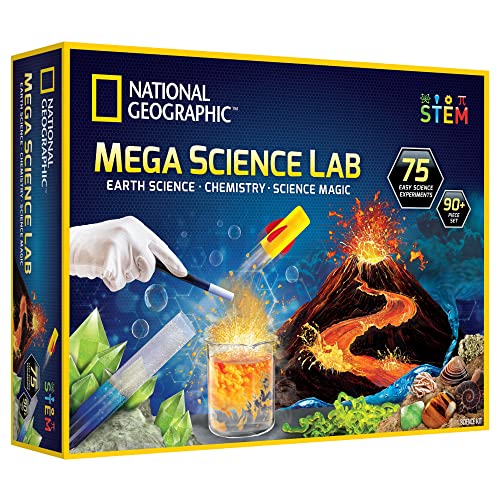


Types of Chemistry Sets Compared
Age ten is a sweet spot for real science. Most children this age can measure carefully, follow numbered steps, and record what happened, but they still need adult supervision for anything involving heat, powders, or eye protection. The four types below differ mainly in depth, size, and how long the fun lasts after the first weekend.
Budget Options
Budget sets, usually under about $25, focus on a handful of classic reactions such as color changes, fizzing mixtures, and simple crystals. Materials are basic, guides are short, and most experiments finish in one sitting. They suit a first taste of chemistry, a birthday gift with uncertain interest, or a trial before a bigger purchase. The limits show up fast. Refills may not exist, instructions can skip the science behind the result, and a keen child can finish the whole box in two afternoons. Treat this type as a sampler, not a full course.
Compact Options
Compact sets pack a surprising number of experiments into a small case or tin that stores on a shelf and travels well. They favor dry materials, small measures, and activities that clean up quickly, which suits apartments, shared rooms, and grandparents' homes. Expect around 15 to 30 activities with an emphasis on safe kitchen style chemistry plus a few special powders. The trade off is scale. Tiny quantities mean smaller reactions and less room for repeat trials, and small parts are easy to lose. For tidy homes and travel, that trade is often worth it.
Mid Range Options
Mid range sets, around $25 to $60, are the best fit for most ten year olds. They include proper tools such as beakers, test tubes with a rack, safety glasses, and a guide that explains why each reaction happens. Experiment counts often reach 30 to 60, with refills or household ingredient extensions that stretch value for months. Supervision is still required, but steps are written for a child to lead. If you buy only one type, buy this one. It balances safety, depth, and price better than any other group. Families who also enjoy making things may like our guide to the best craft sets for 10 year olds for rainy day variety.
Premium Options
Premium sets, above about $60, add sturdier lab gear, more chemicals in larger amounts, and structured lessons that build skills in order. Some include thermometers, scales, or simple electronics for measuring results. They suit children who already love science, homeschool lessons, and gifts meant to last a full year. The extra depth demands more adult time, more storage, and stricter safety habits. Check that chemicals are clearly labeled and that the guide states supervision steps plainly. Premium only pays off when the interest and the adult time are truly there.
Budget Options vs Compact Options: Which Should You Choose?
These two types overlap in price, so compare them on five points. On experiment count, compact sets usually offer more activities per dollar because they rely on small measures. On storage, compact sets win again with a single case that closes. On reaction size, budget sets often win, since their fewer experiments use larger amounts for a bigger visual payoff. On refill options, both are limited, though compact brands more often sell top up packs. On gifting, compact sets look neater and travel better. Choose budget for a big first reaction on a small spend, and compact for more activities in less space.
How to Choose the Right Chemistry Set
Maintenance and Long Term Costs
Plan for refills before you buy. Powders run out, test tubes cloud, and gloves and filters are single use items. Sets that list refill packs or use common household materials such as vinegar, baking soda, and food coloring cost far less over a year than sealed sets with special refills. Glassware that can go in a dishwasher lasts longer than thin plastic that stains. Also budget for safety glasses in the right size if the included pair fits poorly, because a child who cannot see clearly will take them off.
Build Quality and Materials
Look for sturdy plastic or glass tools with clear volume marks, lids that seal, and a guide printed clearly enough to read at arms length during an experiment. Chemicals should arrive in sealed, labeled containers with hazard information and first aid guidance. Avoid sets with unlabeled powders or vague ingredient lists, because you cannot judge safety without names. A storage case that keeps chemicals upright and separate from tools protects both the set and your home. Creative families can compare build standards with our guide to the best art sets for 10 year olds, where material safety matters just as much.
Features That Matter for 10 Year Olds
At age ten, the features that matter are clear numbered steps, a why it works note for each experiment, and enough repeat material to try again after a mistake. Safety glasses sized for children, gloves, and a work tray should be included, not sold separately. The science should stretch beyond color changes into crystals, simple acids and bases with safe indicators, and basic measurement. Warning signs that a set is too young include mostly mixing colored water. Warning signs it is too advanced include open flames or concentrated acids, which belong in later years with training. If your child shows any reaction such as skin irritation, eye pain, or breathing trouble during use, stop at once, rinse as the guide directs, and seek medical advice promptly.
Intended Use and Who It's For
Match the set to the child and the household, not just the age on the box. A patient child who loves instructions thrives with a mid range or premium lab set. A restless child who wants instant results does better with a compact set of quick reactions. Homeschool families should favor sets with lesson order and record pages. Gift buyers should check with parents about storage space and supervision time first. Younger siblings in the home also matter, because small parts and powders must stay out of reach of children under the stated age.
How to Make Your Chemistry Set Last Longer
Read the manual before first use together, and agree on house rules. Experiments happen only with an adult present, never alone, and never with food or drink nearby. Clean and inspect regularly. Wash tools after each session, dry them fully, and check tubes for cracks before the next use. Store chemicals upright in a dry place, locked or on a high shelf away from younger children and pets. Label any mixed solutions with the date and contents, and dispose of leftovers exactly as the guide directs rather than pouring unknown mixtures together.
Chemistry Sets: Your Questions Answered
What features matter most in chemistry sets for 10 year olds?
Clear safety gear, labeled chemicals, and step by step guidance matter most. A good set includes child sized safety glasses, gloves, and instructions that state where an adult must help. Explanations of why reactions happen turn tricks into learning. Also check the experiment count and refill options, because depth decides whether interest lasts. If a listing hides its chemical list or safety notes, choose a different set with open, complete information.
How long does a chemistry set last?
A budget set may last a few sessions, while a mid range set with refills can stay in use for six months to a year of regular play. Tools such as beakers and racks last for years if washed and stored well. Powders keep best when sealed and dry. Interest is the real limit, and sets with new challenges in stages hold it longest. Buying one refill pack before the first powders run out keeps momentum going.
What features matter most when buying chemistry sets?
Beyond age fit, the deciding features are supervision clarity, material quality, and room to grow. Sets that sort experiments by difficulty let a child build confidence safely. Sturdy tools and honest chemical labeling protect your home and your child. For children who also enjoy building, our guide to the best meccano sets for 10 year olds shows a different kind of hands on challenge. Always confirm the set meets toy safety standards for your country before you buy.
Are expensive chemistry sets worth it?
Expensive sets are worth it for children with proven science interest and adults who will supervise regularly. They bring better tools, deeper lessons, and enough material for repeat experiments, which lowers cost per session over time. For a curious but untested interest, they are a risky first step. Start mid range, watch how often your child returns to it, and upgrade later. A smaller set used weekly teaches more than a premium lab opened twice.
How do I maintain a chemistry set?
Wash tools with warm soapy water after each session, dry them fully, and store chemicals sealed and upright in their case. Keep a simple list of what has run out so refills arrive before interest fades. Check safety glasses for scratches and replace gloves as they are used. Never store mixed leftovers unless the guide says you can. Talk with your pediatrician or another qualified professional if you have any concern about a chemical exposure or your child's health needs.
Our Verdict
For most families, a mid range set with clear safety gear, honest labeling, and refill options is the smart buy. Match the type to your child's patience and your supervision time, and keep safety rules firm from day one. When you compare best chemistry sets for 10 year olds that way, the product table above leads to a confident choice. If your child is a little younger, our guide to the best chemistry sets for 9 year olds covers the gentler starting point.


