Best Art Sets for 9 Year Olds: Buying Guide for 2026
Disclosure: We may earn a commission when you buy through links on this page, at no extra cost to you. As an Amazon Associate I earn from qualifying purchases. Learn more

Learn how to choose best art sets for 9 year olds, from drawing media and case quality to safety labels and budget, with a clear checklist for parents.
By age nine, many children have moved past simple coloring and want tools that can shade, blend, and hold a fine line for school projects and personal sketches. Choosing the best art sets for 9 year olds means looking past piece counts and checking whether the pencils, markers, and paints inside match that growing skill.
This guide walks through the features that matter at this age, the main types of kits, and simple care habits that keep supplies working. The comparison table below shows sizes and prices at a glance, and the sections after it explain what those numbers mean in daily use.




How to Choose by Budget and Skill Level
Instead of hunting for a single winner, match the kit to your child's current habits. The three approaches below describe what a good set should deliver for a casual drawer, a value focused family, and a child who is just starting to take art seriously.
A Balanced Everyday Kit
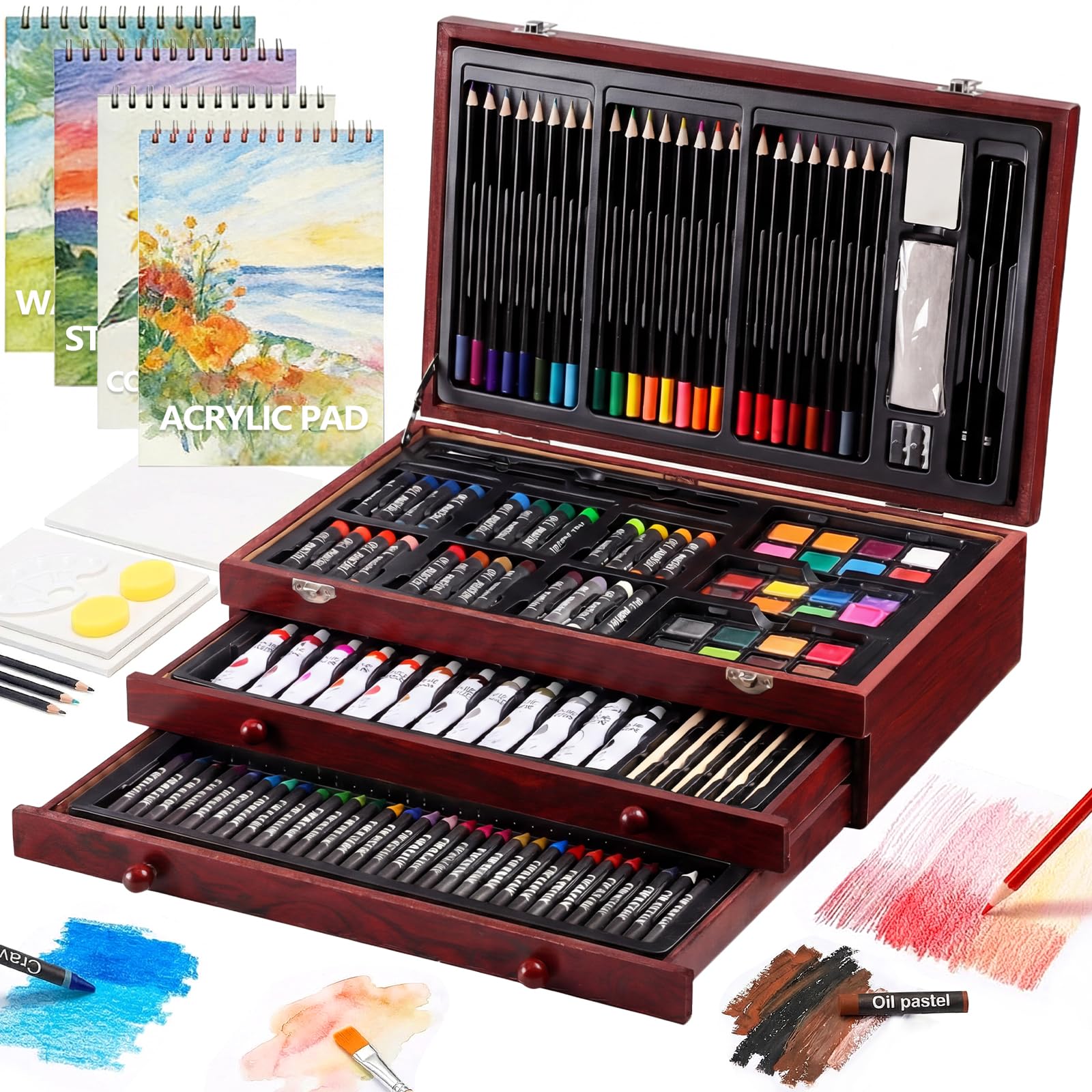
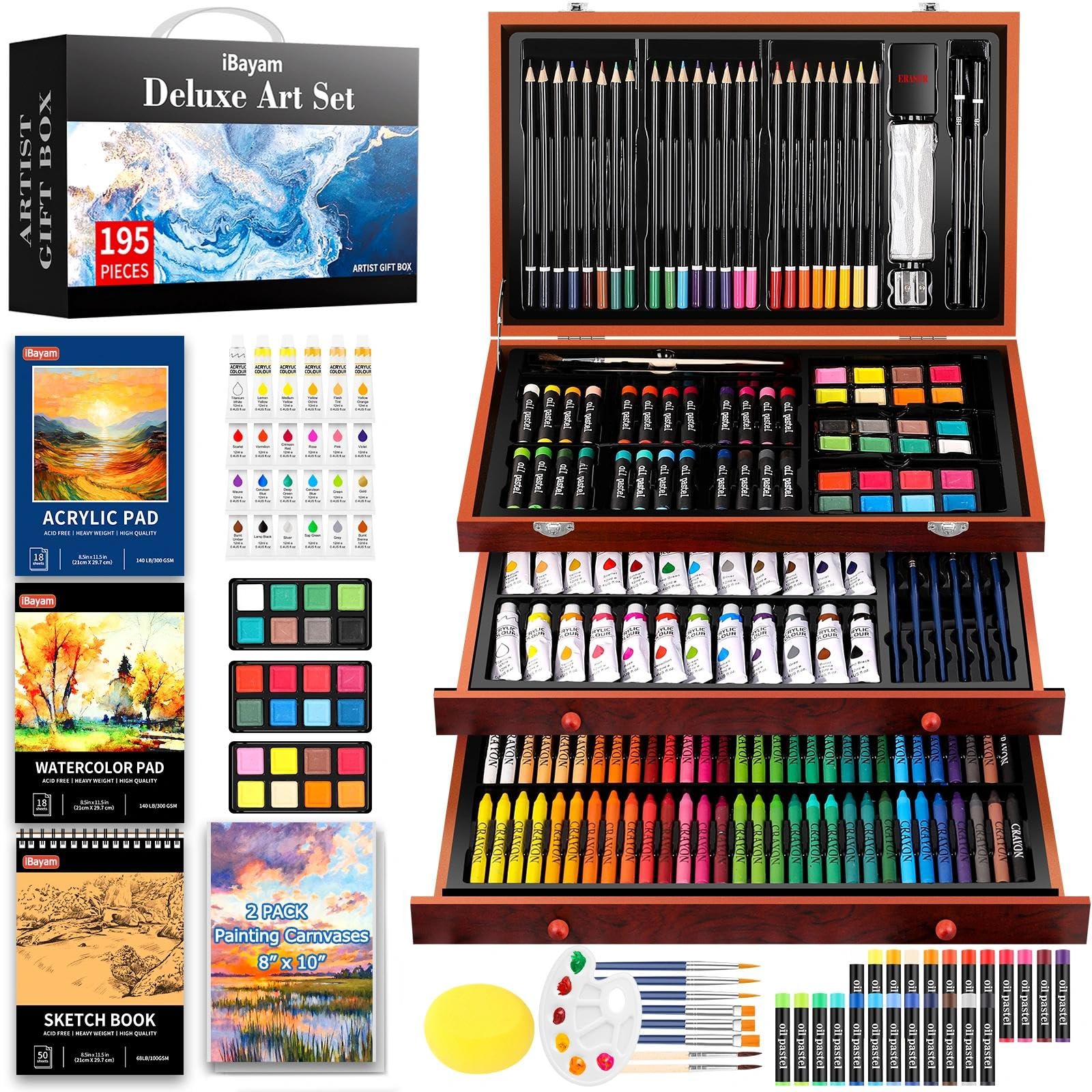
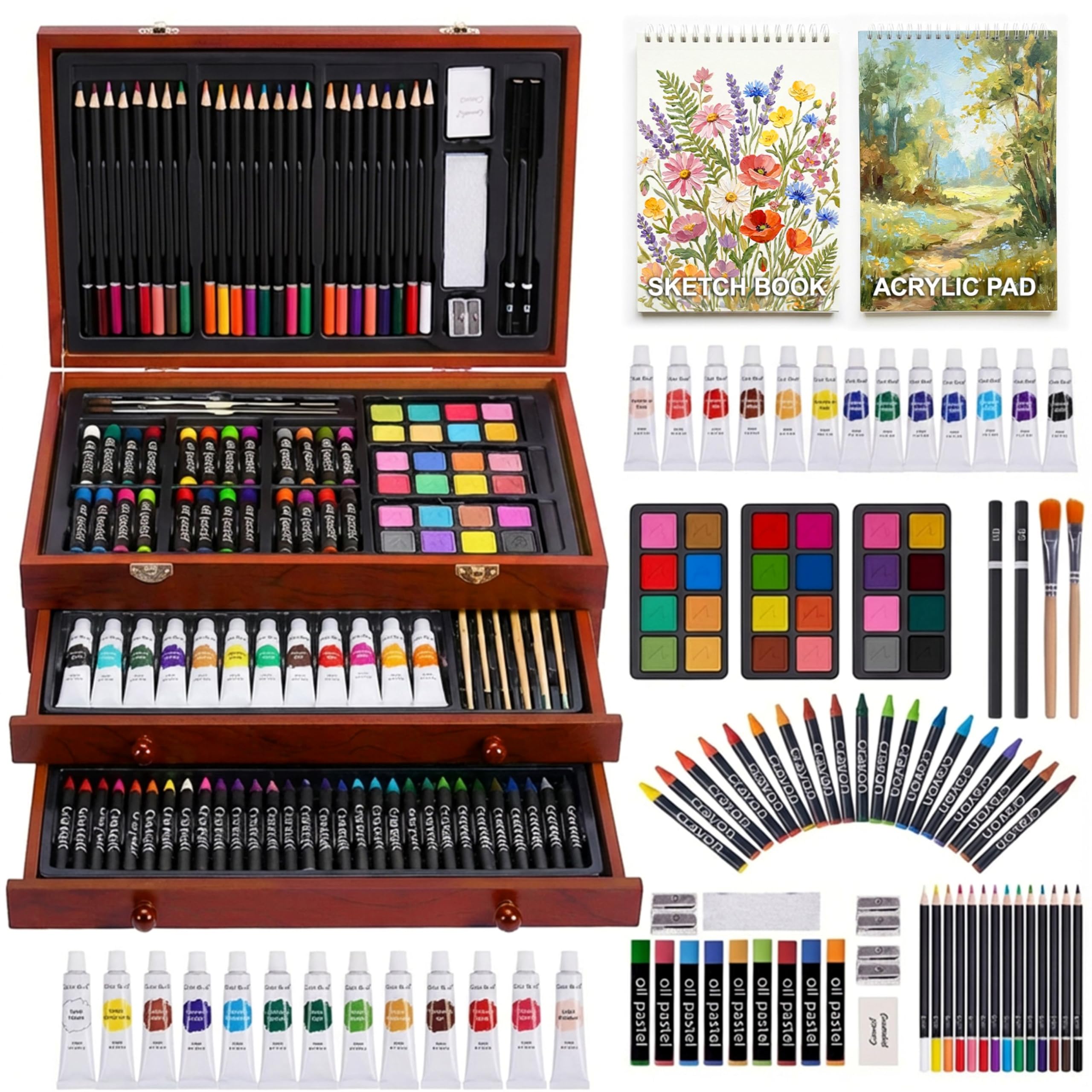
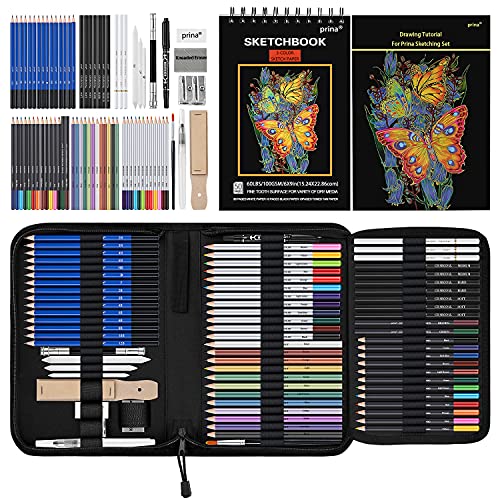
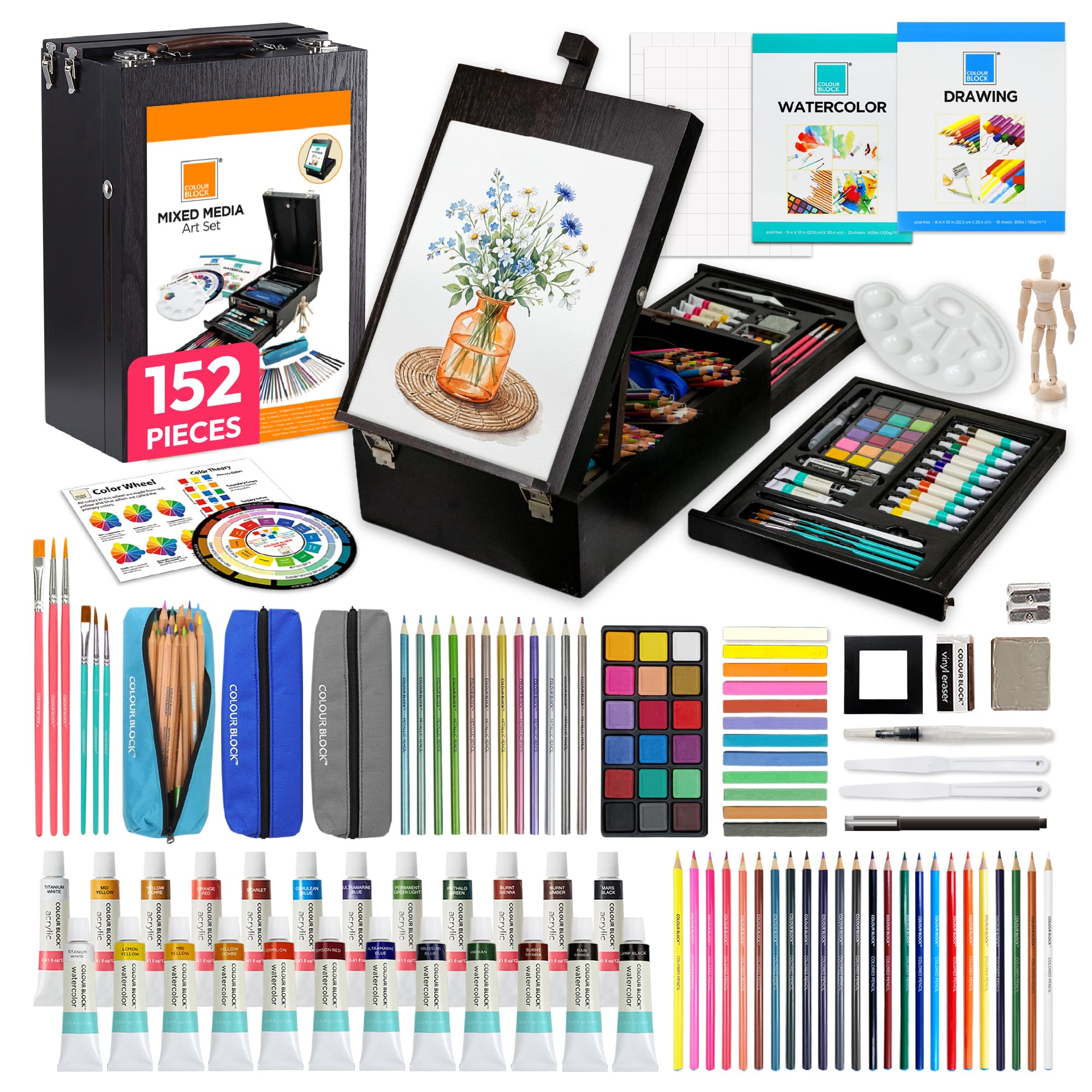
A balanced everyday kit, usually around $35 to $65, should include colored pencils in a wide shade range, fine tip and broad tip markers, watercolor paints, pastels, a sharpener, and erasers in a divided case. This setup covers school posters, comic drawing, and weekend painting without extra purchases. Look for pencils that layer color smoothly, because nine year olds begin blending shades for skin, skies, and shadows. The case should have trays that lift out or fold open so your child can see every color at once. This approach suits most families and gives room to grow for a year or more.
A Value Kit That Still Lasts
A value kit, often around $20 to $35, can work well if you check two things before you buy. First, the case must close firmly and the pencils should not arrive with broken tips throughout the tray. Second, the markers should be washable and the watercolor pans should not be cracked or dusty. You may get fewer shades and thinner paper, so add a decent sketch pad with the money you save. This route fits a child who draws a few times a month, a spare kit for a grandparents' home, or a gift where you want a complete set without stretching the budget.
A Starter Kit for a New Artist
A child who is new to art at age nine needs encouragement more than volume. Choose a smaller set with clear organization, a simple how to booklet or project cards if included, and media that forgives mistakes, such as erasable colored pencils and washable markers. Around $25 to $45 is a sensible range. Avoid giant cases that bury the basics under novelty tools, because a beginner benefits from learning ten tools well. A compact case that lives on the desk also gets used more than a huge box stored in a closet, and steady use is what builds skill and confidence.
How to Choose the Right Art Set: Buying Guide
This is the core decision section. Work through each point with your child's real projects in mind, and you will quickly see which kits on the product table above deserve a closer look.
Features That Matter for 9 Year Olds
Nine year olds can handle graded pencils, blending pastels, and simple shading tools that younger children would waste. Look for colored pencils in at least twenty four shades, a few graphite pencils in different hardness levels for sketching, and a kneaded eraser that lifts graphite without tearing paper. Fine tip markers help with lettering and detail work for school reports. At this age children also start carrying kits to classes and friends' homes, so a handle and a case that stays shut in a backpack matter more than they did at age six or seven.
Intended Use and Who It Is For
Decide whether the set is mainly for drawing, painting, or a mix of both, because balanced kits sometimes do neither job especially well. A drawing focused child needs more pencils, graphite, and smooth paper. A painting focused child needs better watercolor pans, two brush sizes, and a mixing palette. A mixed kit suits a child who rotates hobbies weekly. Gift buyers should ask what the child already owns. Doubling up on crayons helps nobody, while adding the first real sketching tools can feel like a genuine step up and get used the same day.
Build Quality and Materials
Case material decides how long the set stays organized. Reinforced plastic and wood cases outlast thin cardboard sleeves, and metal hinges outlast plastic tabs that snap after a few months. Inside, pencil wood should sharpen evenly without splitting, and marker barrels should feel firm when squeezed. Watercolor pans set in a removable tray are easier to rinse and replace than paint poured into fixed wells. Check photos for tray spacing too. Crowded trays lead to broken pastel sticks and chipped paint pans, while a little breathing room keeps each medium in good shape through a school year of regular use.
Key Performance Specs
For art kits, performance means pigment, laydown, and control. Colored pencils should lay color without heavy pressure and should not crumble at the tip. Markers should give an even line without pooling at the start of each stroke. Watercolor should reactivate with a wet brush within a few seconds and show clear color on the page. You cannot test these traits from a listing, so read the contents list carefully, favor sets that name their media clearly, and treat vague claims about artist quality with caution. A modest set described honestly usually outperforms a huge set described with empty praise.
Safety and Certifications
Even at age nine, safety labeling matters because younger siblings often share supplies. Choose sets marked nontoxic and conforming to the ASTM D 4236 standard, and keep any solvent based markers out of a general family kit. Washable paints and markers reduce laundry and furniture damage while children work more independently. Supervise spray fixatives and craft knives completely, or skip them, since neither belongs in a standard set for this age. If your child has sensitive skin, wash hands after pastel work and consider dust free pastel formats. When in doubt about a material reaction, talk with your child's clinician about personal needs.
Size, Weight, and Fit for Your Space
Measure the shelf or desk drawer where the kit will live before you buy. Large wooden cases can weigh several pounds when full, which is fine on a desk but awkward for a child carrying it to art class. A flat case around the size of a laptop slides into a backpack and stacks neatly. Folding easel cases look appealing, but the easel takes setup time and storage room, so choose one only if your child paints for long sessions. The best size is the one your child can open, carry, and put away alone without help or frustration.
Warranty and Customer Support
Support for art kits is mostly about exchanges for damage and missing parts. Buy from a seller with a clear return window, and inspect the case on arrival for cracked corners, dry markers, and broken pencil tips. Photograph any problem before use so an exchange goes smoothly. For higher priced wooden cases, check whether the maker sells replacement trays or hinges. Keep the contents list from the box, because it makes refill shopping simple later. A seller who lists contents clearly and answers questions plainly is a good sign that support will be painless if something arrives wrong.
Types of Art Sets
Premium Options
Premium kits focus on better pigments, stronger cases, and sketching tools such as graphite grades and blending stumps. They suit a child in art classes or one who draws daily and has worn out a basic set. The cost is higher, often around $60 to $120, but the tools can serve for several years and hand down to a sibling. The risk is paying for advanced media your child is not ready to enjoy.
Budget Options
Budget kits cover coloring and simple drawing for around $15 to $30. They suit casual use, travel, and classroom gifts. Expect thinner paper, fewer shades, and a case that needs gentle handling. A budget kit plus a good sketch pad is a smart pairing that fixes the weakest part of most cheap sets, which is almost always the paper rather than the pencils.
Compact Options
Compact kits trade variety for portability, with a focused set of pencils, a few markers, and a small watercolor strip in a case that fits a backpack. They work well for car trips, waiting rooms, and after school programs. For a child whose main art happens away from home, a compact kit that is always packed will see more use than a large set that stays behind. Check that the case seals well so a loose cap does not mark the bag lining.
If your child is ready to move up in a year or two, our guide to the best art sets for 10 year olds shows what changes next, while families shopping for a younger child can see our guide to the best art sets for 5 year olds for simpler and chunkier tools.
Care and Maintenance Tips
- Read the case layout before first use and agree on a home slot for each tool, so cleanup takes minutes and missing pieces stand out right away.
- Clean and inspect regularly by wiping trays monthly, checking marker caps, and sharpening pencils over a bin to keep shavings out of the case.
- Store in a dry place away from heat vents and sunny windows, because heat dries markers and warps thin plastic cases over a single season.
- Register the product or keep the receipt for higher priced sets, which makes exchanges for cracked cases or dry supplies much easier.
- Rinse watercolor brushes after each session and reshape the tips, since a ruined brush makes even good paint feel frustrating to use.
Children who like guided projects beyond drawing may enjoy our guide to the best craft sets for 9 year olds, and those curious about simple experiments can look at our guide to the best chemistry sets for 9 year olds with adult supervision in mind.
FAQs
What features matter most in art sets for 9 year olds?
Pencil range, case strength, and sketching tools matter most at age nine. A set should include graphite pencils and a kneaded eraser alongside color media, because drawing skills develop fast at this stage. One extra worth checking is brush quality in painting sets. Two usable brushes beat six scratchy ones that shed hairs into wet paint and spoil careful work.
Are expensive art sets worth it?
They are worth it when your child draws weekly, takes classes, or has worn out a basic kit, because better pigments and cases last for years. They are not worth it for occasional coloring. A practical sign is pencil stubs. If your child sharpens favorite colors down to short stubs, that level of use justifies better tools. If the last set still looks new, spend less and add fresh paper instead.
What features matter most when buying art sets?
Media variety matched to your child's interests, honest contents lists, and safety labeling lead the list at any age. Storage comes next, since a case your child can manage alone keeps supplies in service. Also check marker tip styles. A mix of fine and broad tips covers both outlining and filling, and sets with only one tip style often leave a child improvising on detailed school projects.
How do I maintain an art set?
Keep caps clicked shut, trays wiped, and brushes rinsed, and a good set will serve for years. Store the case flat so watercolor pans do not crack from pressure on one edge. Teach your child to test markers on scrap paper before a project, so a drying marker is discovered early and can be replaced in a small refill pack rather than in the middle of a poster the night before it is due.
How much should I spend on an art set?
Around $35 to $65 covers a strong main set for most nine year olds. Spend around $20 to $35 for a spare or travel kit, and more only for a child in classes. Think about paper as part of the budget. Setting aside a small amount for a thicker sketch pad improves results from any tier, because good paper makes modest pencils and paints look noticeably better on the page.
For another hands on gift idea at this age, see our guide to the best building sets for 9 year olds.
Final Thoughts
Focus on pencil range, case quality, and media that match your child's favorite projects, and ignore inflated piece counts. Check the product table above, confirm the safety label, and choose the best art sets for 9 year olds option that your child can carry, open, and enjoy week after week.