Best Art Sets for 10 Year Olds 2026: Skills, Not Just Supplies
Disclosure: We may earn a commission when you buy through links on this page, at no extra cost to you. As an Amazon Associate I earn from qualifying purchases. Learn more

Pick art sets for 10 year olds that grow skills: drawing, painting, crafts, quality supplies, safety, and storage tips for parents and gift buyers.
Choosing the best art sets for 10 year olds is about matching supplies to a child who can handle real tools and wants real results. Ten year olds move beyond simple coloring into shading, mixing, perspective, and personal projects, and a set with quality basics beats a huge box of weak supplies. This guide explains what to look for by medium, so your gift fuels skills rather than frustration.
The comparison table below lists art set types, skill levels, and safety notes side by side. Use it to match a set to the child's interests, whether drawing, painting, crafts, or mixed media. Check age labels and safety guidance, and consider storage, since a set that spreads across the house soon loses pieces and appeal.


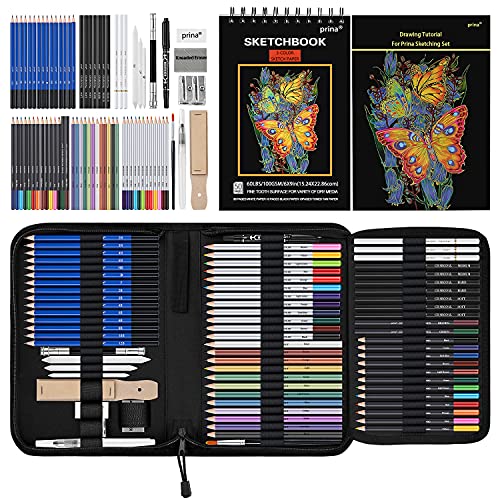

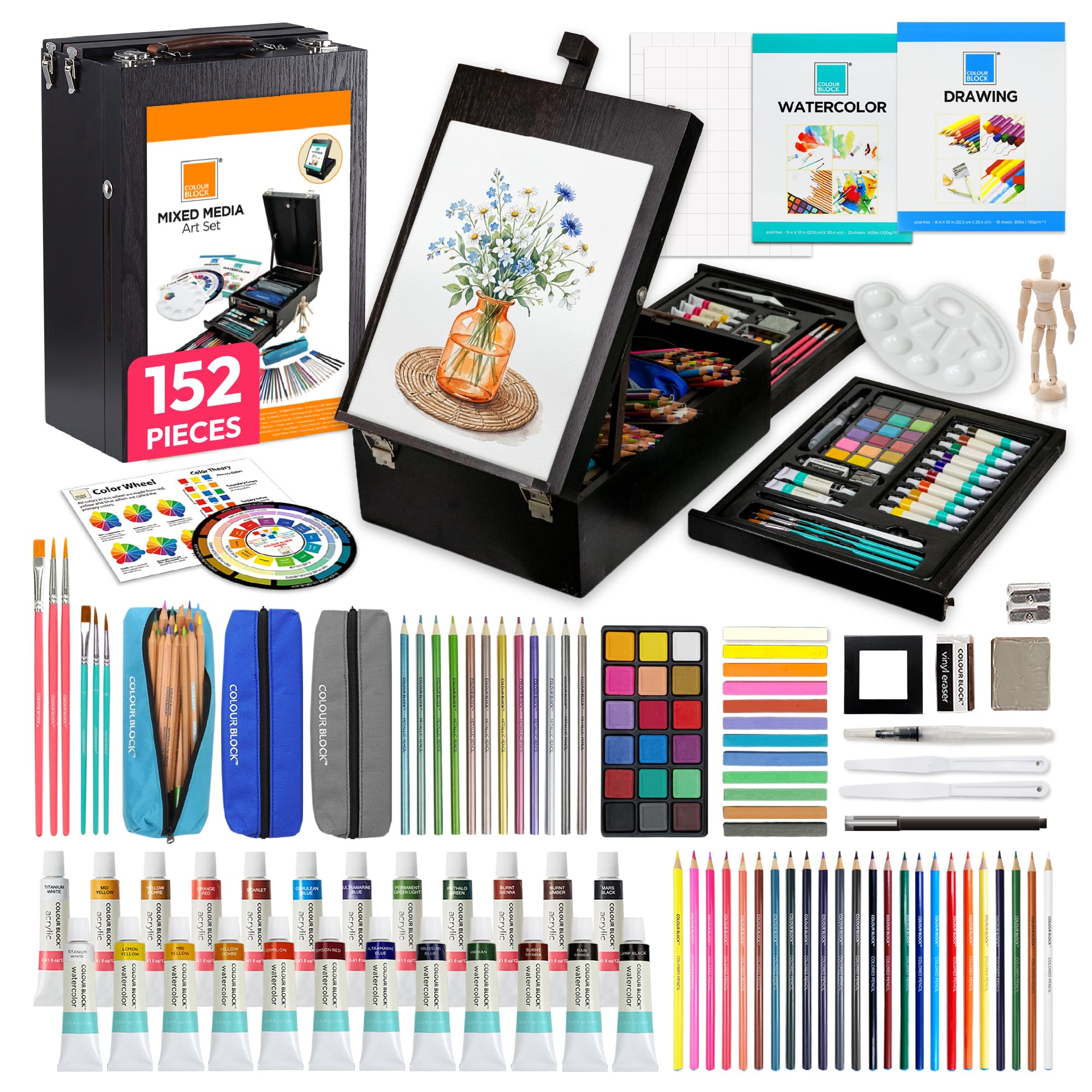


Drawing Sets for Growing Skills
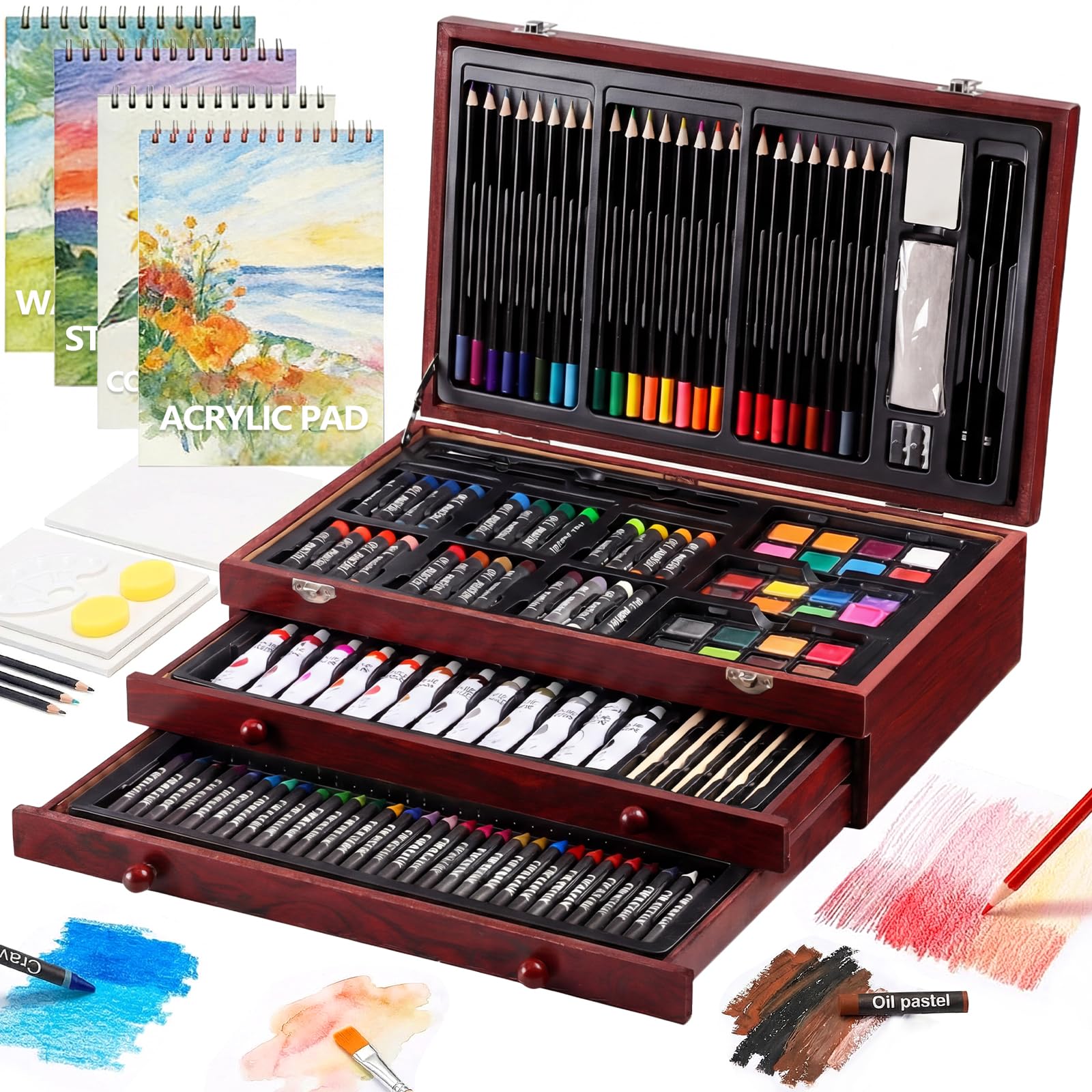
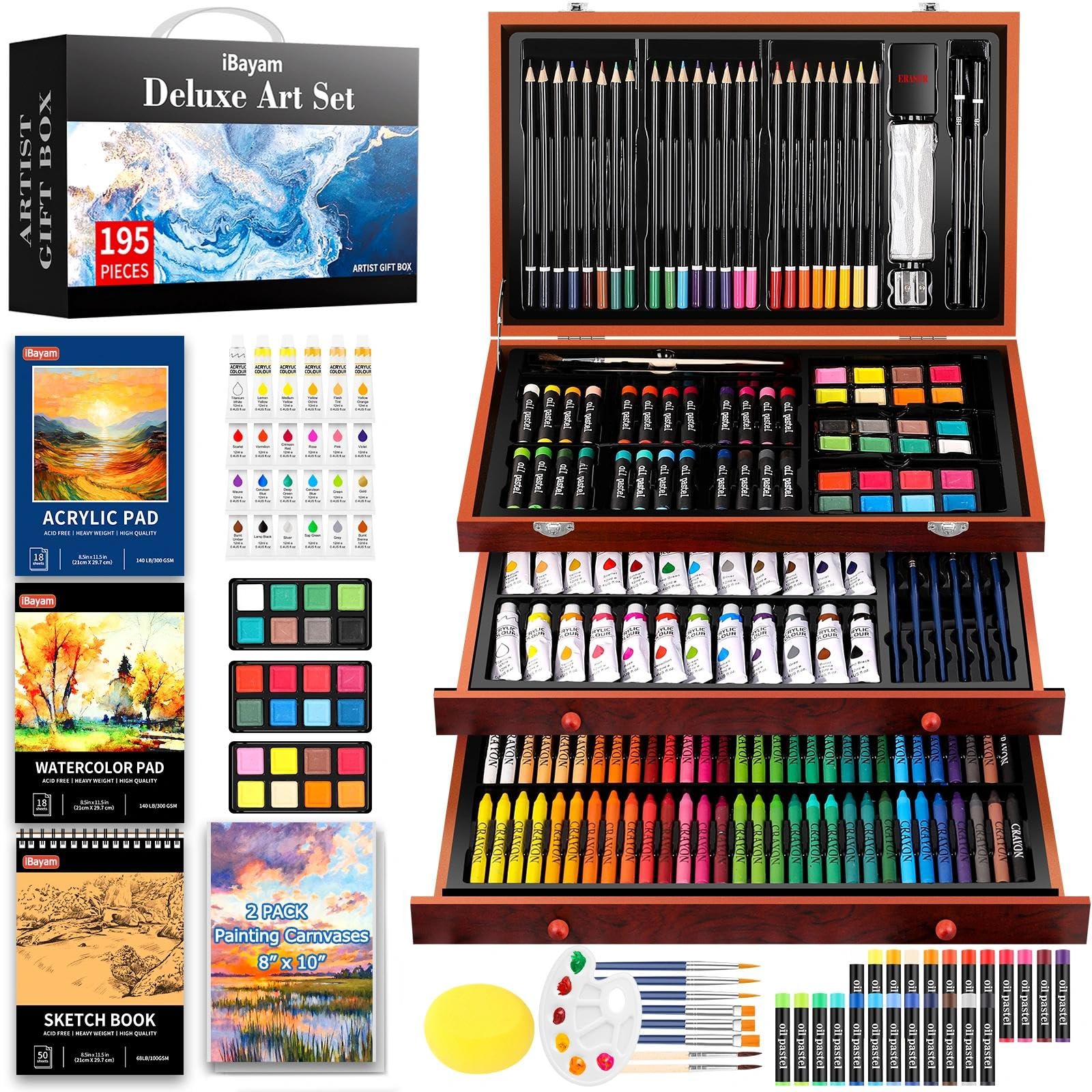
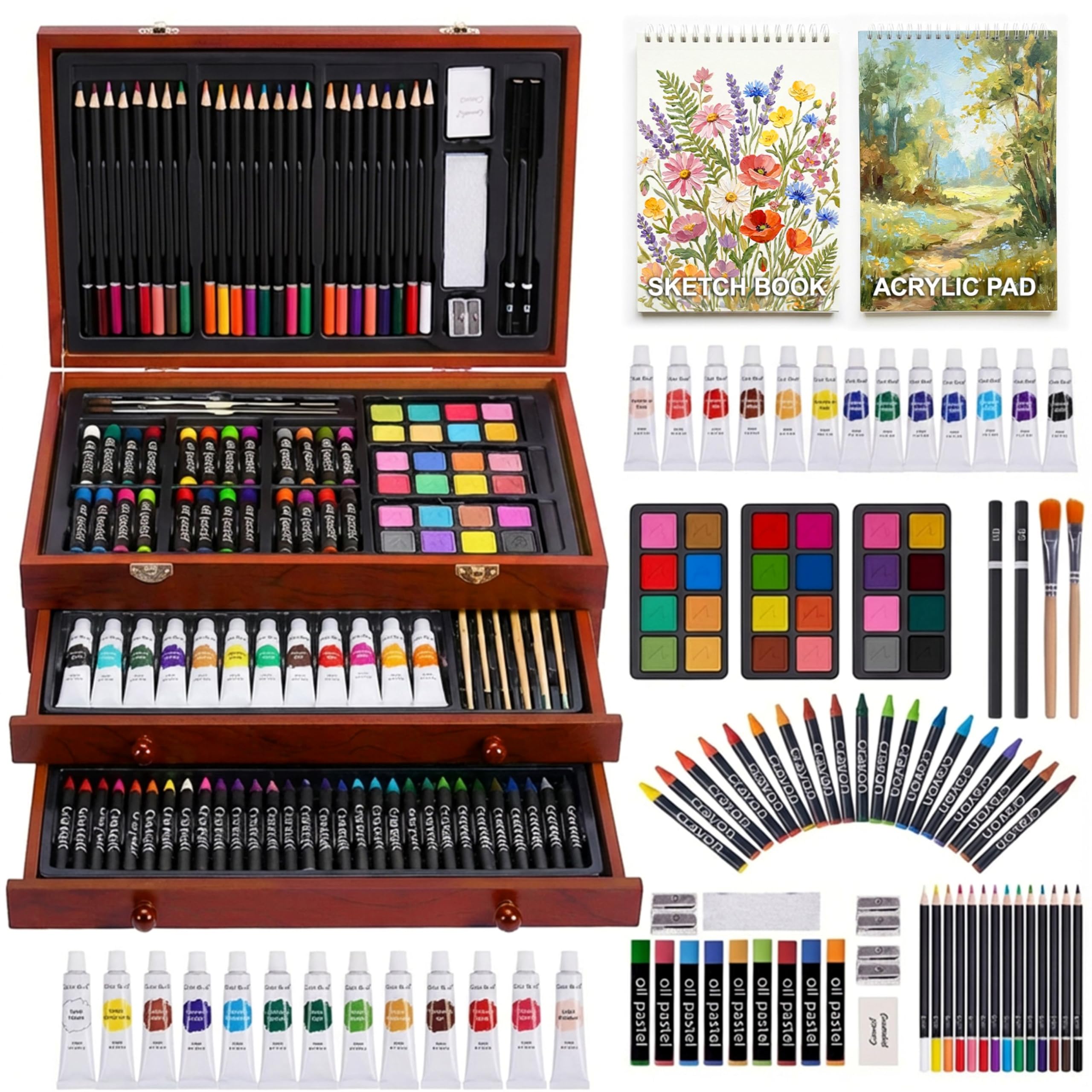
Drawing sets suit ten year olds ready for graphite pencils, colored pencils, charcoal, and blending tools. Look for a range of pencil grades, from hard lines to soft shading, plus an eraser that lifts cleanly and a sharpener that does not break leads. Quality paper matters too, since thin paper buckles under shading and erasing, while a sketch pad with medium weight paper handles practice well.
Colored pencils deserve attention, since cheap sets lay down pale, waxy color that frustrates young artists. Softer cores with rich pigment reward layering and blending, which are key skills at this age. A set with 24 to 48 colors gives variety without overwhelming, and a tin or roll case keeps pencils organized and portable for school or travel.
Painting Sets and First Real Paints
Painting sets introduce watercolors, gouache, or acrylics, each with different handling. Watercolors suit portable painting and teach transparency and layering, while gouache gives opaque color that forgives mistakes. Acrylics cover boldly and dry fast, but they stain clothes and need prompt brush washing, so they suit supervised sessions.
Look for paints with good pigment rather than long color counts, since a smaller set of strong colors mixes better than a large set of weak ones. Include brushes in several shapes, a palette, and a water pot habit from the start. Protect clothes and tables, and teach brush care early, since rinsing and reshaping brushes extends their life greatly.
Craft and Mixed Media Sets
Craft sets appeal to children who like making objects, from model building to textile crafts. At ten, children can handle scissors, glue, and simple tools safely with guidance, and craft sets that produce a finished item give satisfying results. Look for clear instructions, quality materials, and projects that allow personal variation rather than rigid copying.
Mixed media sets combine drawing, painting, and collage supplies, which suit children still exploring interests. A mixed set lets a child test several media before committing to one, and it supports school projects across subjects. Check that the set includes storage, since mixed media supplies scatter easily without compartments.
Quality Over Quantity
Huge sets with hundreds of pieces often hide low quality supplies behind impressive counts. Many pieces duplicate colors or include tools a child will never use, while the core pencils or paints perform poorly. A focused set with fewer, better supplies usually produces better art and more pride, since colors lay down richly and tools behave predictably.
Read reviews from parents and teachers with a skeptical eye, focusing on pigment, durability, and breakage rather than box size. Check refill availability too, since a set with replaceable pencils or paints lasts longer than a sealed box that empties unevenly. Quality basics plus a sketch pad often beat a giant novelty box.
Safety, Mess, and Storage
Safety labels matter, especially for paints, glues, and craft tools. Choose non toxic supplies for younger siblings who may share, and store sharp tools and small parts away from toddlers. Supervise acrylics and permanent markers, which stain skin, clothes, and furniture, and set clear rules for where art happens in the home.
Storage shapes whether a set survives. Tins, rolls, and compartment boxes keep supplies findable and protect them from damage, while loose bags lead to broken pencils and dried paints. Give the child a dedicated art spot, even a small tray on a desk, and build tidy up into the routine. A set that stays organized gets used far more than one that lives in chaos.
Gifts, Budgets, and Growing Interests
For gifts, match the set to the child's stated interest rather than guessing broadly. A child who draws constantly wants drawing quality, while a child who loves building wants craft projects. Include a sketch pad or project book alongside the set, since supplies without a starting point can stall, while a prompt book sparks first projects.
Budgets vary, but mid range sets often give good value, since very cheap sets frustrate and very expensive professional sets overwhelm. Watch how the child uses the set, and follow up with targeted refills or a next level set in the medium they love. Art interests at ten often grow into lasting hobbies when early supplies reward effort with good results.
Displaying and Keeping Artwork
Displaying artwork motivates young artists more than any new supply, since visible work proves progress and invites praise. Hang finished pieces at the child's eye level, rotate displays regularly, and keep a portfolio folder for the rest. A simple display wall or fridge gallery turns a bedroom or kitchen into a small exhibition space that celebrates effort.
Keeping artwork matters too, since children enjoy revisiting old pieces and seeing skills grow. Date the back of each piece, store flat work in a large folder, and photograph three dimensional projects before they break or fade. Review old work together occasionally, pointing out growth in shading, color mixing, and composition. That reflection builds confidence and shows the child that practice truly pays off.
For related ideas, see our guides to the best craft sets for 10 year olds, best building sets for 10 year olds, best meccano sets for 10 year olds and best chemistry sets for 10 year olds.
Frequently Asked Questions
What art supplies does a 10 year old need?
A good starting kit includes graphite pencils in several grades, quality colored pencils, an eraser, a sharpener, and a medium weight sketch pad. Add watercolors or gouache, brushes, and a palette if painting interests them, plus scissors and glue for crafts. Quality basics beat huge counts, since rich pigment and reliable tools reward practice. Build the kit around the child's actual interests rather than buying every medium at once.
Are art sets safe for 10 year olds?
Most art sets for this age are safe when used as directed, but check labels for non toxic certification and age guidance. Supervise permanent markers, acrylics, and sharp craft tools, and store small parts away from younger siblings. Teach hand washing after painting and proper brush cleaning, which protects both health and supplies. If a child has allergies or asthma, check ingredient lists and ventilation for sprays and strong glues.
Should I buy a big art set or a small quality set?
A smaller quality set usually serves a 10 year old better, since strong pigment and durable tools produce satisfying results. Huge sets often include weak duplicates and tools that break quickly, which frustrates young artists. Choose a focused set in the child's favorite medium, then add refills and new media as interests grow. A sketch pad plus quality basics often outperforms a giant novelty box.
How do I store art supplies for kids?
Use tins, rolls, or compartment boxes that keep supplies sorted, protected, and portable. Give the child a dedicated spot, even a tray on a desk, and build tidy up into the art routine. Label sections for pencils, paints, and brushes so pieces return to the right place. Organized supplies last longer, stay findable, and encourage more frequent creative sessions than scattered boxes.
What if my child loses interest quickly?
Short interest is normal, so start with an affordable quality set rather than a large investment. Offer prompts, project books, or a shared art session to spark ideas, since starting blank pages intimidates many children. Let the child explore media freely without pressure to finish every project. If interest fades, store the set well, since many children return to art later with fresh enthusiasm.
Final Thoughts
The best art set for a ten year old matches their interests with quality basics that reward practice. Drawing sets build shading and control, painting sets teach color and layering, and craft sets turn ideas into finished objects. Quality beats quantity, storage keeps supplies usable, and safety guidance protects younger siblings.
Use the product table above to compare set types, then choose the medium your child already loves and add a sketch pad or prompt book. A set that produces proud results will be used again and again, and that repeated use is where real artistic growth happens.
The best art sets for 10 year olds match the child's favorite medium and keep paying off through repeated use.