
Best Chef Ovens: Buying Guide for 2026
Disclosure: We may earn a commission when you buy through links on this page, at no extra cost to you. As an Amazon Associate I earn from qualifying purchases. Learn more

How to choose the best chef ovens: fuel type, burner power, size and cleaning options, plus what each price tier delivers.
A chef oven has to do two jobs well at once, searing and boiling on top while baking and roasting evenly below. If one side disappoints, the whole unit feels wrong, which is why choosing best chef ovens takes a little planning. This guide explains fuel types, power, cleaning, and sizing in clear steps so you can match a range to your kitchen and your cooking habits.
Use the comparison table below as your starting point for widths, capacities, and fuel types. Then work through the buying guide to decide which trade offs you accept and which features deserve more of your budget.


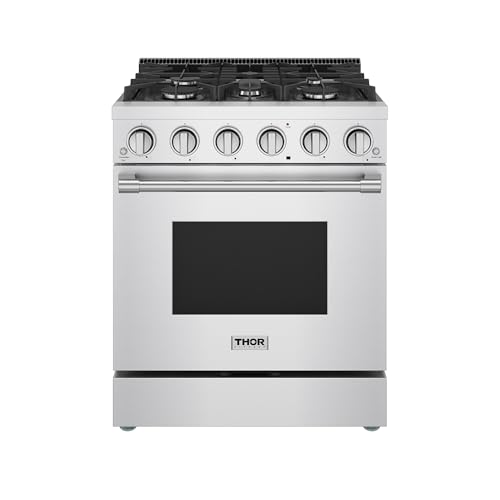
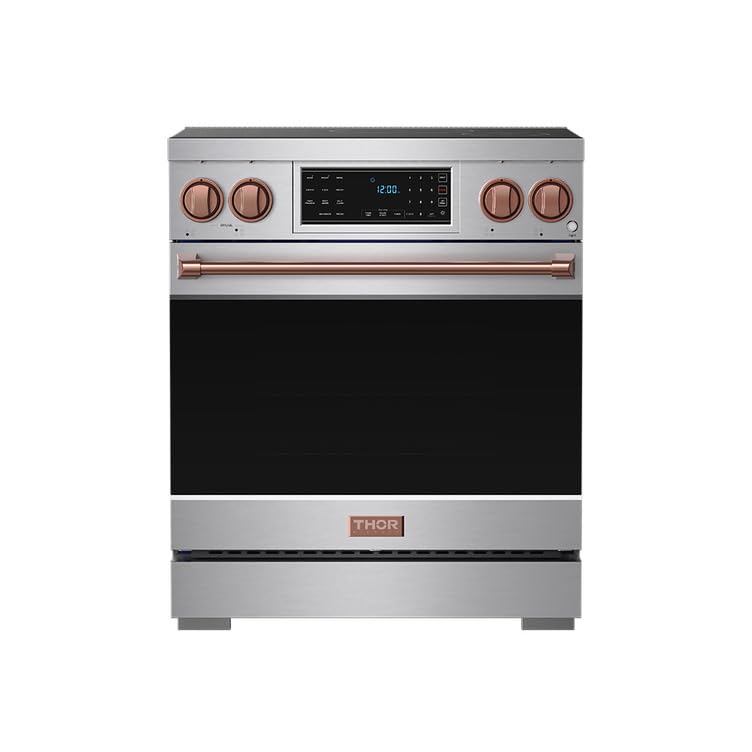
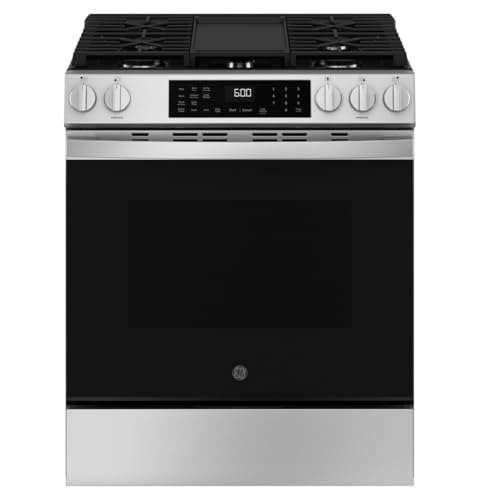

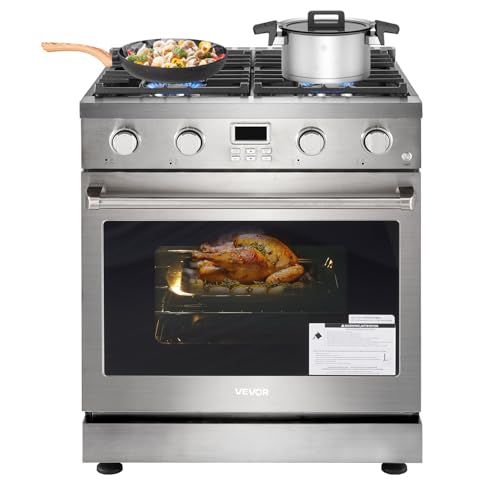

Price Tiers and What Each Level Delivers
Price tiers are the most honest way to shop without chasing brand names. Each level below describes what you generally gain as you spend more, so you can decide where your own cooking benefits stop.
Entry Level Tier
Entry level ranges, often under $1000, give you four burners, a single oven around 5 cubic feet, and basic bake and broil settings. You can expect coil or smooth top electric elements or standard gas burners, manual cleaning, and simple knob controls. For first apartments, rentals, and light cooking, this tier covers daily needs without extras you may never use.
The limits show up in power and evenness. Boiling a large pot takes longer, and baking on two racks can brown unevenly. If you cook simple meals most nights, those limits may be a fair trade for the lower price and simpler install.
Mid Range Tier
Mid range models, about $1000 to $2500, add a power burner, a true simmer burner, and convection baking in most cases. Oven capacity grows, self cleaning or steam clean appears, and grates and finishes feel sturdier. This is the sweet spot for most home cooks who roast, bake, and host on a regular basis.
You also gain better temperature stability and more flexible burner layouts, such as a center oval burner for a griddle. If you are unsure where to land, start your search in this tier and move up or down only for a clear reason.
Premium Tier
Premium ranges, often above $2500, bring dual fuel designs, double ovens, stronger ventilation needs, and refined controls such as precision temperature probes. Finishes, glide racks, and quiet convection fans improve daily feel, and wider 36 inch formats fit large pans side by side. These upgrades help frequent bakers and large families most.
Premium does not automatically mean better dinners. You still need the right fuel hookup and hood, and repair costs can be higher. Buy this tier for capacity, dual fuel control, or double oven flexibility, not for looks alone. Readers focused on build quality can compare notes in our guide to the best quality ovens as well.
How to Choose the Best Chef Ovens: Buying Guide
Fuel Type: Gas, Electric, Induction, or Dual Fuel
Gas cooktops give instant flame control and work with nearly all pans, while gas ovens can have hotter spots that bakers notice. Electric ovens bake evenly and hold low temperatures well, and smooth top elements are easy to wipe. Induction tops heat fastest and stay cooler around the pan, but they require magnetic cookware.
Dual fuel combines a gas top with an electric oven, a popular chef style compromise. Your existing hookup often decides for you, since adding a gas line or a 240 volt circuit changes the total cost. If you lean gas, our guide to the best gas ovens explains ventilation and burner care in more detail.
Burner Power (BTU) and Element Wattage
Look for one power burner around 18,000 to 22,000 BTU for gas, or a high wattage front element for electric and induction, to boil and sear without long waits. Just as important is a low simmer burner that can hold a gentle heat for sauces, soups, and rice. A range where every burner is medium power feels limiting at both ends.
Check the full burner map, not just the highest number in the headline. Center burners help with griddles and long pans, and bridge elements on induction can join two zones for a roasting pan. Match the layout to the pans you own and use weekly.
Self Cleaning and Steam Clean
Pyrolytic self cleaning burns residue to ash at very high heat, which works well but takes hours, creates strong odors, and heats the whole kitchen. Steam clean uses water and lower heat for a shorter cycle that handles light spills with less smell, though baked on grease may still need hand scrubbing. Many ranges offer both options.
Plan cleaning around your tolerance for heat and fumes, and remove racks if the manual tells you to. Wiping fresh spills after the oven cools prevents most heavy cleaning later. Never use harsh oven cleaners on a self cleaning interior unless the manual allows it.
Cooktop Surface Material
Cast iron grates over gas burners support heavy pots and let you slide pans, but they lift out for washing and can be heavy when wet. Glass ceramic tops look sleek and wipe clean, yet they show scratches and need care with cast iron dragging. Stainless steel trim resists heat and stains around the edges.
Consider who cooks and how carefully pans get placed. Busy family kitchens often prefer sturdy grates, while cooks who value fast wipe downs choose smooth tops. For induction specific layouts, see our guide to the best induction ovens for element sizing advice.
Oven Capacity and Convection
Single ovens around 5 to 6 cubic feet fit most holiday meals, while double ovens split that space into two smaller cavities that preheat fast and cook at different temperatures. Double ovens help when you bake dessert while roasting a main dish, but the lower oven can be too short for a tall turkey. Measure your tallest roaster with its lid on.
Convection fans improve even browning and let you use multiple racks with less rotation. True convection, with its own heating element, is the most consistent version. If you bake weekly, prioritize it over extra preset cooking modes.
Size and Cutout Dimensions (30 inch, 36 inch)
Most homes fit a 30 inch range, while 36 inch models add a burner and wider oven space for serious cooks with room to spare. Freestanding ranges have finished sides and a back panel, so they can sit at the end of a counter run. Slide in ranges have front controls and unfinished sides, designed to sit flush between cabinets for a built in look.
Measure width, depth, and height, plus the distance to the hood and any side wall. Confirm door swing clearance for an island or a tight corner. A small space may suit a separate unit instead, and our guide to the best countertop oven helps renters who cannot replace a range at all.
Types of Chef Ovens
Gas Ranges
Gas ranges pair open flame burners with a gas oven and suit cooks who value instant heat changes and stovetop control above all. They need a gas line, proper ventilation, and regular grate and burner cap cleaning. They are a strong fit for wok cooking, charring peppers, and homes that already have gas service in place.
Electric Ranges
Electric ranges use coil, smooth top, or radiant elements and an electric oven known for steady baking temperatures. They install anywhere with the right circuit and often cost less than comparable gas or induction models. They suit bakers, families who want easy wipe surfaces, and kitchens without a gas line.
Induction Ranges and Cooktops
Induction ranges heat pans directly, so water boils fast and spills do not bake onto a hot surface as easily. The top stays relatively cool, which many parents appreciate, and temperature changes are nearly instant. They suit precise cooks who own magnetic pans or are willing to replace a few pieces, and they pair well with good knives from our guide to the best chef knife sets for fast prep work.
Setup and Care Tips
- Use cookware that matches your cooktop. Flat, heavy bases work best on electric and induction, and magnetic pans are required for induction to heat at all.
- Wipe glass cooktops after they cool. A soft cloth and a gentle cleaner prevent buildup, and lifting pans instead of dragging them reduces scratches.
- Clean grates and burner caps monthly. Soak them in warm soapy water, dry fully, and reseat caps correctly so flames burn even and blue.
- Calibrate oven temperature with an oven thermometer. Many ovens run hot or cool by a small margin, and a simple thermometer tells you how to adjust recipes.
- Level the range at install. An unlevel unit makes cakes slope and pans pool oil to one side, so adjust the feet before your first bake.
Frequently Asked Questions
Do I need a special outlet for an electric range?
Yes, a full size electric or induction range needs a dedicated 240 volt circuit, commonly 40 to 50 amps, matched to local code. It will not run safely on a standard counter outlet. Have an electrician confirm your panel capacity and outlet type before delivery, especially in older homes where the kitchen circuit may have been sized for a smaller appliance.
How long does a chef oven last?
A quality range typically lasts about 13 to 17 years, with gas models often at the longer end of that range. Electronic controls and frequent high heat self cleaning cycles are the parts most likely to need service first. Prompt cleaning, gentle door handling, and fixing ignition or temperature issues early will help you reach the upper end of that lifespan.
Is induction better than gas?
Induction is better for boil speed, low heat precision, and a cooler kitchen, while gas is better for flame based techniques and cooking during a power outage. Your pans and hookups matter as much as preference. If your favorite pans pass a magnet test and you have the right circuit, induction is easy to love. If you char and toss food over flame daily, gas still wins.
What size chef oven do I need for my kitchen?
Choose 30 inches for most kitchens and family meals, since it fits standard openings and full size sheet pans. Move to 36 inches only if your cabinets, hood, and budget support it and you regularly use extra burner space. For double ovens, check the height of each cavity against your tallest dishes rather than trusting total cubic feet alone.
Is convection worth paying extra for?
Convection is worth it for bakers and roasters who use two racks or want crisper skin and more even browning without rotating pans. It adds less value for cooks who mostly simmer and bake single dishes. A practical rule is simple. If uneven cookies or pale roast vegetables bother you now, convection will solve a problem you already feel every week.
Wrapping Up
Start with fuel and size, since those two choices lock in install cost and fit, then compare burner mix, convection, and cleaning style. Use the product table above and the comparison table above to confirm capacity against your largest pans before you order. When those basics line up, best chef ovens reward you with steadier baking and faster weeknight cooking for years.


