Best Chef Knife Sets at Every Price: What Your Money Really Gets You for 2026
Disclosure: We may earn a commission when you buy through links on this page, at no extra cost to you. As an Amazon Associate I earn from qualifying purchases. Learn more

Want the best chef knife sets without overspending? See what each price tier delivers, which upgrades are worth it, and our top value picks.
Buying a block of knives is easy to get wrong, because the box shows twelve pieces while your hand only ever uses three or four of them. The best chef knife sets put the money into a great chef knife, a paring knife and a bread knife, then add useful extras such as shears, a honing rod and safe storage. This guide shows what each price level really buys, which pieces earn their place and which ones only pad the count.
Use the product table below to compare sets by piece count, steel and storage. Then read on to decide how many knives your kitchen needs and how much to spend before you order.
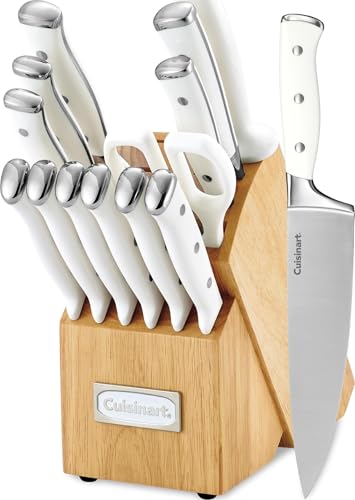
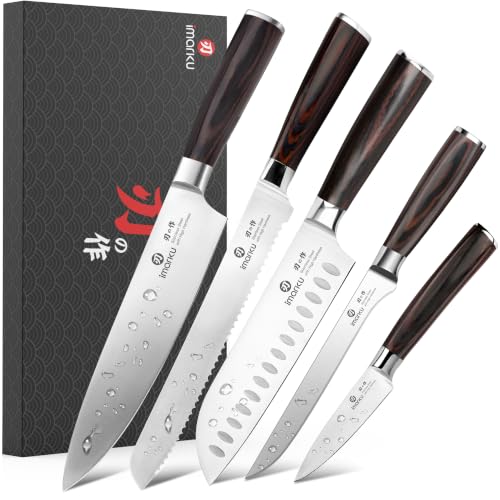

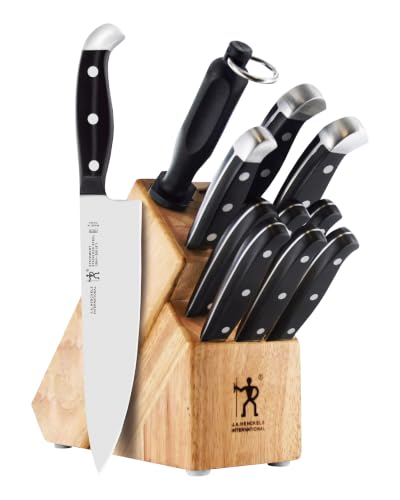
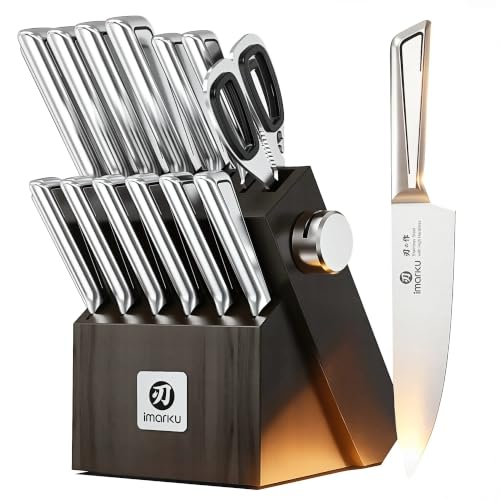

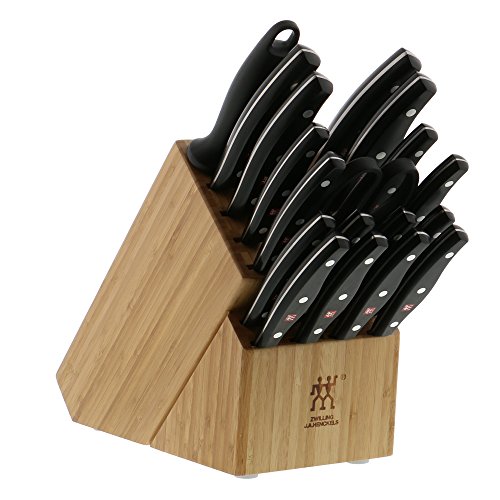
What the Best Chef Knife Sets Contain
A set is worth buying only when most of its pieces will see regular use. Count the knives you would actually pick up in a normal week, then check that the set covers them with decent quality.
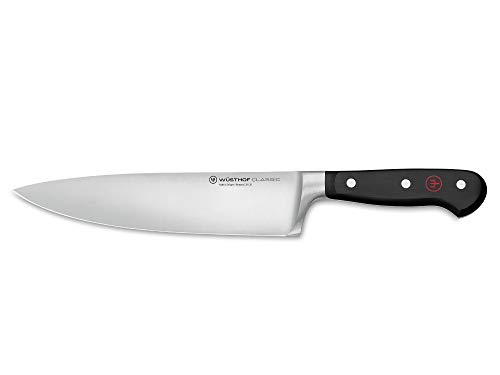
- An 8 inch chef knife for chopping, slicing, dicing and mincing. This is the piece that carries the set.
- A 3 to 4 inch paring knife for peeling, trimming and small detail work.
- A serrated bread knife for loaves, tomatoes and soft-skinned fruit.
- A utility or santoku knife as a mid-size helper for sandwiches and herbs.
- Kitchen shears and a honing rod, which are useful extras rather than filler.
Steak knives and a long list of near-duplicate blades raise the piece count without raising what you can cook. Treat them as a bonus, not a reason to pay more.
What Each Price Level Delivers
Budget Sets
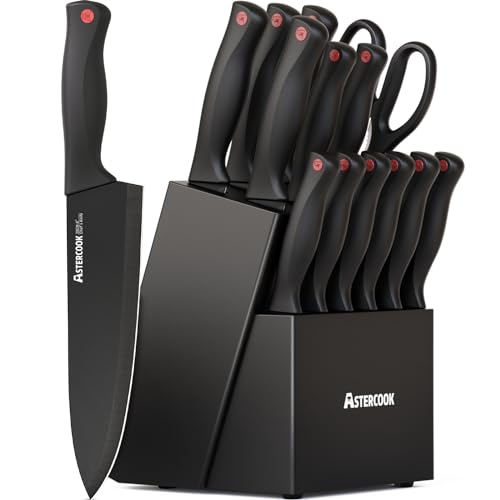
Entry-level sets usually pair stamped stainless blades with molded handles and a basic block. They cut well on day one and suit a first apartment, a dorm or a rental kitchen. The trade-off is edge life, so plan to hone often and sharpen a few times a year. Some budget sets add a built-in sharpener in the block, which is convenient but removes steel from the edge faster than a rod or stone.
Mid-Range Sets
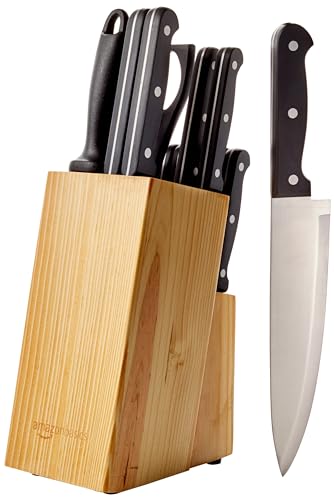
This is where most households should shop. Mid-range sets tend to offer forged or thicker stamped blades, better balance, riveted handles and a block or magnetic strip that suits the counter. Edges hold longer, handles stay comfortable during bigger prep sessions, and the pieces feel like one matched family instead of a bargain bundle.
Premium Sets
Premium sets add harder steel, finer edge geometry, hand finishing and often a longer warranty. They reward cooks who sharpen on whetstones and care for knives by hand. The extra cost buys polish and edge life more than a dramatic jump in everyday cutting, so spend here only if you will notice the difference.
Features Worth Paying For
Forged or Stamped Blades
Forged blades are shaped from a single piece of steel, which usually adds weight, a bolster and a more planted feel. Stamped blades are cut from a sheet, so they are lighter and cheaper. Neither is automatically better. A well made stamped set can outcut a poor forged one, and some cooks prefer the lighter feel.
Steel and Hardness
Softer stainless steel resists chipping and responds well to a honing rod, while harder steel holds a keen edge longer but needs gentler use and a proper stone. High carbon stainless blends sharpening ease with rust resistance, which suits busy homes.
Storage That Protects the Edge
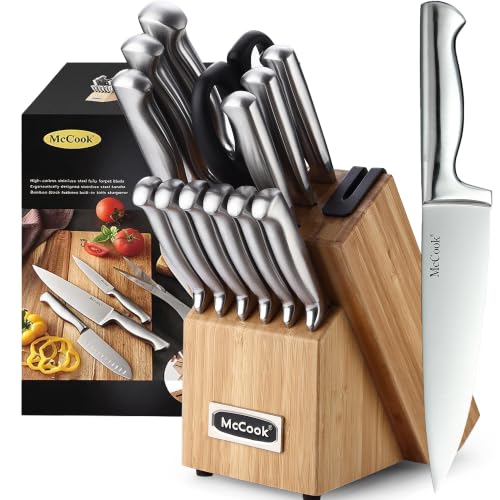
A wooden block keeps knives within reach and protects the edge, but it takes counter space. A magnetic strip frees the counter, and an in-drawer tray suits rentals. A roll bag helps if you carry knives to a second kitchen. Whichever you pick, a loose drawer is the fastest way to dull a new knife.
Handles and Fit
Look for handles that stay secure when wet and fill your palm without cramping your fingers. If two people share the set, a medium handle and neutral balance keep everyone comfortable.
How Many Pieces Do You Really Need?
A small kitchen cooking for one or two is well served by a three to five piece set built around one strong chef knife. A family that cooks most nights gains from seven to ten pieces, including a utility knife, shears and a rod. Sets of fifteen or more only make sense when the extras are knives you would otherwise buy separately, such as steak knives for the whole household.
Care and Cost of Ownership
Hand wash every knife, dry it at once and store it where the edge touches nothing hard. Hone lightly before big prep sessions and sharpen on a stone or through a service when honing no longer restores bite. Use wood or soft plastic boards, since glass and stone dull edges quickly. Budget a little for a stone or a sharpening service, because a sharp mid-range set beats a dull premium one.
Our guide to the best quality knife sets compares tiers further, and shoppers cooking for a family can look at the best knives sets for home chef. If you want a single standout blade first, start with the best chef knife.
Frequently Asked Questions
Can knives go in the dishwasher?
It is best to avoid it. Heat, detergent and rattling against other items dull the edge and can loosen or crack handles. Some makers list their knives as dishwasher safe, but hand washing keeps any set sharp for longer.
Are Japanese knives better than German knives?
Neither is better in general. German style knives are thicker, tougher and forgiving, which suits heavy daily prep. Japanese style knives are thinner and harder, which suits precise slicing but asks for more careful handling. Choose by how you cook and how much upkeep you will do.
How often should I sharpen kitchen knives?
Hone the edge every few uses and sharpen when honing stops helping, which is usually a few times a year for home cooks. Sharpen sooner if tomatoes start to slide under the blade instead of being cut cleanly.
What knives does a home cook really need?
A chef knife, a paring knife and a serrated bread knife cover almost everything. Add a utility knife and shears if you cook often. Anything beyond that is a convenience.
Are expensive knife sets worth it?
They can be, if you will sharpen and care for the knives properly. A premium set mainly buys edge life, balance and finish. For a household that wants reliable daily performance, a mid-range set with a good chef knife is usually the better value.
Our Verdict
For most homes, the best value sits in the middle tier: a set with a forged or sturdy stamped chef knife, a paring knife, a bread knife and storage that fits your counter. Compare the options in the product table above on pieces you will use, then pick the best chef knife sets option that matches your space and your willingness to maintain an edge.