
Best Chef Knife for Gift (2026): Size, Style and What to Include
Disclosure: We may earn a commission when you buy through links on this page, at no extra cost to you. As an Amazon Associate I earn from qualifying purchases. Learn more
How to choose the best chef knife for gift: a safe size, a comfortable handle and easy storage.
A good knife gift lands differently in every kitchen. A couple in a small apartment needs storage that fits a shallow drawer, while a parent cooking for four needs a blade that handles nightly prep without fuss. Choosing the best chef knife for gift means matching the knife to their space, household size, and how much upkeep they will actually do. The comparison table below sums up the main types so you can start with the right shape and steel.
You only need a few clues: their board size, whether they wash tools by hand, and how often they cook.
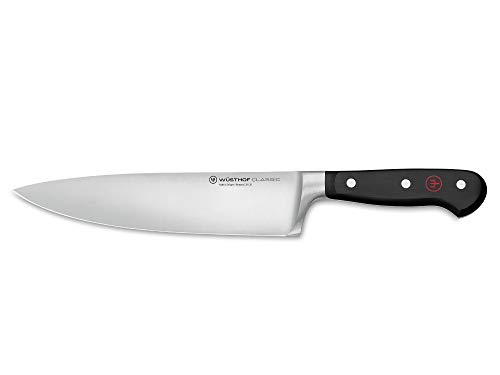


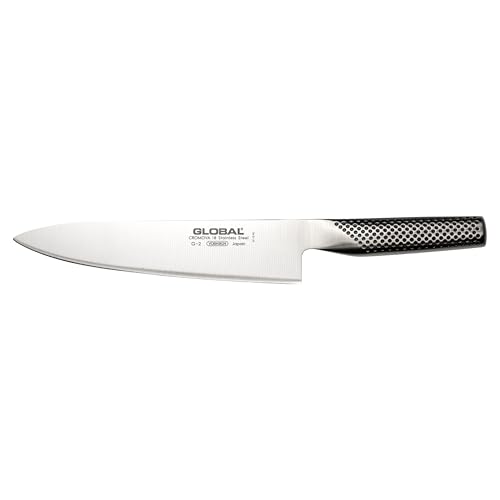

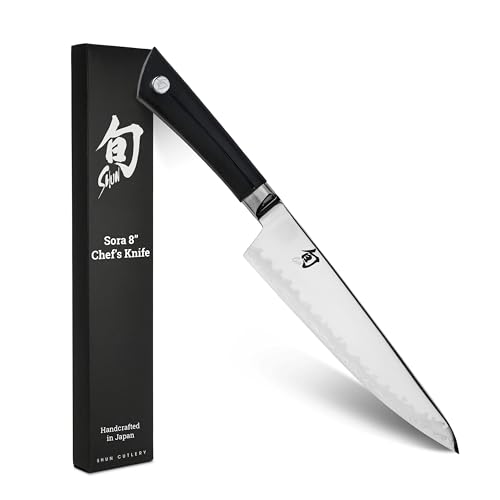
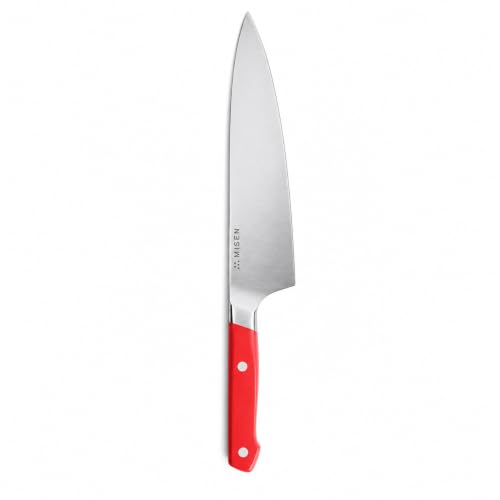
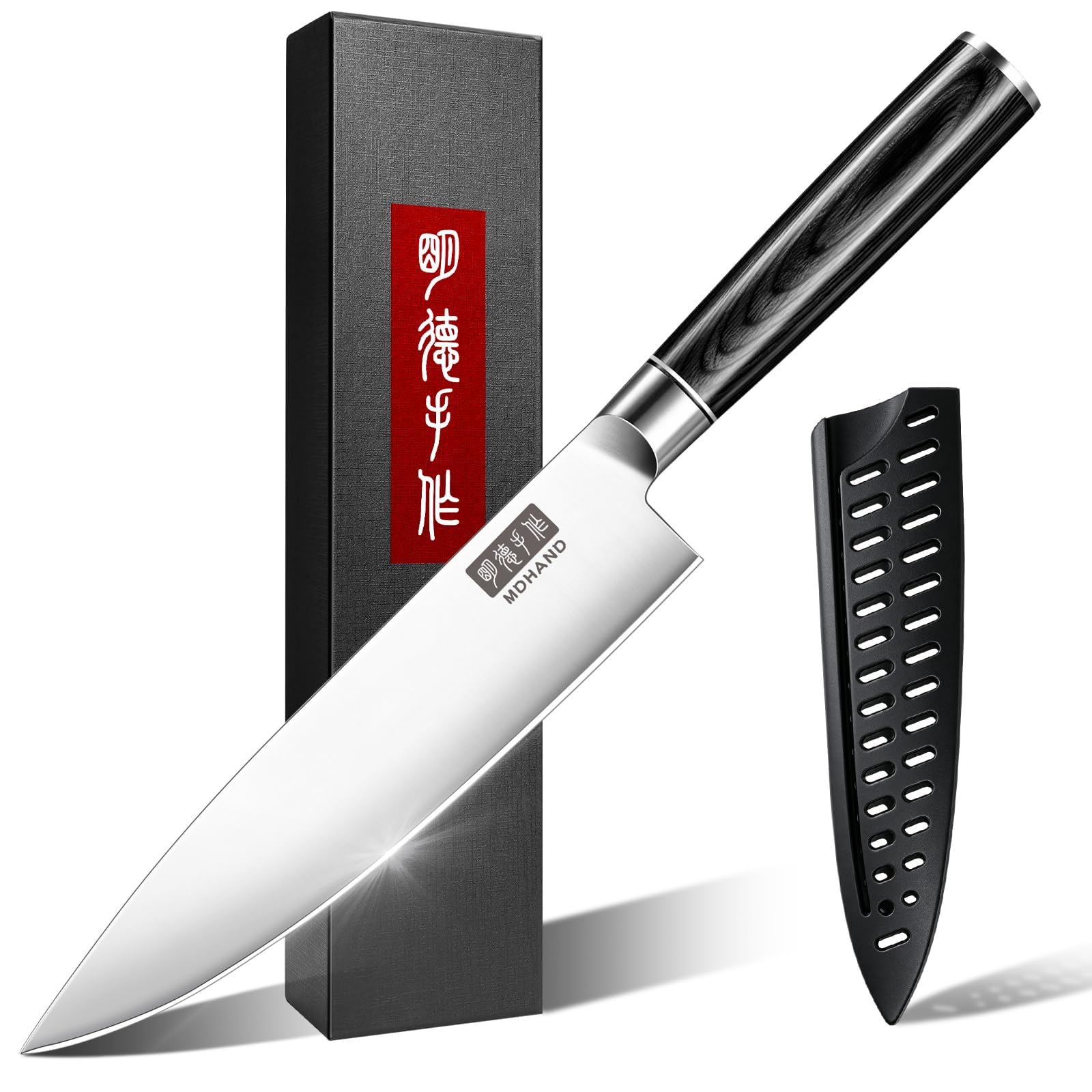
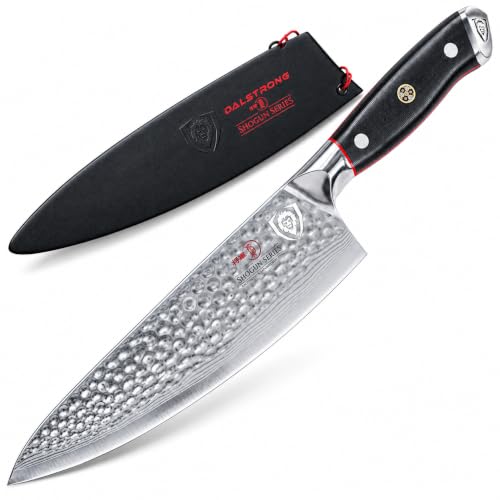
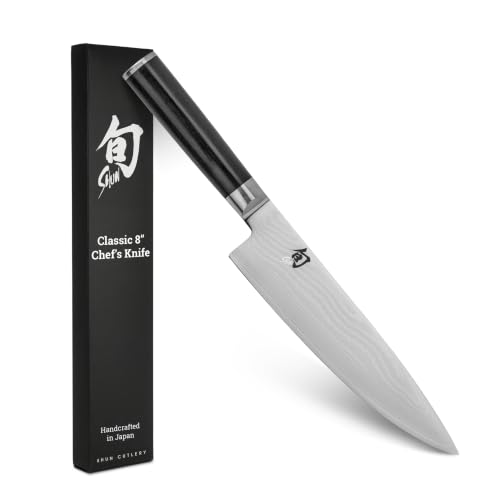
Quick Answer: Three Gift Styles That Cover Most Homes
Think in three styles. A classic 8 inch forged stainless knife suits most homes and most hands. A lighter Japanese style knife suits careful cooks who value a thin edge and precise cuts. A value stainless knife with a sheath suits starter kitchens and second homes. Each style is judged on steel, balance, comfort, and care, not on looks alone.
Before You Buy: A Quick Checklist for Gifting a Chef Knife
Start with what you know about the recipient, then narrow the choices. Our broader guide to the best chef knife covers general buying factors, but a gift adds extra questions. Will they store it safely? Will the handle feel right for their hand size? Would they rather have a tough blade than a delicate one?
Size: Match It to Their Space and Hands
An 8 inch blade is the safest gift size for most adults because it can rock through herbs, slice onions, and portion chicken without feeling clumsy. A 6 inch or 7 inch blade suits smaller hands, compact counters, and modest amounts of produce. A 9 inch or 10 inch blade gives taller cooks more cutting length, but it needs a bigger board and more storage room. Lengths listed as 210 mm and 240 mm match the 8 inch and 9 inch range, so check the stated length before you order.
Which Type Fits Their Routine
German style knives feel sturdy, with a thicker spine and a curved belly that supports a rocking motion. Japanese style knives feel lighter and thinner, with flatter profiles that favor push cuts. Damascus describes a patterned finish, not better cutting, so treat it as a style choice. Carbon steel can take a keen edge but needs prompt drying, while stainless steel resists rust and suits busy homes. Forged blades feel solid, while stamped blades are lighter and cost less. If they often cut long vegetables, our comparison of chef knife vs santoku can help you decide if a different shape fits better.
Features Worth Paying For and Ones to Skip
A fitted sheath is worth paying for because many recipients do not own a knife block, and loose drawer storage dulls an edge fast. A wood handle can look warm and feel secure, though it needs hand washing and drying. Granton style dimples along the blade can help sticky foods such as potatoes release more easily. Skip paying extra for ornate packaging, large sets with pieces they will never use, or decorative finishes that add cost without improving comfort, steel, or storage.
Steel Type and Hardness
Hardness, often shown as HRC on the Rockwell scale, tells you how the edge tends to behave. Many German style stainless blades sit at about 56 to 58 HRC, which makes them tough and forgiving if the edge meets bone by accident. Many Japanese style blades sit at about 60 to 62 HRC, which helps the edge stay sharp longer but makes it less forgiving of twisting or prying. High carbon stainless blends rust resistance with better edge holding than basic stainless. For a gift, moderate hardness is often the wise middle ground.
Blade Geometry: German Style Compared With Japanese Style
Geometry is the shape and thickness of the blade, and it changes how food feels under the knife. A German style profile has more curve near the tip, so the blade keeps contact with the board during a rocking cut. A Japanese style gyuto has a flatter edge and a thinner grind, so it moves through onions and cabbage with less wedging. A thick spine can split dense squash, while a thin blade glides but feels delicate. If this lighter approach sounds right, see our guide to the best japanese chef knife.
Handle, Bolster, and Balance
Handle shape decides whether a knife feels secure during a full session of prep. Rounded handles suit a relaxed grip, while faceted handles can guide finger placement for cooks who like a precise hold. A full bolster adds weight near the fingers and can feel protective, but it can get in the way during sharpening along the full edge. A partial bolster keeps the heel usable and the weight lower. Balance should sit near the point where the blade meets the handle, so the knife does not pull forward or drag backward in use.
Realistic Budget Ranges
Under about $30, expect a stamped stainless blade that works for light daily prep but may need honing more often. From about $50 to $100, you can usually find better steel, a more comfortable handle, and a sheath included. From about $100 to $200, forged construction, refined balance, and longer edge holding become more common. Above about $200, you mostly pay for premium steel and finer finishing. Spending more does not fix a poor fit, so size and comfort should guide you before price does.
Three Types Compared for Different Homes
Instead of chasing a single winner, match the type to the home. The three types below cover common gift situations, from a first apartment to a busy family kitchen.
The Classic All Purpose Type for Most Homes
This is an 8 inch forged stainless knife with a moderate curve, a rounded handle, and hardness in the tougher range. It suits recipients who cook varied meals and do not want a fragile tool. It handles root vegetables, large onions, and whole chickens with confidence. The trade off is weight, since it feels heavier than a Japanese style blade during long prep. For everyday cooks building a core setup, our guide for the best chef knife for home cooks explains how this type fits a typical home routine.
The Lightweight Japanese Style Type for Detail Work
This type pairs a thin gyuto blade with a lighter handle and a flatter edge profile. It suits recipients who cook lots of vegetables, fish, and boneless proteins and enjoy neat, even slices. The thin grind reduces wedging in dense produce, and the lighter weight reduces fatigue during large batches. The trade off is care, since a harder and thinner edge should not pry lids, cut frozen food, or twist through joints. Choose it when you know the recipient treats tools gently.
The Value Type for Starter Kitchens and Second Homes
This type is usually a stamped stainless knife in the 7 inch or 8 inch size, sold with a sheath at a modest price. It suits college graduates, newlyweds setting up a first kitchen, and vacation homes where tools sometimes go missing. Edge holding is shorter than on pricier types, but the blade is easy to replace and simple to maintain. The trade off is feel, since handle and balance tend to be basic. A sharp and safe basic knife still beats a dull decorative one.
Our Selection Process for Gift Worthy Chef Knives
We judge gift candidates on steel and edge retention, balance and ergonomics, sharpness as sold, upkeep demands, and value for the price range. We rely on maker specifications and on patterns in verified buyer feedback about comfort and durability.
Living With It: What Really Matters After the Gift Is Opened
The first week matters more than the first unboxing. A recipient who stores the knife in its sheath, washes it by hand, and dries it at once will keep the edge in far better shape than someone who tosses it into the dishwasher. Board choice matters too, since wood and plastic boards are kinder to an edge than glass or stone. If your recipient is new to a longer blade, our walkthrough on how to use a chef knife covers grip and safe cutting motion.
Household size shapes daily use too. A single cook may reach for a 7 inch blade for quick meals, while a parent may value an 8 inch blade for melons and large squash. The best chef knife for gift fits their actual counter, board, and habits, not the photo.
Common Buying Mistakes to Avoid
- Buying a 10 inch blade for a tiny counter and small board, which makes the knife awkward to use and store.
- Choosing carbon steel for someone who leaves wet knives in the sink, which leads to rust spots.
- Paying for a large block set when they only need one good knife, which wastes money and clutters storage.
- Ignoring hand size and grip style, which can leave a beautiful knife unused because it feels tiring or slippery.
- Skipping a sheath, which dulls the edge in a drawer and raises the risk of a cut when reaching in.
Cost of Ownership and Care
Ownership costs stay low when you plan for basic upkeep. A honing rod costs around $15 to $30 and keeps the edge aligned between sharpenings, while a whetstone costs around $25 to $50 and restores a dull edge at home. Budget for a sheath or magnetic strip if they lack storage, at around $10 to $40. Wash by hand, dry right away, and never leave the knife soaking. Our guide on how to sharpen a chef knife explains angles and grit choice.
Replace a knife only when the edge chips deeply, the handle cracks, or sharpening no longer restores clean cutting.
FAQ
How do you clean a chef knife after cutting raw meat?
Wash the blade by hand right after use with hot water and dish soap, scrubbing both sides and the handle junction where juices collect. Rinse well, dry fully, and store it only once dry. After raw poultry, wash the board and knife separately so juices do not spread to other tools. A dry knife stored in a sheath stays ready and safe.
Is a chef knife worth it as a gift if the recipient cooks only twice a week?
Yes, if you choose an easy care stainless type in the mid range price band. Even twice weekly cooking involves onions, proteins, and produce that a sharp knife makes faster and safer to prep, since a sharp blade grips food instead of slipping. Add a sheath and a honing rod to the gift, because the edge will sit in storage between uses and needs a quick refresh. Skip delicate high hardness blades for this recipient.
How long does a chef knife last in a normal home kitchen?
A sound stainless chef knife can last a decade or more with hand washing, safe storage, and regular honing. The handle often sets the real limit, since glued handles can loosen after years of heat and moisture, while riveted handles tend to stay tight longer. Blade height also shrinks slowly over years of sharpening. If the knife still feels secure and cuts cleanly, age alone is not a reason to replace it.
What is the best chef knife for gift for someone who already owns several knives?
Look for a gap in their current set rather than a duplicate of their main knife. Many home sets lack a thin Japanese style blade, so that type adds real value for vegetable and fish prep. If they already own that, a smaller 6 inch or 7 inch knife fills the quick task role a large blade handles poorly. Ask casually what they wish they had, since keen cooks enjoy being consulted.
Final Thoughts
Match size to their space, steel to their care habits, and handle shape to their hands, and your gift will earn daily use instead of drawer space. The classic forged type suits most homes, the Japanese style type rewards careful cooks, and the value type fills a starter kitchen well. Check the product table above, pick the type that fits their household, and include a sheath if they lack safe storage. Chosen with that care, the best chef knife for gift becomes a tool they reach for every day.

