
Best Chef Knife for Cutting Meat (2026): Blade Length, Steel and Grip
Disclosure: We may earn a commission when you buy through links on this page, at no extra cost to you. As an Amazon Associate I earn from qualifying purchases. Learn more
How to choose the best chef knife for cutting meat: a long clean slice, a secure grip and an edge that lasts.
A whole chicken lands on your board on a Sunday afternoon, and the knife you grab decides whether the job feels calm or messy. If you are shopping for the best chef knife for cutting meat, you need a blade that portions roasts, trims fat, and slices cooked meat cleanly. This guide helps you choose by kitchen space, household size, and budget, and the comparison table below sums up the main types side by side.
This article compares knife types and the features that matter for meat, so you can judge any listing on its size, steel, shape, and handle.
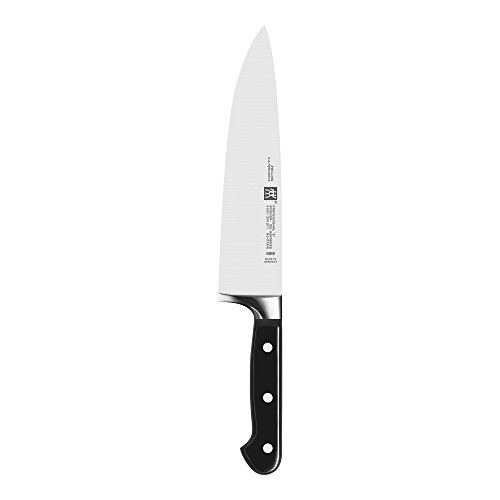

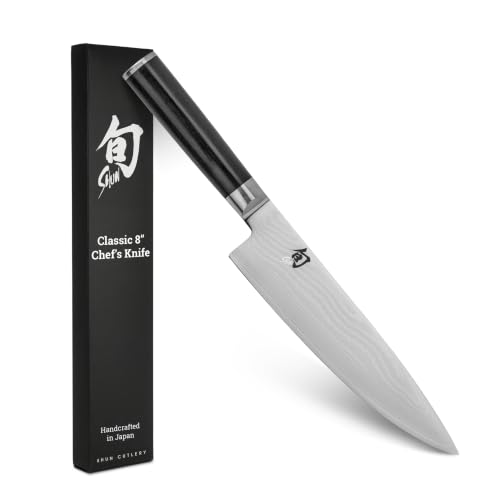
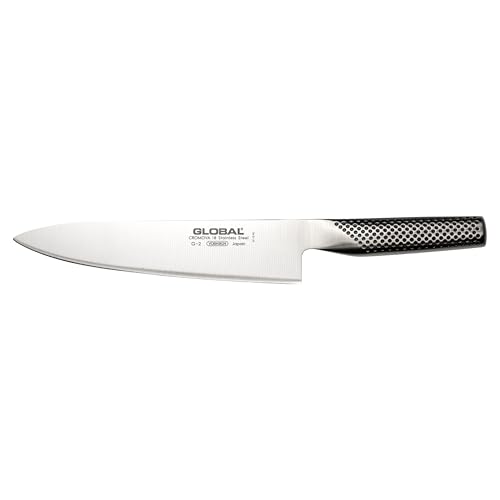
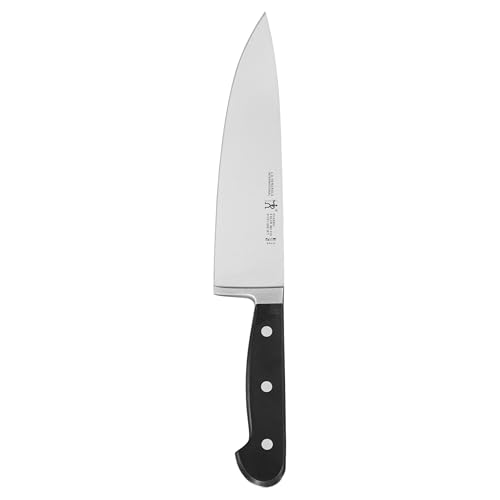
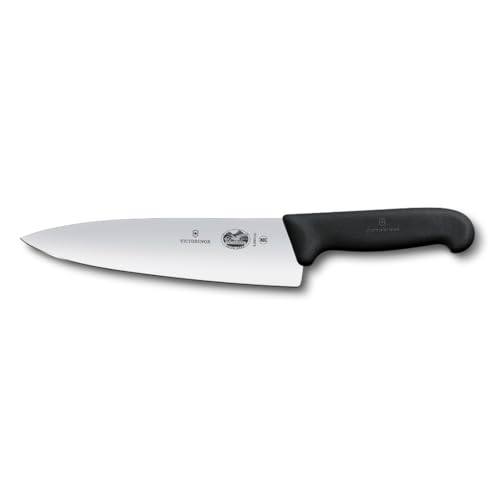


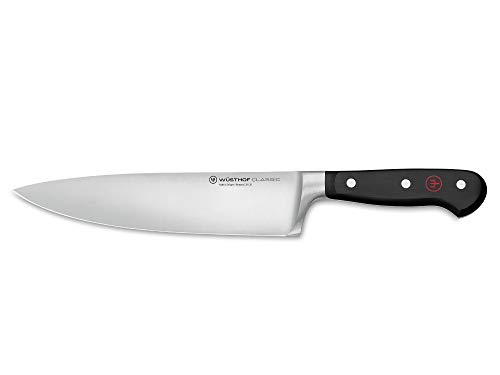
Quick Answer: Three Knife Types for Cutting Meat
Most home cooks choose between three broad types. A German style chef knife has a curved edge and a sturdy blade that suits rocking cuts and tougher trimming work. A Japanese style chef knife, often called a gyuto, has a flatter profile and a thinner edge that suits precise slicing of cooked roasts and raw fillets. A lighter stamped or forged value knife costs less and feels easy to handle for small daily tasks.
Your board size, the cuts you buy most, and how often you sharpen matter more than any label. If you want a broader starting point first, see our guide to the best chef knife for general kitchen use.
Before You Buy: A Quick Checklist for Choosing a Chef Knife for Cutting Meat
Meat work asks specific things of a knife. The blade must be long enough to finish a slice in one draw, thin enough to pass through dense muscle, and secure in a wet hand.
Size: Match It to Your Space
Blade length shapes everything else. A 6 inch or 7 inch knife feels nimble in a small kitchen and suits boneless chicken breasts, small roasts, and trimming work. An 8 inch blade is the most versatile choice for most homes, since it covers whole chickens, pork loin, and medium roasts in single strokes. A 9 inch or 10 inch blade, also listed as 210 mm or 240 mm, helps with large briskets but needs a big board and clear counter space.
Which Type Fits Your Routine
Think about the meat you actually cook each week. If you break down whole birds, trim silver skin, and portion thick cuts, a robust German style blade handles that varied work well. If you mostly slice cooked meat thinly for serving, a Japanese style blade with a finer edge gives cleaner cuts with less drag. Damascus is a patterned finish rather than a performance class, so judge those knives by core steel and thickness.
Features Worth Paying For, and Ones to Skip
A few extras earn their cost for meat work. A fitted sheath or blade guard protects the edge in a drawer and protects your hand when you reach in. Granton dimples along the blade face can help slices of roast release instead of sticking. Skip paying extra for a wood handle purely for looks if you dislike hand care, since wood needs drying and occasional oiling. Skip oversized knife blocks bundled with pieces you will never use.
Steel Type and Hardness
Steel decides how the edge behaves over months of use. Stainless steel resists rust from meat juices and washes clean with little fuss, which suits most homes. Carbon steel and high carbon blends take a fine edge and sharpen easily, but they can rust if left wet. Hardness is listed as HRC on the Rockwell scale. German style blades often sit around 56 to 58 HRC and resist chipping, while Japanese style blades often sit around 60 to 62 HRC, hold an edge longer, and need gentler handling.
Blade Geometry: German vs Japanese
Geometry is about shape, not just steel. German style blades usually have a pronounced belly, so the edge curves up toward the tip and supports a rocking motion when you portion meat on the board. Japanese style blades usually run flatter with a thinner grind, so they favor a straight push cut and long drawing slices. A thicker, curved blade tolerates twisting and small bones better, while a thinner, flatter blade slices with less effort but chips more easily on hard contact.
Handle, Bolster and Balance
Your hand gets wet and slick during meat prep, so grip security matters as much as sharpness. A handle with a gentle swell at the end helps stop your hand sliding forward. A full bolster, the thick band of metal between blade and handle, adds weight and a finger stop, while an absent bolster makes the full edge easier to sharpen. Balance should sit near the bolster area, so the knife feels neutral during long trimming sessions.
Realistic Budget Ranges
Price bands predict what you give up, not just what you gain. Under $30, expect a stamped blade, basic steel, and a handle that suits light weekly use. You will pay about $30 to $50 for better steel and a more secure handle for regular home cooking, and about $50 to $100 for forged blades, better balance, and longer edge life. At about $100 to $200 you gain finer fit and harder steel. Above that, you mostly pay for craftsmanship and finish.
Three Types Compared: Choosing by Meat and Routine
Here is how the three main types line up for real homes.
German Style Knives for Heavy and Varied Meat Prep
Choose this type if your meat prep changes from day to day. The sturdy blade and curved edge handle portioning raw cuts, trimming fat from a roast, and slicing a cooked chicken without feeling fragile. The softer steel sharpens quickly and shrugs off small twists during a cut. The cost is weight and thickness, so fine slicing sessions can feel tiring.
Japanese Style Knives for Clean and Precise Slices
Choose this type if presentation and precision drive your cooking. A thin gyuto glides through cooked roasts and boneless cuts with little tearing, so slices keep their shape on the plate. Hard steel holds its edge through many meals. If this direction appeals to you, our guide to the best japanese chef knife explains the style in more depth. The trade off is fragility, since a hard thin edge can chip on bone or frozen meat instead of bending.
Lighter Value Knives for Small Households and Daily Tasks
Choose this type if you cook meat a few times a week in modest portions and want low cost of ownership. A lighter knife feels less tiring for small hands, and replacing it costs little. Stamped blades vary widely, so check the steel listing and handle shape rather than the price alone. The trade off is edge life and stiffness, since the blade may flex on dense cuts and need sharpening more often.
How to Evaluate a Chef Knife for Cutting Meat
When you shop for the best chef knife for cutting meat, score each listing on the same five points. Check steel and edge retention first, then balance and grip comfort, then how thin the edge geometry looks for slicing. Add maintenance effort, since a knife you dread caring for will sit dull in a drawer. Manufacturer specifications and verified buyer feedback on grip and edge life tell you more than star ratings alone.
Living With It: What Really Matters Day to Day
Daily use reveals things a product page never shows. Notice which task you repeat most, since a knife that feels perfect for a beef roast may feel clumsy for trimming chicken thighs. Storage matters too, since a long blade needs a guard or a block slot that fits. Households cooking for more people benefit from the longer blade, because fewer strokes mean cleaner slices and less sawing on big roasts.
Alternatives help set expectations. A chef knife covers most meat tasks, but it is not a cleaver and not a boning knife. Our explainer on chef knife vs santoku shows where a shorter, flatter blade fits better for vegetables and boneless portions.
Common Buying Mistakes to Avoid
- Buying a blade too long for your board, which leaves no safe room for your guiding hand.
- Choosing the hardest steel for a kitchen that cuts near bone, which raises the risk of a chipped edge.
- Ignoring total ownership cost, since stones, guards, and occasional professional sharpening add up.
- Paying for decorative finishes and large sets instead of one knife with good geometry and grip.
- Assuming a chef knife should cut through joints and frozen meat, which can damage the edge in one use.
Cost of Ownership and Care
Owning the knife costs more than buying it. Budget for a blade guard, a honing rod for weekly alignment, and a whetstone or paid sharpening a few times a year. Our step by step guide on how to sharpen a chef knife covers the stone method at home. Wash it by hand right after cutting raw meat, dry it fully, and store it dry. Hand washing protects the edge in a dishwasher and wooden handles from swelling.
Technique protects both the knife and your results. Let the edge do the work with long strokes instead of pressing straight down through a roast, and keep your guiding fingers curled so the flat of the blade rides against your knuckles. Our guide on how to use a chef knife walks through grip and stance.
FAQ
What should I look for in a chef knife for cutting meat?
Start with length, geometry, and grip. Pick a blade long enough to slice your usual roasts in one draw, a grind thin enough to pass through dense meat without wedging, and a handle that stays secure when wet. Cooks who cut carefully can enjoy harder Japanese style steel, while cooks who want forgiving daily use do better with a tougher German style blade.
How do you clean a chef knife after cutting raw meat?
Wash it promptly by hand with hot soapy water, scrubbing both faces of the blade and the handle joint where juices collect. Rinse, dry it completely, and put it away before handling other food, which lowers the chance of spreading raw meat juices around the kitchen. Never leave it soaking in a sink of water, since hidden blades cause cuts and standing water can stain carbon steel.
How long does a chef knife last with regular home use?
A sound forged or well made stamped knife can serve a home kitchen for many years, often a decade or more, if you hone it, sharpen it when honing stops helping, and store it so the edge touches nothing hard. Life shortens fast with dishwasher cycles, drawer storage without a guard, and use on glass or stone boards.
Is a chef knife enough for cutting meat, or do you need other knives too?
For boneless cuts, cooked roasts, whole chickens, and everyday trimming, one good chef knife genuinely covers the work. A flexible boning knife helps if you break down poultry weekly, and a cleaver helps only for splitting bones. Spend on the chef knife first, and let a few months of cooking tell you whether a second knife would earn its space.
Can a chef knife cut through bone?
No, and trying is the fastest way to ruin a good edge. A chef knife is ground for slicing muscle, fat, and connective tissue, not for splitting joints or chopping through rib and leg bones. A thin edge can chip on bone, while a thicker edge can twist and slip toward your hand. Work around joints by cutting through the soft tissue between them, and leave true bone splitting to a cleaver.
Final Thoughts
The right choice comes back to fit. Match blade length to your board, steel to your sharpening habits, and type to the meat you cook most weeks. When you do that, the best chef knife for cutting meat for your home stops being a mystery and becomes a simple match between tool and routine. Use the product table above to compare types at a glance, then pick the one whose trade offs you can live with happily for years.

