Best Chef Knife for Beginners (2026): Size, Steel and Care Explained
Disclosure: We may earn a commission when you buy through links on this page, at no extra cost to you. As an Amazon Associate I earn from qualifying purchases. Learn more

How to choose the best chef knife for beginners: a forgiving blade, a secure handle and easy upkeep.
Your first good knife often has to share a small drawer, a crowded counter, and meals for people with different skill levels. Choosing the best chef knife for beginners is less about chasing a fancy label and more about matching blade length, weight, and upkeep to your space, household size, and budget. A knife that feels calm and predictable will get used daily.
This guide walks you through size, steel, shape, and handle fit before you spend anything. Use the comparison table below to see how the main types differ, then read on for details that matter at home.
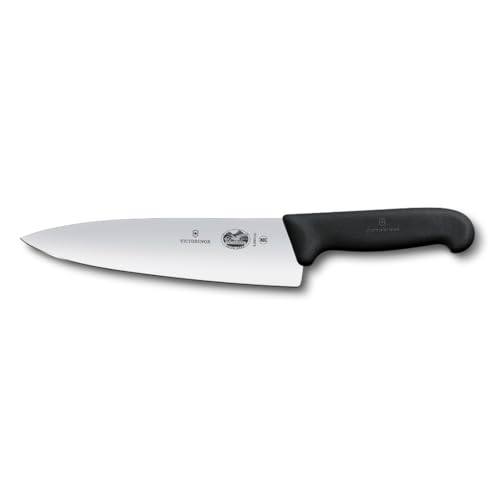
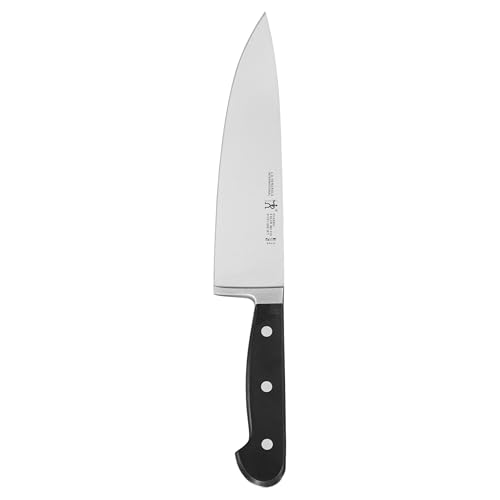
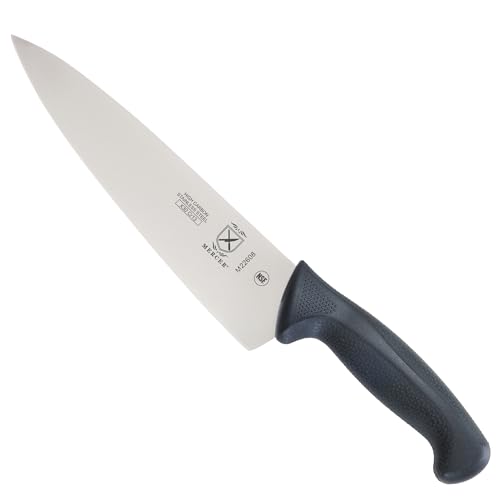
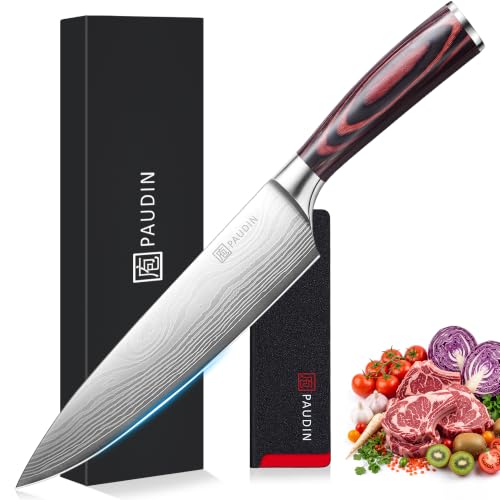
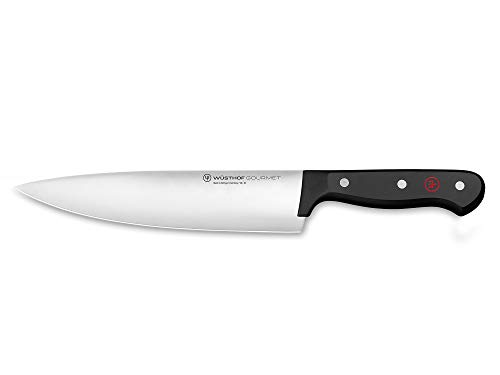

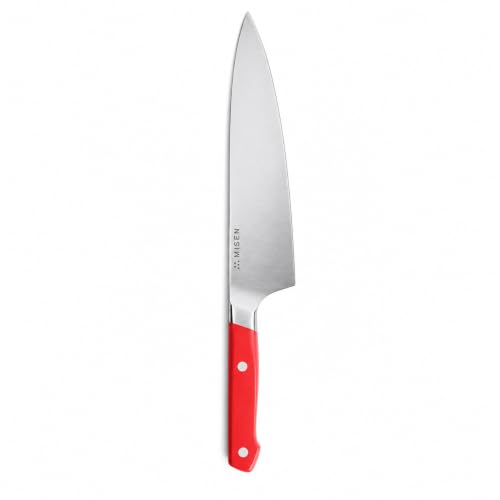

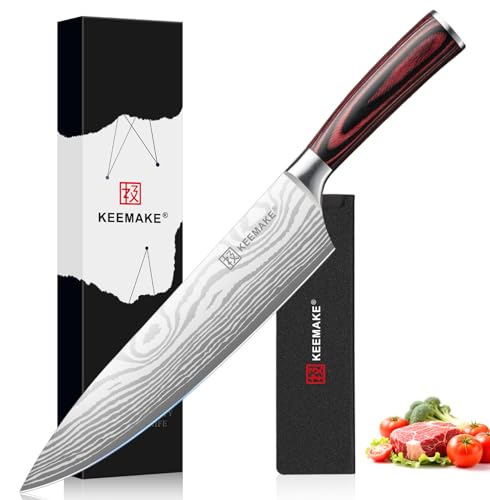

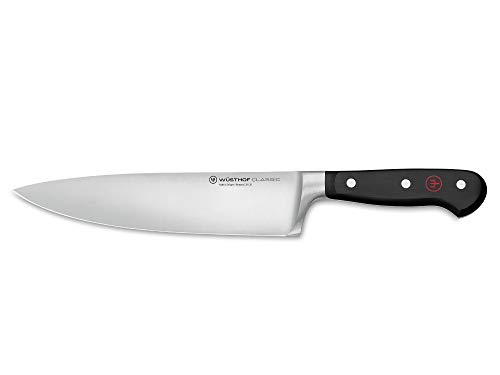
Quick Answer: What to Choose in 30 Seconds
For most homes, start with an 8 inch stainless steel knife with a gently curved blade and a handle that fills your palm without forcing your wrist to tilt. It handles vegetables, boneless meat, and herbs on a standard board. Smaller homes and smaller hands often do better with a 6 inch or 7 inch blade. If you cook for a crowd and have a large board, a 9 inch or 10 inch blade gives you longer strokes and fewer passes. That match is the core of finding the best chef knife for beginners.
Before You Buy: A Quick Checklist for Choosing a Chef Knife for Beginners
Work through the points below in order. Size and fit come first, since no steel can fix a knife that feels awkward every time you pick it up. Steel and shape come next, then extras and budget.
Size: Match It to Your Space
Blade length should match your board, your storage, and the food you cut most. A 6 inch or 7 inch blade suits compact kitchens and cooks who mostly prep fruit, cheese, and small vegetables. An 8 inch blade is the most versatile choice for family meals and fits most blocks and drawers. Blades of 9 inch or 10 inch, often listed as 210 mm or 240 mm, help with large squash, melons, and big batches, but they need a wide board and safe storage room.
Which Type Fits Your Routine
German style knives tend to be heavier, with a thicker blade and a strong curve that suits rocking through herbs and firm vegetables. Japanese style knives, including the gyuto shape, tend to be lighter and thinner, with a flatter profile that suits push cutting and precise slices. Damascus blades add layered steel over a core, mostly for looks. Carbon steel takes a keen edge but needs prompt drying. Stainless steel options resist rust and suit busy homes that want simple daily care.
Features Worth It (and Ones to Skip)
A fitted sheath is worth having if the knife will live in a drawer, since it guards the edge and your fingers when you reach inside. Dimples along the blade can help sticky slices of potato or cucumber release, though plain blades work fine for most foods. Wood handles feel warm and grippy, but they need hand washing and occasional oiling. Skip ornate sets and extra blades you will never use.
Steel Type and Hardness
Hardness is listed as HRC, and it shapes how the edge behaves. Softer steel dulls sooner but is forgiving if the blade twists on a board or meets a bone by accident. Harder steel holds a fine edge longer, yet it can chip if you pry or cut frozen food. For a first knife, a middle range hardness in stainless steel gives you a calm balance of edge life, toughness, and simple sharpening at home.
Blade Geometry: German vs Japanese
Geometry is about thickness and curve, not just the country named on the box. A German profile has more belly, so the tip stays up while you rock, and the thicker spine feels steady on dense root vegetables. A Japanese profile is thinner behind the edge, so it glides through onions and fish with less wedging, but it asks for straighter strokes and a softer board. Our guide to the best japanese chef knife explains that style in depth.
Handle, Bolster and Balance
Hold the knife with a pinch grip, thumb and index finger on the blade just ahead of the handle, before you judge comfort. A full bolster can protect your fingers but may get in the way during sharpening along the whole edge. A partial bolster or no bolster keeps sharpening simple and sheds weight. Balance should sit near the pinch point. If the handle feels too round, too flat, or slippery when wet, keep looking.
Realistic Budget Ranges
Under about $30, expect stamped stainless blades that are light and serviceable, with simple handles and edges that need frequent honing. About $50 to $100 brings forged blades, better balance, and handles that stay comfortable during longer prep. Under $150, steel quality and finish improve, and edges hold up longer between sharpening sessions. Under $200 to under $300, you pay for finer geometry and premium steel. For a first knife, the middle ranges usually give the best value.
Three Types Compared for Different Homes
What helps a new buyer most is comparing types, not model names. The three types below cover the usual ways beginners buy. Compare them against the broader best chef knife category once you know which type fits your kitchen.
Forged German Style in Stainless Steel for Most Homes
This type pairs a curved 8 inch blade with a solid spine and a handle built for a firm grip. It forgives imperfect technique, handles firm vegetables and boneless cuts with confidence, and sharpens easily on a basic stone or rod. The trade off is weight, which can tire smaller hands during long prep. For households that share one main knife among several people, this is usually the safest starting point.
Stamped Stainless Steel With a Simple Handle for Tight Budgets
Stamped blades are cut from a sheet of steel, so they cost less and feel light in the hand. That lightness helps new cooks who feel nervous with a heavy knife, and the thin blade slices soft produce cleanly. The trade off is flex and faster dulling, so plan on honing often and avoid hard rinds and bones. This type suits a tight budget or a small kitchen with light use.
Thin Japanese Style Gyuto as a Long Term Investment
A gyuto in hard stainless steel offers a thin edge, low weight, and precise control for cooks who enjoy careful knife work and mostly push cut. It rewards good habits with clean slices and less hand fatigue on large piles of vegetables. The trade off is care, since the harder edge can chip on bones or frozen food. Choose this type if you cook often and want one knife to grow with your skills.
Our Selection Process for the Best Chef Knives for Beginners
We judged types by steel and edge retention, balance and ergonomics, sharpness from the first use, maintenance needs, and value for the price range. The information comes from maker specifications and patterns in verified buyer feedback about comfort, chipping, and handle fit. Our page on the best chef knife for home cooks compares household priorities in more detail.
Living With It: What Really Matters in a Chef Knife for Beginners
A first knife earns its place through daily ease, not through specs alone. Storage is the first test. A knife that fits your block, magnetic strip, or drawer sheath will be reached for often, while one that is awkward to store gets left loose, which dulls the edge and risks a cut. Think about who else will use it. A shared family knife should feel secure for different hand sizes and should not punish a less careful user with instant chipping.
The second test is your cutting style and board. If you rock through herbs and garlic, a curved profile feels natural, and our explainer on chef knife vs santoku can help if you are torn between a curved blade and a flatter one. If you push cut vegetables, a flatter and thinner blade feels calmer. Either way, a board with room for the full blade length keeps your knuckles clear and your strokes even.
Common Buying Mistakes to Avoid
- Buying a 10 inch blade for a tiny board, which leaves no room for safe strokes and makes storage a daily hazard.
- Choosing the hardest steel you can find, which can chip when a new cook twists the blade.
- Paying for a large set instead of one good main knife, which wastes budget on blades you rarely touch.
- Ignoring handle comfort with wet hands, which raises the risk of a slip during prep.
- Skipping a sheath for drawer storage, which dulls the edge and exposes fingers reaching in.
Cost of Ownership and Care
The purchase price is only part of the cost. Budget for a honing rod, a basic sharpening stone or periodic professional sharpening, and a sheath or block if you do not own one. Wash the knife by hand, dry it at once, and store it dry. Hone lightly and often to keep the edge aligned, and sharpen only when honing stops helping. Our guide on how to sharpen a chef knife walks through angles and stone choice.
Use wood or soft plastic boards, and avoid glass, stone, and metal surfaces that punish the edge. Never use the blade to pry lids or cut bones and frozen blocks. With this simple care, a sound first knife can serve for many years, and the only regular cost is your time and an occasional service fee.
Your Questions, Answered
How do you clean a chef knife without damaging the edge?
Wash the blade by hand right after use, with the edge pointing away from your fingers. Avoid soaking, since long soaks loosen some handle materials and invite rust spots even on stainless steel. Dry the full blade and handle before storage, and never leave the knife loose in a sink of cloudy water where another person could grab it blindly. That last habit prevents most kitchen cuts tied to cleaning.
Is a chef knife worth it if you mostly cook simple meals?
Yes, if your meals involve any fresh produce or meat at all. One versatile blade replaces the struggle of sawing onions with a small dull knife, and safer cuts come from a blade that bites instead of skating. You do not need a premium type to gain this benefit. A value type with a comfortable handle will change daily prep more than an expensive blade that stays in its box.
How long does a chef knife last with home use?
Longevity depends less on the calendar and more on what the edge meets. Knives retired early usually suffered a bent tip from prying, deep chips from bones, or heavy grinding from poor sharpening. Keep a note of when you last sharpened, since a sudden change in how often the knife needs work can signal a damaged edge worth inspecting under bright light before the next use.
What grip should a beginner learn first with a chef knife?
Start with the pinch grip, where your thumb and index finger pinch the blade just ahead of the handle and your remaining fingers wrap the handle. This grip gives you steering control without squeezing hard, which reduces hand fatigue. Keep your guiding hand in a claw shape, fingertips tucked back and knuckles forward. Our walkthrough on how to use a chef knife shows hand placement step by step.
Can a beginner use a chef knife on a glass cutting board?
No, and the reason is feedback you can hear. Glass and stone boards give a harsh clack on contact and roll or chip fine edges very quickly, so the knife feels dull within a few meals. They also offer little grip for food, which lets round items shift. If space forces a small board, choose a compact wood board over a pretty glass one, and cut smaller batches so food stays stable.
Final Thoughts
Start with fit, then steel, then budget. An 8 inch stainless blade with a comfortable handle will cover most home cooking while you build safe habits. The product table above sums up the three types, so compare your space, household size, and care routine against it one last time. When you choose the best chef knife for beginners for your own kitchen, you are really choosing the knife you will reach for without thinking, meal after meal.