
Best Chef Cooktops: A First Time Buyer's Guide for 2026
Disclosure: We may earn a commission when you buy through links on this page, at no extra cost to you. As an Amazon Associate I earn from qualifying purchases. Learn more

Shopping for the best chef cooktops for the first time? Learn key terms, compare fuel types and sizes, and avoid common mistakes with this simple guide.
Buying your first serious cooktop can feel confusing because the labels mix fuel types, sizes, and power numbers all at once. This guide walks you through best chef cooktops in plain language, starting with the basics and ending with a simple way to choose. You will learn what the specs mean, what matters for daily cooking, and what you can safely ignore.
Start by looking at the comparison table below to see how widths, burner counts, and fuel types line up side by side. Then use the sections that follow to match those options to your kitchen, your cookware, and the way you actually cook on a busy weeknight.

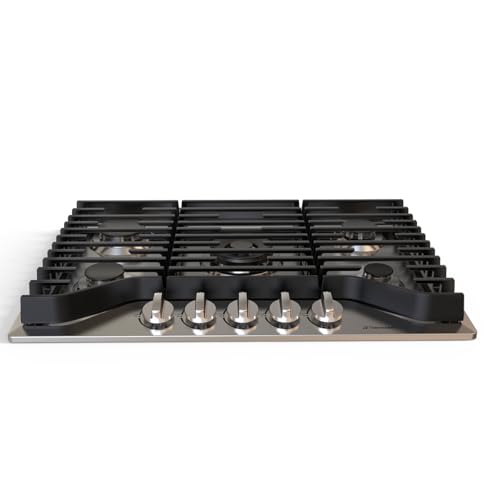
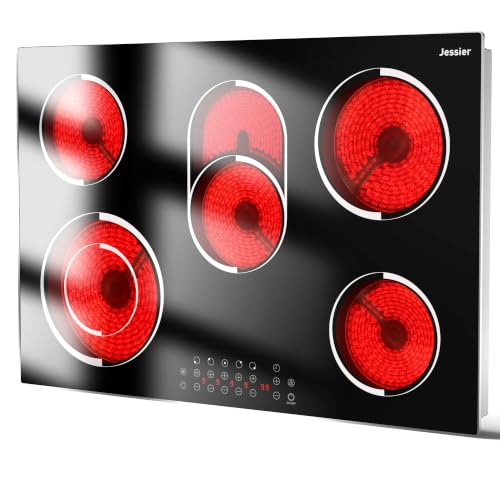

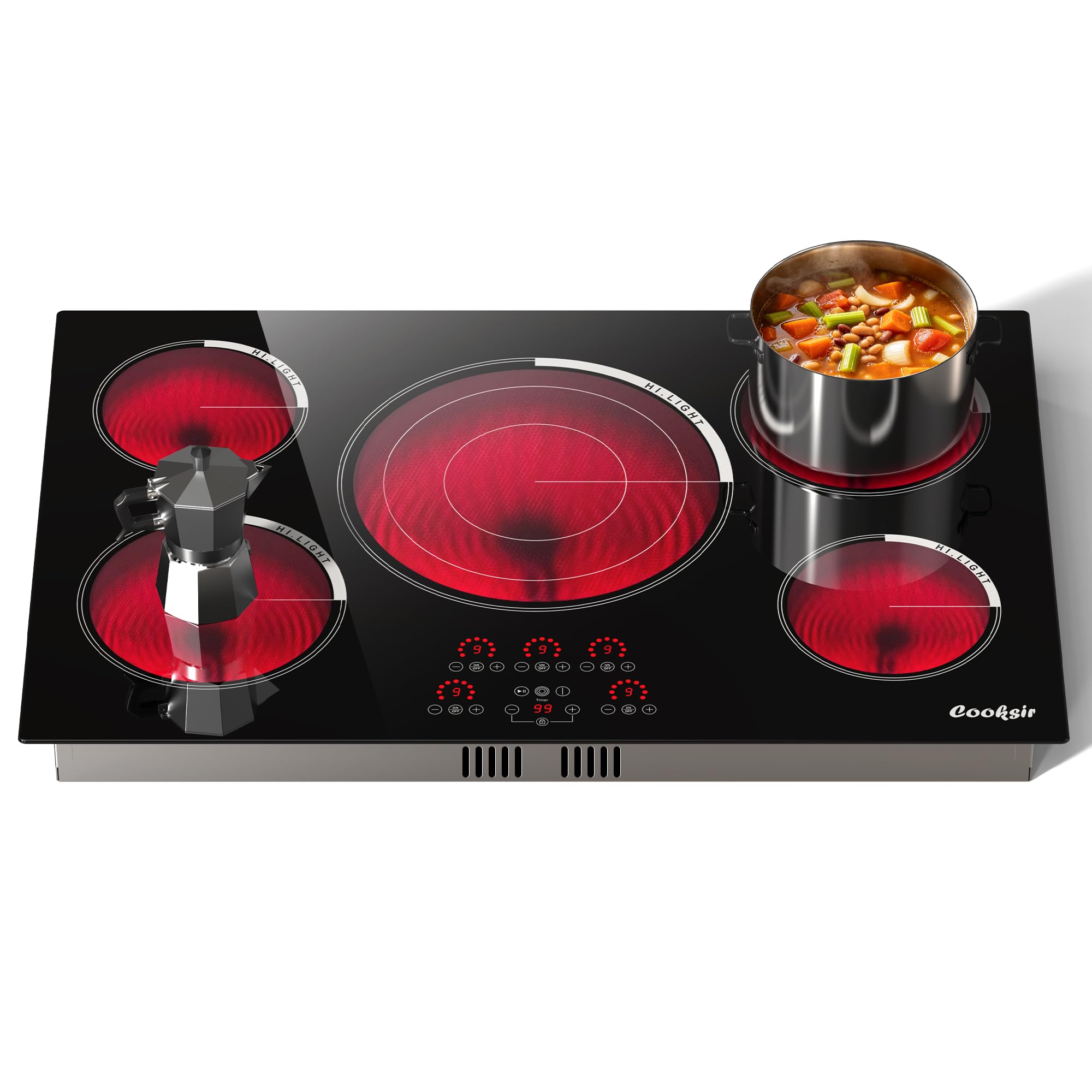
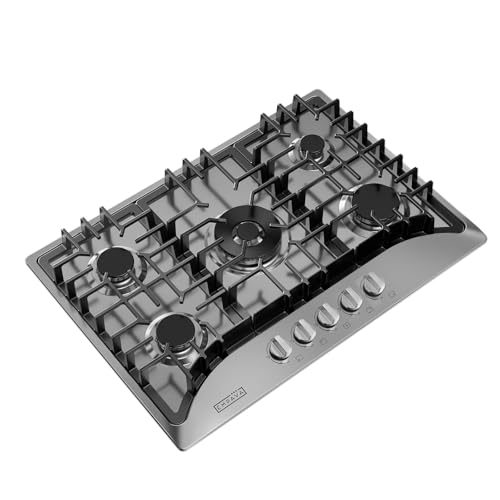
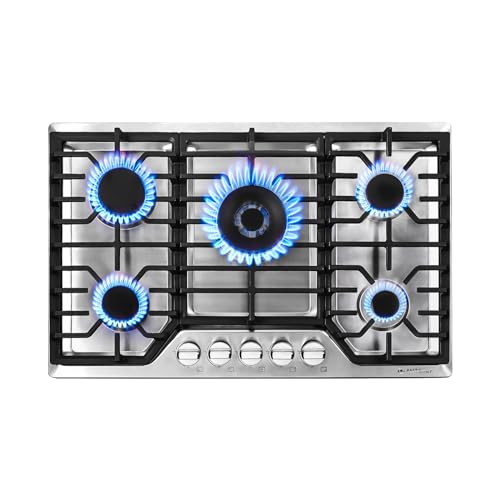
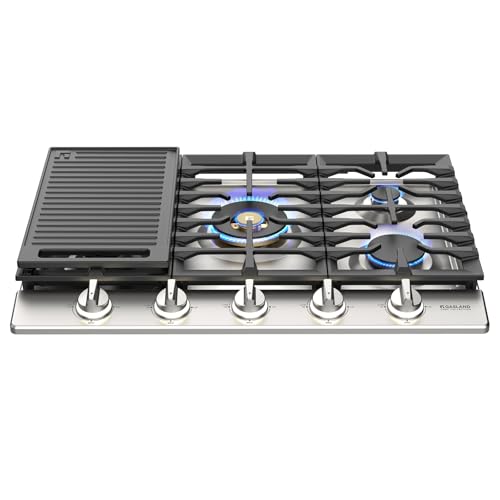


Chef Cooktops 101: The Basics
A chef cooktop is a cooking surface with stronger burners and more control than a basic builder model. Some units are cooktops only, set into a counter with a separate wall oven below or nearby. Others are part of a full range that combines burners on top with an oven below in one freestanding or slide in unit.
The core job is the same in every design. You need enough heat to boil water and sear, enough low heat to hold a sauce without scorching, and enough space to use two large pans at once. Terms like BTU, convection, and dual fuel simply describe how the unit delivers that heat and how evenly the oven bakes.
For a first purchase, focus on three questions. What fuel does your kitchen already support, what width fits your cutout, and how many burners do you truly use at one time? Answering those three questions narrows the field far more than any extra feature list.
Key Specs Explained in Plain English
Fuel Type: Gas, Electric, Induction, or Dual Fuel
Gas gives you instant flame changes and works with almost all cookware, but it needs a gas line and good ventilation. Electric coil and smooth top models cost less to install and are common in rentals, though they change temperature more slowly. Induction heats pans directly with magnets, so it is fast and precise, but your pans must be magnetic to work.
Dual fuel pairs a gas cooktop with an electric oven, a mix many serious home cooks like for searing plus even baking. Installation cost is the deciding factor for many first time buyers. If you need new wiring or a new gas line, add that cost to the price before you compare models.
Cooktop Surface Material
Glass ceramic surfaces look clean and wipe down easily once they cool, but they can scratch if you drag rough pans across them. Cast iron grates over gas burners feel sturdy and let you slide heavy pots, though they need regular scrubbing to remove baked on grease. Stainless steel surrounds resist heat well and match many kitchens.
Think about your cleaning habits as much as the look. A smooth surface you wipe after every meal will stay nicer than a grate system you dread taking apart. If you cook with large stockpots often, check that grates feel stable and do not rock when you set a full pot down.
Controls and Smart Features
Knobs are simple, tactile, and easy to use with wet hands, which is why many cooks still prefer them. Touch controls give a flat surface that is easy to wipe and often include timers and lock settings for homes with children. Both can work well, so choose the style you will not fight during a busy dinner.
WiFi and app features can send alerts when a timer ends or let you preheat from another room. They add convenience but not cooking power, so treat them as a bonus rather than a reason to buy. Air fry mode in the oven below uses strong convection to crisp food with less oil.
If you are comparing control layouts, our guide to the best electric cooktops explains touch control layouts in more detail for smooth top shoppers.
Burner Power (BTU) and Element Wattage
BTU measures gas burner heat, while watts measure electric and induction element power. A strong power burner around 18,000 to 22,000 BTU helps you boil large pots and get a hard sear on meat. Numbers alone do not guarantee speed, since pan size and material also affect how fast water heats.
Low heat matters just as much. A simmer burner that can hold around 1,000 to 5,000 BTU lets you keep sauces and melted chocolate gentle without constant stirring. Look for a mix of one power burner, one or two medium burners, and one true simmer burner rather than four burners that all do the same thing.
Oven Capacity and Convection
When a cooktop is part of a range, oven capacity is listed in cubic feet. Around 5 to 6 cubic feet fits a large turkey and a side dish for most families, while smaller ovens around 4 to 5 cubic feet suit couples and small kitchens. Measure your largest sheet pan and roasting pan before you decide.
Convection uses a fan to move hot air, which helps cookies and roasted vegetables brown more evenly on multiple racks. True convection adds a heating element near the fan for even better consistency. If you bake often, it is worth prioritizing, and our overview of best cooktops and ovens covers paired units in more depth.
Shoppers who want the strongest sear and boil performance can also read our guide to the best performing cooktops for a closer look at power focused models.
Rookie Mistakes to Avoid
- Skipping the cutout measurement. A cooktop that is even half an inch too wide will not drop in, so measure the opening, not just the old unit sitting above it.
- Buying power you cannot vent. Strong gas burners need a hood that moves enough air, or your kitchen will fill with heat and cooking smells.
- Ignoring cookware compatibility. Induction will not work with plain aluminum or glass pans, so test your favorite pans with a magnet before you order.
- Choosing size by burner count alone. Five crowded burners can be less useful than four well spaced burners that fit large pans together.
- Forgetting install costs. Gas lines, 240 volt outlets, and counter cuts can add a lot, so get a quote before you commit to a fuel switch.
Getting Started: Setup and First Use
After delivery, inspect the surface for chips or cracks before the install team leaves, and keep the manual where you can find model and serial numbers. Remove all packing film, wash grates and burner caps in warm soapy water, and dry them fully before the first use. Run the oven empty on a moderate bake cycle if the manual advises it, to burn off factory oils with windows open.
Use cookware that matches your cooktop. Flat bottom pans sit best on electric and induction, and heavy pans with thick bases spread gas heat more evenly. Wipe glass cooktops after they cool with a soft cloth, since sugary spills get harder to remove after the next heating cycle.
Complete your station with tools you will reach for daily. Many new cooks pair a new range with our guide to the best chef knife sets so prep and cooking improve at the same time. Start with simple meals the first week while you learn how your burners run hot or gentle.
Frequently Asked Questions
These answers cover the questions buyers ask most about the best chef cooktops.
Is induction better than gas?
Induction is better for speed, precise low heat, and a surface that stays cooler to the touch. Gas is better if you love visible flame control, use a wok with a round base, or want to keep cooking during a power outage. Neither wins for everyone, so match the fuel to your pans, your wiring or gas line, and your cooking style.
How long does a chef cooktop last?
Most quality cooktops and ranges last about 13 to 17 years with normal home use. Gas models often last toward the longer end because they have fewer electronic parts, while heavy use of self cleaning cycles can shorten oven component life. Cleaning burners, keeping vents clear, and fixing small ignition issues early helps any fuel type reach its full lifespan.
What size chef cooktop do I need for my kitchen?
A 30 inch width suits most homes and fits the standard range opening found in many kitchens. Choose 36 inches if you regularly cook with three large pans, host often, or have the cabinet space without a costly remodel. Always confirm the cutout depth and the clearance to cabinets above, since a tape measure check now prevents an install day surprise.
Do I need a special outlet for an electric range?
Yes, most full size electric and induction ranges need a dedicated 240 volt circuit, often 40 to 50 amps, with the correct outlet type for your home. A standard 120 volt kitchen outlet will not power them safely. If your kitchen lacks that circuit, budget for an electrician visit before delivery day and confirm local code requirements in your area.
Is convection worth paying extra for?
Convection is worth it if you bake on two racks, roast vegetables often, or want faster and more even browning. It is less important if you mainly cook single pan meals on the cooktop and bake only rarely. A useful test is your last month of cooking. If uneven baking frustrated you more than twice, convection will likely feel worth the added cost.
Wrapping Up
For most first time buyers, the right choice comes down to fuel you can install, a width that fits, and a burner mix with one strong burner and one gentle simmer burner. Look back at the product table above and the comparison table above to check those basics first, then let surface material and controls break any tie. Chosen that way, best chef cooktops become a calm, confident purchase rather than a guess.


