Best Cheap Robot Vacuum: A Complete Buying Guide for 2026
Disclosure: We may earn a commission when you buy through links on this page, at no extra cost to you. As an Amazon Associate I earn from qualifying purchases. Learn more
Choose the best cheap robot vacuum with clear guidance on suction, navigation, mopping, price tiers and the features worth paying for in a budget model.
A cheap robot vacuum can keep floors presentable between deeper cleans, but the lowest price tag often hides weak suction, random navigation, or a dustbin so small it fills in one room. The best cheap robot vacuum for your home is the one that matches your floor types, room layout, and tolerance for upkeep. This guide focuses on the specs and trade offs that actually separate a bargain from a regret.
Use the comparison table below to line up the key specs side by side, then read on for buying profiles, the features worth paying for, and the ones you can safely skip. By the end you will know what each price tier buys, what it gives up, and how to care for the machine so it keeps working for years.


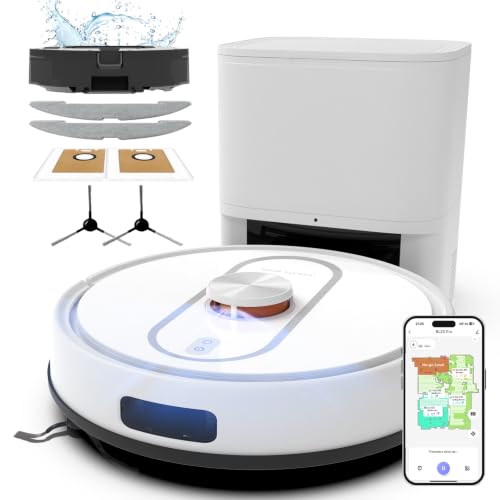

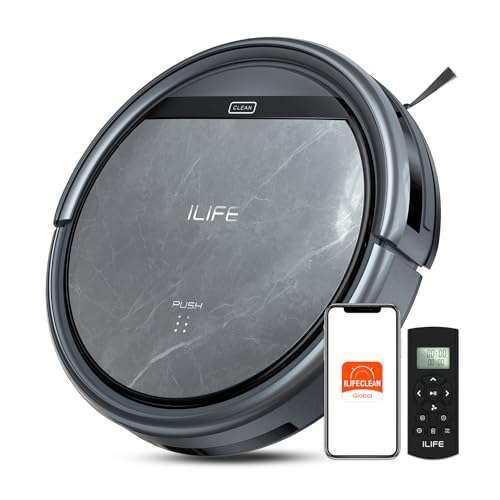
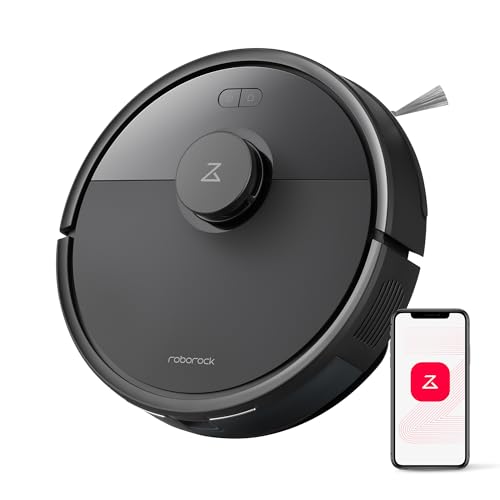
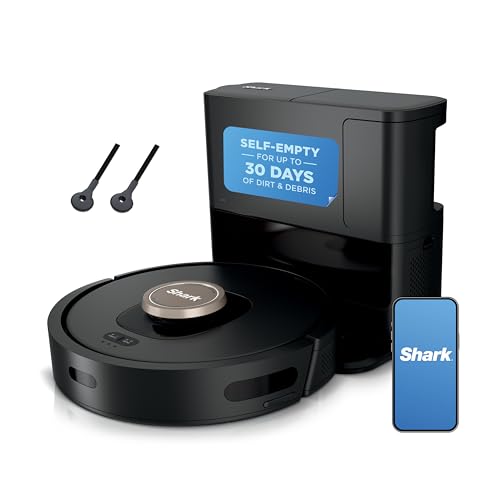
Three Buying Profiles and What to Prioritise
Cheap models differ less in raw cleaning power than in how they navigate and how much attention they demand. Start by deciding which of these three profiles sounds most like your household, because that choice narrows every later decision about navigation, bin size, and mopping.
The Small Apartment Profile
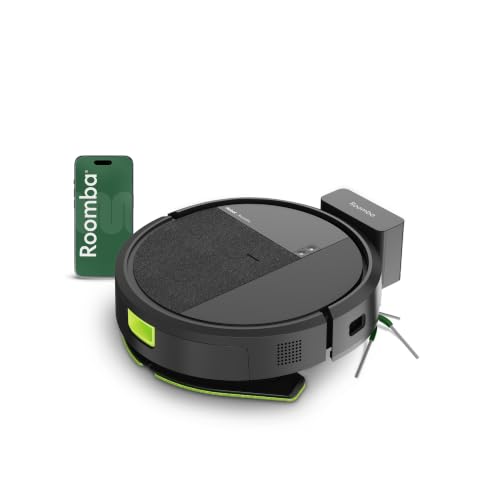
If you clean one or two rooms with mostly hard floors, a slim basic model is usually enough. Prioritise a low body height of about 3 inches so it slides under sofas and bed frames, plus a runtime of at least 90 minutes so it finishes on one charge. Random navigation is acceptable at this size because the space is small enough that missed spots get covered on the next run. Skip mopping add ons and app extras, and put the savings toward a spare filter set instead.
The Pet Owner Profile
Pet hair changes the math, because hair fills bins fast and wraps around brushes. Look for a bin of at least 400 ml, a brush design that resists tangles, and a filter you can rinse or replace cheaply. Stronger suction matters here, and so does a brush roll you can remove without tools for weekly cleaning. Readers comparing hair focused options across all prices can also see our guide to the best robot vacuum for pet hair for the features that matter most with shedding animals.
The Busy Family Profile
In a larger home with mixed floors and daily foot traffic, navigation is the feature that decides whether a cheap vacuum feels helpful or frustrating. Prioritise methodical row by row cleaning, a recharge and resume function, and virtual boundaries so the machine stays out of play areas. A vacuum and mop combo can handle light spills and dust on hard floors, but plan on emptying the bin after every run. Paying a little more for mapping usually saves more time than paying for extra suction.
How to Evaluate Cheap Robot Vacuums
Judge every low cost model against the same short list: suction strength for your floor types, navigation method, dustbin capacity, battery runtime, noise level, and the safety certifications and warranty listed by the maker. Specs from the manufacturer are the starting point, and buyer reviews help confirm whether a model holds up after months of use. When you compare a budget shortlist against the wider best robot vacuum category, you can see exactly which premium features you are giving up and whether that trade matters for your rooms.
Be wary of headline suction numbers quoted without context, because brands measure them in different ways. A model that seals well against the floor and has a well designed brush often cleans better than a higher rated model with poor airflow. Treat any single spec as one clue, not the whole verdict.
How to Choose the Right Robot Vacuum
Type
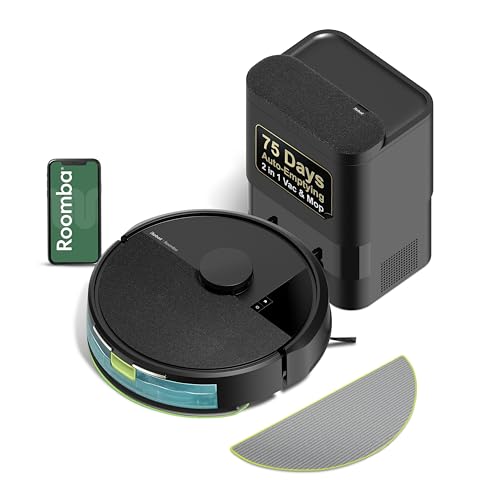
Budget robot vacuums fall into a few broad types. Basic vacuum only models cost the least and simply patrol until the battery fades. Vacuum and mop combos add a water tank and a pad for light hard floor wiping, though they cannot scrub dried stains. Slim models trade bin size for the ability to clean under furniture, while smart models add mapping and room selection through an app. Self emptying models pair the robot with a base that holds weeks of debris, but the base pushes the total price well above the cheapest tier, so most bargain hunters skip it.
Features Worth Paying For
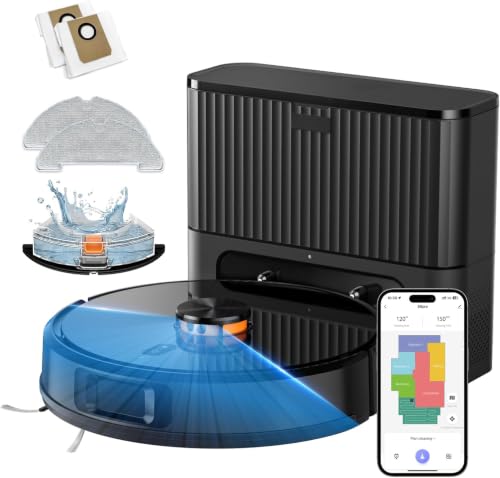
Mapping is the upgrade most buyers feel every day, because the robot cleans in orderly rows, returns to missed rooms, and respects no go zones you draw in the app. Obstacle avoidance helps in homes with cables, shoes, and pet toys scattered on the floor. Automatic mop lifting matters if you have both rugs and hard floors, since it keeps damp pads off carpet. By contrast, voice control, elaborate scheduling, and colour displays add cost without improving cleaning. On hard surfaces, our guide to the best robot vacuum for hardwood floors explains why soft wheels and gentle brush action matter for protecting floor finishes.
Suction, Power and Energy Use
Suction is usually quoted in pascals, and cheap models commonly range from about 1,500 to 4,000 pascals. Hard floors need far less power than carpet, where the brush roll does much of the work by agitating fibres. Most robot vacuums draw modest power while charging, so running one daily costs little compared with a full size upright. Battery size matters more than raw wattage for most homes, and a runtime of 90 to 120 minutes covers the majority of apartments and average sized houses.
Safety Features and Certifications
Look for a listing that shows UL or ETL certification, which means an independent body has checked the electrical safety of the product and its charger. Cliff sensors are standard and keep the robot from falling down stairs, but check them on dark flooring, since very dark surfaces can confuse some sensors. Keep the charging dock on a hard, flat surface away from water, and never use a damaged battery or a charger that was not supplied for that model. Lithium batteries should be recycled through a local collection point when they wear out, never thrown in household trash.
Size, Height and Dock Space
Almost all robot vacuums are round and about 12 to 13 inches across, so width is rarely the issue. Height is what counts, and it ranges from about 2.8 inches for slim designs to about 4 inches for models with a raised navigation turret. Measure the clearance under your lowest sofa or bed before buying, and remember the turret needs room too. The dock also needs a clear patch of floor, with roughly 18 inches of open space on each side and about 4 feet in front, so the robot can find its way home reliably.
How Much Should You Spend?
Under $150 you get basic random navigation, vacuum only cleaning, and a small bin, which suits a studio or a single room. At about $150 to $250, suction improves, brushes handle carpet better, and simple app control appears. At about $250 to $300, mapping, room selection, and reliable recharge and resume become common, and this is where most buyers find the best value. Spending about $300 to $500 adds stronger obstacle avoidance and sometimes a self emptying base, while prices above that move you out of cheap territory altogether. A cheap robot vacuum that fits your floors beats a pricier one bought for features you will never use.
Cheap vs Other Robot Vacuums: Pros and Cons
The honest case for a cheap model is simple. It costs far less, it handles daily dust and crumbs well, and it encourages frequent light cleaning, which keeps floors looking better than a weekly deep clean alone. Replacement parts such as filters and brushes also tend to cost less, and a simpler machine has fewer systems to fail.
The trade offs are just as clear. Navigation is slower and less methodical, suction on thick carpet is weaker, and you will empty the bin and clean the brush more often. Premium models add lidar mapping, self emptying bases, and hot water mop washing, but those extras serve large or complex homes more than small ones. If you are still weighing the bigger question, are robot vacuums worth it, the answer usually depends on floor space and how much floor care you can hand over. For carpet heavy homes, our guide to the best carpet robot vacuum covers the suction and brush features that matter most on pile.
- Pros: low purchase price, low cost filters and brushes, simple controls, quiet enough for daytime runs in most homes.
- Cons: smaller bins, weaker deep carpet cleaning, fewer smart features, and more manual upkeep each week.
How to Make Your Robot Vacuum Last Longer
Most early failures come from neglect rather than defects. Empty the dustbin after each run in a pet home and at least weekly in other homes, because an overfull bin cuts suction and strains the motor. Pull hair from the brush roll and side brushes once a week, and wipe the cliff sensors and charging contacts with a dry cloth so the robot can see edges and dock properly. Replace filters on the schedule the maker suggests, usually every 2 to 3 months with daily use.
Prepare the floor before a run by lifting cables, shoelaces, and small toys, which are the items most likely to jam a brush or stall the machine. Keep the dock in a cool, dry spot, and if you store the robot for a long stretch, charge the battery to about half and switch the unit off. A cheap robot vacuum that gets this basic care commonly lasts 3 to 5 years, and a best budget robot vacuum treated this way often outlasts a neglected premium model.
FAQ
What is the best cheap robot vacuum for most homes?
The best fit for most homes is a mapping model in the about $200 to $300 range with at least 90 minutes of runtime and a bin of 400 ml or more. That combination cleans in orderly rows, finishes average floors on one charge, and needs emptying less often. Homes with a single room can spend less, while large carpeted homes may need the stronger suction found a tier higher.
Are cheap robot vacuums worth it for daily cleaning?
Yes, cheap robot vacuums are worth it if you treat them as maintenance tools rather than replacements for deep cleaning. Run daily, they keep dust, crumbs, and pet hair from building up, so floors look consistently tidy. The new point many buyers miss is scheduling: a midday run while you are out works better than an evening run, because the robot gets a clear floor and you never step around it.
How do robot vacuums work without getting lost?
Robot vacuums combine wheel sensors, bump sensors, and cliff sensors to move around a room, and smarter models add gyroscopes, cameras, or lidar to build a map. Basic models bounce at random angles, which still covers small rooms over a long run. Battery level also shapes behaviour, since most models pause cleaning and return to the dock to recharge before power runs out completely.
How do you clean a robot vacuum properly?
Start with the dustbin, emptying it over a trash can and tapping the filter clean outdoors so fine dust stays outside. Remove the brush roll, cut away wrapped hair with scissors, and wash only the parts the manual marks as washable. One point often missed is the front caster wheel, which collects hair inside its housing and can drag or squeak until you pop it out and clear it.
Do robot vacuums work on carpet and rugs?
Yes, robot vacuums work on low and medium pile carpet, and most raise suction automatically when they sense carpet under the brush. Thick shag and very dark rugs are the usual trouble spots, because brushes can bog down and sensors can misread dark fibres. A practical extra step is to shake rugs outdoors once a month, since robot passes remove surface debris but leave grit that settles deep in the pile. The short version is that pile height decides success, so measure your thickest rug before you buy.
How long do cheap robot vacuums usually last?
Most cheap robot vacuums last about 3 to 5 years, with the battery usually the first part to fade. A fading battery shows up as shorter runs rather than a sudden failure, and many models accept a replacement battery that restores full runtime. Keeping the robot on its dock between cleans, rather than storing it drained, is the simplest habit that stretches battery life.
Final Thoughts
Choosing well at a low price is about matching the machine to your floors, not chasing the longest spec list. Decide your buying profile, insist on the navigation and bin size your home needs, and use the product table above to confirm the details before you order a best cheap robot vacuum for your space. Spend a little more only where it saves you weekly effort, keep up the simple cleaning routine, and a budget model will quietly earn its place in your home.