Best Carpet Robot Vacuum in 2026: Buying Guide and Checklist
Disclosure: We may earn a commission when you buy through links on this page, at no extra cost to you. As an Amazon Associate I earn from qualifying purchases. Learn more

Choose the best carpet robot vacuum by pile height, brush design, suction, mapping and upkeep, with profiles for pet homes and busy households.
Carpet is where robot vacuums either prove themselves or quietly give up. A model that glides across hard floors can stall on thick pile, leave grit deep in the fibers, or spend its battery fighting drag instead of cleaning. Choosing the best carpet robot vacuum means looking past headline suction numbers and judging how the brush roll, wheels, and sensors handle the exact carpet in your home.
This guide walks you through the specs that matter on carpet, the types worth paying for, and the trade offs at each price level. The product table lists current models so you can spot weak options fast. Readers who want a wider view first can start with our guide to the best robot vacuum and then narrow the field using the carpet focused checks here.
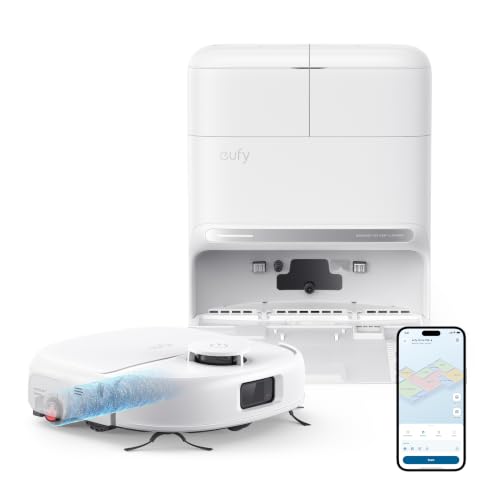
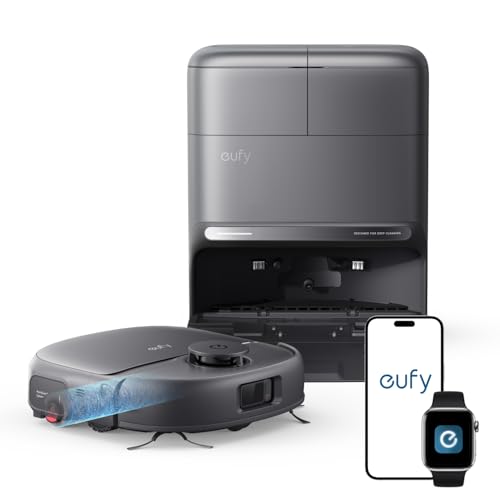
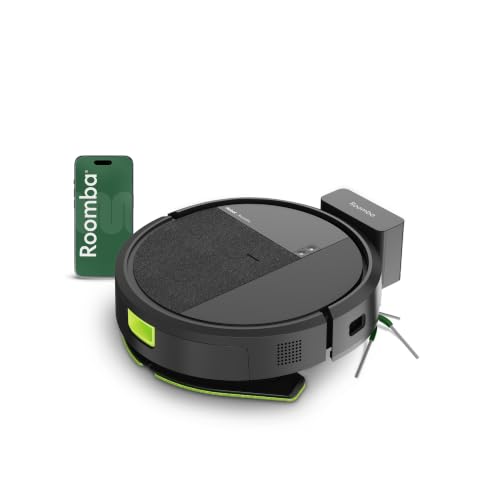
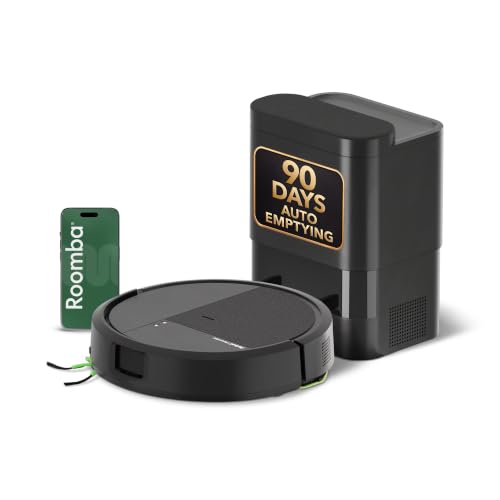
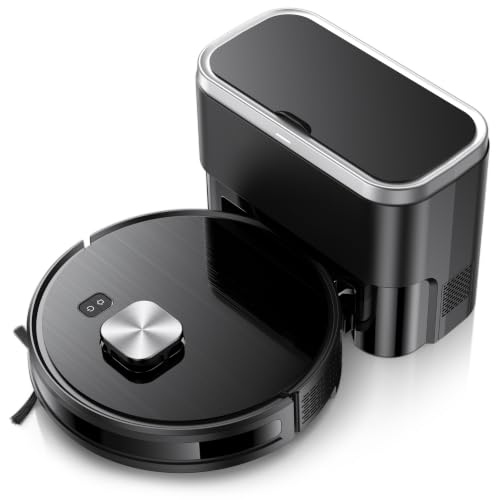
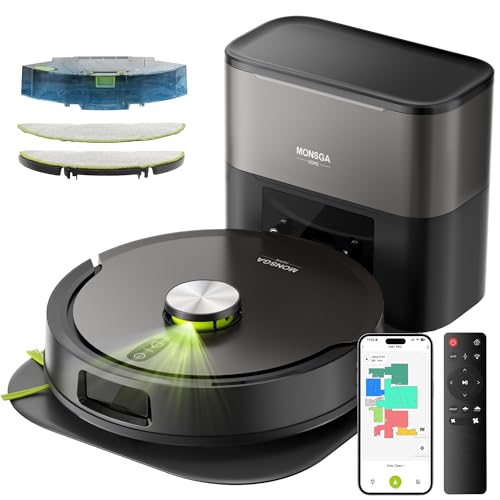

Three Buying Profiles and What to Prioritize
There is no single right answer for every household, because carpet cleaning needs change with pile height, home size, and how much manual work you want to do. Start by matching yourself to one of these three profiles, then use the priorities listed for that profile as you compare models in the product table above.
Homes With Mostly Carpet and Mixed Pile Heights
If most of your floors are carpeted and the pile ranges from flat hallway runners to plush bedroom carpet, prioritize a brush roll that agitates fibers without tangling, plus automatic suction boost when the robot senses carpet. Large drive wheels matter more than slim styling here, because the robot has to climb onto rugs and cross transitions many times a day. Strong mapping also helps, since a floor plan dominated by carpet benefits from room by room scheduling and repeat passes over traffic lanes.
Pet Owners Fighting Hair Deep in the Pile
Pet hair on carpet is a different problem from pet hair on hard floors, because hair works its way down between fibers and a weak brush roll just skims over it. Look for a brush design that resists wrapping, a dustbin or base that holds several days of hair, and a filter you can rinse or replace cheaply. If shedding is your main battle, our guide to the best robot vacuum for pet hair covers hair specific features in more depth, but keep carpet agitation at the top of your own checklist.
Busy Households That Want Maximum Automation
If you want the robot to run daily with almost no input from you, the dock matters almost as much as the robot. A base that empties the bin into a sealed bag or container cuts your chores to a few minutes each month, and a model that washes its own mop pads suits homes that mix carpet with hard floors. Accurate obstacle avoidance also earns its cost here, because a robot that rarely gets stuck can clean while you are out instead of waiting for rescue.
The Criteria That Decide Carpet Results
Carpet results come down to a short list: suction that holds up under load, brush roll design, pile climbing ability, dustbin capacity, noise, ease of cleaning, and the safety listings and warranty behind each type of model. Each point below is framed as a feature to check, so you can apply it to any model you are considering.
How to Choose the Right Robot Vacuum for Carpet
Types of Robot Vacuum and Which Suit Carpet
The main types differ mostly in navigation and in what the dock does for you. Lidar models map your home quickly and clean in orderly rows, which suits large carpeted areas where random bumping wastes battery. Camera based models add object recognition but can struggle in dark rooms.
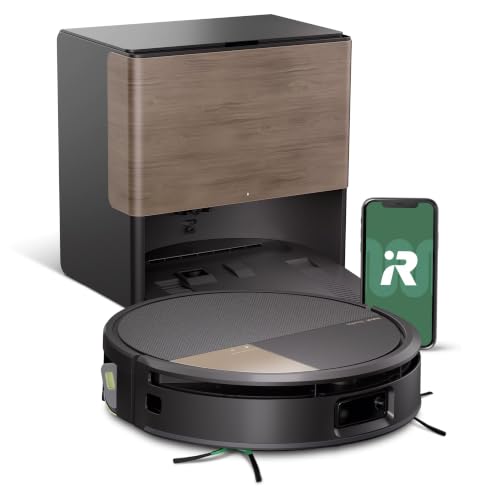
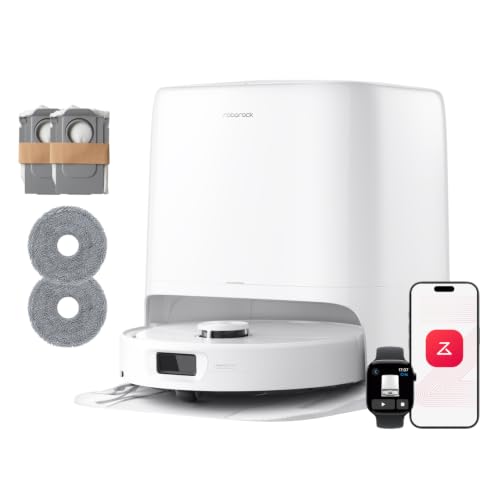
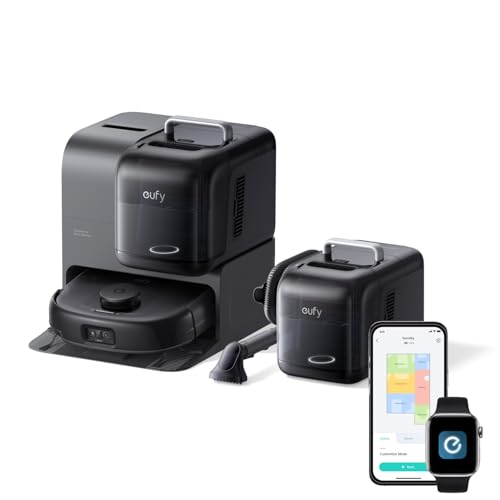
A self emptying type pairs the robot with a dock that pulls debris from the bin after each run. A mop combo adds pads for hard floors and can double as the best robot vacuum for rugs setup in mixed homes, as long as it lifts its pads clear of carpet. Slim budget types fit under furniture well but often lack the brush power carpet needs.
Features Worth Paying For
Four features repay their cost on carpet. Carpet boost raises suction automatically when sensors detect fibers under the robot, so you get deep cleaning without draining the battery on hard floors. Mapping with stored floor plans lets you send extra passes to hallways and living rooms where grit collects.
No go zones drawn in the app protect fragile rug edges and keep the robot out of rooms with delicate items. Auto mop lifting matters if you also mop, because pads that rise several millimeters stay dry and clean above low pile instead of dragging damp fabric across it.
Suction, Power, and Energy Use
Suction is measured in pascals, and carpet models commonly advertise figures from about 2,000 to well over 8,000 pascals. Treat the number as a rough guide rather than a verdict, because brush design and the seal between the robot and the floor decide how much of that power reaches the dirt. A rubber or dual brush setup that stays in contact with the pile often outcleans a higher rated model with a stiff brush that rides on top.
Battery size affects energy use too. Bigger batteries draw more power per charge but finish large carpeted floors in one run, which is usually the more efficient outcome.
Safety Features and Certifications
Look for electrical safety certification from a recognized certification body such as UL or ETL on the robot and its dock, which confirms the charger, battery, and base meet North American safety standards. Cliff sensors are standard and worth trying on your own stairs during the return window. If the dock heats water or dries pads, check that it has automatic shutoff protection. Families with small children should value a physical power switch and app based locks, and everyone should keep charging contacts away from metal objects like coins and keys that could short them.
Size, Height, and Room Fit
Robot height decides which furniture it can clean under, and most models stand about 3 to 4 inches tall, with lidar turrets adding a little extra. Measure the clearance under your sofa and bed frames before you buy, because a robot that cannot get under the bed leaves the dustiest carpet in the house untouched. Dock footprint matters as well. Self emptying bases need floor space plus clearance in front so the robot can align, and they work best on a hard surface next to the carpeted rooms rather than sitting on deep pile where docking can fail.
How Much Should You Spend?
Under $200 you get basic navigation and modest suction that suits low pile in small rooms, and our guide to the best cheap robot vacuum explains what budget models do well. About $200 to $400 adds lidar mapping and carpet boost, which is where most carpet owners find the right balance. About $400 to $700 brings self emptying docks and stronger obstacle avoidance. Above $700 you are paying for premium docks with mop washing, larger batteries, and quieter operation rather than dramatically better carpet pickup, so spend there only if automation is your top priority.
Carpet Focused Models Versus General Robot Vacuums
A carpet focused model directs its budget toward brush agitation, climbing power, and suction that ramps up on fibers. The trade off is that it may be taller, louder at full power, and less refined at mopping. A general model spreads its cost across mopping, slim design, and quiet running, which suits mixed floors but can leave grit behind in medium pile. Many homes sit between the two, and if you are unsure whether the technology suits your floors at all, the answers collected under do robot vacuums work on carpet walk through real pile heights and limits.
Mixed floor homes have one extra check. A robot that excels on carpet still needs to behave on the hard floors in kitchens and entryways, and pad lifting plus gentle edge cleaning decide that. If hard floors dominate your home and carpet is limited to bedrooms, compare the priorities in our guide to the best robot vacuum for hardwood floors and weigh them against the carpet points here. The honest summary is simple: buy for the floor that is hardest to clean, which is almost always the carpet.
Care and Maintenance for Carpet Use
Carpet work fills bins and loads brushes faster than hard floor work, so upkeep is part of the purchase. Empty the bin or check the base bag on the schedule the maker suggests, and pull wrapped hair from the brush roll ends where it hides. Wash or replace filters as directed, because a clogged filter cuts the suction you paid for.
Wipe cliff and carpet sensors with a dry cloth each month, since dust film can make the robot misread pile as an obstacle. Finally, walk the route now and then and move cords and tassels that carpet cleaning tends to catch.
Common Mistakes to Avoid
- Judging by suction numbers alone, when brush contact with the pile decides how much dirt actually leaves the carpet.
- Buying a slim model for thick carpet, when small wheels and low clearance leave it stuck on transitions and rug edges.
- Placing the dock on deep pile, where the robot wobbles during alignment and fails to charge or empty reliably.
- Skipping the clearance check under beds and sofas, so the dustiest carpet in the home never gets cleaned.
- Ignoring filter and brush upkeep, which quietly cuts cleaning power within a few weeks of carpet heavy use.
- Expecting any robot to replace deep cleaning, when carpet still needs an upright or professional clean from time to time.
Frequently Asked Questions
What is the best carpet robot vacuum for thick pile carpet?
The best choice for thick pile is a model with large wheels, strong climbing ability, and a brush roll that floats to stay in contact with uneven fibers. Check the stated maximum threshold height and look for carpet boost that triggers reliably. One point buyers miss is shag length: very long fibers can wrap around side brushes, so a model that lets you remove the side brush or slow it down handles shag with far fewer stalls.
Are carpet robot vacuums worth the cost for homes with mostly carpet?
Yes, for mostly carpeted homes they are usually worth the cost because daily passes keep grit from grinding into fibers between deep cleans. The value comes from frequency rather than raw power, since light soil removed often never becomes ground in dirt. Homes with one small rug gain far less, so weigh the share of carpet in your floor plan before you spend on premium carpet features you may rarely use.
How do robot vacuums clean carpet differently from hard floors?
On carpet the brush roll does most of the work by loosening soil so airflow can lift it, while on hard floors suction and the brush simply sweep debris toward the intake. Sensors detect the surface change and many models raise suction automatically. Carpet also creates more drag, so the same battery delivers shorter runs on thick pile. Planning zones and repeat passes for carpeted rooms, rather than whole home runs, is the practical fix most owners settle on.
How often should you empty and clean a robot vacuum used on carpet?
Empty the bin after every one or two full carpet runs if your model lacks a self emptying base, because carpet debris is bulky and packs loosely. Clean the brush roll weekly in pet homes and every two weeks otherwise. A useful extra habit is checking the front caster wheel, which collects carpet fiber felt that slowly raises the nose of the robot and weakens brush contact long before anything looks broken.
Can a robot vacuum replace an upright vacuum on carpet?
No, a robot vacuum maintains carpet between deep cleans rather than replacing an upright entirely. Robots lack the weight, brush speed, and sealed airflow to extract soil from deep in the backing. Most owners find a rhythm of daily robot runs plus an upright session every one to two weeks keeps carpet looking fresh. If your carpet is new, that routine also protects the warranty, since many makers ask for regular grit removal.
How long do robot vacuums last when used mainly on carpet?
Most robot vacuums last about four to six years, and carpet use mainly wears the brush roll, wheels, and battery faster than hard floor use does. You can stretch that lifespan by replacing the brush and filters on schedule and keeping the battery from sitting empty for weeks. A practical sign of age is declining run time paired with rising noise, which usually points to worn bearings and a tired battery rather than a motor fault.
Final Thoughts
The right robot for carpet is the one whose brush, wheels, and dock match your pile height and your tolerance for upkeep. Compare the finalists in the product table above against the profile that fits your home, check clearances and dock space before ordering, and favor strong mapping and honest suction claims over long feature lists. Chosen that way, the best carpet robot vacuum becomes a quiet daily habit that keeps fibers cleaner for longer, instead of another gadget gathering dust. Prices and availability can change, so check the product page before ordering.