Are Robot Vacuums Worth It in 2026? Here's the Honest Answer
Disclosure: We may earn a commission when you buy through links on this page, at no extra cost to you. As an Amazon Associate I earn from qualifying purchases. Learn more

Are Robot Vacuums Worth It? We break it down with a quick answer, key factors to consider, and practical tips before you buy. Updated for 2026.
Short on time? Here is the honest take. If you are asking yourself, are robot vacuums worth it for your home, the answer is yes if you want cleaner floors day to day with very little effort, and no if you expect one small robot to deep clean thick carpet or replace every other vacuum you own.
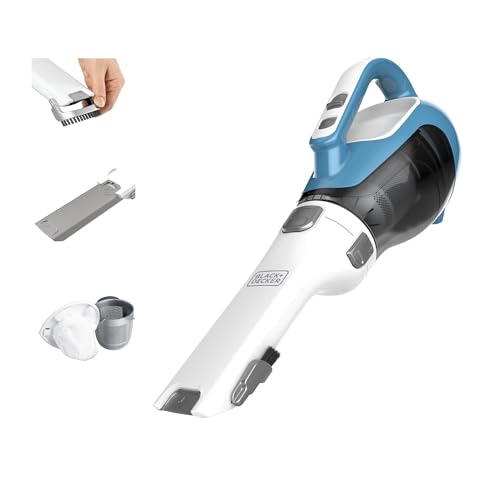
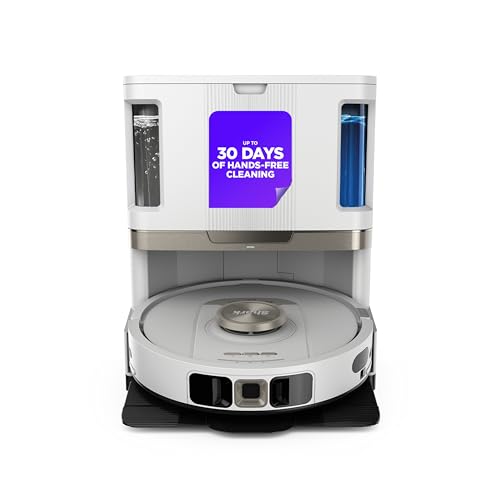
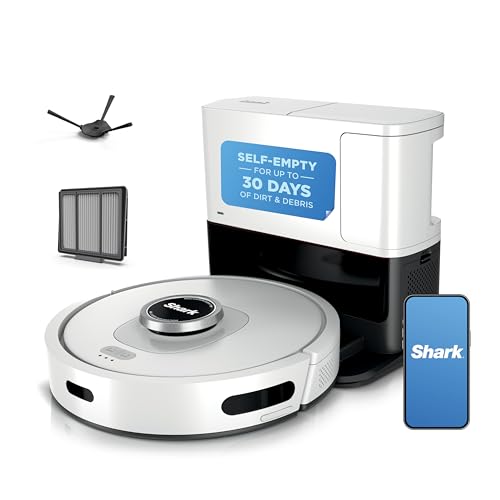
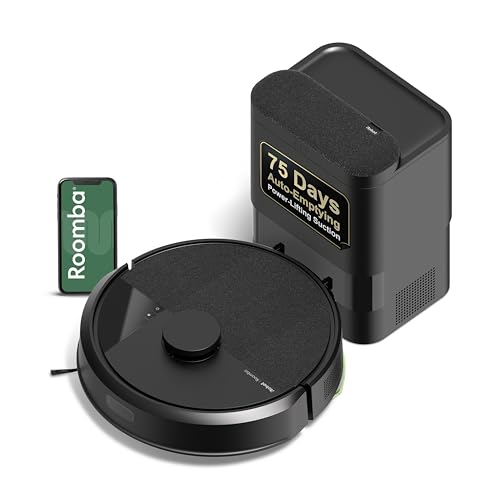
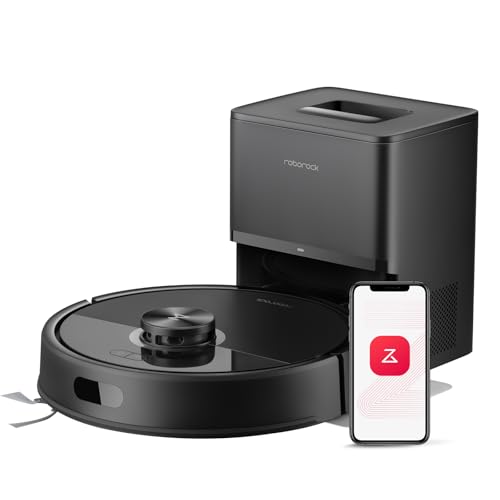
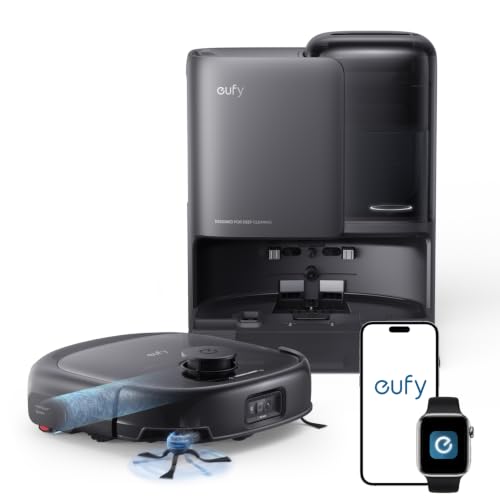
A robot vacuum is a maintenance tool. It keeps dust, crumbs, and pet hair from building up between your deeper cleans, and it does that work while you cook, work, or leave the house. Below, we weigh the pros and cons, break down the costs, and help you judge whether your floors are a good match. The comparison table below sums up the main trade offs at a glance.




The Short Answer
For homes with mostly hard floors or low pile carpet, open layouts, and a habit of letting dust build up between weekend cleans, a robot vacuum earns its keep. It will not match the deep cleaning power of a full size upright, but cleaning a little every day often leaves floors looking better than one big clean each week, because grit and hair never get the chance to settle in.
The robots that deliver that value share a few traits: sensors that stop them dropping off edges, a brush roll that suits your floor type, and mapping that lets them clean room by room instead of bouncing at random. If you want the mechanics behind those features, our explainer on how do robot vacuums work covers how the parts fit together. Households with thick rugs, many levels, or cluttered floors will feel the limits much faster.
Pros
The case for owning one rests on four practical benefits, and all four come down to frequency. A robot that runs often changes how clean your floors feel, even though each single run is gentle.
It cleans little and often
Most floor dirt arrives in small daily amounts: grit tracked in at the door, crumbs under the kitchen table, dust along the baseboards. A robot that runs every day or two removes that layer before it spreads through the house or gets ground into rug fibers. On hard floors, spinning side brushes sweep debris into the path of the main brush, and on low pile carpet the brush roll lifts surface dirt well. Pile height is the main limit here, and our answer to do robot vacuums work on carpet explains where that limit sits for different rug types.
You can schedule it and forget it
Once you set a schedule in the app, the robot starts on its own, cleans, and returns to its dock to recharge. Many owners run it on weekday mornings while the house is empty, so the floors are done before anyone gets home. There is no dragging a machine out of a closet and no cord to manage. That convenience is the real product here: cleaning that happens because it was planned once, not because you found the energy again today.
It reaches under furniture you skip
A robot stands only a few inches tall, so it slides under beds, sofas, and low cabinets where dust collects undisturbed for months. Those hidden areas matter more than they seem, because dust from under a bed drifts out into the room every time air moves. An upright cannot reach most of these spots without moving heavy furniture, so for many homes the robot cleans some areas better than any other tool they own, simply because it is the only one that fits.
It keeps pet hair under control
Pet hair builds up fast, gathering into corners and weaving itself into rugs between weekly cleans. Daily robot runs pick hair up while it is still loose on the surface, which is when it is easiest to remove. Owners of shedding dogs and cats notice the biggest change during heavy shedding seasons, when a missed week used to mean hair on every sock. The robot also handles tracked litter and scattered kibble near feeding spots.
Cons
The limits are just as real as the benefits, and they explain most of the disappointment people feel after buying one. Together, they decide whether a robot fits your home.
It cannot deep clean like a full size vacuum
A robot has a small motor, a narrow brush, and limited suction compared with an upright or canister. Dirt embedded deep in carpet pile, grit in grout lines, and dust on stairs, upholstery, and shelves all stay out of its reach. Think of it as the tool that keeps floors tidy between real cleans, not the tool that replaces them. If your home needs frequent deep cleaning of thick carpet, you will still reach for a bigger machine every week or two.
Your floors need a quick tidy first
Charging cables, socks, shoelaces, and small toys can stall a robot or get dragged across the room. Better models sense and steer around many obstacles, but none of them are perfect, and a tangled cord can end a cleaning run while you are out. In practice this means a two minute pickup before scheduled runs, moving the clutter you would trip over anyway. For tidy homes that habit is trivial. For floors that stay covered in stuff, the robot spends its time stuck instead of cleaning.
The bin is small and the upkeep is yours
A robot bin holds a fraction of what a full size vacuum holds, so in a pet home it can fill during a single run. You will empty it often, tap dust out of the filter, and pull wrapped hair off the brush ends. None of these jobs takes long, but skipping them quietly cuts cleaning performance. Docks that empty the bin for you reduce the chore, though they add to the purchase price.
Cost Breakdown
Upfront prices spread widely. Basic models cost about $150 to $250 and clean in looping, semi random patterns with no map memory. Midrange models run about $250 to $500 and add smart mapping, stronger suction, and the option to send the robot to one room. Premium models run about $500 to $900 and add docks that empty the bin, better obstacle sensing, and in some cases a mop pad for hard floors.
Running costs are modest but real. Expect replacement filters at about $10 to $25 each, side brushes and main brushes swapped once or twice a year, and bags for self emptying docks if you choose that style. A replacement battery after a few years of daily use may cost about $40 to $80. Expected lifespan changes the math a lot, which is why our breakdown of how long do robot vacuums last is worth a read before you stretch for a premium model.
The value question, then, is cost per year of clean floors. A midrange robot that runs five days a week for four years costs very little per clean. If it runs only twice a month because your floors frustrate it, the same purchase looks like a waste. Usage, not price tier, decides whether the money was well spent.
Who Should (and Shouldn't) Buy One
Busy homes that hate the daily crumb trail
If your kitchen floor collects crumbs, cereal, and tracked in dirt every single day, a robot removes the broom work that never seems to end. Parents, people working long hours, and anyone who hosts often get the most from scheduled runs, because the floors stay guest ready without a dedicated cleaning session. The win is not perfection. It is never facing a whole week of buildup at once.
Pet owners with mostly hard floors
Homes with wood, tile, or laminate floors and a shedding pet are close to the ideal case. Hair stays on the surface where the robot can grab it, open layouts let it cover ground without getting stuck, and daily runs keep shedding from winning. Add a dock that empties the bin itself and the routine becomes nearly hands off.
Homes where a robot vacuum will frustrate you
Skip it, or lower your expectations, if your floors are mostly thick shag or plush carpet, if your living space splits across many levels with only a few rooms each, or if small items cover the floors most days. Also think twice if you want one appliance to handle stairs, furniture, and car interiors as well. In those homes the robot becomes a part time helper at best, and the money usually works harder spent on a strong cordless stick.
Alternatives to Consider
A cordless stick vacuum is the closest rival. It cleans stairs, sofas, and car seats, delivers full suction in short bursts, and suits people who would rather do a quick ten minute clean themselves than manage a robot. It stores on a wall mount and asks nothing of your floors before you start. What it cannot do is clean while you are out, and that single difference is the whole case for the robot.
A traditional upright or canister still wins in carpet heavy homes, where deep pile needs real suction and a powered brush every week. For very small apartments with little open floor, a broom and a small handheld may honestly be enough, since a robot needs room to roam before its automation pays off. Many households pair a basic robot for daily upkeep with one of these tools for the heavy work.
FAQ
Do robot vacuums work on carpet?
Yes, on low and medium pile carpet, where the brush roll can agitate fibers and the wheels keep traction. Two details catch people out. Very dark carpet can fool the cliff sensors into sensing a drop, which makes some robots refuse to cross it. Thick shag can bury the wheels and stall the machine. Many models raise suction automatically on carpet, which cleans better but sounds louder and drains the battery faster.
How long do robot vacuums last?
Most last several years of regular use, and the battery is usually the first part to fade. The warning signs are shorter runs, more frequent trips back to the dock mid clean, and rooms left unfinished. You can slow that decline by avoiding long storage with a fully drained battery, since sitting empty for months harms it. When the decline does come, a replacement battery often restores the robot for a modest cost instead of replacing the whole machine.
How do robot vacuums work?
They combine sensors, a spinning side brush, a main brush roll, and suction to pull dirt into a small bin while they navigate. Mapping models build a floor plan during the first runs and keep that map between sessions, which opens up two handy abilities: you can label rooms and send the robot to just one of them, and you can draw no go zones around pet bowls, cable nests, and play areas so it never enters them.
How to clean a robot vacuum?
Empty the bin over a trash can, then tap the filter against the side of the can to knock dust loose, and only rinse the filter if it is marked washable. Pull wrapped hair from the ends of the brush roll, where it hides, rather than the middle. Wipe the cliff sensors and the charging contacts with a dry cloth so the robot can see edges and dock properly. Checking the side brushes for bent or missing bristles takes seconds and keeps edges cleaning well.
Can a robot vacuum replace a regular vacuum completely?
For most homes, no. Stairs, sofas, curtains, mattresses, and car interiors all need a tool you can lift and aim, and a robot does none of those jobs. A small single level apartment with hard floors comes closest to managing with a robot plus a compact handheld for the odd spill and shelf. Everyone else should budget for the robot as a partner to a conventional vacuum, not a full replacement for one.
Final Thoughts
So, are robot vacuums worth it? For the right home, yes. If your floors are mostly hard surfaces or low pile carpet, your layout is fairly open, and daily dust and pet hair are your main enemies, a robot quietly removes one recurring chore from your week. If deep carpet cleaning is your main need, your money belongs elsewhere. Look back at the product table above, and when you are ready to compare current models, our best robot vacuum guide is the place to start.