Best Central Vacuums: A Whole Home Cleaning Guide for New Builds and Retrofits 2026
Disclosure: We may earn a commission when you buy through links on this page, at no extra cost to you. As an Amazon Associate I earn from qualifying purchases. Learn more

Central vacuums clean a whole home from wall inlets, so this guide covers power units, piping, inlets and everyday cleaning, with fit and care tips.
A central vacuum puts the motor in the garage or basement and runs a sealed pipe network to wall inlets, so you plug in a light hose, clean a room and carry nothing heavier than the hose itself. The best central vacuums pull strong, quiet suction through that piping, keep exhaust away from living areas and are simple to empty and service.
The product table above lists power units to compare, and the sections below explain how to size one for your house, what the pipes and inlets cost and what daily use looks like.
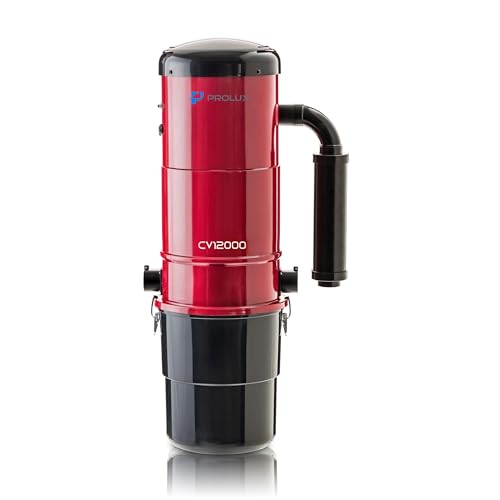

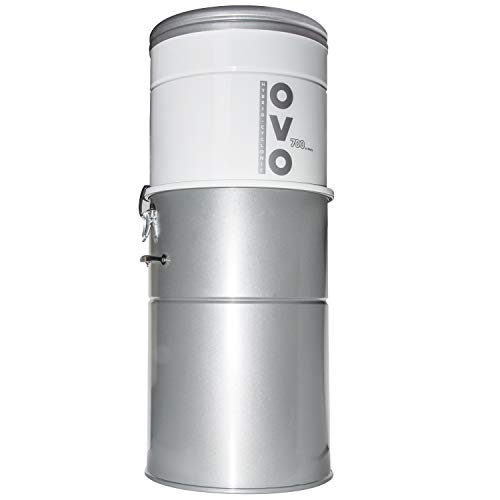

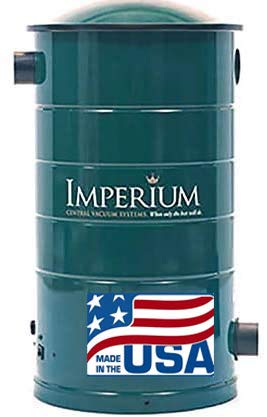
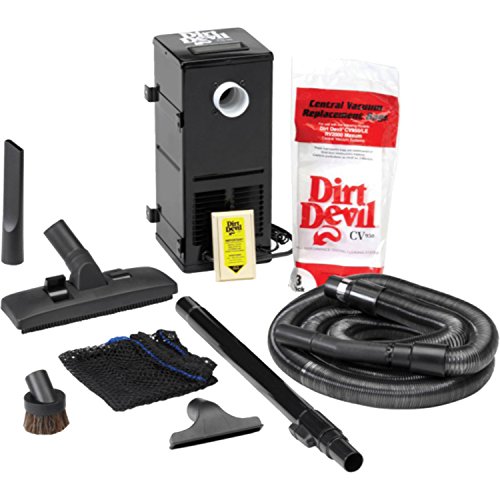
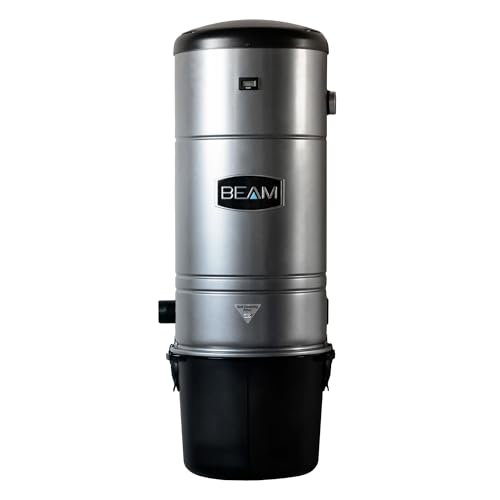

New Build, Retrofit or Replacement Power Unit
New construction is the easy case. Installers run PVC pipe through open walls and attics before drywall goes up, which keeps the cost low and the layout flexible. In an existing home, a retrofit can often use closets, attics, basements and crawl spaces to carry pipe between floors, though it takes more planning and more labor. If the house already has a system and the old motor has failed, a replacement power unit is the simplest upgrade, and you only need to match the power unit to the existing pipe layout and low-voltage inlet wiring.
Sizing the Power Unit
Central vacuum motors are rated in air watts, which describes the usable suction at the hose end better than motor wattage does. Smaller units around 500 air watts suit apartments and homes with short pipe runs. Mid-size units around 600 to 700 air watts cover most family homes. Larger or multi-story homes with long pipe runs, or homes with thick carpet, benefit from the biggest units. A bigger motor is not always better: an oversized unit uses more power and can be harsher on small floor tools, so match it to the square footage and the number of inlets.
Bagged and bagless collection both exist. Bagged units contain dust cleanly and suit allergy-sensitive households. Bagless units avoid bag costs and show when the canister is full, but emptying them is a dustier job, and filters need regular rinsing or replacement.
Inlets, Hose and Tools
Plan inlet placement before you buy the motor. A 30 to 35 foot hose typically reaches about 600 to 800 square feet from one inlet, so a typical two-story home needs three to five inlets, placed so that no room sits beyond the hose's reach. Hallways, stair landings and the center of each floor are common spots. Electric hoses power a rotating brush from the inlet, which suits carpet, and a suction-only hose suits hard floors. Keep tool sets simple: a floor head, a crevice tool, a dusting brush and an upholstery tool cover nearly all jobs.
Noise, Placement and Exhaust
The main benefit of a central system is that the noisy motor sits away from you. Mount the power unit in a garage, utility room or basement, on a wall with room around it for airflow and for emptying the dust container. If the unit sits in a living space, route the exhaust outside through a vent pipe, since fine dust in the exhaust would otherwise return to the room. Good filtration is worth paying for in a household with pets or allergies.
What Central Vacuums Cost
Power units usually cost about $300 to $1,000, and premium or smart-controlled models cost more. A DIY kit with pipe and inlets adds a few hundred dollars. Professional installation in an existing home often costs more than the unit itself, so ask for a written estimate that lists the number of inlets, the pipe route and any wall repair. Compare the total, not just the unit price. Look at warranty terms too, since the motor is the part that matters most over twenty years.
Maintenance and Common Problems
Empty the dust container or replace the bag when it is about two thirds full, since a full container cuts suction quickly.
Rinse or replace the filter on the schedule in the manual.
Check inlet doors and hose cuffs for dirt that blocks the low-voltage contacts.
If suction drops across the house, look for a clog in the pipe, often caused by a large object sucked in through the hose.
Keep the area around the motor free of boxes so the unit can cool.
Mistakes to Avoid
Buying the motor before mapping inlets and hose reach on a floor plan.
Choosing a unit by air watts alone and ignoring filtration and noise.
Putting the power unit in a cramped corner where emptying it is a chore.
Using hobby-grade fittings with sharp elbows, which choke airflow.
Skipping a warranty check on a motor you plan to use for years.
Related Guides to Compare
Readers in Canada can compare local models in the guide to best central vacuums canada. If you also have pets, the guide to best vacuums for animal hair covers portable models for stairs and cars that a wall inlet cannot reach.
Frequently Asked Questions
Is a central vacuum better than a regular vacuum?
It is quieter in the room, lighter to carry and sends dust out of living areas. Portable vacuums are cheaper and easier to move, so many homes keep a small one for cars and stairs as well.
Can I install one in an existing home?
Yes. Installers use attics, basements, closets and crawl spaces to run pipe between floors, and in many homes they can do it without opening large areas of wall. Ask for a survey and a written quote.
How many inlets do I need?
Most homes need one inlet for every 600 to 800 square feet, placed so the hose reaches every room. Use a floor plan to check corners, stairs and finished basements.
Bagged or bagless?
Bagged units keep dust sealed and suit allergy-sensitive households. Bagless units avoid bag costs but need filter care, and emptying them is dustier.
How long does a central vacuum last?
The piping can last as long as the house, and a well-kept power unit often runs for many years. Motors and filters are the parts to watch, so check the warranty.
Final Thoughts
Map your inlets first, size the power unit for your pipe run and choose filtration that suits your household. Use the table above to compare power units, and the best central vacuums for your home will be the ones that pull strongly at the farthest inlet and are easy to empty.