Best Cheap Cordless Vacuum: How to Choose a Budget Stick in 2026
Disclosure: We may earn a commission when you buy through links on this page, at no extra cost to you. As an Amazon Associate I earn from qualifying purchases. Learn more

Pick the best cheap cordless vacuum by checking dustbin size, runtime, brush design, filter and battery costs, and how well the type suits your floors.
A low price only helps if the vacuum still picks up grit, holds a charge, and fits the way you clean. Cheap models differ a lot in suction on carpet, dustbin size, and how the brush handles hair. Choosing the best cheap cordless vacuum means matching those basics to your floors, not chasing the longest list of extras.
This guide sorts budget cordless models by type, power, and ownership costs so you can see where money matters and where it does not. The comparison table below sums up the main types side by side. If your budget can stretch further, our guide to the best cordless vacuum covers a wider field with longer runtimes and larger bins.

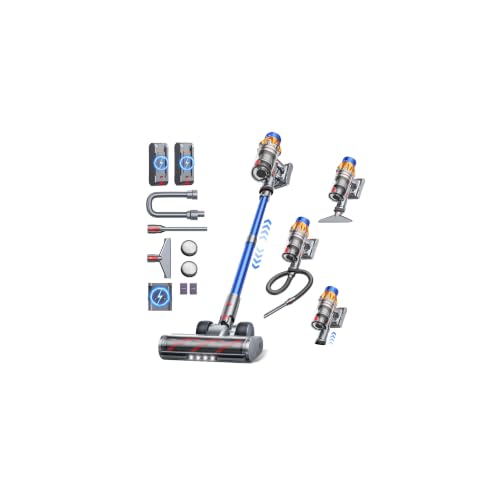


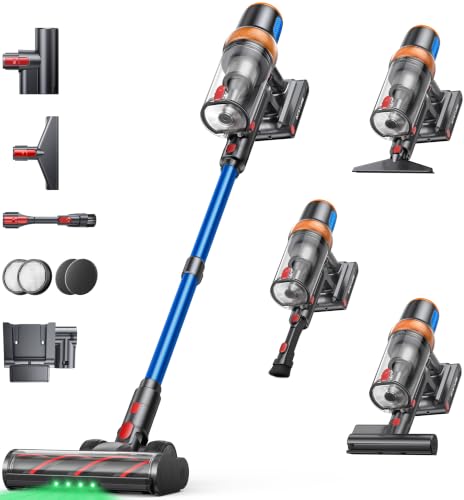
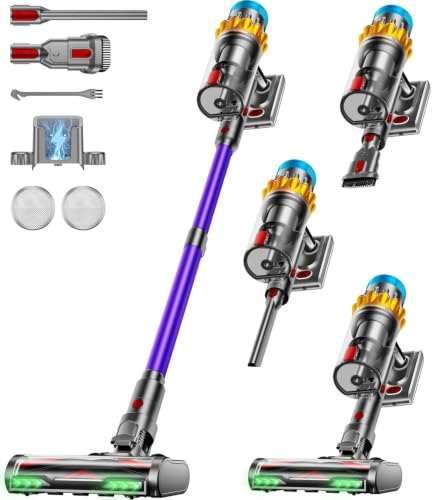

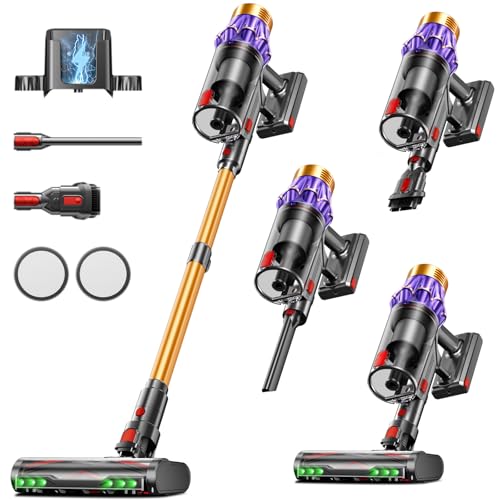
Cordless Vacuum Types at a Glance
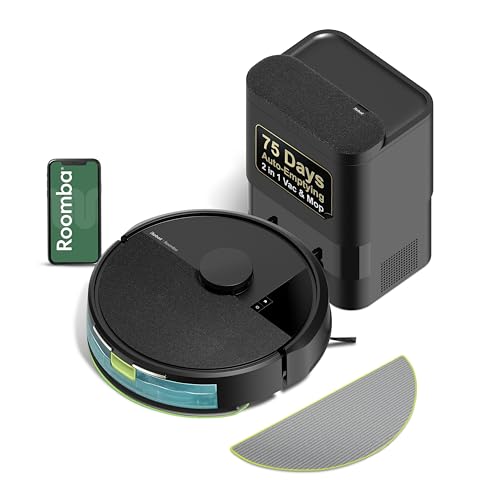
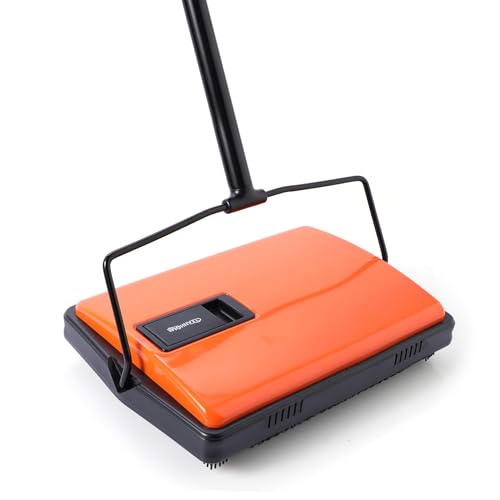
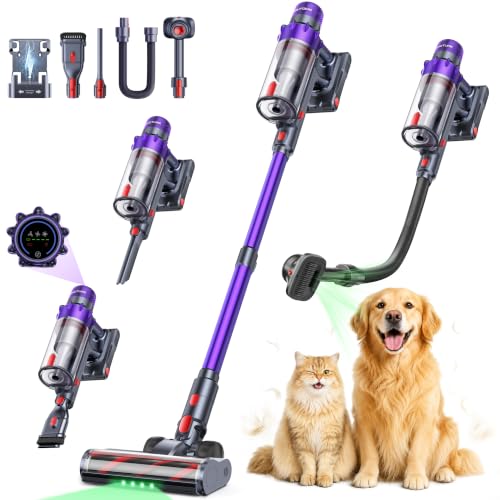
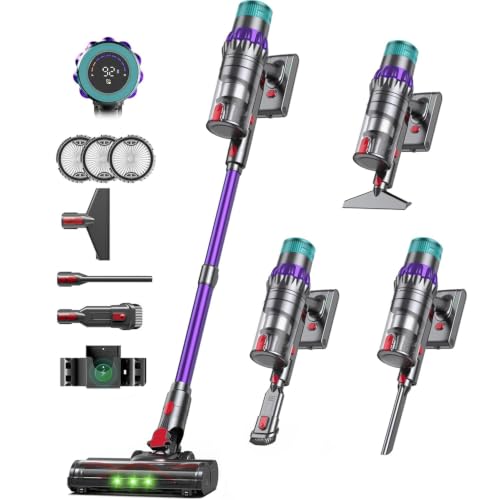
The product table above groups cheap cordless vacuums into three broad types. A standard stick is the most common shape, with a motor and bin near your hand and a slim wand that reaches under sofas. A convertible stick lifts off into a small handheld for stairs, shelves, and car seats. A compact lightweight stick trades bin size and power for easy carrying, which suits small flats and quick daily passes.
None of these types is best for everyone. A convertible earns its place when you clean furniture and vehicles often, while a compact model suits quick passes for crumbs and litter.
Three Setups That Cover Most Budget Needs
A Balanced Stick for Mixed Floors
For most homes, the sensible cheap setup is a stick with a motorised brush head, a bin of about half a litre or more, and at least two power levels. The lower level stretches runtime for hard floors, and the higher level lifts grit from rugs. Look for a crevice tool and a small brush in the box.
The Lowest Price Stick for Small Homes
If your home is small and mostly hard flooring, the cheapest useful setup drops the extras and keeps the basics sound. You get a simpler brush head, a smaller bin, and one or two suction levels, and that is enough for daily dust and crumbs. What you should not give up is a replaceable filter and a battery you can swap, because those parts decide how long the vacuum stays useful.
An Upgrade Leaning Stick for Busy Homes
Spending a step more buys comforts you feel every week rather than gimmicks. A head with lights shows dust along skirting boards, an anti tangle brush cuts down on hair removal, and a larger bin means fewer trips to the trash. Choose it when your home is larger, your floors are mixed, or several people share the cleaning.
What to Weigh at This Price
Base the decision on maker specifications, buyer feedback, and the standards that govern electrical safety for home appliances. The factors that matter most at this price are dustbin capacity, cleaning performance on hard floors and carpet, ease of use, how simple the filter and brush are to clean, noise in normal mode, and the length and terms of the warranty.
How to Choose the Right Cordless Vacuum
Type
Start with the shape, because it decides what you can clean without swapping machines. A stick covers floors fastest and stores upright in a corner or closet. Readers comparing formats can see our guide to the best stick cordless vacuum for a deeper look at that shape alone. A convertible that lifts off as a handheld helps on stairs and upholstery. Wet dry models rarely make sense here, since the seals and tanks add weight you carry on every pass.
Features Worth Paying For
Some extras earn their cost, and others do not. Lights on the head reveal fine dust you would otherwise miss, and an anti tangle brush saves real time in homes with long hair. A self emptying base is pleasant but usually costs more than the vacuum itself at this level, so skip it on a tight budget.
Power, Suction and Energy Use
Makers quote power in different ways, so the numbers need care. Motor watts describe input, while suction figures describe pull at the head, and the two do not rise in step. What you feel in use is airflow at the brush, which drops as the bin fills. Battery size, given in watt hours, sets how long the motor can run. A cheap vacuum that holds strong suction for 20 to 40 minutes in normal mode will clean most flats in one go.
Safety Features and Certifications
Look for a listing mark from UL or ETL on the charger and battery pack, which shows the electrical parts met a recognised safety standard. A thermal shutoff that stops the motor when airflow is blocked protects both the motor and the battery. Keep the charger on a hard surface away from bedding and papers, and stop using a pack that is swollen, cracked, or hot after a normal charge.
Storage Space and Dimensions
A cheap vacuum has to live somewhere, and many small homes have no spare closet. Measure the corner, gap, or cupboard where it will stand, then check the folded or mounted depth in the listing. Most sticks need about 10 to 12 inches of wall width with a mount. Weight matters too, since a heavier model can tire your wrist during a long pass at shoulder height.
How Much Should You Spend?
Most cheap models sit under $300, and each price band buys a clear step in comfort, not a magic jump in cleaning.
- Under $100: basic sticks with small bins, one brush head, and shorter runtimes. Fine for hard floors and small spaces.
- About $100 to $150: stronger suction, swappable batteries on some models, and better brushes for low pile carpet.
- About $150 to $200: larger bins, head lights, and filters that trap finer dust, plus longer warranties on some models.
- About $200 to $300: longer runtimes, quieter motors, and sturdier wands. Past this band you leave cheap territory and enter the ground covered by mid priced cordless models.
Who a Cheap Cordless Vacuum Suits Best
Small Home Owners Who Clean Little and Often
If your floors are mostly hard and your rooms are few, a short runtime is not a real limit. You can clean the kitchen and entry daily, then do the rest twice a week, all on cheap hardware. Your main needs are a bin you can empty without spilling and a brush that does not scatter grit on tile.
Households That Need a Second Vacuum
Many buyers already own a corded or larger machine for deep cleans and want something light for daily crumbs, litter, and stairs. In that role a cheap cordless model does not need a huge bin or the strongest motor, because the main machine handles weekend work. It does need to start fast, store in a small space, and cope with hard floors well.
Pet Owners on a Tight Budget
Pet hair is light but constant, so frequent short passes matter more than raw power. You need a brush that lifts hair from rugs without wrapping it tight, and a bin you can empty daily without a cloud of dust. Our guide to the best cordless vacuum for pet hair goes deeper on brush design for heavy shedding homes. In a cheap model, plan on cutting wrapped hair off the brush every few weeks.
Cheap vs Other Cordless Vacuums: Pros and Cons
Cheap cordless vacuums win on price, weight, and simplicity. They are light to carry, easy to store, and cheap enough that a second one for another floor makes sense. For hard floors and light carpet, their cleaning is close to what costlier models manage in normal mode.
The trade offs show up in runtime, bin size, and build. Costlier models run longer on high power, hold more dirt, and use stiffer wands that flex less on thick carpet. If you have a large home with deep pile carpet, a cheap model becomes the helper rather than the main machine.
Common Mistakes to Avoid
- Judging by motor watts alone: a higher watt figure does not promise better pickup, so you may pay for noise instead of cleaning.
- Ignoring battery replacement: a sealed pack that cannot be swapped can turn a worn battery into a dead vacuum.
- Buying the smallest bin to save money: a tiny bin fills mid room in homes with pets, so you spend the clean emptying it.
- Running high mode the whole time: top power can cut runtime to a few minutes and still miss dirt a slow pass on normal mode would lift.
- Skipping the filter schedule: a clogged filter drops suction fast, so a cheap vacuum can feel weak within weeks.
- Forgetting your stairs and car: a floor only stick with no handheld mode leaves those jobs to a machine you may not own. A convertible shape, like those in our guide to the best handheld cordless vacuum, covers them without a second purchase.
How to Make Your Cordless Vacuum Last Longer
Empty the bin when dirt reaches the fill line marked on the side, since packed dust blocks airflow and strains the motor. Tap the filter clean outdoors every few uses and replace it on the schedule the maker gives. Pull hair and thread from the brushroll with scissors along the groove many brushrolls provide, taking care not to cut the bristles.
Charge the battery after it cools from a run, and avoid storing the vacuum for months with a fully flat pack. If you want background on service life, our explainer on how long does a cordless vacuum last sets out what owners can expect.
FAQ
What is the best cheap cordless vacuum?
It is the budget stick that matches your floors, holds at least half a litre of dirt, and uses a battery you can replace. For most homes that means a convertible stick with two power levels and a motorised brush. Pay attention to weight at the grip, because a heavy top can ache your forearm during a full clean.
Are cheap cordless vacuums worth it?
Yes, for hard floors, small homes, and quick daily jobs, where their light weight beats a bigger machine you dread pulling out. Count the full ownership cost first, including a spare filter set each year and a new battery after a few years. If spares cost close to a new vacuum, a slightly costlier model with cheaper spares can be the better buy.
How long does a cordless vacuum last?
The body and motor often serve for several years, while the battery fades first, losing noticeable runtime after a few hundred charges. Storing the pack at room temperature, away from radiators and sunny windows, slows that loss because heat ages lithium cells even when the vacuum sits idle.
Is a cordless vacuum worth it over a corded one?
For homes with few outlets, open stairs, or many small rooms, the freedom to move without replugging saves real time on every clean. A corded machine still gives endless runtime for the lowest price. Many households keep both, using the cordless model on weekdays and the corded one for a monthly deep clean.
How do you clean a cordless vacuum?
Empty the bin into an outdoor trash can, wipe the bin and cyclone shroud with a dry cloth, and wash the filter only if the maker labels it washable. A washed filter needs to dry fully, often for a full day, before you refit it, because a damp filter traps odors and blocks airflow.
What is the most reliable cordless vacuum brand?
No single brand wins for every budget model, since reliability varies by line and by how easy parts are to get. A maker that sells spare filters, brushes, and batteries for years after launch protects you more than a famous name on a sealed unit. Check that spares for the exact model are in stock before you order.
Final Thoughts
A cheap cordless vacuum earns its keep when the type, bin, and battery fit your rooms and your habits. Use the product table above to compare the three setups, then weigh power, storage, and spare part costs before you order. Chosen with those points in mind, the best cheap cordless vacuum for your home will clean well now and stay useful for years.