Best Budget Cordless Vacuum Guide for 2026
Disclosure: We may earn a commission when you buy through links on this page, at no extra cost to you. As an Amazon Associate I earn from qualifying purchases. Learn more

Choose the best budget cordless vacuum for your floors with advice on suction, runtime, bin size, filters and total costs.
A low price stops being a bargain when the vacuum leaves grit on hard floors, chokes on carpet pile, or runs out of charge halfway through your home. The best budget cordless vacuum for you is the one that matches your floor mix, room size, and storage space without forcing you to buy extras later. Start with suction that suits your floors, runtime that covers your home on one charge, and a bin and filter setup you will actually maintain.
This guide replaces guesswork with a simple checklist you can use against any listing. You will compare three buying profiles, the features that matter most at a low price, the real costs at each price band, and the trade offs against pricier cordless models. The comparison table below sums up the key specs to check side by side before you read the detail.

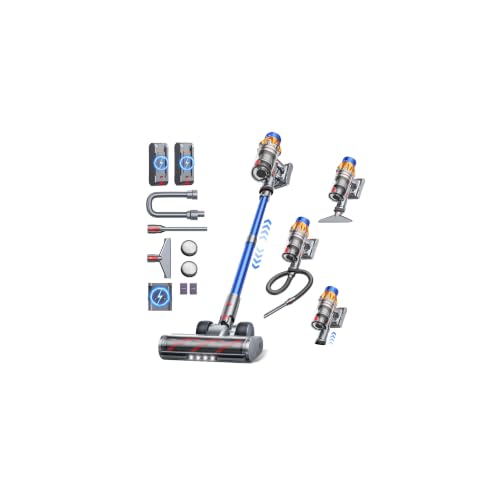
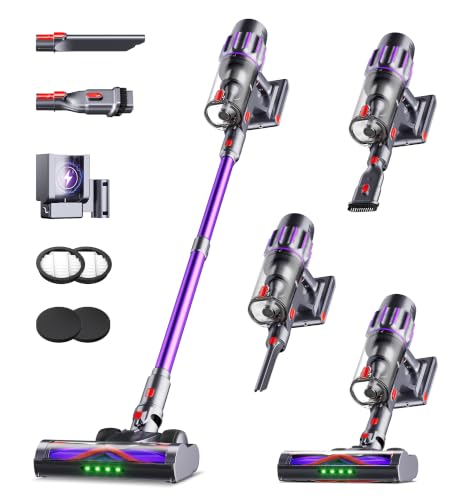
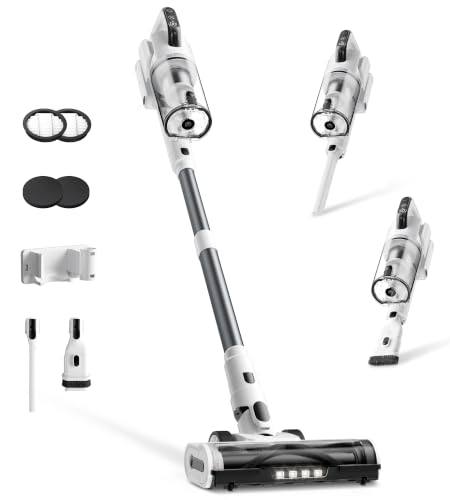
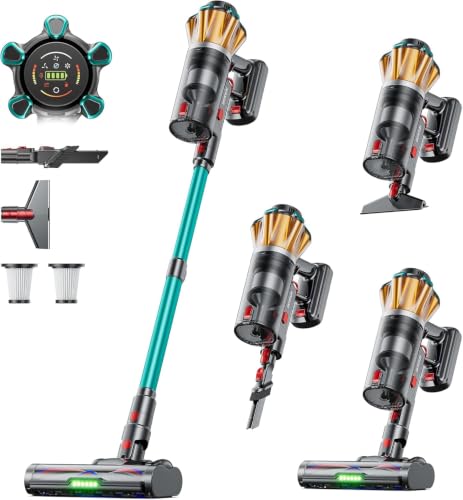
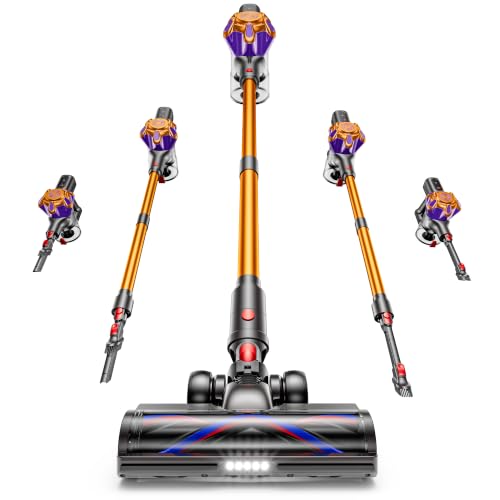
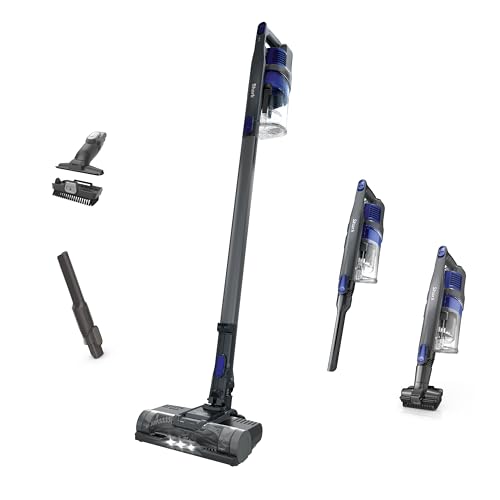
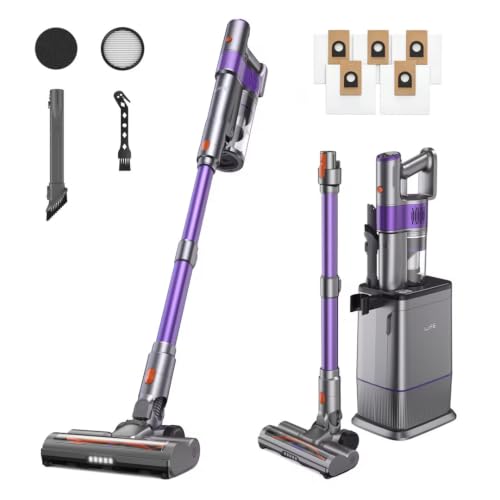
Three Buying Profiles at a Glance
Most budget shoppers fall into one of three groups, and each group should spend its money on a different strength. Small homes need light weight, easy storage, and enough runtime for short sessions. Busy family homes need a larger bin, stronger carpet pickup, and a battery that does not fade during a full clean. Shoppers who want one upgrade feature, such as better filtration, should accept a smaller accessory set in exchange.
Match yourself to a profile first, then check the specs for that profile below. Price alone cannot tell you which group a model serves, because two vacuums at the same price often trade runtime for bin size or weight for power.
Three Buying Profiles and What to Prioritise
Profile One: Small Homes That Need Light and Simple
Choose this profile if you clean a studio, a small apartment, or one floor of a house in short sessions. Prioritise a weight you can carry up stairs without strain, a slim body that stands in a closet corner, and runtime of about 20 to 30 minutes on the standard setting. Bin size matters less here because you empty after most sessions anyway. A simple two in one design that lifts off for stairs and furniture gives you the most use per dollar at this level.
Profile Two: Family Homes That Need Capacity and Carpet Pickup
Choose this profile if you clean several rooms, have carpet or rugs in daily use, or pick up crumbs and pet hair every day. Prioritise a motorised brush head that keeps contact with carpet, a bin of about 0.5 litres or more, and runtime of about 30 to 40 minutes so you are not racing the battery. If fur builds up fast in your home, our guide to the best cordless vacuum for pet hair explains the brush and filtration details that matter most for shedding.
Profile Three: One Smart Upgrade Within a Tight Budget
Choose this profile if your basic cleaning is covered and one problem still bothers you, such as dust puffing back out when you empty the bin or allergies that call for tighter filtration. Spend the extra money on that single fix, whether it is a sealed filter system, a larger removable battery, or a base that holds dust for weeks. Skip paying for extras you will not use, such as a mop pad you have no hard floors for. One well chosen upgrade beats a long feature list at this price.
How to Judge Value at a Budget Price
Judge each candidate against the same six points so listings cannot distract you with headline numbers. Check pickup on your main floor type, usable runtime on the standard setting, bin size and how cleanly it empties, filter type and replacement costs, noise in normal use, and warranty length plus spare part availability.
Be careful with maximum figures. Runtime quoted on the lowest setting with no motorised head can be double the runtime you get on carpet, and suction quoted at the motor is not the same as pickup at the floor. Compare like with like, using the standard setting and the main floor head.
How to Choose the Right Cordless Vacuum
Type: Stick, Handheld, and Convertible Designs
Most budget models are stick vacuums, and a good best stick cordless vacuum candidate should balance well in the hand and stand safely against a wall or in its dock. Convertible designs lift the motor and bin off the wand so you can clean stairs, car seats, and shelves without holding the full length. A dedicated best handheld cordless vacuum suits kitchens and cars but rarely has the runtime or bin for whole rooms. Wet and dry models exist at higher prices, so at a budget price focus on dry pickup done well.
Features Worth Paying For
A few features repay their cost quickly. LED lights on the floor head reveal dust along baseboards that room light hides, and an anti tangle brush design cuts the time you spend freeing wrapped hair. A removable battery matters because a spare can double your cleaning time and a worn pack can be replaced without replacing the whole vacuum. A self emptying base is a comfort upgrade rather than a cleaning upgrade, and it adds ongoing cost if it needs bags. Laser dust displays and mop attachments are nice extras, but at a budget price they should never come at the cost of basic suction or runtime.
Power, Suction, and Energy Use
Wattage tells you how much power the motor draws, not how well the vacuum lifts dirt, so treat it as a rough guide only. Airflow and the seal between the floor head and the floor decide pickup on hard surfaces, while brush roll speed decides pickup from carpet pile. Boost mode raises suction for edges and ground in dirt, but it can cut runtime to about 10 minutes, so use it in short bursts.
Safety Features and Certifications
Look for a recognised safety mark such as UL or ETL on the charger and battery pack, which shows the electrical parts met independent safety standards. Use only the charger supplied for your model, charge on a hard surface away from soft furnishings, and stop using a battery that swells, cracks, or gets very hot. If a battery is damaged, contact the maker or a qualified repair service rather than opening the pack yourself.
Storage Space and Dimensions
Measure your storage spot before you buy, because many stick vacuums cannot stand upright on their own and need a wall mount or a dock. Check the full height with the wand fitted and the depth of any charging base. Weight matters in use as well, since the motor and bin sit at the top of the wand and your wrist carries that load through every turn.
How Much Should You Spend?
Under $100 usually buys a light stick or handheld for hard floors, small spaces, and quick pickup, with shorter runtime and a small bin. About $100 to $150 is where whole home cleaning starts, with motorised heads, better runtime, and washable filters. About $150 to $200 adds stronger carpet pickup, larger bins, and removable batteries on many models. About $200 to $300 brings sealed filtration, self emptying bases on some designs, and longer warranties. Spending above that range moves you toward premium cordless territory, which our overview of the best cordless vacuum options covers in more depth.
Budget Models Compared With Other Cordless Vacuums
Budget cordless models win on price, weight, and simplicity. They are easy to grab for daily crumbs, cheap to replace if they fail after years of use, and light enough for most adults to carry between floors. For apartments, first homes, and mostly hard floors, that set of strengths covers the great majority of real cleaning. You give up little that matters if your sessions are short and your floors are forgiving.
Pricier cordless models pull ahead on sustained suction, battery systems, filtration, and build quality. Longer runtime on higher settings, swappable packs, and sealed systems that trap fine dust suit large homes, deep pile carpet, and allergy concerns. Their spare parts and filters also tend to stay available longer. If you are weighing whether the cordless format itself fits your home at all, the arguments in is a cordless vacuum worth it walk through the corded comparison in full.
A well chosen budget model handles hard floors and low pile carpet about as well as a premium one in short sessions, and the gap only shows in long sessions, thick carpet, or heavy pet hair loads. Step up only when a specific limit, such as runtime or filtration, blocks the cleaning you actually do.
Common Mistakes to Avoid
- Trusting the maximum runtime figure, then finding the battery fades halfway through a carpet clean on the standard setting.
- Ignoring filter costs, so a cheap vacuum becomes expensive once replacement filters and a new battery are added.
- Choosing the smallest bin for a large or shedding household, which forces constant emptying and clogs the filter faster.
- Skipping the storage check, then learning the vacuum cannot stand alone and no wall mount spot sits near an outlet.
- Paying for extras such as a mop pad or display screen while basic suction and brush design stay weak.
- Forgetting spare part checks, so a cracked bin or worn brush roll cannot be replaced when the vacuum is a year old.
Care That Keeps a Budget Vacuum Working
Empty the bin before debris passes the fill line, because an overfull bin blocks airflow and makes the motor work harder for less pickup. Wash or tap out the filter on the schedule the manual gives, and let a washed filter dry fully before refitting it. Pull hair and thread from the brush roll weekly if pets live in the home. Store the vacuum away from radiators and damp rooms so the battery ages slowly.
Frequently Asked Questions
What is the best budget cordless vacuum?
The right choice is the model that matches your buying profile, floor mix, and session length at the lowest total cost. A small home needs light weight and about 20 to 30 minutes of runtime, while a family home needs a bigger bin and stronger carpet pickup. Add one point many shoppers miss: check that replacement filters and batteries are sold separately before you buy, because a vacuum you cannot maintain stops being cheap very quickly.
Are budget cordless vacuums worth it?
Yes, budget cordless vacuums are worth it when your home is small to medium in size and your floors are mostly hard surfaces or low pile carpet. They handle daily crumbs, dust, and light pet hair without the cost or weight of premium models. They are less worth it for wall to wall thick carpet or very long sessions. One extra saving tip is to time your purchase around seasonal sales, when last season stock in this tier often drops a full price band.
How long does a cordless vacuum last?
A cordless vacuum body typically lasts about 4 to 7 years, while the battery is usually the first part to wear out at about 2 to 4 years of regular use. Runtime fades gradually rather than stopping at once, so a slow drop in cleaning time is your early warning sign. Storing the battery partly charged and away from heat slows that decline. If the body, brush, and filters are still sound, replacing only the battery can add years of use for far less than a new vacuum.
Is a cordless vacuum worth it for a home with carpet?
A cordless vacuum is worth it for carpet when the model has a motorised brush head and enough runtime to finish your rooms without a recharge pause. Low and medium pile respond well to most budget sticks on the middle setting. Deep pile is the hard case, because the head can drag and suction alone cannot lift grit from the base of the fibres. For one carpeted room, a useful test is to borrow a similar model for a weekend before you commit your money.
How do you clean a cordless vacuum filter and bin?
Empty the bin outdoors or into a bag, tap the filter against the bin side to shake loose dust, and wash the filter only if the manual says it is washable. Let a washed filter dry for a full day before you refit it, because a damp filter clogs fast and can smell. Wipe the bin with a dry or slightly damp cloth and never soak the motor housing. Cleaning the small mesh screen above the bin, which many owners overlook, restores airflow that filter washing alone cannot.
What signs show a cordless vacuum brand will stay reliable?
Reliability shows in spare part support, clear warranty terms, and filters and batteries that stay on sale years after a model launches. Brands that publish manuals, sell brush rolls and bins separately, and answer support requests with real part numbers tend to keep vacuums running longer. Short warranties with no spare parts are the warning sign, whatever the suction claims say. Keeping your receipt and registering the warranty in the first month protects you if an early fault appears.
Final Thoughts
Start with your profile, then spend on the one or two specs that profile depends on, whether that is runtime, bin size, filtration, or light weight. Keep the total cost honest by adding filters and a future battery to the sticker price. Used that way, the best budget cordless vacuum for your home is easy to spot, because it solves your actual cleaning problem without paid for extras. Check your shortlist against the product table above, confirm the storage fit, and order with confidence.