Best Chairs for Sitting in 2026: Types Compared and How to Choose
Disclosure: We may earn a commission when you buy through links on this page, at no extra cost to you. As an Amazon Associate I earn from qualifying purchases. Learn more
Compare ergonomic, budget, compact and executive chair types side by side, and learn which features matter most for comfortable daily sitting at any budget.
Chair shopping gets confusing fast, because a seat built for desk work, a seat built for a lounge corner and a seat built for a tiny apartment solve three different problems. This guide compares the main types side by side so you can match one to your body, your room and your budget. If you want a clear shortlist of the best chairs for sitting, start with the comparison table below, then read closely about the type that fits your day.
One honest point comes before the types. A chair supports sitting comfort only: no chair corrects your posture and no chair treats pain, and the larger half of sitting comfort is how often you stand up, stretch and move during the day. If pain persists or grows worse, or you notice numbness or weakness, that belongs to a clinician and not to a furniture purchase.
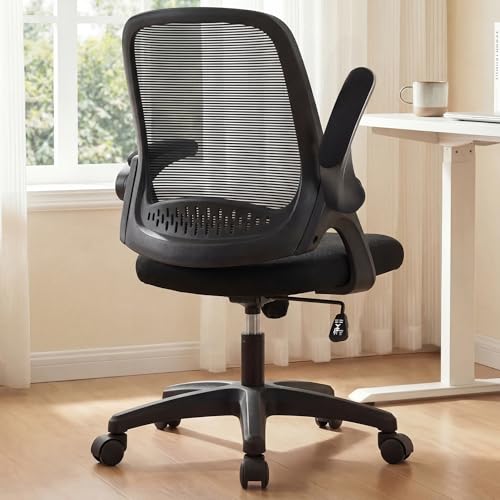

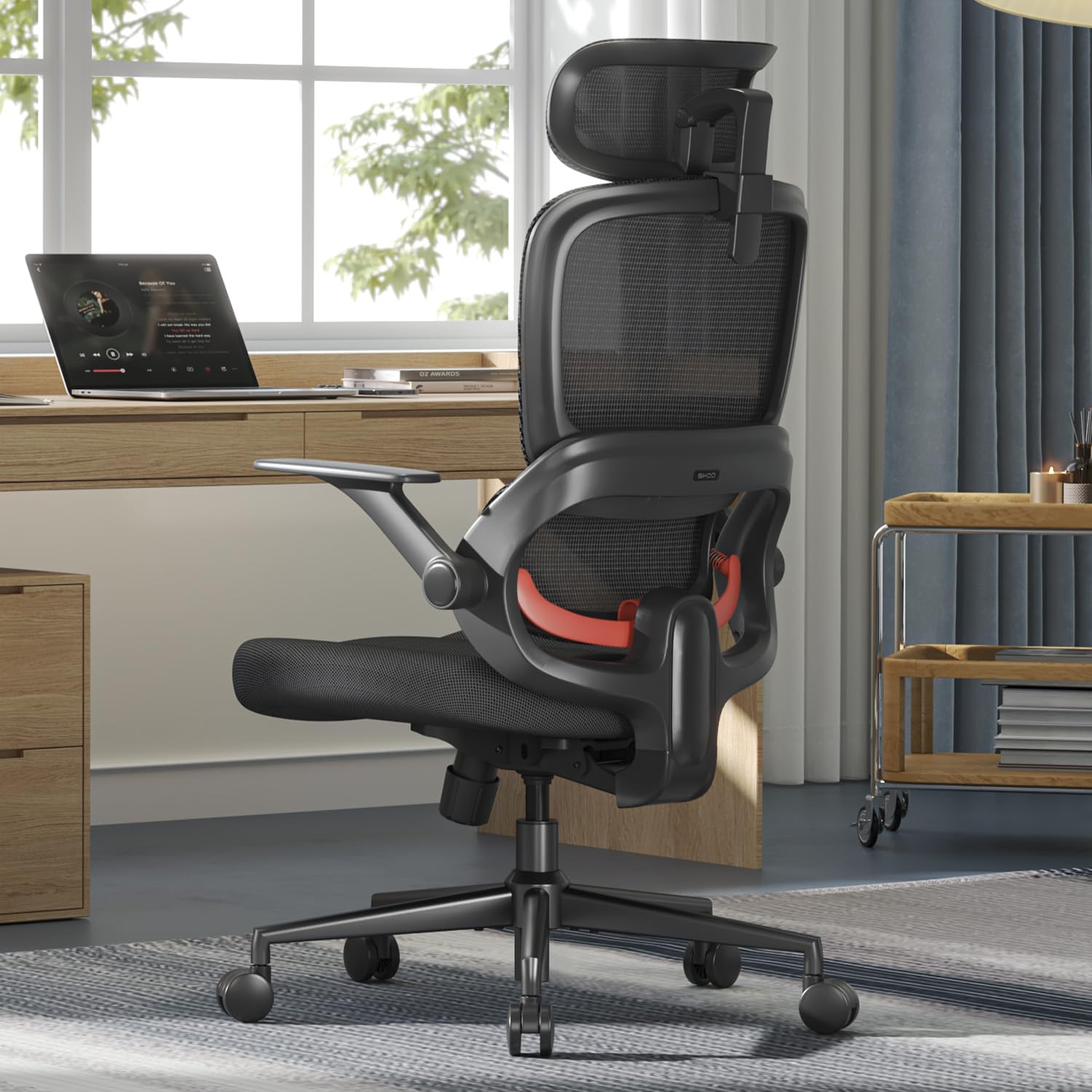
Types of Chairs Compared
The four types below cover most of what stores sell, and each one is a different sitting purchase. Task chairs serve a desk, lounge chairs serve a living room corner, and the guide to best sitting room chairs covers that lounge class on its own. Read the table for the quick picture, then the sections under it for the detail behind each row.
| Chair Type | Best For | Strengths | Trade Offs | Typical Price |
|---|---|---|---|---|
| Ergonomic | Desk work and long sessions | Adjustable support and breathable backs | More parts to set up and tune | about $200 to $500 |
| Budget | Guest rooms and light use | Low price and simple build | Thin padding and few adjustments | about $50 to $150 |
| Compact Space Saving | Small rooms and apartments | Small footprint and easy to move | Narrow seats and lower weight limits | about $80 to $220 |
| Premium Executive | Offices and long days | Deep cushioning and sturdy frames | Large footprint and high price | about $400 to $900 |
Ergonomic Models
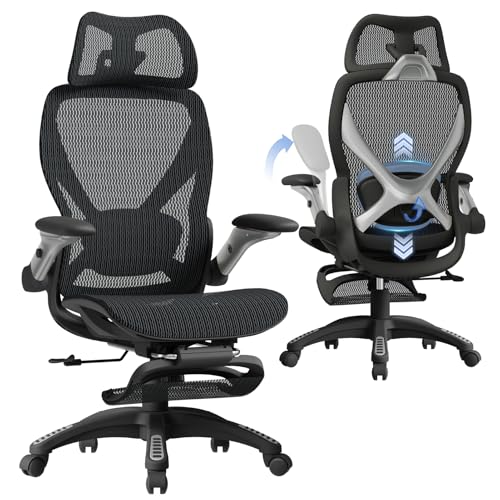
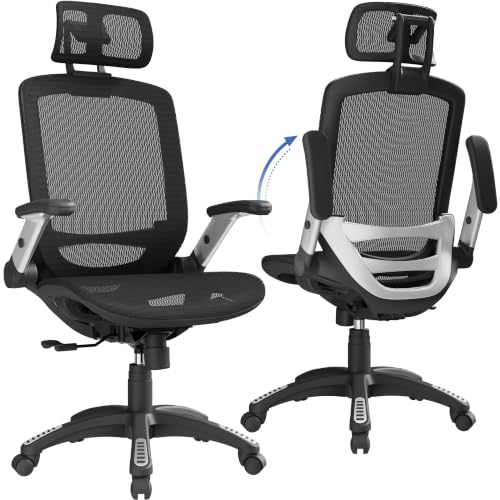
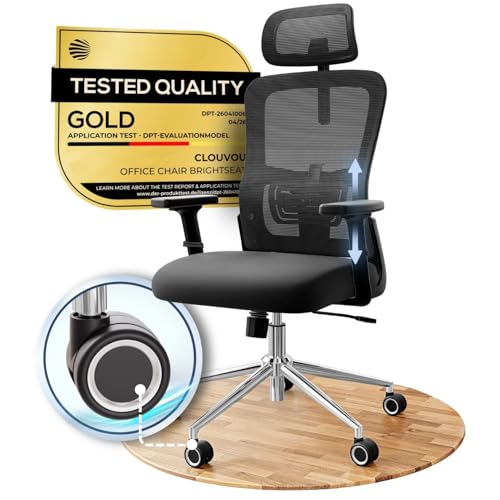
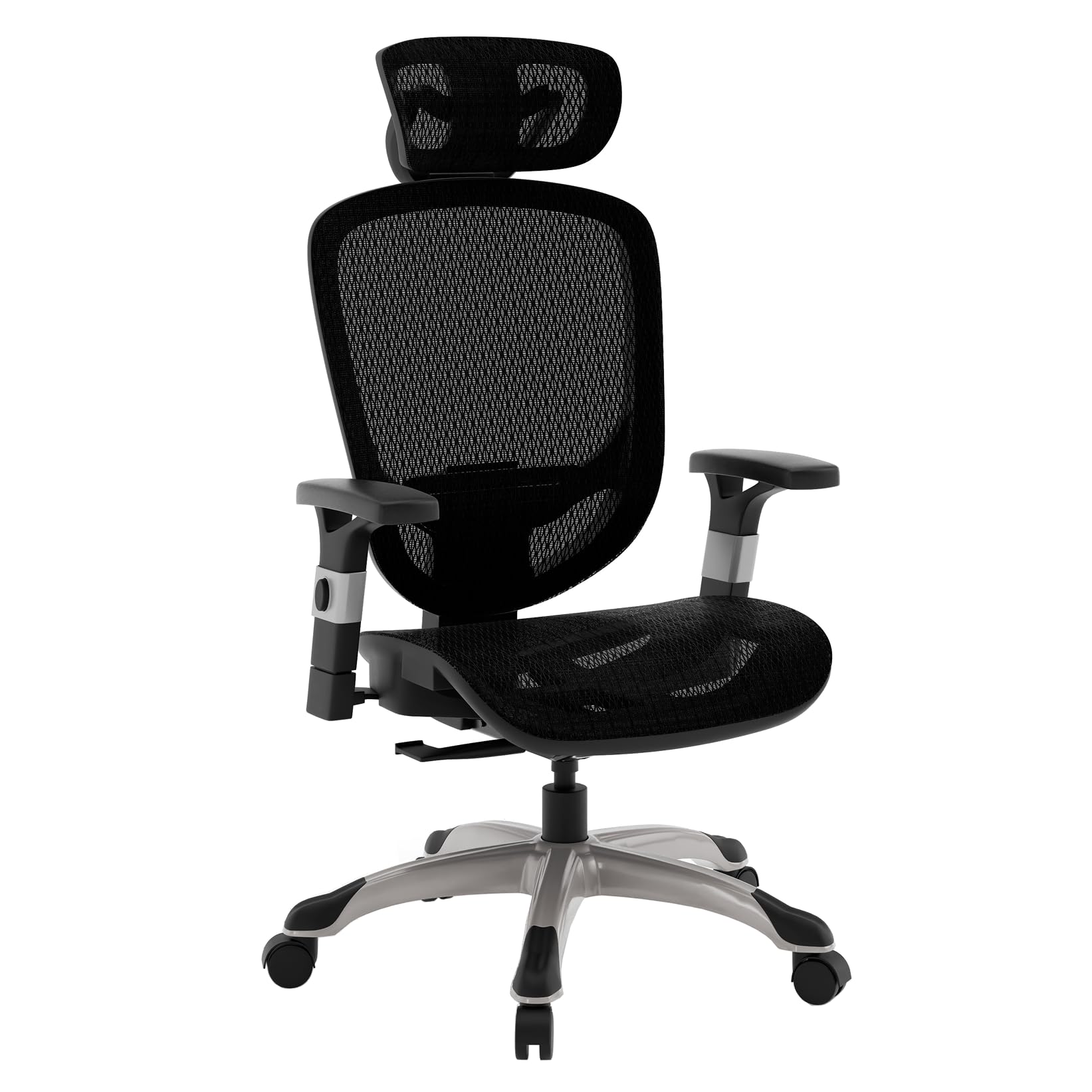
Ergonomic models are the task class: chairs built to adjust to your body instead of asking your body to adjust to them. Seat height, lumbar support, armrest position and a tilt lock all move, so the chair can fit different sitters and different desks. Mesh backs breathe well during long sessions, while padded backs feel warmer and softer. The trade off is setup time, because an ergonomic chair only helps once you tune it to your height and desk. Choose this type if you sit for work most days.
Budget Models
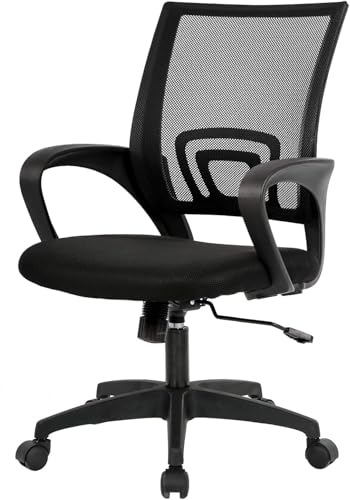
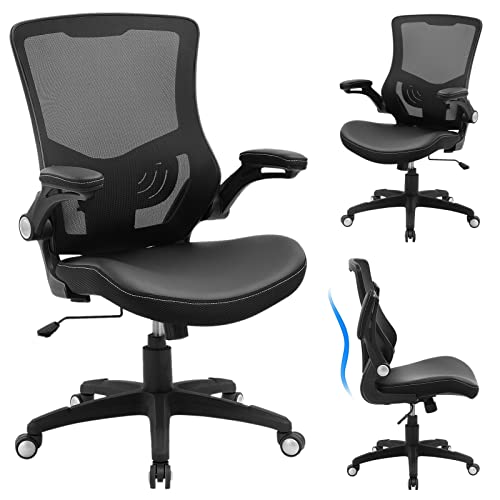
Budget models keep the build simple: a fixed back, basic foam and few or no adjustments. That simplicity is fine for a guest room, a homework desk or any seat used an hour at a time. The limits show up with daily use, since thin padding compresses and a fixed back cannot follow your spine. Weight capacity also tends to run lower, so check the rating before you buy. Choose this type when the chair is a spare or a starter, not when it is your all day seat.
Compact Space Saving Models
Compact models shrink the footprint: narrower seats, slimmer backs and sometimes folding or stacking frames. They suit small apartments, dorm rooms and multipurpose rooms where the chair has to move out of the way. The cost of the small size is sitting room, so wider sitters and anyone who shifts position often may feel boxed in. Casters are less common, and weight limits run lower than on full size chairs. Choose this type when floor space, not session length, is your main constraint.
Premium Executive Models
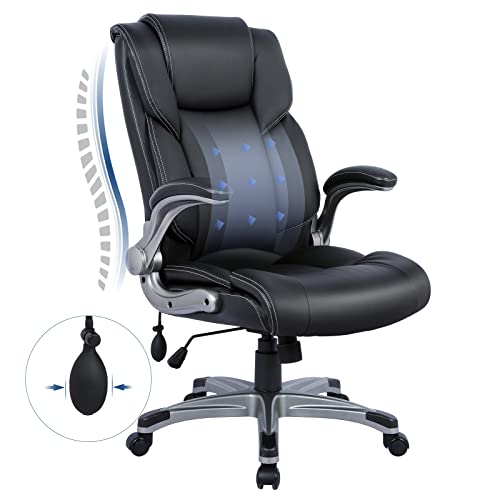
Premium executive models are the lounge leaning end of the desk chair range: tall backs, deep cushioning and heavy frames that feel planted and quiet. Upholstery runs thicker, armrests are padded, and the whole chair reads as furniture rather than equipment. They take up real floor space and cost the most, and the deep soft seat can feel warm in summer. Choose this type if you want a substantial office chair and have the room and budget for it.
Ergonomic Models vs Budget Models: Which Should You Choose?
These two types sit at opposite ends of most shopping lists, so compare them on four points. For adjustability, ergonomic models let you set seat height, back support and arm position, while budget models mostly offer seat height alone. For cushioning, ergonomic seats use denser foam that holds its shape, while budget foam flattens sooner. For frame life, ergonomic chairs use stronger lifts and bases, and for session length, ergonomic models are built for full workdays while budget models suit short sittings. Readers planning long sessions can also compare best chairs for long sitting, where session length drives every feature choice. If you sit more than four hours a day, the ergonomic type earns its price.
How to Choose the Right Chair
Ergonomics and Adjustability
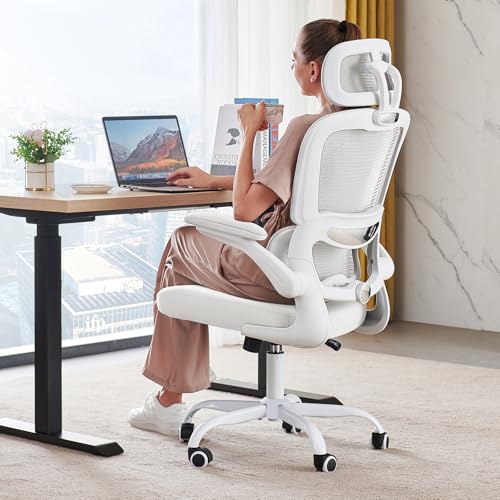
Start with seat height: your feet should rest flat on the floor with your knees near a right angle, so check that the height range includes your leg length. Lumbar support should meet the curve of your lower back without pushing you forward. Armrests should support your forearms without lifting your shoulders, and a tilt lock lets you lean back at a set angle instead of fighting the backrest. Every adjustment you will actually use is worth more than a long feature list.
Build Quality and Frame
The frame decides how long the chair stays solid. Steel bases and higher class gas lifts handle daily use better than thin plastic parts, and a five point base keeps the chair stable when you lean or reach. Check the stated weight capacity and leave a margin above your own weight, since capacity affects how the lift and frame age. A longer warranty on the frame and lift is a useful sign, because those are the parts that cost the most to replace.
Features That Matter for Sitting
Sitting itself splits into classes, and the class decides the features. A task chair needs casters, swivel and height range for a desk. A lounge chair needs a reclined angle and a footrest plan. A third class, covered in the guide to best active sitting chairs, uses stools and moving seats that keep your body shifting while you work. For very long days, the guide to best chairs for prolonged sitting reads every feature against session length. Name your sitting class first, then shop inside it.
Comfort and Cushioning
Cushion comfort comes from foam density more than foam thickness. High density foam feels firm at first and holds its shape for years, while soft low density foam feels plush in the store and flattens within months. A seat edge that slopes down at the front takes pressure off the backs of your thighs. Mesh seats skip foam entirely and stay cooler, though they feel firmer. Sit with your real session length in mind, because a chair that feels fine for ten minutes can disappoint at hour three.
Best Chairs for Specific Needs
Best Chairs for Sitting at Desk: Which Type Works Best
Desk sitting is the strictest class, because the desk fixes your working height. An ergonomic task model works best here: the seat height range must place your elbows level with the desk surface, the armrests should slide under the desk or adjust low enough to clear it, and casters should match your floor type. A compact model can serve a small desk, but check that its top height setting still reaches your desk. Executive models fit desks too, as long as their wider arms clear the desktop.
Tips to Get the Most From Your Chair
- Set the seat height so your feet rest flat and your screen sits at eye level.
- Tighten the bolts every few months, since daily movement slowly loosens them.
- Vacuum or wipe the upholstery regularly so dust and grit do not wear the fabric.
- Stand, stretch and walk for a few minutes every hour, whatever chair you own.
- Rotate where you sit during the day if you have a second seat available.
Chairs: Your Questions Answered
What features matter most in chairs for sitting?
Seat height range, lumbar support and cushion density matter most, in that order. Height decides whether your feet and elbows land in the right places, support decides how your back feels at hour four, and density decides whether the seat still feels the same next year. One point buyers miss: measure your desk height before you shop, because the chair has to fit the desk you already own, not a standard one.
How do I choose the right chair size?
Match the seat to your legs and hips: you want about two to three finger widths of space between the front edge of the seat and the back of your knee. The seat should be wide enough that the armrests or edges do not press your thighs. If you are between sizes, choose the larger seat and add a footrest if the height then runs tall for you.
What features matter most for long hours of sitting?
Dense foam, a breathable back and a front seat edge that slopes downward matter most for long hours. The sloping edge, often called a waterfall edge, keeps pressure off the underside of your thighs so your legs stay comfortable late in the day. Pair those features with a real break habit, because even the best seat cannot replace standing and walking at regular intervals.
How long should a good chair last?
A good ergonomic or executive chair lasts about seven to ten years of daily use, while a budget chair often lasts two to four. The gas lift is usually the first part to fail, shown by a seat that slowly sinks, and on many chairs the lift can be replaced on its own. Flattened foam that no longer springs back is the other clear sign that a chair has reached the end of its working life.
Is an expensive chair worth it?
An expensive chair is worth it when you sit in it for full workdays over many years. Spread over eight years, a chair at about $500 costs roughly the same per year as replacing a chair at about $120 every two years, and it feels better in every one of those years. For a spare room or light use, the math flips and a budget model is the sensible buy.
Wrapping Up
Match the type to your sitting first, then check height range, cushion density and frame quality inside that type. The product table above pulls the main types together so you can compare them at a glance. Choose the best chairs for sitting for the way you actually spend your day, set the chair up carefully, and keep your movement breaks. That combination does more for your comfort than any single feature on a spec sheet.