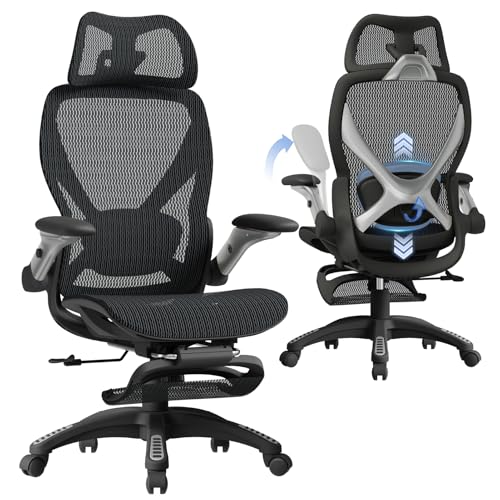
Best Chairs for Long Sitting Made Simple: A Clear Buying Guide for 2026
Disclosure: We may earn a commission when you buy through links on this page, at no extra cost to you. As an Amazon Associate I earn from qualifying purchases. Learn more

A plain English guide to the best chairs for long sitting, covering cushions, seat depth, adjustments and materials, plus honest notes on breaks and fit.
If you have never bought a chair for long hours at a desk, the vocabulary alone can slow you down: lumbar, tilt lock, seat depth, density. This guide explains each term in plain English and shows you what to pick, so choosing the best chairs for long sitting becomes a short list of simple checks rather than a guess. It is written for first time buyers, and it stays honest about one thing from the start: a good chair supports long sitting, but it does not replace standing up and moving.
We will walk from the basics to the handful of specs that matter, then cover rookie mistakes and the first adjustments to make when your chair arrives. The comparison table below collects the main options in one place, so you can compare cushion, size and price as you read. If your days run past eight hours, the companion guide to best chairs for sitting long hours goes deeper on endurance features.


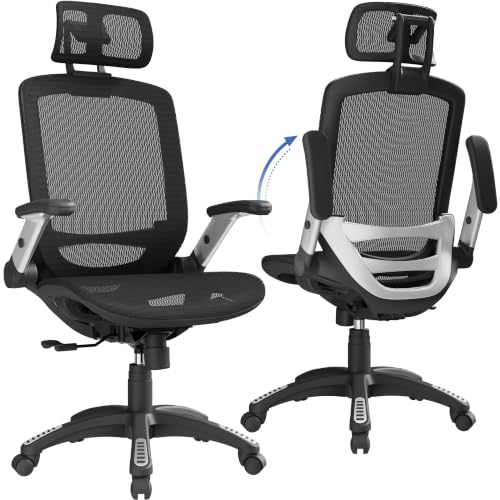

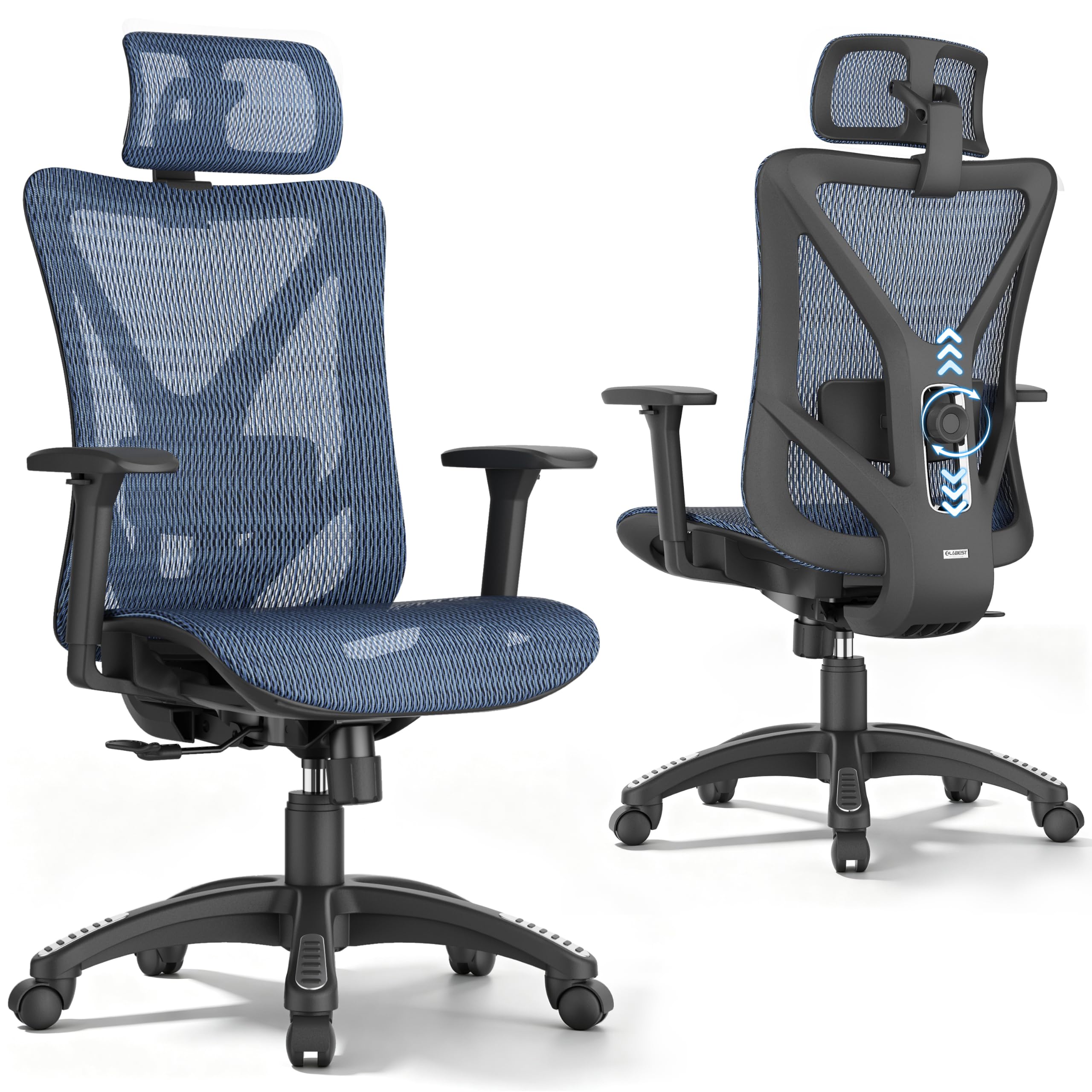

Chairs 101: The Basics
A chair for long sitting is a work chair built to support your body through hours of seated tasks without forcing one fixed posture. Its parts are simple: a seat, a backrest, a lift that sets the height, a base with casters, and on most models a pair of armrests.
The honest starting point is time, because no chair at any price makes an unbroken eight hour sit healthy. Plan your day in blocks of sitting broken by standing and walking, and let the chair support the sitting blocks well while the breaks stay yours to take. If back or neck pain keeps returning even with breaks and a well fitted chair, talk with a clinician, because pain that persists is a health question, not a furniture question.
Key Specs Explained in Plain English
Six specs decide most of the comfort in a long sit. Each one below is explained the way a patient friend would explain it, together with the setting or range to look for.
Cushioning and Seat Depth Come First
The cushion and the seat depth govern how a long sit feels by hour three. The cushion should be firm high density foam that you sink into slightly, not a soft pad you bottom out on, because once you feel the hard seat board through the foam, pressure builds on your sit bones. Seat depth should leave about two to three fingers of space between the seat edge and the back of your knees. Too deep and the edge presses into your legs; too shallow and your thighs lose support.
Adjustments Let One Chair Fit Different Sitters
Adjustments govern how well one chair can serve a shared desk or a growing family. Seat height is the essential one: your feet should rest flat on the floor with your knees near a right angle. Armrests that move up and down stop your shoulders creeping toward your ears, and a backrest that tilts and locks lets you shift position through the day.
On a shared chair, every extra adjustment is one more way the next sitter can make the chair fit in under a minute. Our guide to best office chairs for long sitting compares the common office classes in more depth.
Lumbar Support and the Backrest
Lumbar support is a pad or a curve that fills the hollow of your lower back so the backrest, not your muscles, holds that part of your spine. It should sit at belt height and feel like a firm hand resting there, never like a fist pushing you forward. A taller backrest with a headrest suits people who lean back to read or take calls. A mid height back suits upright typing and smaller rooms.
Materials and Upholstery
The cover changes how the chair feels across a long day. Mesh breathes, so it suits warm rooms and people who run hot, and it never peels. Fabric feels soft and grippy but holds crumbs and needs more cleaning.
Leather and leather look covers wipe clean in seconds, yet they can feel warm in summer and the bonded types can crack after a few years. Pick the cover for your room and your habits, not for the photo.
Build Quality and the Frame
Build quality is what you cannot see in a photo: the frame under the seat, the lift in the middle and the base on the floor. Steel frames outlast plastic ones, and a class 4 gas lift is the stronger common lift class. A five point base with smooth casters keeps the chair steady when you lean back. Weight capacity is part of build quality too, and for seating that must hold up across years of daily use, our guide to best chairs for long term sitting covers the durability checks in full.
Assembly and Delivery
Most chairs in this class arrive flat packed and take about 20 to 40 minutes to build with the tool included in the box. The base, lift and seat join with a handful of bolts, and the backrest is the two person step on larger models. Keep the box and the spare bolts until the return window closes. A chair that feels wrong in week one is far easier to send back complete.
Rookie Mistakes to Avoid
First time buyers tend to make the same five mistakes, and each one is easy to avoid once you can name it. If your routine means sitting long periods of time at a stretch, our guide to best chairs for sitting long periods of time looks at that pattern on its own.
- Buying by looks alone: a handsome chair with a shallow seat and no lumbar support will punish you by the third hour of every day.
- Skipping the seat depth check: a seat that is too deep presses behind your knees and quietly ruins an otherwise good chair.
- Setting the height once and forgetting it: the right height changes with your shoes, your desk and even a cushion settling over time.
- Sitting still all day because the chair feels fine: comfort can hide a stiffening back, so stand and walk on a schedule rather than waiting for pain to remind you.
- Ignoring the return window: foam feels different after a full week, so note the last return date on the day the chair arrives.
Getting Started: Setup and First Use
Start with the height: sit down, place your feet flat, and raise or lower the seat until your knees sit level with your hips or a touch below. Next, set the backrest so the lumbar pad meets the curve of your lower back, and lower the armrests until your forearms rest level without lifting your shoulders. Your first week with one of the best chairs for long sitting is a tuning week, so make one small change per day and notice what improves. Readers who want a chair tuned only for screen work can also read our guide to best computer chairs for long sitting.
Questions Answered
How firm should the cushion on a chair for long sitting be?
Firmer than most people expect. Press your thumb into the seat: it should give a little, then push back, instead of sinking until you feel the board beneath. A simple home check is the two hour rule, where a cushion that still feels even after a full film or a long call has the density you want. Very soft cushions feel kind for ten minutes and ache by hour two.
Do I need armrests on a chair I sit in all day?
Armrests help if they are adjustable, and they get in the way if they are not. Fixed rests that sit too high shrug your shoulders all day, and rests that sit too wide leave your elbows floating. If your desk has a low edge, choose rests that slide down or flip up so the chair still tucks under the desk. Many people work happily with the rests lowered out of the way.
How do I know if a chair fits my height before it arrives?
Compare three numbers from the listing with your own body. The seat height range should include the setting that puts your feet flat, which for most adults falls between about 17 and 21 inches from the floor. Seat depth should be about two inches less than the length from your back to the crease of your knee. The backrest should reach at least your shoulder blades.
Is a mesh chair or a padded chair better for long sitting?
Neither wins for everyone. Mesh spreads your weight on a suspended surface and stays cool, which suits warm rooms and people who dislike foam. Padded seats feel softer at first contact and suit cooler rooms and people who shift position often. The tie breaker is your room temperature across the year, because the wrong cover will bother you every single day while small gaps in the features fade from notice.
When should a long sitting chair be replaced?
Replace the chair when the repairs stop holding: a lift that sinks after being fixed, foam that stays dented overnight, or a backrest that leans to one side after the bolts are tightened. Most chairs in this class give about five to seven years of daily service. A wobble you cannot fix is a safety issue rather than a comfort issue, so retire a wobbling chair instead of sitting carefully.
The Bottom Line
Keep the decision simple: a firm cushion at the right depth, adjustments you will actually use, and a frame rated for your weight. The product table above lines those figures up side by side, so use it to check any chair that catches your eye. Choose the best chairs for long sitting with those three checks and a habit of regular breaks, and long days at your desk will feel far more manageable.