
Best Chairs for Prolonged Sitting 2026: Matching the Right Model to Your Routine
Disclosure: We may earn a commission when you buy through links on this page, at no extra cost to you. As an Amazon Associate I earn from qualifying purchases. Learn more
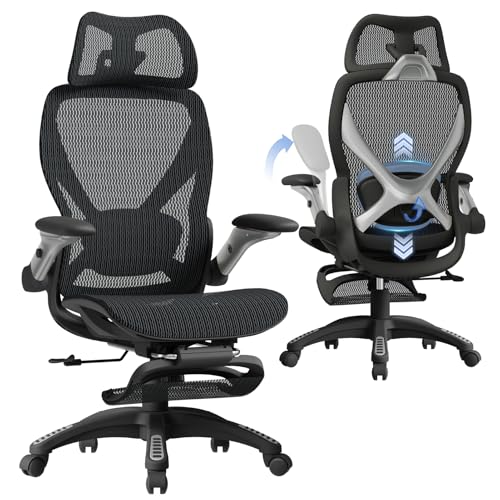
Not all chairs fit every routine. See which best chairs for prolonged sitting match how you actually use them, what features to prioritize, and what to skip.
There is no single chair that suits every long day. A chair that feels fine for two hours can leave you stiff and restless by hour six, so the best chairs for prolonged sitting are the ones matched to your routine, your body and your room. Use the comparison table below to check fit and support before you look at style or price.
Start by naming how you actually sit. Desk work, gaming, reading and mixed home use load your back and legs in different ways, and each pattern rewards different features. The sections below sort those patterns first.
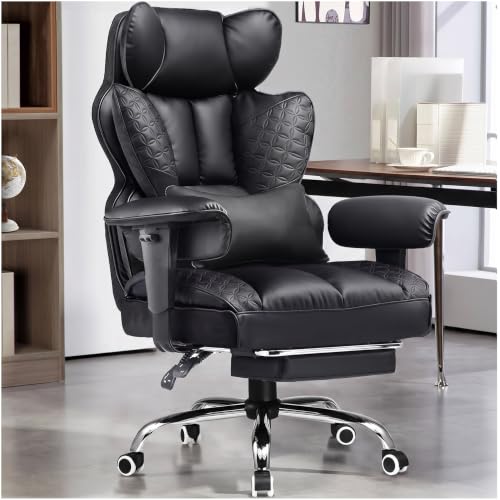

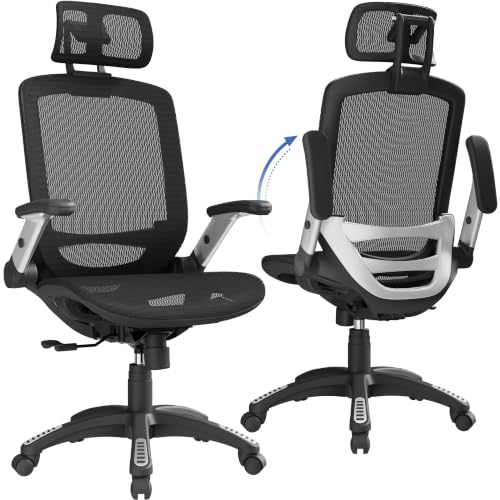

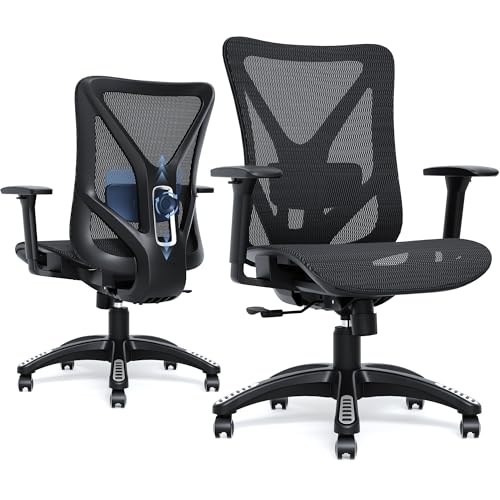
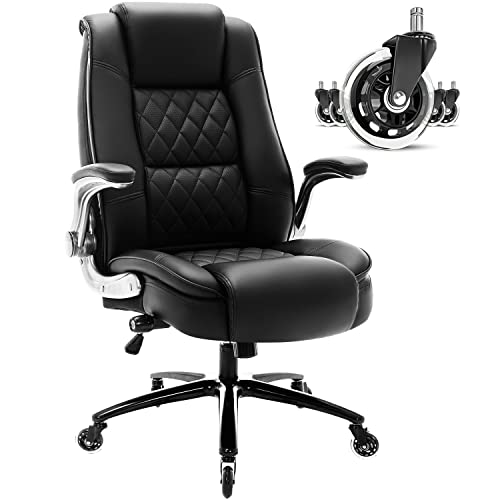
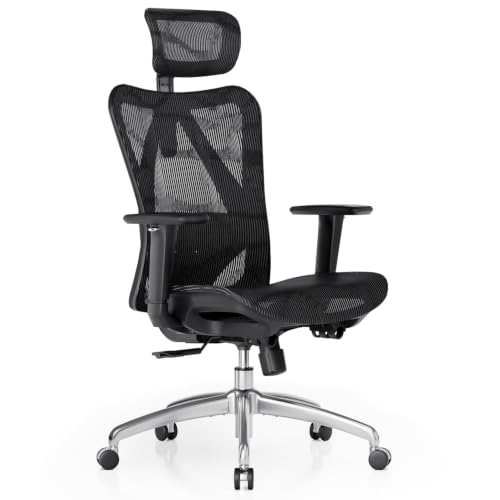
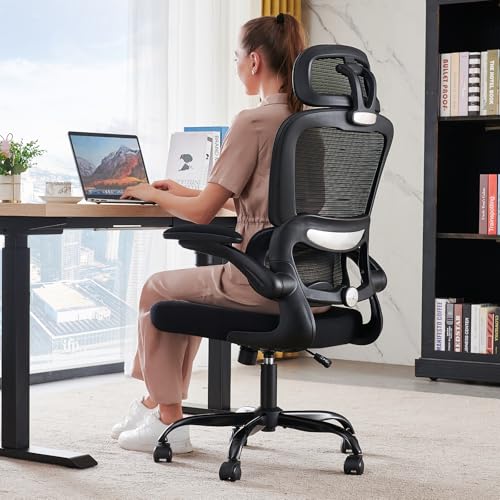
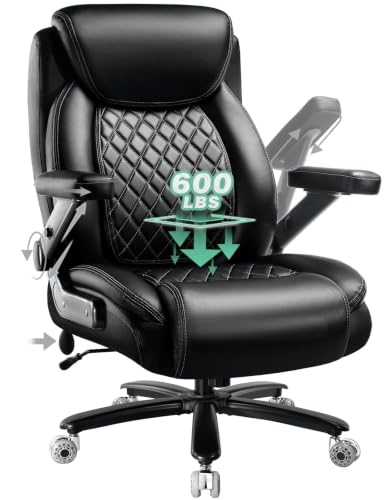
Who Should Buy Which Chairs?
Buy for the routine you repeat most days, not for the longest day you can imagine. Your sitting hours, your desk and whether you share the chair will narrow the field faster than any brand name.
For Full Time Workers Who Want the Best Performance
You sit for most of the workday and you notice small flaws by midweek. Prioritize adjustable lumbar support, a seat you can raise and a backrest that moves to change the effective seat depth, and adjustable armrests that let your shoulders drop. Premium and executive models earn their price here through finer adjustments and stronger parts. If your routine is desk work only, see our guide to the best office chairs for prolonged sitting for a narrower comparison.
For Value Seekers Who Sit Most of the Week
You need comfort that lasts for years, but you do not need every adjustment. Spend on a firm cushion, a supportive back and a frame with a clear weight capacity rating, and skip extras like fancy upholstery. Simple models often cost about $150 to $300 and still serve daily use well. If your hours are shorter and more varied, see our guide to the best chairs for sitting for lighter duty options.
For Gift Shoppers Buying for a Home Office
You are choosing for someone else, so easy sizing matters more than a perfect personal fit. Pick a midsize chair with a wide range of seat height adjustment, clear assembly steps and a warranty you can pass on with the receipt. Avoid very narrow seats and bold gaming styling unless you know the person wants them. If the chair will live in a shared room instead of at a desk, see our guide to the best sitting room chairs for styles that suit living spaces.
Best Chairs for Specific Needs
Some routines place unusual demands on a chair. That is why the best chairs for prolonged sitting for one routine can feel wrong for another, even at a similar price. Match the special need first, then apply the feature checks that follow.
Best Game Chairs for Prolonged Sitting: What to Prioritize
Gaming sessions run long and often lean back between rounds, so the priorities shift. Look for a recline range you can lock at several angles, a cushion that stays firm during long matches, and armrests that move out of the way of a desk or controller. Tall backs help taller players, but the seat depth matters more than racing style bolsters, which can crowd wider legs.
Players who also work and take calls at the same desk may prefer a plainer chair without a tall gaming back. Readers in that mixed group can also see our guide to the best chairs for sitting all day for varied daytime use. Compact and space saving models suit small rooms, but measure base width and recline clearance first.
Key Features to Compare
Compare features in the order below, starting with the parts that touch your body. A chair that fits your spine, seat and arms will serve you better than one chosen for its finish alone.
Seat Cushion and Support That Matter for Prolonged Sitting
The cushion carries your weight for hours, so its density matters more than its softness at first touch. High density foam holds its shape and spreads pressure across your thighs, while thin low cost foam flattens and leaves you sitting on the hard base. Look for a seat about 18 to 21 inches deep with a rounded front edge, because a sharp edge can press behind your knees. Built in lumbar support or an adjustable pad should meet the curve of your lower back without pushing you forward.
Materials and Upholstery for Chairs Used Every Day
A mesh back lets air move and suits warm rooms, shared offices and anyone who runs hot during long sessions. Fabric seats feel softer and grip clothing, which helps you stay centered, but they hold spills and need more cleaning. Faux leather wipes clean and suits a formal room, yet it can feel warm and may crack sooner in dry heat. Fixed wooden seats suit living areas, but prolonged desk sitting calls for padded and adjustable construction.
Ergonomics and Adjustability in Chairs for Prolonged Sitting
Seat height should let your feet rest flat with your knees near a right angle, and most chairs adjust across about 17 to 21 inches. Adjustable armrests should meet your forearms without lifting your shoulders, and tilt lock should hold a slight recline without forcing you upright. Seek care promptly if you notice persistent numbness or tingling in your legs, sharp or worsening back pain, or swelling in your legs or feet, and talk with your clinician about personal needs before you rely on a chair to ease an existing condition.
Build Quality and Frame in Chairs for Prolonged Sitting
Weight capacity tells you how much load the frame, base and lift are rated to carry, and most everyday models are rated at about 250 to 300 pounds. Leave a margin below the rating if you shift often or lean hard on the arms. A metal base and a class 4 gas lift suit daily use better than thin plastic parts. Check the warranty length for the lift and frame, because those parts face the most stress over time.
Common Mistakes to Avoid When Buying Chairs
Most regrets come from a short showroom sit or a rushed online order. Watch for these errors before you buy.
- Choosing by price alone leaves you with thin foam that flattens within months and makes long days harder.
- Ignoring seat depth buys a chair that presses behind your knees or leaves your lower back unsupported.
- Buying an oversized chair for a small room blocks recline space and makes the base bump your desk and walls.
- Skipping the weight capacity rating risks a strained lift and a frame that loosens under daily load.
- Never checking the warranty terms leaves you paying for lift or caster failures that cover could have handled.
Maintenance Habits for Chairs Used All Day Long
Tighten the bolts under the seat and arms every few months, because small movements during long sits slowly work them loose. Check casters for hair and grit, and wipe the lift column so dust does not grind into the seal. If the chair starts to sink on its own, the lift is wearing out and needs replacement rather than another adjustment.
Vacuum fabric and mesh with a soft brush each week, and wipe faux leather with a damp cloth so oils do not build up on the surface. Keep the chair out of strong direct sun, which fades upholstery and dries foam over time.
Chairs: Your Questions Answered
What features matter most in chairs for prolonged sitting at a desk?
Fit at your desk matters most, starting with seat height that matches your desk height and your leg length. Check that your elbows can rest near desk level without raised shoulders, and leave space for the base to roll under the desk. A chair can have strong support and still fail at a desk that is too high or too low for its range.
Is an expensive chair worth it for prolonged sitting?
An expensive chair is worth it only when the extra cost buys adjustments or parts you will actually use. Higher prices can bring a longer warranty, replaceable pads and finer lumbar control, which matter to full time users. Casual users who sit a few hours a day often gain little from those extras. Compare warranty terms side by side, because long cover on the frame can matter more than a premium finish.
How long should a good chair for prolonged sitting last?
A good chair for prolonged sitting should last about seven to ten years of regular use before major parts wear out. The cushion and upholstery usually age first, while a sound frame can outlast both. Chairs used by several people in shifts wear faster than chairs used by one person. Note the purchase date, because warranty claims often depend on proof of when regular use began.
What features matter most for long hours of gaming in a chair?
Heat control matters most during long gaming hours, because focus and warm rooms make a padded back feel hotter over time. A mesh back or a thinner fabric back can feel cooler than thick faux leather during evening sessions. Keep a small gap between the chair back and the wall, because recline needs clearance and blocked recline changes how you sit. Those points differ from desk work, where desk height fit comes first.
How do I choose the right chair size for prolonged sitting?
Choose chair size from your own measurements, starting with the distance from the back of your knee to your back when you sit. The seat should end a little before your knees, and the seat width should leave a small space on each side of your hips. Measure while wearing the shoes you usually wear at your desk, because sole height changes the seat height you need.
The Bottom Line
Put fit first. A firm cushion, lumbar support that meets your lower back, arms that let your shoulders relax and a frame rated above your weight will do more for long days than styling or extra padding. Use your routine to decide which of those points deserves the largest share of your budget.
When you compare best chairs for prolonged sitting with those checks in mind, the right choice is usually the simplest chair that fits you well. Review the product table above once more, confirm your measurements, and order only when the size and warranty both feel right.

