
Best Chairs for Back Pain at Home in 2026: Everything to Know Before Your First Purchase
Disclosure: We may earn a commission when you buy through links on this page, at no extra cost to you. As an Amazon Associate I earn from qualifying purchases. Learn more
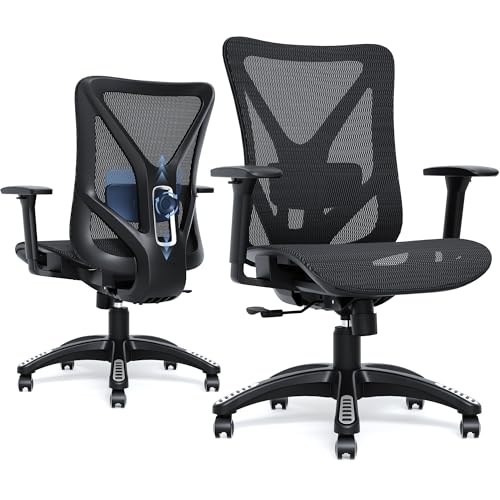
Shopping for the best chairs for back pain at home for the first time? Learn the terms, compare options, and avoid rookie mistakes with this easy guide.
Buying a chair for a sore back sounds simple until the listings start throwing around terms like lumbar support, tilt lock, and foam density. The best chairs for back pain at home are rarely the plushest ones on the page; they are the ones whose seat height, depth, and back support fit your body and your rooms. This guide starts with the plain basics, explains each spec in everyday words, and flags the mistakes new buyers make most, with the comparison table below as your shortcut.
One honest note up front: a chair can make sitting more comfortable, and it cannot treat back pain or fix its cause. If pain is severe, keeps getting worse, spreads into a leg, or comes with numbness or weakness, see a doctor or physical therapist rather than shopping for a cure. If none of that applies, the fit checks below will help you choose with confidence. That is how the best chairs for back pain at home become easier to judge, one clear check at a time.
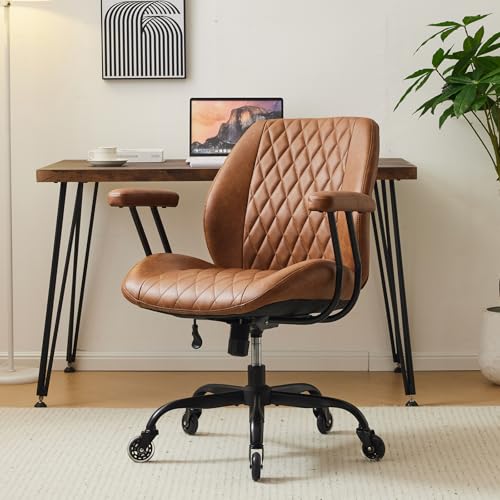
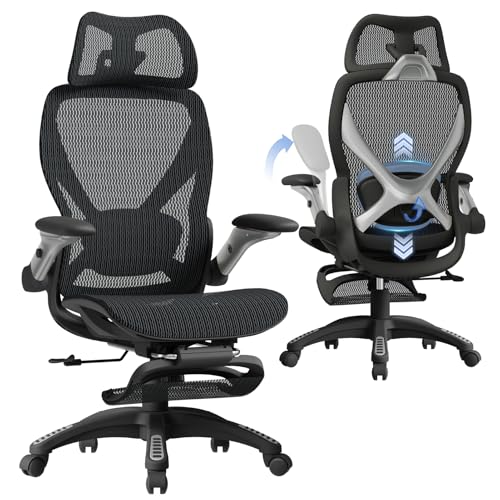
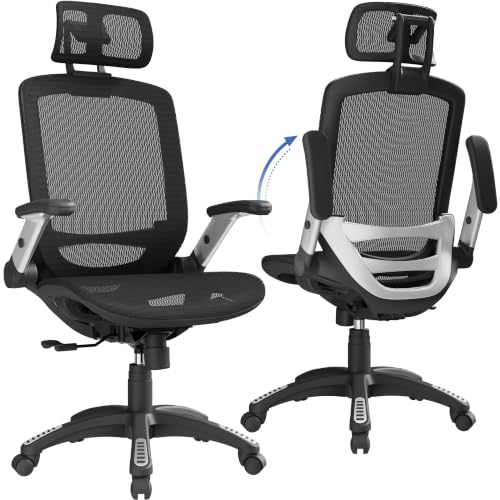

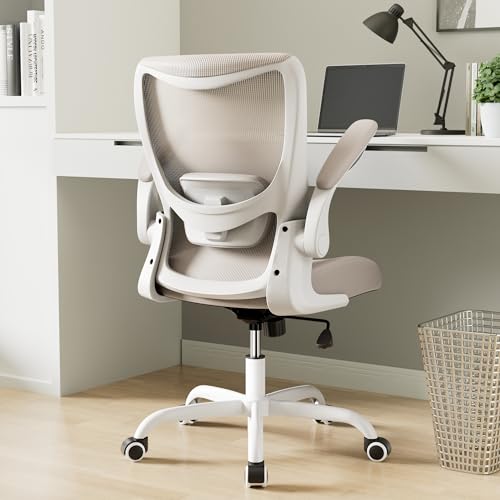

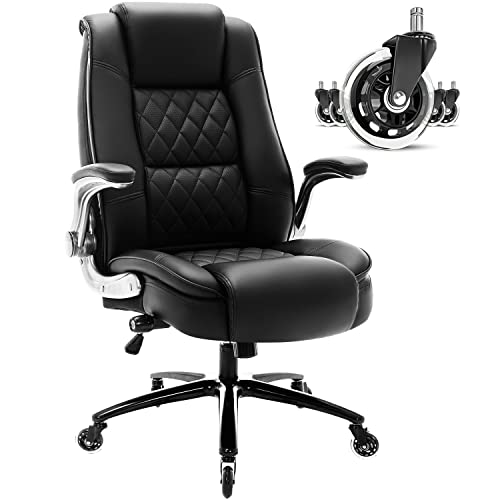
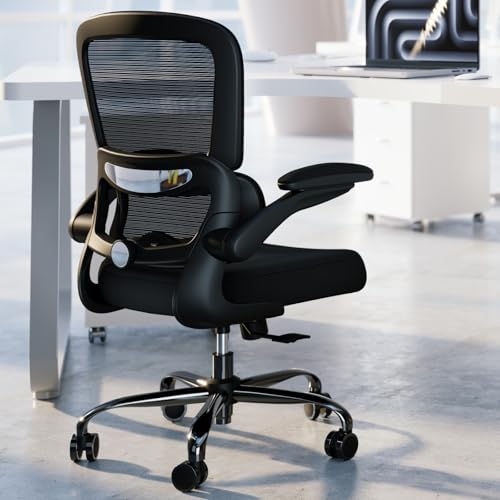
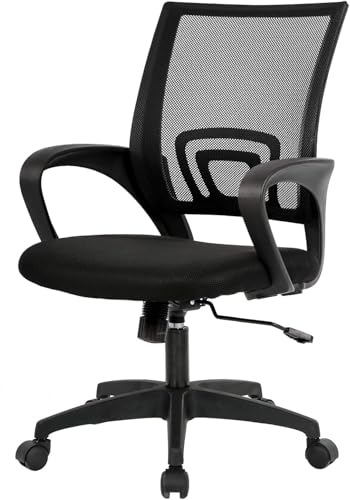
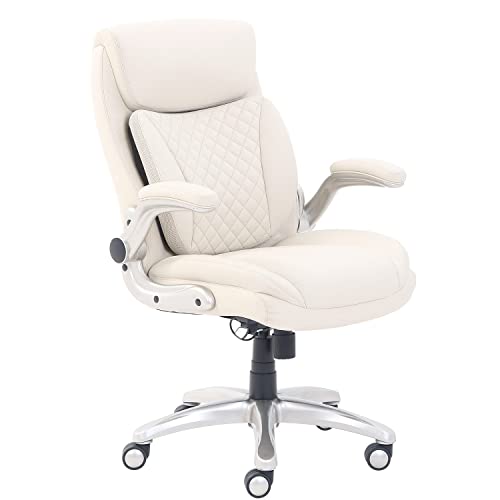
Chairs 101: The Basics
A chair for home use has a few working parts worth knowing by name. The seat is what you sit on, the backrest supports your back, the gas lift is the piston that raises and lowers the seat, and the base and casters carry the whole load. Lumbar support is a curve or pad placed where your lower back curves inward. Tilt lock lets you fix the backrest angle or let it move with you.
Home chairs work harder than office chairs in one quiet way: they serve more kinds of sitting. The same chair might cover a morning at a laptop, lunch at the table, and an evening of reading. That mix is why fit checks matter more than category labels, and why a chair sold for an office can still be the right answer at home if its measurements suit you and the room.
Key Specs Explained in Plain English
Features That Matter for Back Pain at Home
Support is not a feeling you guess at in a store; it is read from three things. Seat height decides whether your feet rest flat, seat depth decides whether the front edge presses behind your knees, and the lumbar curve decides whether your lower back rests against something or hangs in space. When those three line up with your body, your muscles can relax instead of bracing, and when one is off, the others rarely rescue it, which is why this trio outranks padding thickness. Readers comparing nearby options can also see our guide to best chairs for lower back pain at home, which uses the same three checks.
Ergonomics and Adjustability
Ergonomics simply means the chair can be set to your body instead of the other way around. The adjustments that matter most are seat height, usually spanning about 17 to 21 inches, lumbar support you can raise, lower, or remove, and armrests that move so your shoulders can drop. A tilt lock with two or three positions lets you sit upright for typing and lean back for calls. Our guide to best chairs for back support at home goes deeper on how support placement changes as you adjust each control.
Materials and Upholstery
Mesh backs breathe and flex gently, a good match for warm rooms and long sits. Fabric seats feel soft and grip clothing, which helps you stay back in the seat, but they hold spills and need more cleaning. Leather look surfaces wipe clean in seconds, a real plus at a dining table, though they can feel warm in summer. At home, cleaning matters more than in an office, so weigh how each surface handles crumbs, pets, and the occasional drink before you fall for a color.
Comfort and Cushioning
Comfort comes from foam density more than foam thickness. A very soft, thick cushion feels wonderful for ten minutes and then bottoms out, leaving you sitting on the hard base beneath. Medium firm foam of about three to four inches keeps its support through a full evening. High density foam holds that support for years instead of months, so if a listing praises plushness but never mentions density, treat the comfort claim as unproven and lean on the return policy instead.
Matching the Chair to Each Room at Home
A home chair rarely serves one room, and each room reads its own fit. At a desk, the chair needs height range and armrests that clear the desktop, which is the ground covered by our guide to best home office chairs for back pain. At a dining table, it needs a seat height near 18 inches and no casters bumping table legs.
For reading or television, a taller back and a gentle recline matter more than fine adjustments. Decide which room matters most, buy for that one first, and let the other rooms make do.
Warranty and Return Policy
Look for a frame warranty of at least a few years and separate coverage for the gas lift, the part most likely to fail first. Just as important is the return window: a back judges a chair over full days, not minutes, so a home trial of about 30 days protects you far better than a showroom sit. Keep the box until the trial ends. If returns require the original packaging, that small habit saves real money.
Rookie Mistakes to Avoid When Buying Chairs for Back Pain at Home
- Buying the softest cushion on the floor, then bottoming out on the hard base within an hour.
- Choosing by looks and skipping seat depth, so the edge presses behind the knees all evening.
- Assuming one chair must serve the desk, the dining table, and the couch equally well.
- Checking a chair for two minutes in a store instead of using the home return window over real days.
- Expecting a chair to cure back pain, and skipping a clinician when warning signs call for one.
Getting Started: Setup and First Use
Assembly is mostly a matter of patience: build the base, set the lift into it, then attach the seat and backrest, and tighten every bolt again after the first week of use. Start with the seat height so both feet rest flat, then place the lumbar support against the curve of your lower back, then set the armrests so your shoulders can drop. If the chair anchors a daily work corner, our guide to best work from home chairs for back pain covers desk pairing in more depth.
Build the standing break into the routine from day one. A home chair, however good, is still a chair, and getting up to walk for a couple of minutes every half hour is part of using it well. The habit protects your back more than any single feature, and it costs nothing. During the first week, change one setting at a time and live with it for a day, so you learn which adjustment actually helped.
FAQs
What features matter most in chairs for back pain at home?
Seat height, seat depth, and a lumbar curve that meets your lower back matter most, in that order. One check new buyers miss is dressing the part: judge a chair while wearing the clothes and footwear you actually use at home, since thick slippers or bare feet change your seat height by enough to matter. Sit for at least fifteen minutes in your normal posture rather than perching upright for the salesperson or the camera. If your feet still rest flat and your back still touches the support at the end, the fit is real.
How do I choose the right size?
Measure your lower leg from the floor to the crease behind your knee while sitting, wearing your usual indoor shoes; that number is your target seat height. A household trick helps before you buy: stack books or a firm box to that height, sit on it at your table, and check that your feet rest flat and your thighs sit level. If your feet dangle, the chair you want needs a lower minimum height or you need a footrest in the budget. Write the measurements down and compare them with the listing, not with your memory.
What features matter most for long hours?
For long hours, adjustability and position change matter most: a backrest that unlocks, armrests that move out of the way, and a seat that stays supportive past hour two. One point buyers overlook is having a second sitting option, even a plain dining chair, because swapping seats changes your posture more than any single perfect chair can. Rotate between the two across the day. Add a timer for standing breaks, and long hours become a routine your back can live with rather than a trial of endurance.
Is an expensive chair worth it?
An expensive chair is worth it when you sit at home for most of the day and the extra money buys adjustment range and a longer warranty. Do the simple math: a chair that serves six years of daily use costs only a few cents per sitting hour even at a high price. The biggest jump in value usually sits in the middle band, where depth adjustment and better foam first appear. Above that, you pay for finish and fine tuning, so spend up to the middle band first and go higher only if your sitting hours justify it.
How long should a good chair last?
A good chair should last about five to eight years of daily home use. The first sign of age is usually the gas lift slowly sinking during the day, long before the frame shows wear. On better chairs the lift, casters, and arm pads can be replaced one at a time, which stretches the life of the whole chair for a small cost. Foam that has gone flat in the center is harder to rescue, and when the seat feels like a hammock and the lift sinks daily, replacement is the honest answer.
The Bottom Line
For a first purchase, keep the decision small: feet flat, knees clear of the seat edge, and a lumbar curve that actually meets your back. The product table above gathers chairs you can compare on exactly those points, room by room and budget by budget. Chosen that way, the best chairs for back pain at home stop being a gamble and become what they should be, a comfortable place to sit that quietly supports the way you live.

