
Best Affordable Office Chairs for Back Pain: Which One Fits the Way You Use It in 2026?
Disclosure: We may earn a commission when you buy through links on this page, at no extra cost to you. As an Amazon Associate I earn from qualifying purchases. Learn more
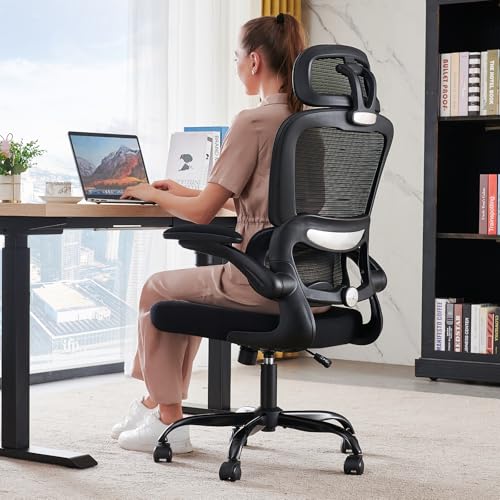
Compare affordable office chairs for back pain by seat depth, adjustable lumbar support, build quality and price tier, with a clinician warning on lasting pain.
There is no single chair that suits every back, because the hours you sit, the desk you use, and the shape of your body all change what feels supportive by afternoon. Shoppers comparing best affordable office chairs for back pain do better when they start with fit rather than price tags. This guide groups buyers by the way they work, then covers the details that decide whether a chair still feels kind at day's end. The comparison table below puts the key specs side by side.
One limit matters before anything else: a chair is comfort furniture, not a treatment, and no seat can cure pain. What a well fitted chair can do is hold a neutral posture, spread pressure, and adjust as your day changes. The sections below cover who should buy which style and the warning signs that mean a clinician comes first.
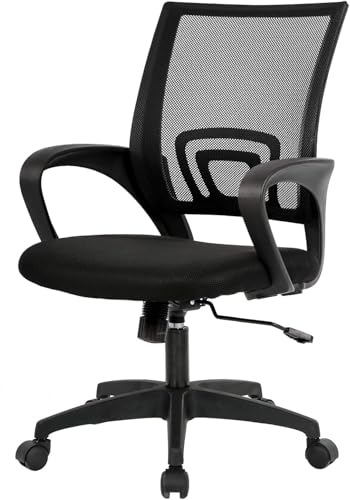
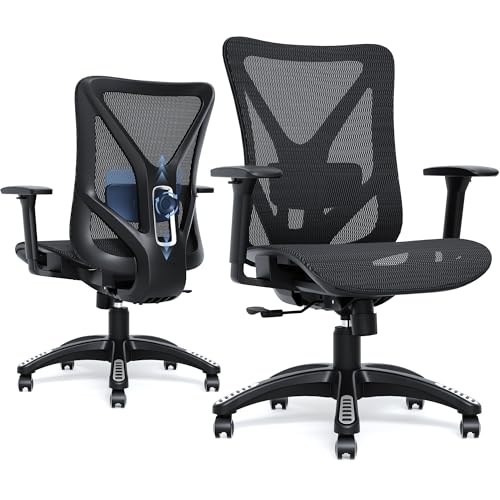
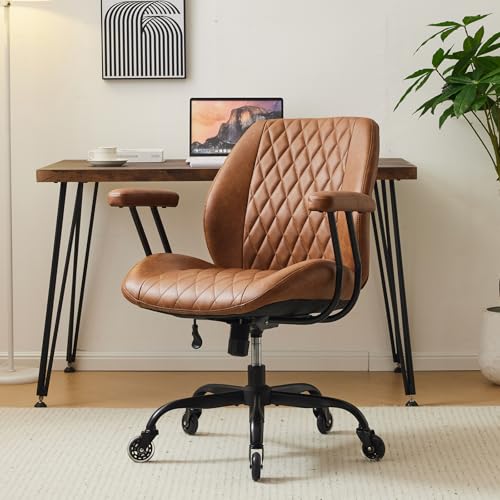

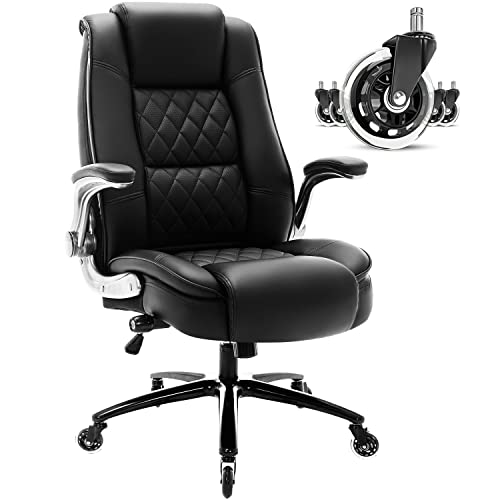
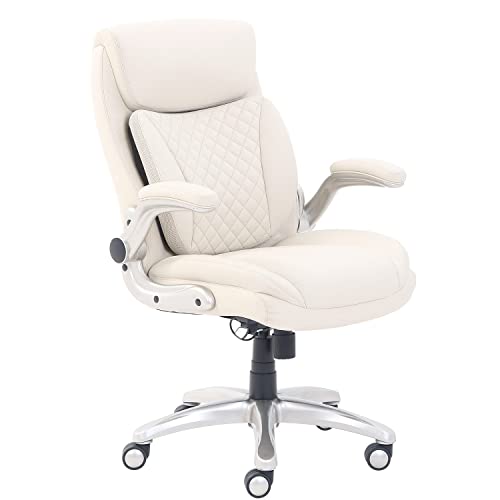
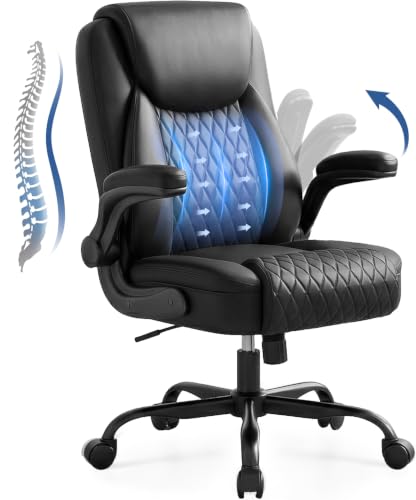
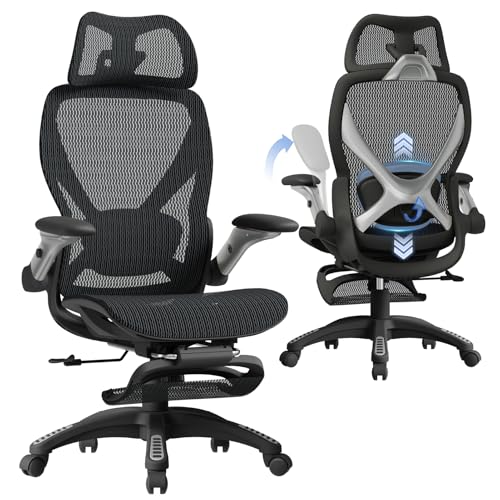

Who Should Buy Which Office Chair?
Start with your own routine, because a chair that suits an evening session can fail someone at a desk all day. Match your group below.
For Full Day Desk Workers
If you sit six or more hours at a stretch, your back needs support that outlasts your first coffee. Prioritise a seat depth that leaves a gap behind your knees, a lumbar pad whose height you can move, and a tilt lock for shifting position. A waterfall seat edge eases pressure under your thighs. Skip fixed backs and thin pads, because both run out of comfort long before your shift ends.
For Value Seekers on a Tight Budget
A tight budget works when the money lands on the parts that carry you. Put the frame, the gas lift, and the foam first, and let extras like headrests go. Dense foam that holds its shape beats a thick soft pad that flattens within months. Judge value by fit per dollar, not by the length of the feature list.
For First Time Buyers Setting Up at Home
First time buyers should favour simple, forgiving adjustments over complex lever systems. Look for a seat height range that suits a desk of about 28 to 30 inches and a return window long enough to test the chair across several workdays. Your body needs a few days to judge a chair, so start with the middle settings and adjust one thing at a time.
For Gift Shoppers Buying for Someone Else
Buying a chair for another person is risky because you cannot measure their body or feel their posture. Choose the most adjustable chair your budget allows, since wide adjustment ranges forgive size differences. Mid sized seats suit the most people, and a generous return policy protects you if the fit misses. When in doubt, a gift card toward a chair beats a guess.
Best Office Chairs for Specific Needs
General advice only goes so far, because backs differ.
Best Affordable Office Chairs for Your Back
Your back sets three numbers: seat depth matched to your thigh length, lumbar height matched to your curve, and seat width matched to your hips. Sit fully back, leave about two to three inches behind your knees, and set the pad at the curve of your lower back. Chairs that let you set all three, like those among the best ergonomic office chairs for back pain, keep support personal instead of generic.
Key Features to Compare
Fit Starts With Seat Depth
Fit governs how an office chair treats your back, and seat depth is where fit begins. A seat that runs too deep pushes you into a slouch, because your lower back leaves the backrest, while a short seat concentrates pressure under your thighs. Aim for a depth of about 17 to 19 inches, and check the gap behind your knees with two or three fingers. Readers comparing the best chairs for office back pain will notice that adjustable depth appears mainly above the lowest prices.
Lumbar Support You Can Adjust
Lumbar support only helps when it meets your back where your back actually curves. Treat lumbar support as an adjustable class: height adjustment matters most, depth adjustment helps finer tuning, and a fixed pad is a gamble on someone else's spine. Mesh backs flex and spread pressure across a wider area. If your aches sit higher, the best office chairs for upper back pain shift support upward.
Height, Arms, and Tilt
Seat height should let your feet rest flat with your knees near a right angle, and most budget chairs adjust across about 17 to 21 inches. Armrests earn their cost when they move up, down, and sideways, because fixed arms that sit too high shrug your shoulders. A tilt lock with tension control lets you recline slightly and change posture, which your back reads as relief. If your hips ache too, scan the best office chairs for hip and back pain, where seat width and cushion shape do more of the work.
Build Quality and the Frame
The frame decides how long the comfort lasts. A steel or reinforced base outlasts thin plastic, and a class 4 gas lift is the budget benchmark. Seat width runs about 18 to 20 inches on standard chairs and about 22 to 26 inches on wide models, so measure your hips first. Rated capacity sits at about 250 lb for standard builds and about 300 lb or more for heavy duty frames.
Cushioning and Foam
Cushioning is a comfort layer, not a cure, and its job is to spread pressure evenly. High density foam holds its shape through long days, while soft foam feels plush for a week and then bottoms out against the seat board. If your neck joins your back, compare the best office chairs for back and neck pain, where headrest height and backrest height enter the decision.
When Pain Needs More Than a New Chair
A better chair supports comfort, but some symptoms are not a shopping problem. See a clinician promptly if pain lasts beyond a few weeks despite rest, if numbness or tingling spreads into a leg, if pain shoots below the knee, if a leg feels weak, or if pain follows a fall. Changes in bladder or bowel control with back pain need urgent care the same day. Persistent or worsening pain should be assessed by a clinician before you spend money treating the chair as the fix.
What Your Money Gets You
With the health line clear, the tiers below show what each step up actually buys, and where the spending stops helping.
Entry Tier, About $100 to $200
At about $100 to $200 you get the fit basics: seat height adjustment, a fixed or simple lumbar shape, and basic tilt. Expect thinner foam, nylon bases, and shorter warranties, and know this tier suits lighter use. Do not save money here by accepting a seat depth that does not fit you, because no upgrade fixes a pan that is the wrong size.
Middle Tier, About $200 to $350
At about $200 to $350 the adjustments multiply: sliding seat pans, lumbar pads that move, and armrests that adjust in two or three directions. Foam gets denser, gas lifts get stronger, and warranties stretch. For most full day workers with ordinary aches, this tier holds the value, since every added feature still serves fit. The product table above shows how the middle tier chairs balance these adjustments against price.
Upper Tier, About $350 to $500
At about $350 to $500 you mostly buy build quality: steel frames, stronger lifts, better mesh, and parts that can be replaced. Fit gains grow smaller at this step, so buy this tier for durability and warranty rather than for extra comfort claims.
Common Mistakes to Avoid
- Choosing by the lowest price alone, which usually means a seat depth and lumbar shape that fit nobody.
- Ignoring the gap behind your knees, so a deep seat pushes you into a slouch.
- Buying a wide or compact chair without measuring your hips and your desk space first.
- Skipping the warranty terms, then finding that the gas lift, the part most likely to fail, is covered for only a year.
- Expecting a chair to fix pain on its own, instead of pairing it with breaks, movement, and medical advice.
How to Make Your Office Chair Last Longer
Set the seat height so your feet rest flat, and recheck it after anyone else uses the chair. Tighten the bolts every few months, because small movements loosen them and a wobbling frame strains your posture. Vacuum or wipe the upholstery regularly, and clear hair and grit from the casters so they roll instead of dragging. Replace a sinking gas lift early rather than sitting lower each month.
Frequently Asked Questions
What features matter most in office chairs for back pain?
Seat depth and adjustable lumbar support matter most, because they decide whether the backrest meets your lower back at all. After those two, look at seat height range and a tilt lock you will actually use. One point the feature sections leave out is your desk: a chair set perfectly still fails if the desk is too high, because raised shoulders tire your upper back.
How long should a good office chair last?
A budget office chair usually lasts about three to five years of daily use, while a stronger build can serve about five to eight years. The gas lift is normally the first part to fail, showing up as a seat that sinks slowly during the day. Foam tells the second story: once you can feel the seat board through the pad, the cushioning has finished its work.
How do I choose the right size office chair?
Start with three measurements: your lower leg length for seat height, your hip width for seat width, and your thigh length for seat depth. The seat should sit a little below knee height, leave about an inch of space at each hip, and stop about two to three inches behind your knees. Also measure the clearance under your desk, because armrests that cannot slide under it push you too far from your keyboard.
Is an expensive office chair worth it?
An expensive chair is worth it mainly for build quality, longer warranties, and replaceable parts, not for dramatic comfort leaps. Past the middle tier, each extra dollar buys smaller fit gains, so a well fitted midrange chair usually beats a costly chair that fits you poorly. One factor rarely listed is parts availability: makers who sell replacement lifts and pads let you repair a chair instead of replacing it whole.
What features matter most for long hours?
For long hours, choose adjustable lumbar support, a seat depth that fits, and a tilt mechanism that encourages small posture changes. Breathable mesh helps across a full day, and armrests that move out of the way give your shoulders a rest. The point no chair can cover is movement itself: stand, stretch, or walk for a few minutes every half hour or so, because your back is built to change position.
Final Thoughts
The right chair is the one that fits your body, your desk, and your budget. Start with seat depth, insist on adjustable lumbar support, and let the frame and foam decide between close options. When you are ready, compare the best affordable office chairs for back pain in the product table above and pick the fit that matches the way you use your desk.


