Best Chairs for Lower Back Pain at Home in 2026: Everything to Know Before Your First Purchase
Disclosure: We may earn a commission when you buy through links on this page, at no extra cost to you. As an Amazon Associate I earn from qualifying purchases. Learn more

Shopping for the best chairs for lower back pain at home for the first time? Learn the key terms, compare chair types, and set up your seat with confidence.
Buying your first supportive chair for home is confusing mostly because the labels promise more than any chair can do, so let us start with the plain truth. No chair treats, relieves, or fixes back pain or a back problem, whatever the box says. What the best chairs for lower back pain at home can honestly offer is comfort: a seat shape and setup that make a supported sitting position easier to hold while you read, watch television, or work at a kitchen table.
This guide walks a first time buyer through the whole decision in order, from the health questions to settle before shopping, through the basic terms, to the specs that matter and the setup that makes a chair feel right. The comparison table below gathers the main chair types in one place, and each section that follows explains one part of the choice in plain English.
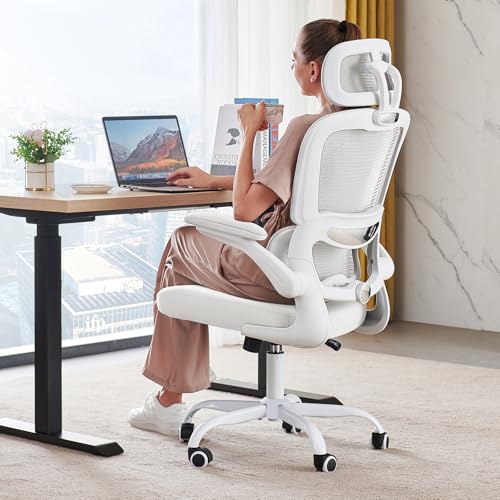

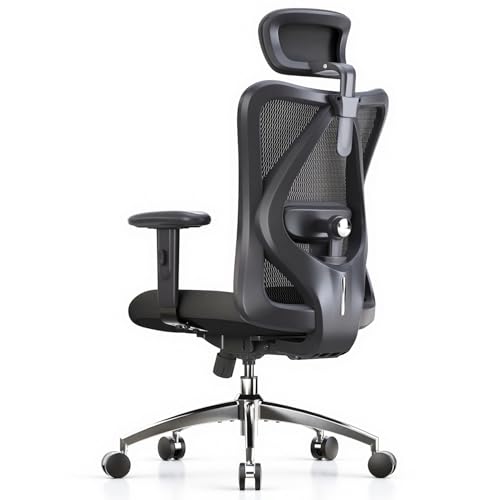
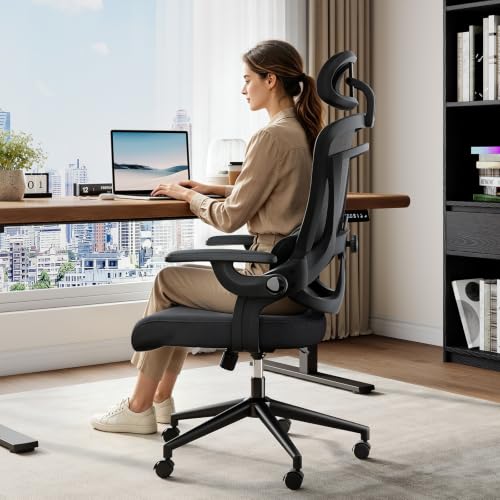
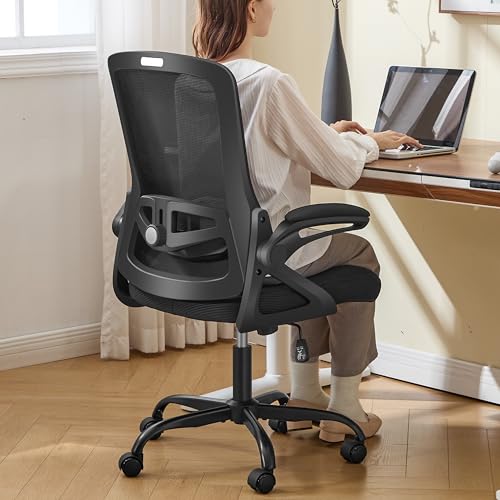
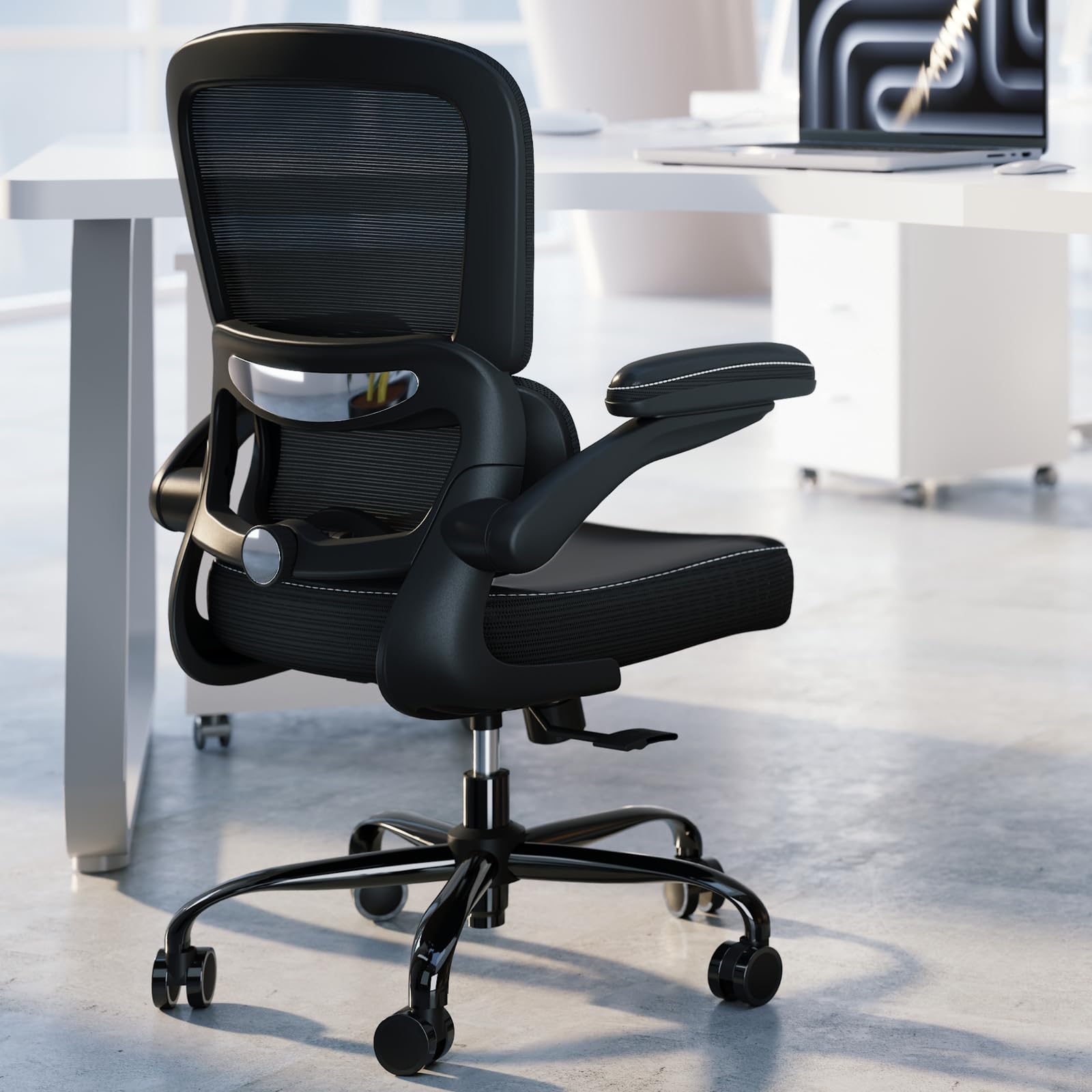
Read This First: What a Chair Can and Cannot Do
Before any talk of types or prices, settle the health side. Some back symptoms are not a shopping problem at all, and no chair purchase should delay proper care. Talk to a doctor promptly if your back pain persists beyond a few weeks or keeps getting worse, and seek care sooner if you notice any of the following signs.
- Pain that keeps worsening instead of easing, or pain that follows a fall or injury.
- Numbness, tingling, or weakness in a leg or foot.
- Fever alongside back pain, or pain that wakes you at night and never settles.
- Any change in bladder or bowel control, which needs urgent medical attention.
A clinician can also tell you whether a chair is even the right purchase for your situation, or whether your money belongs elsewhere first. Shelf labels and search terms such as best chairs for back pain at home describe chairs sold for home comfort; they are shopping labels, not medical claims, and a chair bought under any label stays a comfort purchase.
Set your expectations around two honest points. First, setup geometry does most of the work: seat height, feet supported, and the position of your screen or book decide more than any single feature. Second, movement is the larger half of comfort at home. Standing up, walking to the kitchen, and changing position regularly will do more for a long evening than the most elaborate chair, so shop for a chair that supports a good position and a routine that includes breaks.
Chairs 101: The Basics
A supportive home chair is ordinary seating built around a few shaping ideas. The backrest carries a curve or an adjustable pad at belt height, called lumbar support, which fills the natural hollow of the lower back so you can sit back instead of perching. The seat pan is the part you sit on, and its depth, the distance from the front edge to the backrest, decides whether the edge presses behind your knees. Most home chairs adjust height through a gas lift, a sealed cylinder that raises and lowers the seat with a lever.
A few more terms cover most listings. Tilt lock holds the backrest at a chosen angle instead of letting it float. Weight capacity is the maker rating for the load the frame and lift are built to carry, and you should choose a chair rated above your own weight with room to spare. Retail listings group many of these designs under labels such as best home chairs for lower back pain, which simply means chairs shaped for long sits in living spaces rather than at an office desk.
Key Specs Explained in Plain English
Features That Matter for Lower Back Pain at Home
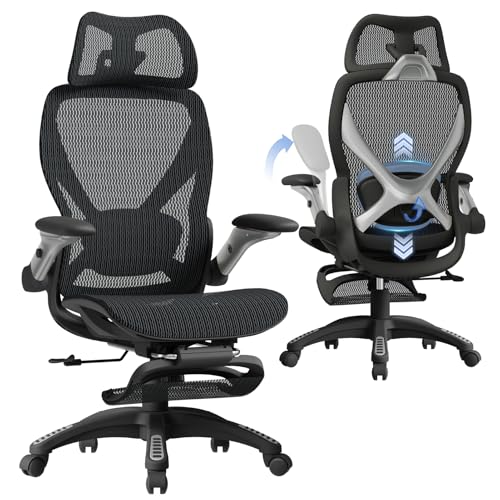
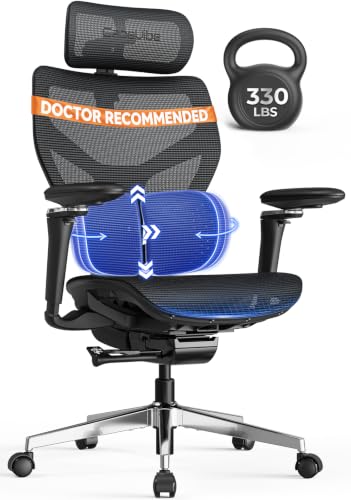
Home sitting is different from office sitting, and the features that matter follow from that. Home chairs serve several rooms and several activities, so an adjustable lumbar pad you can move or remove beats a fixed curve shaped for someone else. A backrest that reclines a little suits reading and television, while a seat that stays level suits table work. Because home sessions are often long and unplanned, breathable materials and a seat that does not grow hot matter more than they would in a one hour office sit.
Ergonomics and Adjustability
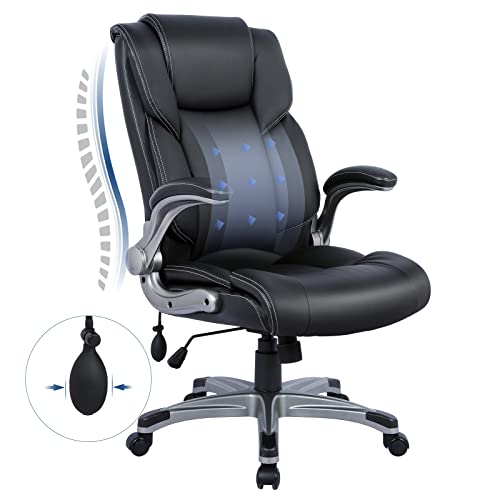
Adjustability is valuable only where it changes your position. Seat height adjustment is essential, because it sets whether your feet rest flat and your knees sit level with or slightly below your hips. An adjustable lumbar pad is the next most useful control, since backs differ and a pad you can raise, lower, or remove can be matched to your own curve. Armrests that adjust in height help your shoulders drop, but fixed arms at the wrong height do harm, so treat arms as optional. Tilt tension and lock are comfort extras; nice to have, rarely decisive.
Build Quality and Frame
The frame and lift decide how long a chair keeps its shape and support. A steel frame and a five point base give a stable platform that does not creak or flex as you shift, and a class 4 gas lift is the stronger cylinder class for buyers who adjust height daily. Read the warranty as a build signal: makers who expect a chair to last tend to cover the lift and frame for longer. A chair that wobbles when new will not improve with use, so stability on the first sit is a fair test.
Size, Dimensions, and Weight Capacity
Measure two things before ordering: yourself and the room. For yourself, the key figure is seat depth. Sit against a wall and measure from the wall to the back of your knees; the chair seat should be a little shorter than that, leaving a small gap behind the knees when you sit fully back. For the room, check the chair footprint against the corner it will live in, including space to lean back and to get in and out. Finally, match the stated weight capacity to your own weight with a margin, since sitting down adds force beyond standing weight.
Materials and Upholstery
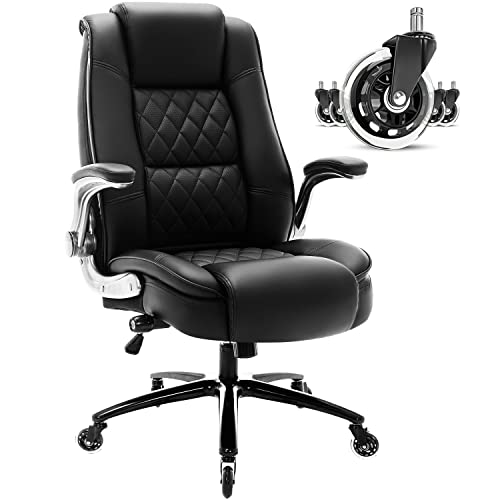
Mesh backs let air move and suit warm rooms and long summer evenings. Fabric seats feel soft on contact and grip clothing slightly, which some readers like because it discourages sliding forward. Leather style finishes wipe clean, which suits chairs that double at a dining table, but they can feel warm in summer and stiff in cold rooms. Foam quality matters underneath every finish: high density foam keeps its shape and support for years, while soft low density foam flattens early and quietly removes the support you paid for.
Style and Room Fit
At home, a chair has to fit a room as well as a body, and the corner it serves shapes the right choice. A reading corner suits a chair with a gentle recline and a higher back. A television corner suits a wider seat and arms at a relaxed height. A desk corner in a spare room calls for a more upright chair with a compact footprint; that corner overlaps with best desk chairs for lower back pain, a workplace class designed for desks, though many buyers happily use one chair class for both corners. Compact and space saving designs exist for small flats, and they trade recline range and seat width for a smaller footprint.
What the Price Bands Buy
Chairs under about $150 usually offer a shaped backrest and basic height adjustment, with thinner foam and shorter warranties. The band from about $150 to $350 is where first time buyers usually land: adjustable lumbar pads, better foam, stronger lifts, and frames that stay quiet. Above about $350 you are paying for finer adjustments, premium materials, and longer coverage rather than a different level of support. No band buys a medical result, and a well set up mid range chair beats a costly chair left at the wrong height.
Rookie Mistakes to Avoid
- Believing a label that promises a chair will fix your back, instead of treating the purchase as a comfort decision.
- Skipping the clinician step when pain is new, worsening, or paired with numbness or weakness in a leg.
- Choosing a seat that is too deep, so the front edge presses behind the knees and you end up perching forward.
- Buying the largest chair in the range for a small room, then sitting twisted because it never quite fits the corner.
- Judging comfort in the first two minutes and never adjusting the height, the pad, or the room setup afterward.
Getting Started: Setup and First Use
Setup takes ten minutes and decides how the chair feels for years. Assemble the chair on a soft surface, tighten every bolt firmly, then set the seat height so both feet rest flat on the floor with your knees level with or slightly below your hips. Position the lumbar pad at belt height, where your lower back curves inward. If the chair serves a desk corner, raise the screen or your book so you are not bending your neck down for long stretches.
Give the chair a fair trial of about a week before judging it, because your body needs a few days to settle into a new sitting shape. Small changes help: a cushion under your feet if the seat cannot go low enough, or a folded towel behind the pad if you want it firmer while you decide. Build the break habit from day one. Stand, walk, and stretch lightly every half hour or so, and treat any new or worsening symptom as a reason to talk to a doctor, not to buy another accessory.
Frequently Asked Questions
What features matter most in chairs for lower back pain at home?
An adjustable lumbar pad, the right seat depth, and proper seat height matter most. The pad should sit at belt height and be movable, because backs differ. The seat should leave a small gap behind your knees, and the height should let your feet rest flat. These three decide whether the chair supports the position you sit in. Frame strength and foam density come next, since they decide whether that support is still there after a year of evenings.
How do I choose the right size chair for lower back pain at home?
Start with seat depth: measure from a wall to the back of your knees while seated, and pick a seat a little shorter than that measurement. Then check seat width against your hips with a small margin, and confirm the chair is rated above your weight. Finally, measure the corner where the chair will live, including room to recline slightly and to stand up. A chair that fits your body but not the room will be sat in badly, which defeats the purchase.
Is an expensive chair worth it for lower back pain at home?
An expensive chair is worth it when the money buys durability and adjustment: denser foam, a stronger lift, a pad you can position, and a longer warranty. It is not worth it when the price buys styling or a longer feature list you will never touch, and no price buys a treatment or a cure. Most first time buyers get the honest middle of the market, about $150 to $350, and set the chair up carefully.
How long should a good home chair for lower back pain last?
A good chair should last about five to eight years of daily home use. Foam usually tires first, showing up as a seat that feels flat, followed by the lift if it starts to sink. Frames and bases often last longer, so a chair with a replaceable lift cylinder can be kept in service cheaply. Chairs used only for weekend reading may last well beyond this range, while chairs in all day use sit at the short end of it.
What features matter most for long hours of sitting at home?
For long hours, foam density and breathability matter most, because a seat that flattens or grows hot will push you into worse positions as the evening goes on. A backrest that lets you change angle slightly also helps, since no single position stays comfortable forever. The honest answer includes your routine, though: a timer that gets you standing every half hour or so will help more than any feature, and a chair that makes a supported position easy is the partner to that habit, not a replacement for it.
The Bottom Line
Keep the order straight: health questions and a clinician where symptoms call for one, then size, then setup. The chairs that serve home buyers best pair an adjustable pad with the right seat depth, an honest frame, and a price that leaves the purchase feeling like furniture rather than a medical gamble. Compare the types in the product table above, measure your corner and yourself, and choose the best chairs for lower back pain at home for the way you actually spend your evenings.