Best Chainsaws Under $100 in 2026: Types Compared and Buying Tips
Disclosure: We may earn a commission when you buy through links on this page, at no extra cost to you. As an Amazon Associate I earn from qualifying purchases. Learn more

Find out what the best chainsaw under 100 dollars can handle, and compare corded, battery and mini types by bar length, oiler and chain brake.
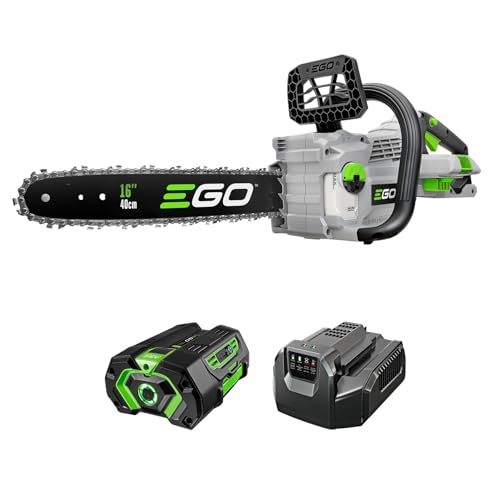
Finding a best chainsaw under 100 dollars usually starts with a fallen limb, an overgrown branch, or a pile of firewood that is too thick for loppers. At this price, the challenge is not power on paper. It is matching bar length, power type, and build quality to the wood you actually cut, without buying a tool that feels flimsy or unsafe. The product table below groups the main types by materials, size, and assembly, so you can narrow your choice before you spend anything.
This guide explains what a budget saw can handle, what it cannot, and which features still matter when money is tight. If your budget can stretch further for larger timber, see our overview of the best chainsaw options for a wider range of sizes and power levels.




Chainsaw Types at a Glance Under $100
Three types dominate this price range. Corded electric models give steady power near an outlet. Battery models trade some runtime for freedom from cords and fuel. Compact mini models suit pruning and thin branches where control matters more than cutting capacity.
- Corded electric: steady power for long sessions, as long as your work stays within reach of a suitable outdoor outlet and cord.
- Battery powered: portable and quick to start, with runtime set by the battery included in the box.
- Mini and compact: light in the hand and easy to store, built for branches rather than trunks or large logs.
Three Types Compared Under $100
Corded Electric Models for Work Near an Outlet
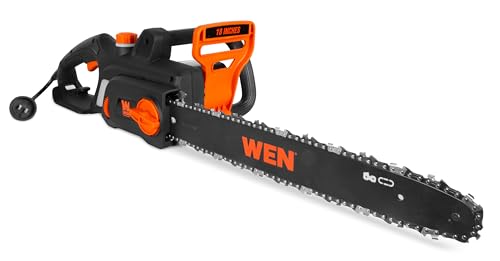
Corded electric saws are often the strongest value under $100 because you are not paying for a battery or a fuel engine. Power stays consistent through a whole session. Bar lengths in this group commonly run from about 12 to 16 inches, enough for small trees and storm debris. The limit is reach. Your cutting area ends where your cord ends, and you must route the cord behind you so it stays clear of the chain at all times.
Battery Models for Short Sessions Without Fuel
Battery saws start with a button press, run quietly compared with gas models, and need no fuel mixing or pull cord. That makes them appealing for quick jobs spread across a yard, such as trimming after a storm or cutting logs for a fire pit. Runtime is the trade off, since a small battery may only cover a modest number of cuts in thick wood. If portability matters most, compare runtimes and charger details in our guide to the best battery chainsaw before you settle on a budget model.
Compact Mini Models for Pruning and Light Branch Work
Mini saws use short bars, often around 4 to 6 inches, and weigh little enough to control with care during pruning. They shine on branches that are too thick for hand pruners but far below the size that needs a full saw. Storage is simple, and assembly is usually minimal. The limit is capacity, since a mini saw should never be pushed into trunks, stumps, or hardwood logs. Readers focused only on pruning may prefer our dedicated guide to the best mini chainsaw.
How to Judge Value at This Price
Start with the parts that affect safety and service life, not the longest feature list. Look for a working chain brake, a sturdy bar cover for storage, clear tension adjustment, and an automatic oiler that keeps the chain lubricated while you cut. Check that replacement chains for the bar length are easy to find, since a saw you cannot rechain cheaply loses its value fast. Warranty terms and parts support matter too. For a broader framework, our chainsaw buying guide explains how these basics scale up at higher prices.
How to Choose the Right Chainsaw
Size and Form Factor
Bar length should match the wood, not your ambition. A useful rule is to choose a bar at least two inches longer than the thickest cut you plan to make in a single pass. Bars from about 12 to 16 inches cover most yard cleanup, while shorter bars suit pruning and longer bars add weight without helping on small wood. Rear handle models give two handed control for ground work. Top handle models are built for trained users working at height, and they are a poor choice for general yard use.
Power Type
Corded models deliver steady output but tie you to an outlet. Battery models free you to move, yet cutting speed drops as the charge fades, and thick hardwood drains a pack much faster than soft pine. Gas models with useful power rarely appear under $100 in good condition, so be cautious of claims that sound equal to larger saws. Think about where you cut, how long a typical session lasts, and whether you already own batteries from the same platform, since a shared pack can change the real cost.
Features Worth Paying For
A few features earn their cost even on a budget saw. An automatic oiler protects the bar and chain from heat and wear. Tool free tension adjustment, where offered, speeds up a task you will do often. A chain brake that stops the chain when the saw kicks back is a core safety feature, not a luxury. A battery and charger included in the box also matters, because a bare tool price can mislead. A carrying case is nice for storage, but it should never outrank the brake, the oiler, or chain quality.
Weather Resistant Materials
Budget saws use a mix of polymer housings and metal drive parts, and the balance tells you a lot. Look for a housing that feels solid at the seams, a bar made of steel, and controls you can operate while wearing gloves. No saw in this price range should be used in rain or stored outdoors. Resistance here means the tool shrugs off dust, sap, and damp grass during normal yard work, then gets wiped down and put away dry.
Size for Your Space
Consider storage and work space together. A 16 inch saw needs shelf space where the bar cover stays on and children cannot reach it. A mini saw fits in a tote with your pruning tools. If your lot produces mostly branches under six inches across, a compact saw covers nearly every job. If you clear fallen trees each season, renting for those rare big jobs can make more sense.
Assembly and Secure Handling
Most budget saws arrive with the bar and chain separate, so plan on ten to twenty minutes of assembly with gloves on. Fit the chain in the correct direction, set tension so the chain lifts slightly from the bar but still moves freely by hand, then recheck tension after your first few cuts. Secure the wood before cutting. Use a sawbuck or a stable support so the log cannot roll, never hold wood with your hand or foot, and keep both hands on the saw while the chain moves.
Care and Storage Outside the Cutting Season
After each session, let the saw cool, remove debris from around the bar and sprocket, and check the oil reservoir before it runs dry. Keep the chain sharp, since a dull chain makes the motor work harder and tempts you to push down, which raises risk. Drain or manage fuel only applies to gas models, but battery packs should be stored indoors at a partial charge. Our step by step guide on how to clean a chainsaw covers the deeper routine for the bar, chain, and housing.
How Much Should You Spend
Under about $50, expect mini saws and very light duty tools for thin branches only. Between about $50 and $100, you reach full size corded models and entry battery models that can handle real yard cleanup. Moving up to about $100 to $200 usually buys stronger motors and larger batteries. Within this guide, spending near the top of the range makes sense when it buys a chain brake, an automatic oiler, and a battery included in the box.
What You Get and Give Up Under $100
The best chainsaw under 100 dollars for a typical yard handles the jobs most yards produce each year: pruning limbs, cutting storm debris into manageable pieces, and breaking down small trees or firewood rounds of modest size. For many readers, that is exactly the profile described in our guide to the best chainsaw for homeowners, where occasional use matters more than daily output. Starting is easy, upkeep is light, and storage takes little room.
What you give up is reserve power and durability under heavy load. Thick hardwood, long sessions, and trunks near the full bar length will slow a budget saw and wear its chain quickly. Parts such as housings and adjustment knobs may feel less solid than those on pricier models. Treat the saw within its limits, wear eye, ear, hand, and leg protection, and stop work and seek training or professional help if a cut involves leaning trees, hung limbs, or anything above shoulder height. Those jobs carry risks that no budget tool reduces.
FAQs
What is the best chainsaw under $100?
The best choice is the type that fits your wood and your work area, with a chain brake, an automatic oiler, and a bar matched to your thickest cuts. For most yards near an outlet, that is a corded model around 14 inches. Before ordering, confirm the return window and register the warranty, since support at this price varies more than the cutting specs do, and a simple return path protects you if the saw arrives with a defect.
Can you get a good chainsaw for under $100?
Yes, for light and occasional work, as long as your expectations match the price. A good budget saw cuts branches and small logs cleanly, starts reliably, and holds chain tension through a session. One cost many buyers miss is a spare chain. Budget about the price of a spare chain and bar oil into your purchase, since swapping in a sharp chain mid job is faster and safer than forcing a dull one through wood.
How long does a chainsaw last?
An electric or battery saw used a few times a year can serve for many seasons when it is cleaned, stored dry, and fitted with sharp chains. Wear shows first in the bar rails and the drive sprocket, not just the chain. Flipping the bar over at each chain change spreads wear across both edges and helps the bar last longer. If the saw starts cutting crooked even with a new chain, bar wear is the likely cause.
Is a chainsaw worth it?
It is worth it when yard work returns often enough that borrowing or renting becomes a hassle, or when storm cleanup cannot wait for a service. For a single large tree, hiring a professional or renting a larger saw for one day often costs less than buying. A simple test helps. If you expect at least several cutting sessions a year on wood your chosen bar can handle, owning a budget saw usually pays off in convenience alone.
How do you clean a chainsaw?
Disconnect power or remove the battery first, then brush debris from the bar groove, sprocket area, and cooling vents once the saw is cool. Wipe sap from the housing with a cloth, and check the air intake for packed dust. One point many owners skip is the oil port. Clear it gently so oil can reach the bar, since a blocked port can starve the chain even when the reservoir looks full. Never use water on electrical parts.
What is the most reliable chainsaw brand?
No single brand owns reliability at this price, and model level design matters more than the badge. A saw with available replacement chains, a clear manual, and reachable warranty support will serve you better than a famous name with scarce parts. Check that the maker lists parts such as bars, chains, and oil caps for your exact model before you buy. That parts check predicts your ownership experience far better than brand reputation alone.
Final Thoughts
A budget saw earns its place when it matches your wood, your space, and your habits. Compare the types in the product table above, favor safety features over extras, and keep the chain sharp and oiled. Chosen that way, the best chainsaw under 100 dollars becomes a practical yard tool for routine cutting, and you will know when a bigger job calls for a rental or a professional instead.