Best Chainsaw Mill for 2026: Buying Guide and Types
Disclosure: We may earn a commission when you buy through links on this page, at no extra cost to you. As an Amazon Associate I earn from qualifying purchases. Learn more
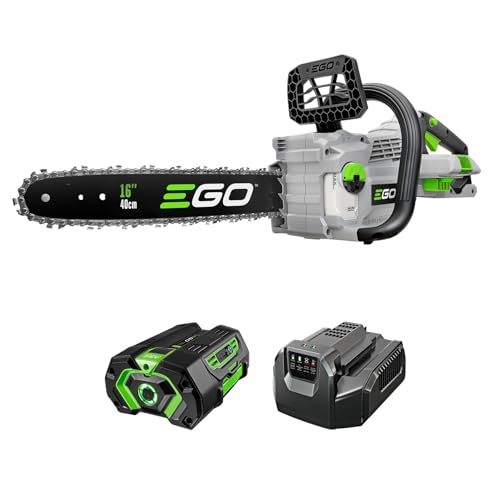
Compare chainsaw mill types, bar fit, cut width, and saw power before you buy. This guide covers setup, safety, care, and spending levels for milling logs.
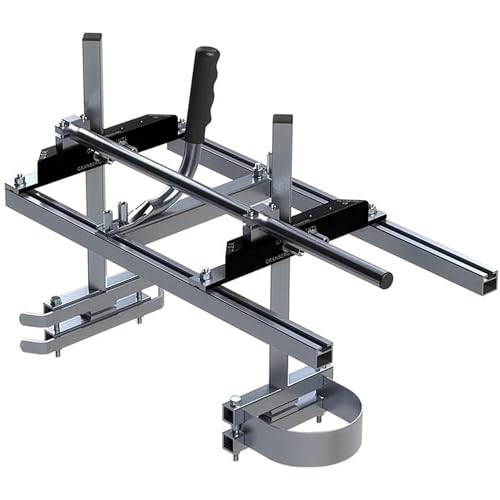
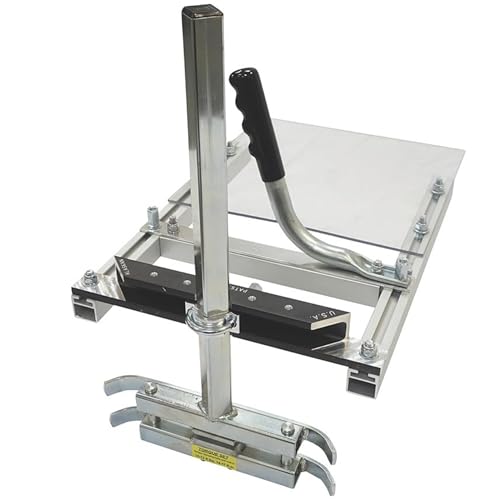
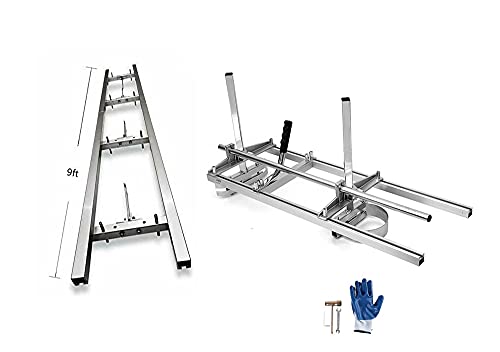
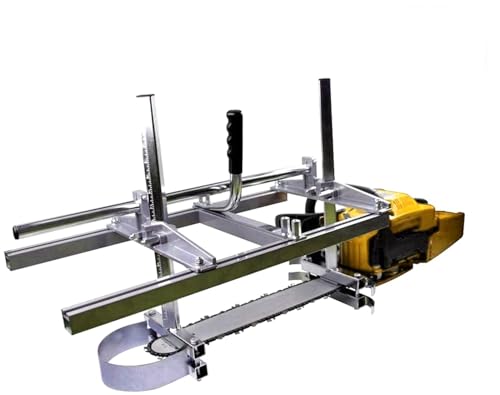
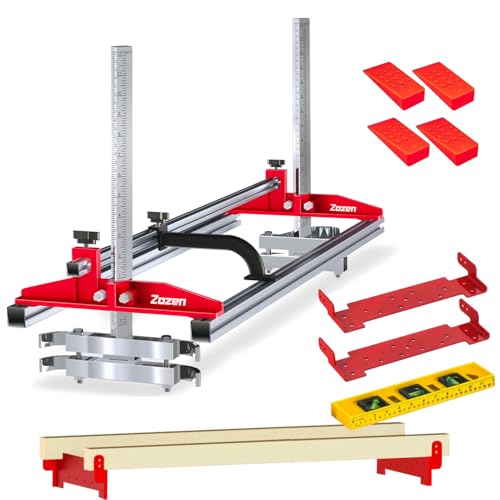
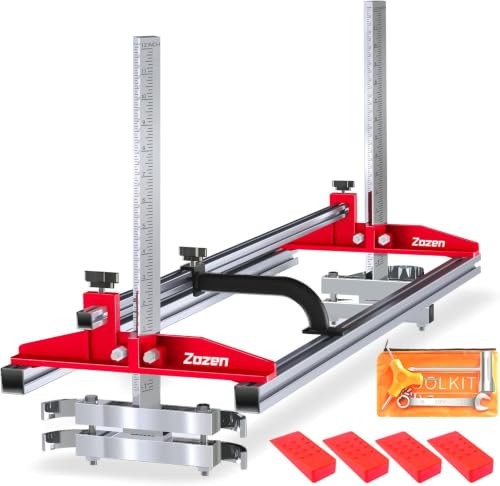
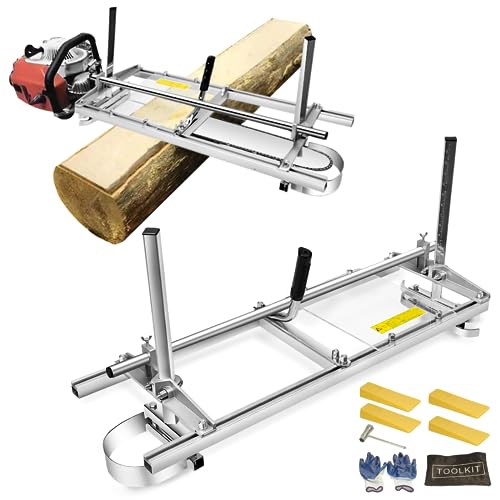
A best chainsaw mill turns a chainsaw into a portable milling rig that can cut boards and slabs from logs on site. The right mill depends less on brand talk and more on practical fit: your saw, your bar length, the widest log you plan to cut, and the kind of boards you want. The product table below shows current mills, and the table in the types section compares the main mill types, but the setup details in this guide matter just as much as the frame itself.
Milling is slower and more demanding than ordinary cutting, and it places steady load on the saw, chain, and operator. A mill that is too small for your logs will limit every cut, while a mill that is too large for your saw can be hard to control. This guide compares mill types, explains bar and chain fit, and covers safety and care steps that help you work steadily and avoid common setup errors.



Who Should Buy Which Chainsaw Mill?
Home Woodworkers and Hobby Millers
Home woodworkers often mill a few logs a year for benches, shelves, tables, and small projects. A compact mill that fits a mid size saw and a common bar length is usually enough. Look for simple clamping, clear depth adjustment, and a frame that is easy to store. You do not need the widest mill on the market if your logs are modest, and a lighter rig is easier to set up alone.
Homestead and Farm Users
Homestead users may mill fence boards, barn lumber, and beams from trees cleared on their own land. Logs vary in size, so a mill with a wider cut range and sturdy rails earns its keep. Check that your saw has enough power for long ripping cuts, and plan for fuel, chain sharpening, and a flat work area. A mill that can handle a larger log saves the need to trim valuable timber down before milling.
Small Timber and Slab Producers
Small producers who sell slabs or cut lumber often need repeatable thickness, a long rail, and a frame that stays square over many cuts. Depth control, rail rigidity, and easy chain access matter more than portability. Set up a level milling area, keep spare chains ready, and budget time for slab handling and drying. A well chosen mill pays for itself in straighter boards and less wasted wood.
Key Features of the Best Chainsaw Mill
Bar Length and Cut Width
Cut width is set by the mill frame and by the usable bar length, not by the frame alone. The bar must reach across the log with room for the mill clamps and the guide rail. Measure the widest log you plan to mill, then add allowance for clamping and for the first slab cut. If your bar is too short, you will need to cut from both sides or choose a smaller log, which adds time and can leave an uneven face.
Saw Power and Ripping Chain
Milling is a long ripping cut along the grain, which loads the saw more than cross cutting. A saw with enough power for your bar and log size will cut more steadily and with less strain. A ripping chain, sharpened for cutting along the grain, usually gives a smoother board surface than a standard cross cut chain. Check the maker guidance for your saw and mill, and keep the chain sharp, since a dull chain increases load, heat, and cutting time.
Rail Rigidity and Depth Control
The guide rail keeps the cut straight, so a rigid rail matters most on long logs. A rail that flexes can leave a wavy board that needs extra planing. Depth control should move in small, repeatable steps and lock firmly, so each pass removes a known thickness. Test the adjustment before your first log, and check that all clamps tighten evenly without twisting the frame.
Clamping and Log Support
Good clamping holds the log still and keeps the mill square to the first cut. The log should sit on firm supports, level and stable, with no rocking during the cut. Use wedges and end supports as the maker directs, and check the setup after the first slab comes off, since removing weight can change how the log sits. Never mill a log that can roll, shift, or pinch the bar during the cut.
Weight and Setup Time
A heavier mill can feel more stable, but it is also harder to lift onto a log and to adjust alone. A lighter mill is easier to move, yet it may need more care to keep square. Think about who will set it up, how often you will move it, and whether you have help for large logs. Quick clamp changes and clear markings for depth save time on every pass, especially when you mill several boards from one log.
Types of Chainsaw Mills Compared
| Type | Best For | Pros | Cons | Typical Price |
|---|---|---|---|---|
| Compact frame mill | Small logs, hobby use | Light, easy to store | Limited cut width | About $100 to $250 |
| Standard rail mill | General boards and slabs | Good width range, stable cut | Needs a suitable saw and bar | About $150 to $400 |
| Wide slab mill | Large slabs, table tops | Very wide cut, rigid rail | Heavy, needs a powerful saw | About $300 to $800 |
| Portable beam mill | Beams, posts, remote work | Simple setup, easy to carry | Less precise for wide slabs | About $80 to $250 |
Compact Frame Mills
Compact frame mills clamp to the bar and ride on a short guide, which makes them easy to store and carry. They suit small logs and occasional boards, and they pair well with a mid size saw. The trade off is cut width: a compact mill cannot span a large log, so check the maximum width before buying. For small projects, the simpler setup often outweighs the width limit.
Standard Rail Mills
Standard rail mills use a longer guide rail that runs along the log, giving a straighter cut over a longer distance. They suit general boards, shelving lumber, and medium slabs. Rail length, bar fit, and saw power must be matched together, since a long rail with a short bar still limits the cut. This type is a good middle ground for users who mill regularly but do not need the widest slab capacity.
Wide Slab Mills
Wide slab mills are built for large logs and wide table tops, with a rigid rail and a broad frame. They need a powerful saw, a long bar, and a ripping chain in good shape. Setup takes more time, and handling a large slab safely needs space and help. For slab producers, the wider cut and steadier rail justify the extra weight and cost.
Portable Beam Mills
Portable beam mills guide the saw along a beam or a simple rail to cut beams and posts. They are light, quick to set up, and useful in remote spots where a full rail mill is hard to carry. They are less suited to wide, flat slabs, where a full rail gives better control. For fence posts, beams, and rough lumber, a beam mill can be a practical and affordable choice.
Common Mistakes to Avoid
- Choosing a mill wider than your bar can span, which leaves an unfinished cut.
- Using a cross cut chain for long ripping cuts, which gives a rough surface and extra load.
- Milling on an uneven or unstable log support, which can twist the cut.
- Skipping protective equipment, including eye, ear, and leg protection as the maker directs.
- Forcing a dull chain through a log instead of stopping to sharpen or swap chains.
- Working alone on a large log without a safe plan for lifting and moving slabs.
Care and Maintenance Tips
- Wear eye and ear protection, and follow the maker safety guidance for your saw and mill.
- Clean debris after each use, and check clamps, rails, and fasteners for wear or loosening.
- Keep chains sharp, clean, and correctly tensioned, and store them dry and protected.
- Store the mill in a dry place, and keep the rail straight and free of dents.
- Check bar oil flow and saw cooling during long milling sessions, and let the saw rest as the maker directs.
For parts that wear with milling, see our guide to best chainsaw chains when you need a ripping chain, and see our guide to best chainsaw bars when you check bar length and fit. For general saw choice, see our guide to the best chainsaw for the money, since saw power shapes every milling cut.
Frequently Asked Questions
What size chainsaw mill should I choose?
Choose a mill that matches the widest log you plan to cut, plus allowance for clamps and the guide rail. Check the usable bar length as well, since the frame alone does not set the cut width. A compact mill suits small logs and hobby use, while a wide slab mill suits large table tops. If you are unsure, measure your largest logs before ordering rather than guessing from the frame size alone.
Do I need a special chain for milling?
A ripping chain is usually the better choice for milling, because it is shaped for cutting along the grain. A standard cross cut chain can still cut, but the board surface is often rougher and the saw works harder. Keep the chain sharp, check tension before each session, and carry a spare chain for long jobs. Follow the maker guidance for your saw, bar, and mill when you choose chain pitch and gauge.
How powerful a saw do I need for milling?
Saw power needs rise with bar length, log width, and wood hardness. A mid size saw can mill small softwood logs, while large hardwood slabs need a stronger saw and a longer bar. If the saw bogs down, smokes, or cuts very slowly, stop and check chain sharpness, bar oil, and whether the log is too large for the setup. Never force the cut, since that increases heat, wear, and risk.
Can I mill alone?
Small logs can often be milled alone with a stable setup and careful handling, but large logs and wide slabs are safer with help. Plan how you will lift, turn, and stack each slab before you start cutting. Keep the work area clear, keep bystanders away, and stop if the log shifts or the bar starts to pinch. A second person also helps with setup, depth checks, and moving finished boards.
Final Thoughts
The best mill is the one that fits your saw, spans your logs, and stays square through a long ripping cut. Match bar length to cut width, choose a ripping chain, and set the log on firm, level supports before the first pass. Add protective equipment, regular chain care, and a realistic plan for slab handling, and milling becomes steady work rather than a struggle. With those basics in place, best chainsaw mill shopping comes down to width, rigidity, and setup ease, so check the product table above before you order.