Best Chainsaws for Women in 2026: Types Compared and Buying Guide
Disclosure: We may earn a commission when you buy through links on this page, at no extra cost to you. As an Amazon Associate I earn from qualifying purchases. Learn more

Choose the best chainsaw for women by weight, grip fit and easy starting. Compare mini, battery, corded and small gas saws for yard work.
Many chainsaws are built around the grip, strength, and stamina of a larger user, so a saw that looks fine in a listing can feel tiring and awkward after ten minutes of cutting. The best chainsaw for women is not a pink version of a standard saw. It is a saw with a weight you can control, a grip your hand can wrap, a start system with no hard pull, and enough power for your yard.
This guide compares chainsaw types by build materials and weather resistance, size and capacity, and assembly effort. The product table below sums up the main types.


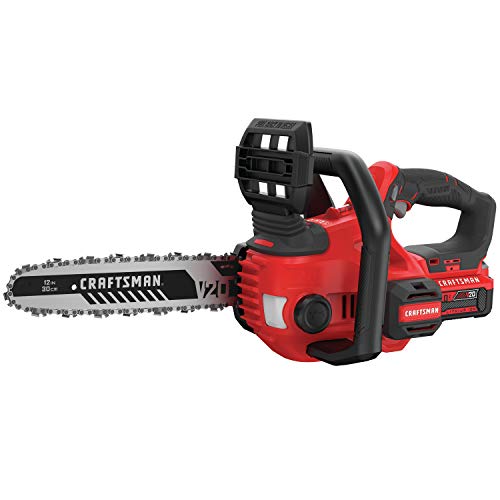


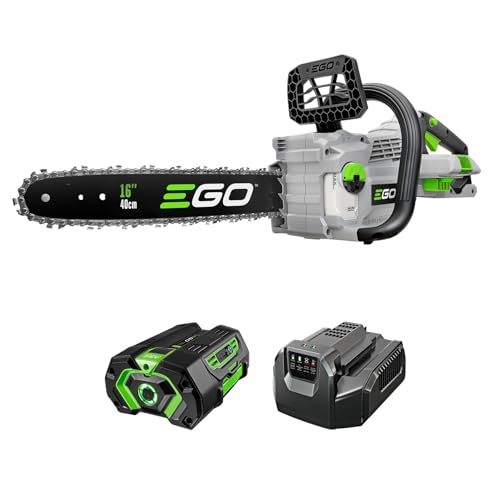
Chainsaw Types Compared for Women
Four types cover nearly every homeowner job, and each suits a different mix of strength, hand size, and yard size.
- Mini battery saws use bars of about 4 to 6 inches and weigh very little. They prune branches and trim small limbs, and their small grips suit small hands, but the short bar limits them to light work.
- Battery saws with 12 to 16 inch bars are the main choice for most yards. They start with a button, run quietly, and cut firewood, storm debris, and small trees. Weight rises with battery size, so check the total weight with the battery fitted.
- Corded electric saws weigh less than battery models of the same bar length because there is no battery pack. They suit small yards where an outlet and a long cord can reach every cut.
- Small gas saws with 14 to 18 inch bars give the most cutting power and unlimited run time, but they ask for pull starting, fuel mixing, and more upkeep. They fit rural properties with heavy cutting.
For pruning and light cleanup only, our guide to the best mini chainsaw covers the smallest type in depth.
How to Choose the Right Chainsaw for Women
Size and Form Factor
Bar length sets what a saw can cut in one pass. A 6 inch bar handles pruning and limbs up to about 4 inches across. Bars of 12 to 14 inches cover most yard work, including firewood rounds and small trees. A 16 to 18 inch bar suits larger trees and thick rounds, while 20 inch and longer bars belong on felling saws that demand more strength and training. Weight matters as much as length. A lighter saw is easier to hold steady for extended use, while a heavy one tires the shoulders fast, so check the weight with the battery or fuel fitted. Rear handle models give you two handed control for ground work. Top handle models are built for trained arborists working in trees, so leave those to professionals.
Type
Battery saws start with a button press, need no fuel mixing, and ask little upkeep beyond chain care and charging. They are the easiest type to live with, and our roundup of the best battery chainsaw options explains the voltage classes in detail. Corded electric saws share the easy starting and low upkeep, and they cost less, but the cord limits range and can snag on brush. Gas saws deliver the strongest cutting and run as long as you have fuel, yet they are the heaviest, loudest, and hardest to start, and the pull cord is a real barrier if your shoulder or grip strength is limited. For most women shopping today, battery power is the practical default.
Features Worth Paying For
A battery and charger included in the box is worth paying for, because a bare tool that needs a separate battery can cost far more than the listing suggests. An automatic oiler keeps bar oil flowing to the chain while you cut, and it beats a manual pump bulb you must remember to press. A carrying case protects the bar in storage and keeps oil residue off your garage floor. Chain tensioning that works without tools also earns its keep, since a knob you can turn by hand suits smaller hands better than a stiff screwdriver slot. A low kickback chain and a working chain brake are standard safety gear, not extras, so never buy a saw that lacks them.
Weather Resistant Materials
Yard work means dew, drizzle, and sawdust, so housing material matters. Tough polymer housings shrug off knocks and damp air, and they keep weight down. Magnesium parts appear on pricier gas saws and resist wear at the chain cover. Battery models vary in sealing, so check whether the maker rates the tool for damp conditions, and store batteries indoors regardless. Rubber overmold on the grips helps in wet weather by keeping your hold secure when handles get slick.
Size for Your Space
Match the saw to the property you actually maintain. A small suburban yard with a few ornamental trees needs pruning capacity, not felling capacity, and a compact saw stores easily on a shelf. A larger lot with mature hardwoods and yearly firewood calls for a 14 to 16 inch bar and at least two batteries. Storage space counts too: a saw with a case needs a flat spot about two feet long. Readers weighing a saw for general property upkeep may also want our guide to the best chainsaw for homeowners, which frames size by lot type.
Assembly and Anchoring
Most saws arrive with the bar and chain packed separately, so plan on ten minutes of setup. You fit the bar, loop the chain over the sprocket with the cutters facing forward, set the cover, and tension the chain until it lifts slightly off the bar but still slides by hand. Battery and corded models often arrive with the bar fitted, which cuts setup to a tension check. Before the first cut, anchor your work: place logs on a sawbuck or against a ground stop, never hold wood with your foot or hand, and keep the cutting zone clear of bystanders and pets.
Care and Off Season Storage
After each session, brush sawdust from the bar groove and air intake, wipe oil residue from the housing, and check chain tension once the chain has cooled. Fill the oil tank before storage so seals stay moist, and fit the bar cover every time. For off season storage, drain fuel from a gas saw or run it dry, charge a battery to a partial level rather than full, and keep the saw in its case in a dry spot off the floor. A dull chain makes the saw work harder and makes you push, which is when control slips.
How Much Should You Spend?
Under $50 buys hand tools and the smallest novelty trimmers, not a saw for real limbs. Under $100 covers mini battery saws and basic corded models for light work. About $100 to $200 is where capable 12 to 14 inch battery and corded saws sit, enough for most yards. About $200 to $300 adds stronger motors, bigger batteries, and better build, while about $300 to $500 reaches premium battery kits and small gas saws. Our chainsaw buying guide covers these tiers in more detail.
What Matters Most in a Chainsaw for Women
Five needs shape every recommendation in this guide. First, control beats raw power: a lighter saw you can hold steady cuts straighter and safer than a stronger saw that pulls your arms around. Second, grip fit matters, so look for a front handle your hand can wrap with your thumb meeting your fingers, since a thick grip forces a fingertip hold that tires fast. Third, easy starting removes the biggest barrier, and button start battery models solve it fully. Fourth, vibration control protects your hands and wrists, so padded grips and spring mounts are worth seeking. Fifth, balance counts: a saw that balances near the front handle feels lighter than its scale weight suggests.
Choosing by these five needs trades a little cutting capacity for a lot of control, and for yard work that trade is nearly always right. If you want the wider picture beyond fit for women, see our guide to the best chainsaw across all types and users.
Safety sits above every factor here. Always wear eye protection, hearing protection, gloves, and sturdy boots, and add chainsaw chaps for ground cutting with larger saws. Never cut above shoulder height or with the bar tip, and hire a professional for trees near power lines, trees leaning toward a house, and any felling you feel unsure about. A chainsaw injury needs emergency care at once, so keep a phone within reach while you work.
FAQs
What is the best chainsaw for women?
For most women, a battery saw with a 12 to 14 inch bar is the best balance of power, weight, and easy starting. It covers pruning, firewood, and storm cleanup without pull starting or fuel mixing. If your work is only light pruning, a mini battery saw is easier still. Size the bar to the thickest wood you cut each year, not to a rare worst case.
What should I look for in a chainsaw for women?
Start with total working weight, grip fit, and the start system, then check the chain brake and oiler. One check many buyers miss is handle spacing: the distance between the front and rear grips should let you hold the saw with relaxed shoulders and slightly bent elbows. If your arms must reach far forward to span the grips, the saw will steer you instead of the other way round. Try that hold in a store when you can.
How long does a chainsaw last?
The saw body can serve for many years of homeowner use, while the wear parts cycle much faster. Chains dull and stretch and are wear items you sharpen, then replace. Bars wear at the rails and tip and last through several chains. Batteries slowly lose capacity over years of charge cycles, so an older battery may still run the saw but for shorter sessions. Storing the saw clean and dry is the biggest factor in how long the body itself lasts.
Is a chainsaw worth it for a small yard?
It can be, if you prune trees every year, cut your own firewood, or clean up after storms more than once a season. Compare the cost with renting a saw each time you need one, and with the slow work of a hand saw on thick limbs. If your yard has only shrubs and one small tree, a quality pruning saw and loppers may cover everything, and the money saved can go toward a professional visit for the rare big job.
How do you clean a chainsaw?
With the saw off and the battery removed or the cord unplugged, brush packed sawdust from the bar groove, sprocket, and air intake, then wipe the housing with a dry cloth. Resin buildup on the bar responds to a gentle scrape and a wipe with bar oil. Check that the oil port is clear so the chain stays lubricated. Our step by step guide on how to clean a chainsaw covers deep cleaning and gas saw parts.
What is the most reliable chainsaw brand?
No single brand wins for every buyer, and reliability in practice depends more on upkeep and dealer support than on the badge. A brand with a local dealer who stocks chains, bars, and sprockets in your size keeps your saw running with less downtime than a famous name you must ship away for parts. Warranty length and clear parts diagrams also signal that a maker expects the saw to be serviced and kept.
Final Thoughts
Choose by control first: a weight you can hold, a grip that fits your hand, and a start system that never fights you. For most readers, the best chainsaw for women is a battery model with a 12 to 14 inch bar, while mini saws serve light pruning and small gas saws serve heavy rural work. Use the product table above to compare types, and pick the smallest saw that covers your thickest regular cut.