
Best Chainsaw for Home Use Made Simple: A Clear Buying Guide for 2026
Disclosure: We may earn a commission when you buy through links on this page, at no extra cost to you. As an Amazon Associate I earn from qualifying purchases. Learn more

How to choose the best chainsaw for home use: power sources, bar length, batteries, safety and first use steps.
A chainsaw turns a weekend of storm cleanup, firewood prep or overgrown branches into a few hours of work, but it is also one of the most dangerous tools a homeowner can own. First time buyers face a confusing mix of battery voltages, bar lengths, engine sizes and corded options. This guide to the best chainsaw for home use starts with the basics, explains the key specs in plain English and walks you through choosing, setting up and safely using your first saw.
We cover how chainsaws work, power sources, bar length, weight, noise, cutting power, batteries, rookie mistakes, first use and common questions. Always wear eye and ear protection, cut resistant chaps, sturdy boots and gloves, grip the saw with both hands, never cut above shoulder height and hire a certified arborist for large trees or any work near power lines.




Chainsaws 101: The Basics
A chainsaw is a handheld power saw that drives a toothed chain around a flat metal guide bar. The motor or engine spins a sprocket, the sprocket pulls the chain around the bar and the sharp cutters on the chain slice through wood as you guide the saw.
A few terms come up again and again.
The bar is the metal blade the chain rides on, and its length sets the largest log you can cut in one pass. Kickback is a sudden upward jerk that happens when the tip of the bar catches wood, and it causes many chainsaw injuries. A chain brake stops the chain quickly when kickback occurs; Husqvarna lists an inertia activated chain brake on its 120 Mark III and 435 saws. Auto oiling keeps the bar and chain lubricated, and tool free tensioning lets you tighten the chain without a wrench.
Home chainsaws come in three types: battery powered, corded electric and gas. Each suits different yards and jobs, which the next section explains.
Key Specs for the Best Chainsaw for Home Use, Explained in Plain English
Most homeowners need a 12 to 16 inch battery or corded saw. Gas saws make sense for large properties and regular firewood cutting.
Power Source (Battery, Gas, Corded)
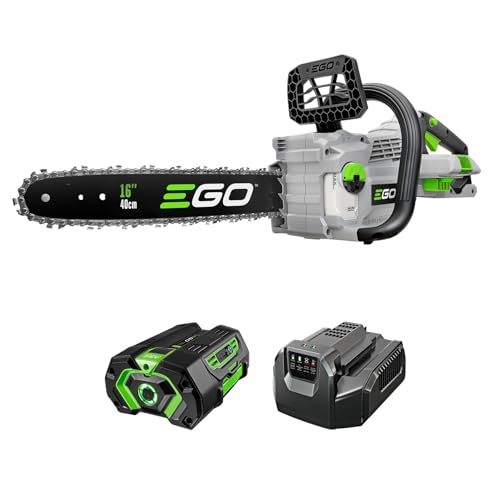
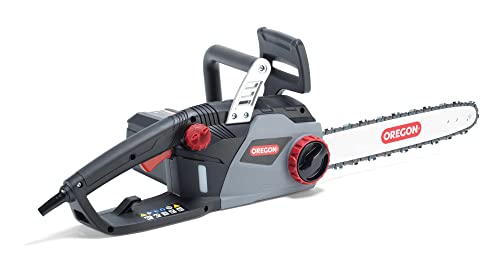
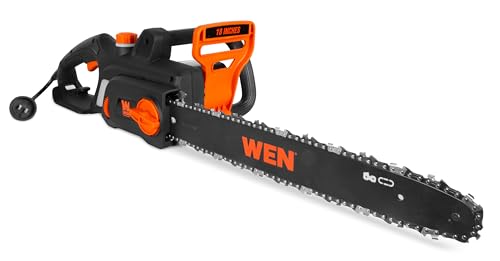
Battery saws start at the push of a button, run quietly and need no fuel mixing. EGO says its 56V 16 inch CS1613 delivers power equivalent to a 40 cc gas saw. Corded saws, like CRAFTSMAN's 12 amp 16 inch CMECS600, Oregon's 15 amp CS1500 and WEN's 15 amp 18 inch CP1518, offer unlimited runtime and low prices but limit you to the length of your extension cord. Gas saws, like Husqvarna's 38 cc 120 Mark III and 40 cc 435, deliver the most power and portability but need fuel, pull starting and more maintenance.
If you already own battery tools, staying in one battery platform saves money. Greenworks says its 60V battery fits 75+ Greenworks 60V tools, and EGO's saw works with all EGO 56V ARC Lithium batteries.
Bar Length and Chain
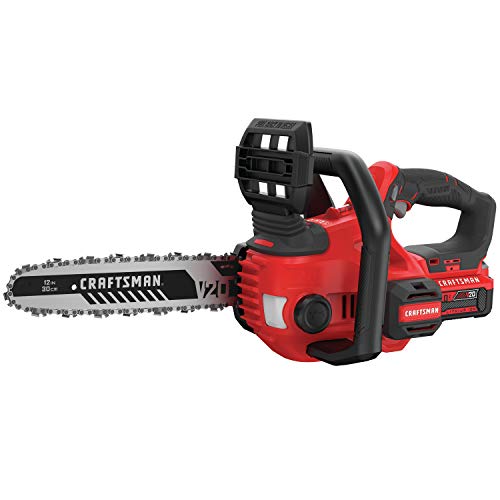
Bar length decides how thick a log you can cut. A 12 inch bar, like CRAFTSMAN's V20 and BLACK+DECKER's 40V MAX saws, suits pruning and small limbs.
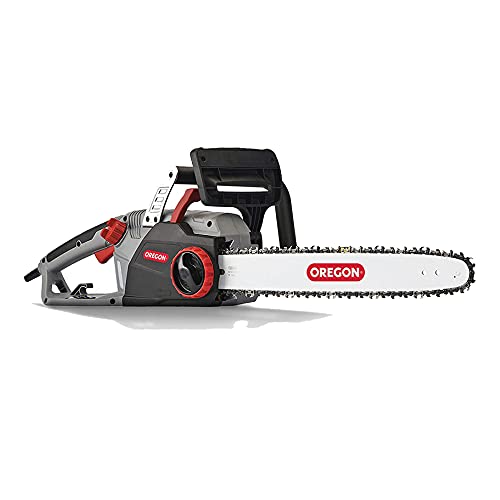
A 16 inch bar, like EGO, Greenworks and Husqvarna, handles most storm cleanup and firewood. An 18 inch bar, like Oregon's CS1500 and WEN's CP1518, suits larger logs but is harder to control. Low kickback bars and chains, like CRAFTSMAN's corded saw and Oregon's, add a margin of safety for beginners.
Weight and Balance
Lighter saws reduce fatigue and are easier to control. Greenworks lists its 60V saw at 12.5 pounds, about half the weight of comparable gas saws.
Compact 12 inch battery saws weigh even less, while gas saws add the weight of fuel. Husqvarna's LowVib dampeners reduce vibration on its gas saws. Wrap around handles, like BLACK+DECKER's, let you cut comfortably in different positions.
Noise and Neighbor Friendliness
Battery and corded saws are much quieter than gas, and they make no noise when idle. Oregon says its corded CS1500 makes less noise than a gasoline chainsaw. Gas saws often run above 100 decibels, so check local noise rules and cut during daytime hours. Hearing protection is still a must with any saw.
Cutting Power (Chain Speed, Amps and Engine Size)
Each power type has its own performance numbers. For battery saws, look at chain speed and gas equivalent claims: EGO lists chain speeds up to 20 m/s, and Greenworks lists a 2.0 kW brushless motor with 66 feet per second. For corded saws, look at amps: 12 to 15 amps suits home use, and WEN lists chain speeds up to 41 feet per second. For gas saws, look at engine size: 38 to 40 cc suits most homeowners, like Husqvarna's 120 Mark III and 435.
Battery Voltage, Amp Hours, and Runtime
Voltage relates to power, and amp hours relate to runtime. EGO says its 4.0Ah battery delivers up to 130 cuts on a 4x4, with up to 220 cuts per charge on larger batteries.
BLACK+DECKER says its 40V MAX 2.0Ah battery provides over 60 cuts through 4x4 pine on average and holds a charge for up to 18 months. CRAFTSMAN's V20 kit includes a 4.0 Ah battery. Buy a second battery if you plan long cleanup sessions.
Safety Features to Look For
Safety features matter more than raw power for a first saw. Look for a chain brake, which Husqvarna, Oregon and WEN list, a low kickback bar and chain, a safety lock or trigger lockout that prevents accidental starts and a hand guard in front of the top handle. Husqvarna's Smart Start and air purge make gas saws easier to start without yanking the cord. A protective sheath, included with WEN's saw, covers the chain during storage and transport.
Warranty and Support
Warranties give a sense of how long a maker expects a saw to last. CRAFTSMAN lists a 3 year limited warranty on its V20 cordless and corded saws, and Oregon and WEN list 2 year warranties. Check whether replacement chains and bars are easy to find; CRAFTSMAN lists part numbers for its V20 chain and bar. Buying from a brand with local service centers helps with gas saw tune ups.
Rookie Mistakes to Avoid
Buying too much saw. A long bar and big engine are harder to control; most homeowners do best with 12 to 16 inches.
Skipping safety gear. Chaps, a helmet with face shield, hearing protection, gloves and boots prevent serious injuries.
Cutting with the bar tip. The upper tip of the bar is where kickback starts, so keep it clear of wood.
Running a dull or loose chain. A dull chain makes you push harder and raises kickback risk; Oregon's PowerSharp system sharpens its chain in 3 to 5 seconds.
Forgetting bar oil. Running dry wears out the bar and chain quickly; check the oil window before each use.
Getting Started: Setup and First Use
Read the manual before first use. Learn the chain brake, safety lock and tensioning steps for your specific saw.
Wear eye and ear protection. Add cut resistant chaps, gloves and boots.
Check chain tension and oil. The chain should snap back against the bar but still turn by hand with gloves on; fill the oil tank.
Practice on logs on the ground. Support logs on a sawhorse so the cut opens instead of pinching the bar.
Plan your escape path. Clear the area of people, pets and tripping hazards.
Clean debris after each use. Brush chips from the bar groove, chain and vents, then store the saw with its sheath on.
Frequently Asked Questions
Is a battery chainsaw powerful enough?
Yes, a modern battery chainsaw is powerful enough for most home tasks. EGO says its 56V 16 inch saw delivers power equivalent to a 40 cc gas saw. Battery saws handle pruning, storm cleanup and moderate firewood. Gas saws are better for felling large trees or cutting cords of wood regularly.
How long do the batteries last?
Runtime depends on battery size and wood type. BLACK+DECKER's 40V MAX 2.0Ah battery makes over 60 cuts through 4x4 pine, and EGO's 4.0Ah battery makes up to 130 cuts on a 4x4. Lithium batteries typically last several years of charge cycles before losing noticeable capacity.
What voltage should I choose?
Choose 20V to 40V for light pruning and small limbs, and 56V to 80V for 16 inch bars and storm cleanup. CRAFTSMAN's V20 12 inch saw suits light work, while EGO's 56V and Greenworks' 60V and 80V saws suit heavier jobs. Staying with a battery platform you already own saves money.
Gas or battery: which is better for a small yard?
Battery is better for a small yard. It starts instantly, runs quietly, needs no fuel and requires little upkeep. Corded saws are a budget alternative if you work near an outlet. Gas saws suit large properties and heavy, frequent cutting.
How often should I sharpen the chain?
Sharpen the chain whenever it produces fine dust instead of chips, pulls to one side or needs extra pressure to cut. For occasional home use, that may be every few hours of cutting. Hitting dirt or rocks dulls a chain instantly. Oregon's CS1500 includes a built in PowerSharp sharpener, and replacement chains are an easy alternative to filing.
What size jobs should I leave to a professional?
Leave felling trees taller than you can safely judge, leaning or hung up trees, anything near power lines or buildings and any cutting from a ladder to a certified arborist. Home chainsaws are best for limbs, fallen branches and logs on the ground. Professionals carry insurance and rigging gear that homeowners do not.
The Bottom Line
The best chainsaw for home use matches your typical job, feels controllable in your hands and comes with the safety features beginners need. Choose a 12 to 16 inch bar, a power source that fits your yard and a saw with a chain brake, auto oiling and tool free tensioning. Battery saws like EGO's and Greenworks' suit most homeowners, corded saws like CRAFTSMAN's and Oregon's offer value near an outlet and gas saws like Husqvarna's suit large properties.
For more outdoor tool guides, see the best chainsaw brands, the best mini chainsaws, the best work gloves and the best cordless string trimmer. Then compare current prices in the product table above.


