Best Chainsaws for Pruning in 2026: Types Compared and Buying Guide
Disclosure: We may earn a commission when you buy through links on this page, at no extra cost to you. As an Amazon Associate I earn from qualifying purchases. Learn more

Choose the best chainsaw for pruning by matching bar length, weight and reach to your trees. Compare mini, rear handle and pole saws and prices.
Pruning asks more of a saw than rough cutting does. You need clean cuts that heal well, control on branches above shoulder height, and enough power for hardwood limbs without a bar so long that it pulls you off balance. Choosing the best chainsaw for pruning starts with matching bar length, weight, and power source to the trees you actually maintain, not to the largest trunk you might cut once.
This guide compares saw types on build materials and weather resistance, size and capacity, and assembly and upkeep. Use the product table below to narrow your shortlist, then read on for sizing, safety, and care details.


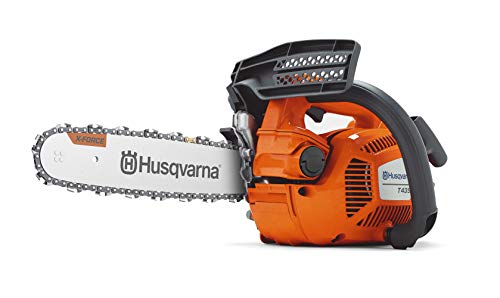
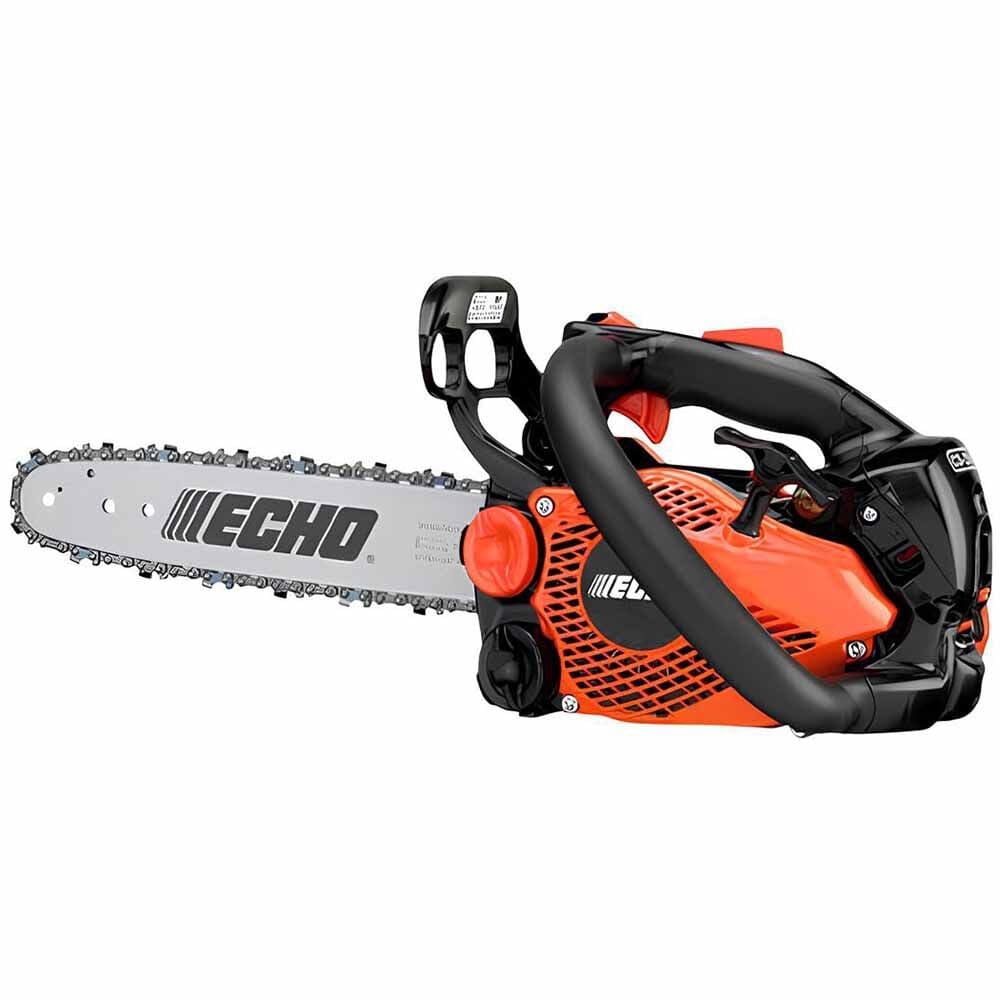
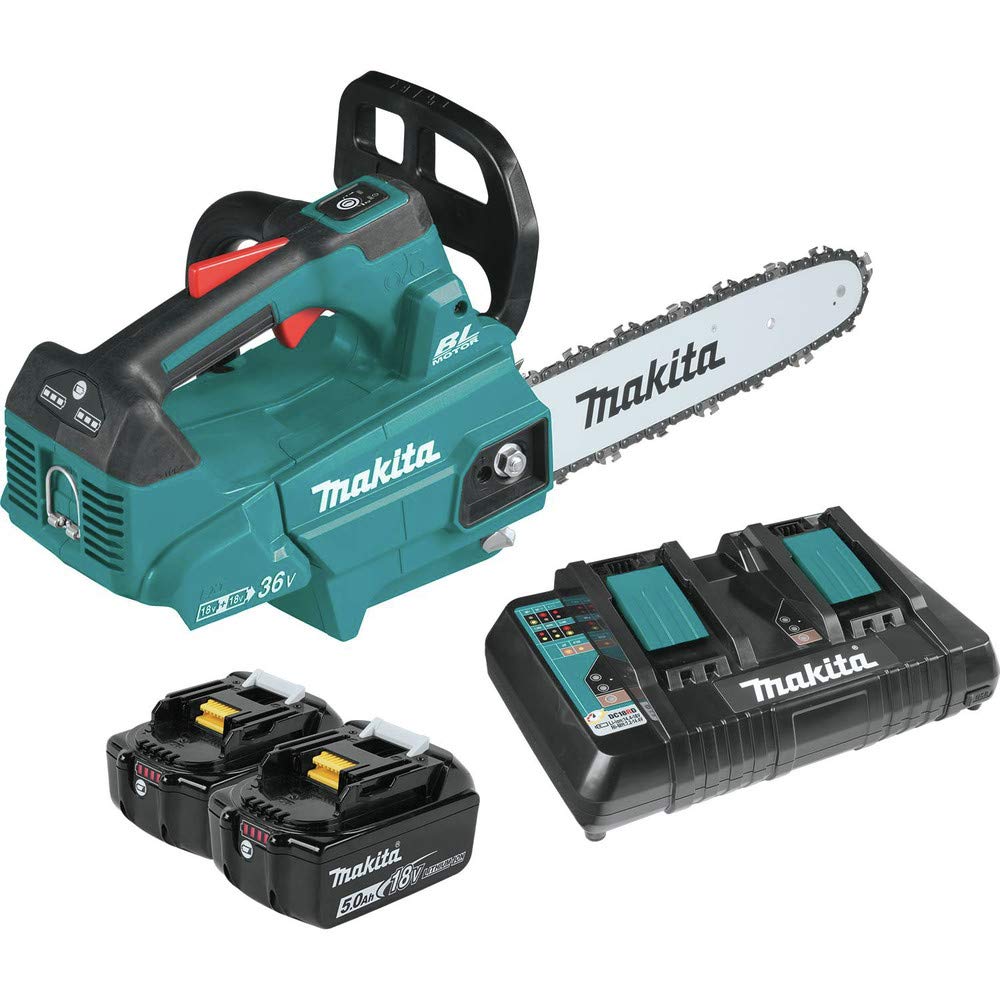

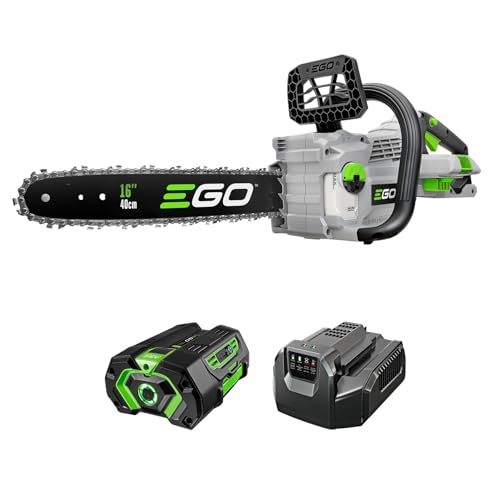
Pruning Saw Types at a Glance
Three broad types cover almost all pruning work. Small handheld saws suit light shaping and young trees. Standard rear handle saws in the 12 to 16 inch range handle mature limbs and storm cleanup. Pole saws extend your reach so you can stay on the ground. If your work spans all three jobs, most owners start with a mid size rear handle model and add reach later. For a wider view of saws beyond pruning, see our guide to the best chainsaw for general cutting tasks.
Three Types Compared for Pruning Work
Small and Mini Saws for Light Branches
Compact saws with bars around 6 to 10 inches excel at branches up to about 4 inches thick, suckers, and water sprouts. Their low weight reduces arm fatigue during repeated cuts, and their short bars are easy to place precisely between crowded limbs. Capacity is the limit. Pushing a small saw through thick hardwood dulls the chain fast and can stall the motor. Choose this type when most of your work is shaping shrubs, fruit trees, and young shade trees rather than removing large scaffold limbs.
Rear Handle Saws for Mature Limbs
A rear handle saw with a 12 to 16 inch bar is the workhorse choice for established trees. The two handed grip gives you leverage and control, and the longer bar reaches through limbs about 8 to 12 inches thick in staged cuts. Weight rises with bar length, so a 14 inch model often balances power and handling best for home orchards and larger yards. This type also suits cutting pruned wood into firewood lengths once the branch work is done.
Pole Saws for High Branches From the Ground
Pole saws place a small cutting head at the end of a telescoping shaft, letting you reach branches roughly 10 to 14 feet up while both feet stay on the ground. That reach removes the most dangerous part of pruning, ladder work with a running saw. Pole saws cut slowly on thick wood and flex at full extension, so they suit thinning and clearance cuts rather than heavy limb removal. For tall trees with deadwood over paths and roofs, this is often the safest first purchase.
How to Choose the Right Chainsaw for Pruning
Size and Form Factor
Bar length should exceed the branch diameter by a small margin, not by a foot. A 6 inch bar handles detail work, 12 and 14 inch bars cover most home pruning, and 16 inch bars suit large limbs and occasional felling of small trees. Longer bars add nose weight and raise kickback risk near branch tips. If you mostly trim compact trees, a guide to the best mini chainsaw may fit your needs better than a full size saw.
Power Type: Cordless, Gas, and Corded Electric
Cordless saws start instantly, run quietly, and need no fuel mixing, which suits short sessions spread across a season. Gas saws deliver sustained power for long days and remote land where charging is hard. Corded electric saws cost less and never need charging, but the cord limits reach and creates a trip hazard around ladders and brush piles. Readers who value quiet, low upkeep operation should compare the best battery chainsaw options before deciding.
Features Worth Paying For
An automatic oiler keeps the chain lubricated without a manual pump, and it matters on every cut because a dry chain stretches and dulls quickly. Tool free chain tensioning lets you correct slack in seconds as the chain warms and expands. A chain brake that stops the chain on contact with the wrist guard is essential safety equipment. A carrying case protects the bar in storage and keeps oil residue off garage floors. A spare battery and rapid charger are worth the cost for cordless saws used on larger properties.
Weather Resistant Materials
Pruning often happens in damp conditions, after rain softens the ground and before spring growth starts. Look for housings made from glass filled nylon or similar impact resistant polymers, sealed switches, and metal drive components rather than plastic gears. Magnesium crankcases on gas models cut weight while resisting corrosion. Battery models should state a water resistance rating for the pack and tool body. No saw is waterproof, so dry the bar and chain after wet work even when the housing sheds rain well.
Size for Your Space and Trees
Count your trees before you buy. A yard with two fruit trees needs a light saw you can store on a shelf and carry in one hand between rows. A wooded lot with mature oaks needs more bar, more power, and a plan for hauling brush. Storage space matters too. A 16 inch saw with its cover needs about two feet of shelf length, and fuel or batteries should live away from heat sources and out of reach of children.
Assembly and Setup
Most pruning saws arrive with the bar and chain separate. Assembly means fitting the chain in the correct direction, seating the bar on the studs, and setting tension so the chain lifts slightly off the bar but snaps back. Fill the oil reservoir before the first cut and check the level every 20 minutes or so during use. Run the saw briefly, stop it, and recheck tension, since new chains stretch during their first cuts. Keep the manual nearby for the torque and tension values for your model.
Care and Off Season Storage
After each session, brush sawdust and sap from the bar groove, wipe the chain, and top up the oil tank so the system does not dry out. Sharpen the chain when cuts start producing fine dust instead of chips. For storage longer than a month, drain fuel from gas saws or store batteries at partial charge in a cool dry place. Our step by step guide on how to clean a chainsaw covers deep cleaning before winter storage.
How Much Should You Spend?
Expect to pay under $100 for small corded or mini saws suited to light shaping, about $100 to $200 for capable cordless pruning saws, and about $200 to $300 for larger cordless or entry gas models. Above about $300 to $500 you gain metal construction, longer bars, and stronger motors for frequent heavy work. Spending more does not help if the saw is too heavy to control overhead, so weigh comfort and safety ahead of raw specifications at every tier.
What Matters Most in a Chainsaw for Pruning
Clean cut quality matters more for tree health than raw cutting speed. A sharp chain with the correct gauge slices bark without tearing it, and a torn cut invites decay and pests into the wound. Control matters next. A balanced saw lets you undercut a limb first, then finish from the top so the falling branch does not strip bark down the trunk. Weight matters third, because tired arms make sloppy cuts late in a session. If you maintain trees mainly around a house, the needs overlap closely with those covered in our guide to the best chainsaw for homeowners, though pruning adds stricter demands on balance and bar control.
Safety deserves its own emphasis. Never cut above shoulder height with a standard saw, never work from a ladder with a running chainsaw, and wear eye protection, gloves, and hearing protection on gas models. Top handle saws are designed for trained arborists working in the tree, and they are a poor choice for ground work because the grip offers less control if the saw kicks back. Stop and rest when your grip weakens, and let a professional handle limbs near power lines or over structures.
FAQs
What is the best chainsaw for pruning?
For most homeowners, a cordless rear handle saw with a 12 to 14 inch bar offers the best balance of power, weight, and control for pruning. It handles limbs up to about 10 inches, starts instantly, and needs little upkeep between sessions. Choose a mini saw instead if your branches stay under 4 inches, or a pole saw if your main problem is height rather than thickness. The right answer depends on your trees, not on the largest specification sheet.
What should I look for in a chainsaw for pruning?
Prioritize light weight, a bar matched to your typical branch size, an automatic oiler, and tool free chain tensioning. Check that the chain brake works smoothly and that replacement chains for the bar gauge are easy to find locally. Consider the total system cost, including a second battery or fuel and oil supplies. A saw that fits your hands and your storage space will get used more, and regular light pruning beats rare heavy cutting for tree health.
How long does a chainsaw last?
A well kept pruning saw can serve for many years, while bars and chains are wear parts that need periodic replacement. Chain life depends on wood hardness and how often the chain touches soil or grit, which dulls cutters fast. Bars wear at the rails and tip sprocket. Replace the chain when sharpening no longer restores clean chips, and flip the bar at each chain change to spread wear evenly across both rails and extend its working life.
Is a chainsaw worth it for pruning?
It is worth it when you regularly cut branches thicker than about 2 inches, where loppers and hand saws become slow and leave ragged cuts. For a single small tree, a quality pruning hand saw may be enough and costs far less. The value case grows with tree count, storm cleanup needs, and firewood use for the cut wood. Renting first is a sensible way to test bar size and weight before committing to a purchase for seasonal work.
How do you clean a chainsaw after pruning?
Start with the saw off and cool. Remove the bar and chain, clear packed debris from the cover and bar groove with a brush, and wash sap from the chain with a suitable cleaner before drying and oiling it. Wipe the air filter on gas models and clear cooling vents on electric models. One point often missed is the oil port on the bar. A blocked port starves the chain of oil on the next use, so confirm it is open before reassembly.
What is the most reliable chainsaw brand for pruning?
Reliability depends more on upkeep and correct sizing than on the badge. Brands with wide dealer and parts networks make chain, bar, and sprocket replacement easier, which keeps saws in service longer. Read the warranty terms for the motor and battery, and check how long replacement parts stay available for the model line. A mid priced saw with fresh chains and local parts support will outlast a neglected premium saw in almost every yard.
Final Thoughts
Match the saw to your branches, your reach, and your strength, and pruning becomes steady, satisfying work instead of a struggle. Start with the types in the product table above, weigh bar length and power source against your trees, and keep the chain sharp and oiled. For broader buying context before you order, the chainsaw buying guide walks through general sizing and safety basics. Chosen well, the best chainsaw for pruning for your yard is the one you can control safely on the last cut of the day, not just the first.