
Best Cardinal Bird Feeders Made Simple: A Clear Buying Guide
Disclosure: We may earn a commission when you buy through links on this page, at no extra cost to you. As an Amazon Associate I earn from qualifying purchases. Learn more

A plain language guide to the best cardinal bird feeders: styles, seed, capacity and squirrel resistance.
Northern cardinals are one of the most welcome sights at a backyard feeder, but they are picky about where and how they eat. These larger, heavy billed birds prefer sturdy perches or open trays and favor seeds like black oil sunflower and safflower, so a tiny tube feeder made for finches often goes ignored. This guide to the best cardinal bird feeders explains the basics in plain language, walks through the specs that matter and points out the rookie mistakes that keep cardinals away.
We go from the fundamentals to key specs, common mistakes, setup and answers to common questions. Every product in the table above is sold new on Amazon US. Clean feeders regularly to prevent the spread of bird diseases, place feeders either very close to windows or well away from them to reduce collisions and wash your hands after handling seed and feeders.



Cardinal Bird Feeders 101: The Basics
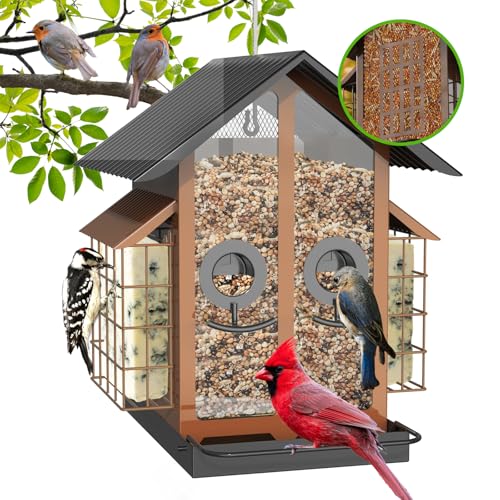
A cardinal friendly feeder gives these birds a stable place to stand, room for their size and easy access to the seeds they like. Cardinals are not strong clingers, so feeders with wide perches, rings or open trays work better than narrow tube feeders with short pegs.
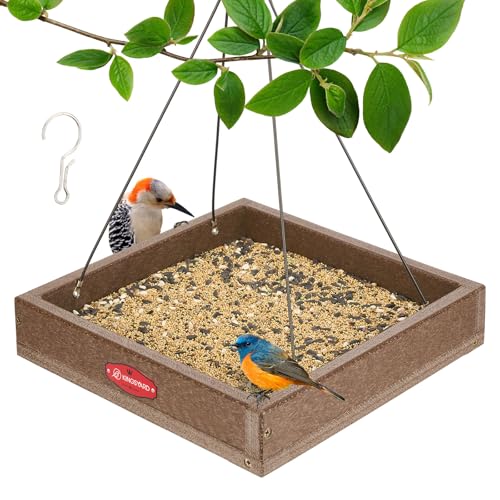
There are four common styles. Platform or tray feeders, like the Kingsyard and Woodlink platforms, are open trays that cardinals love.
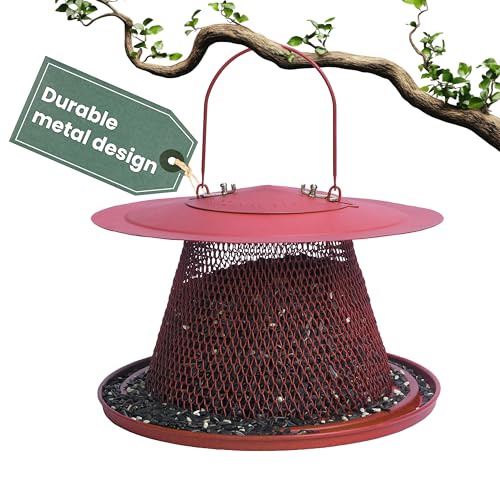
Hopper feeders hold seed in a central bin with ledges or perches. Ring feeders, like the Perky-Pet Red Cardinal feeder, use a 360 degree tray around a seed column. Squirrel proof feeders, like the Squirrel Buster Plus with its cardinal ring, close the ports when heavier animals land.
A few terms come up often. Capacity is how much seed the feeder holds. Weight activated means the feeding ports close under a squirrel's weight. Drainage refers to holes or mesh that let rain escape so seed stays dry.
Cardinals stay in many regions year round, so a feeder can attract them in every season, including winter, when bright red males stand out against snow. Pairs often visit together, and young cardinals may follow parents to the same feeder.
Key Specs for the Best Cardinal Bird Feeders, in Plain English
The specs that matter most are feeder style and perch design, the seed it holds, capacity, squirrel resistance, weather protection and how easy it is to clean.
If you can only buy one feeder, a sturdy platform or a hopper with wide ledges, filled with sunflower or safflower, gives you the best odds of seeing cardinals.
Feeder Style and Perch Design
Choose a feeder that gives cardinals room to land and turn. Open platforms, like Kingsyard's hanging tray with access from every side, suit cardinals best. The Perky-Pet Red Cardinal feeder lists a circular 360 degree seed tray where up to 15 birds can feed. Squirrel Buster's Plus model adds a cardinal ring that gives larger birds a wide perch around the ports.
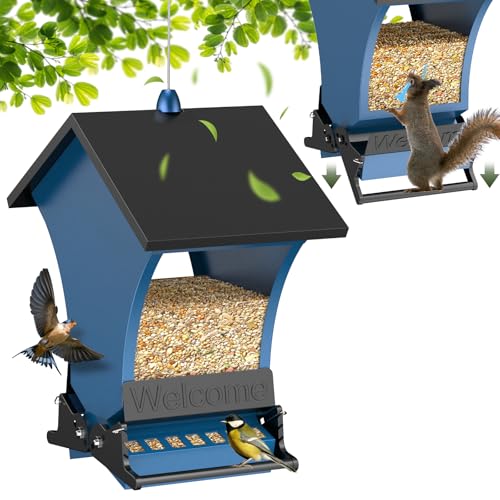
Hopper feeders with long ledges also work well. Kingsyard's metal hopper uses an 8.5 inch roof that shelters birds and seed, and LCSEVEN's U shaped perches give large birds a comfortable grip. Avoid feeders with tiny perches spaced close together.
Seed Type
Cardinals favor black oil sunflower and safflower. Audubon Park's Cardinal Blend, at around $9 for 4 pounds, lists 100% sunflower and safflower with no fillers and notes that safflower is disliked by squirrels. Make sure your feeder's ports or tray can handle larger seeds; Kingsyard says its metal hopper is made to hold 3 pounds of sunflower and safflower seeds.
Platform feeders can also hold cracked corn, nuts or mealworms, as Kingsyard notes, which can attract a wider mix of birds. If you only want cardinals and similar birds, stick with straight sunflower or safflower.
Capacity
Bigger feeders need refilling less often but let seed sit longer. The Perky-Pet holds 2.5 pounds, Kingsyard's platform holds up to 3 pounds, FlowaFoli's hopper holds 4 pounds and Wildpark's and Squirrel Buster's feeders hold about 5 pounds. Start smaller if you are not sure how many birds will visit.
In hot, humid weather, fill feeders only partway so seed is eaten before it spoils. In winter, larger capacity helps birds when food is scarce.
Squirrel Resistance
Squirrels can empty a feeder in a day. Weight activated feeders close the ports when a squirrel climbs on: Squirrel Buster uses an adjustable spring shroud and chew proof parts, Wildpark offers 4 tension settings from 200 to 350 grams and LCSEVEN lists a weight activated design with 4 large U shaped perches. Wildpark notes no feeder is 100% squirrel proof.
Open platform feeders are the hardest to protect from squirrels, so pair them with a baffle on the pole or a hanging dome above, or choose safflower seed.
Durability and Weather Resistance
Metal and recycled plastic last longer than thin wood or plastic. Perky-Pet uses all metal with a rust resistant powder coat, and Kingsyard's platform uses recycled poly lumber that resists cracking, warping, fading and rot. Drainage holes and roofs, like FlowaFoli's weatherproof roof and Kingsyard's mesh bottom, keep seed dry.
The Woodlink Going Green platform, at around $44, uses recycled material, and the Woodlink 3 in 1 platform, at around $38, is built for flexible mounting. Recycled plastic feeders hold up to sun and moisture without paint or sealing.
Ease of Cleaning and Filling
Easy cleaning protects birds. Squirrel Buster feeders come apart by hand without tools, Kingsyard's metal feeder has a removable roof and wide mouth and FlowaFoli uses a lift lid. Clear seed bins, like Wildpark's, show when it is time to refill.
Mesh bottoms, like Kingsyard's platform, let seed hulls and water fall through, which keeps trays cleaner between washes.
Rookie Mistakes to Avoid
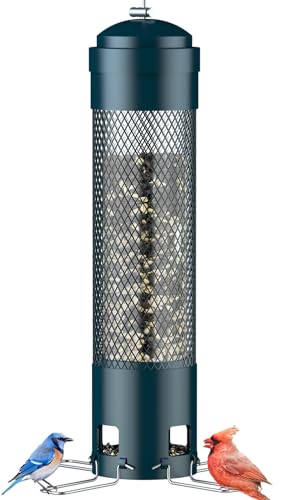
- Using a finch tube feeder. Short pegs and small ports suit small clinging birds, not cardinals.
- Filling with cheap filler mixes. Millet and fillers attract other birds; cardinals prefer sunflower and safflower.
- Hanging feeders too high or too exposed. Cardinals like nearby shrubs or trees for cover.
- Skipping cleaning. Moldy seed and dirty trays can spread disease.
- Ignoring squirrels. Without a baffle or weight activated design, squirrels may take most of the seed.
Most of these mistakes are easy to fix with a different seed, a better spot or a quick cleaning routine.
Getting Started: Setup and First Use
Place the feeder near shrubs or trees where cardinals can perch and hide, but at least several feet from branches squirrels can jump from. Hang or mount it at a comfortable height for refilling. Fill it with sunflower or safflower seed, and sprinkle a little on the tray or ground nearby to help birds find it.
Be patient; it can take days or weeks for cardinals to discover a new feeder. Cardinals often visit early in the morning and near dusk. Clean the feeder every couple of weeks, and more often in wet weather, with warm soapy water or a mild bleach solution, then rinse and dry fully.
Rake up spilled hulls under the feeder now and then to prevent mold and keep rodents away.
Frequently Asked Questions
What seed do cardinals like best?
Cardinals prefer black oil sunflower and safflower seeds. Safflower has the bonus of being disliked by squirrels, as Audubon Park notes. Mixes with lots of millet or filler draw other species instead.
Shelled sunflower hearts reduce mess under the feeder but cost more per pound.
What type of feeder do cardinals prefer?
Cardinals prefer open platform or tray feeders and feeders with wide perches or rings. They are less comfortable on narrow tube feeders with small pegs.
Placing a tray feeder low, near shrubs, mimics how cardinals feed in the wild.
How long should a bird feeder last?
Metal and recycled plastic feeders often last many years, and Squirrel Buster offers Lifetime Care support. Wooden feeders may weather sooner unless treated or made from rot resistant wood like cedar.
Store spare seed in a sealed metal container to keep it dry and away from pests.
How do I keep squirrels away from my cardinal feeder?
Use a weight activated feeder like Squirrel Buster, Wildpark or LCSEVEN, add a baffle above or below and place the feeder away from jumping points. Feeding safflower also helps, since squirrels tend to avoid it.
Many people also set out a separate corn feeder for squirrels away from the bird feeders, which can reduce raids on the cardinal feeder.
How high should I hang a cardinal feeder?
Hang or mount the feeder about 5 feet off the ground, where it is easy to refill and close to shrubs or small trees cardinals use for cover. Keep it at least several feet from branches, fences and roofs that squirrels can jump from. Platform feeders can sit lower, closer to how cardinals naturally feed on the ground.
A pole with a baffle works well in open yards.
Why are cardinals not coming to my feeder?
New feeders can take days or weeks to be discovered. Check that the feeder has wide perches or a tray, that it holds sunflower or safflower and that there is cover nearby. Cardinals may also avoid feeders crowded by aggressive birds or squirrels, so a second feeder or a platform in a quieter spot can help.
Final Thoughts
The best cardinal bird feeders give cardinals a stable place to stand, hold sunflower or safflower seed and stay clean and dry. Choose an open platform for easy cardinal visits, a ring feeder like Perky-Pet's for a classic look or a weight activated feeder like Squirrel Buster if squirrels are a problem.
For more backyard guides, see the best bird feeders, the best bird baths, the best hummingbird feeders and the best solar garden lights. Then compare current prices in the product table above.


