Best Chainsaws for Firewood in 2026: Types Compared and Buying Guide
Disclosure: We may earn a commission when you buy through links on this page, at no extra cost to you. As an Amazon Associate I earn from qualifying purchases. Learn more

Choose the best chainsaw for firewood by matching bar length and power to your logs. Compare gas, battery and corded saws, upkeep and price.
Cutting a winter supply of firewood goes slowly when your saw is too small for the logs, too heavy for long sessions, or dull before the pile is half done. The best chainsaw for firewood matches your log diameter, your wood volume, and the power source you can maintain with confidence. This guide compares saw types by build materials and weather resistance, size and capacity, and the assembly steps each one needs before the first cut.
Use the product table below to line up bar length, power type, and weight, then read on for the criteria that matter most when the wood is green or frozen.
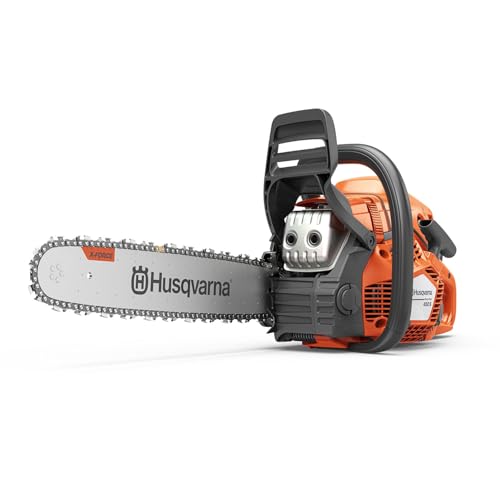

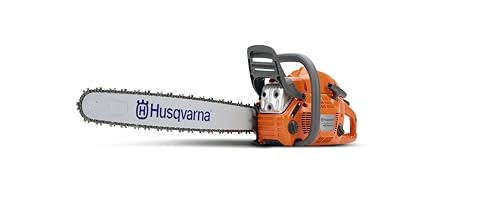
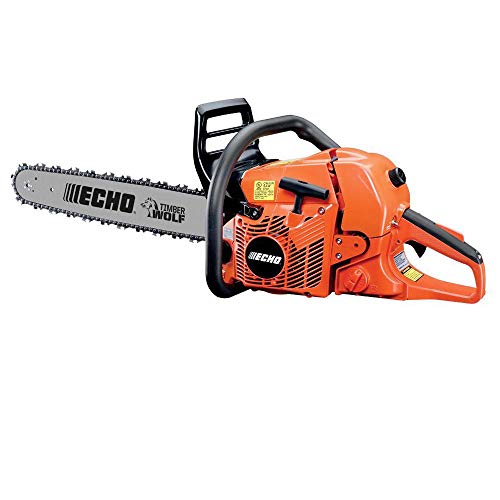
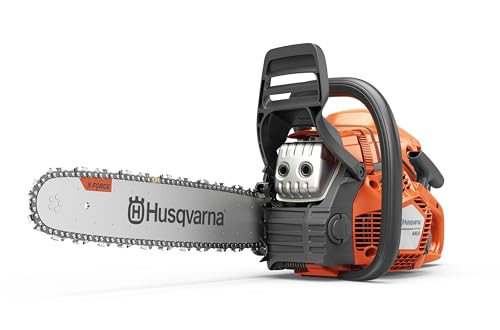
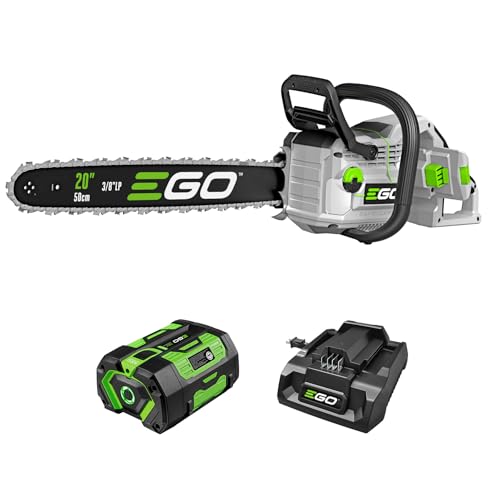

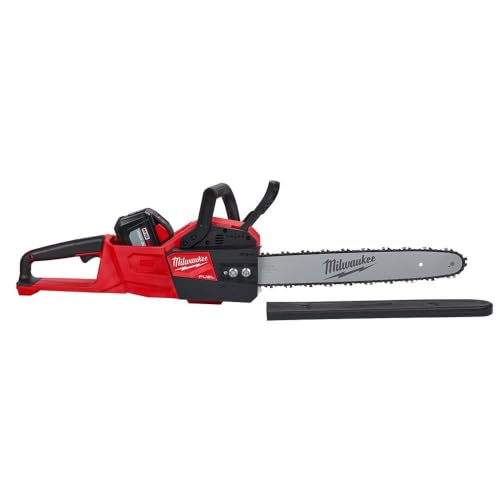


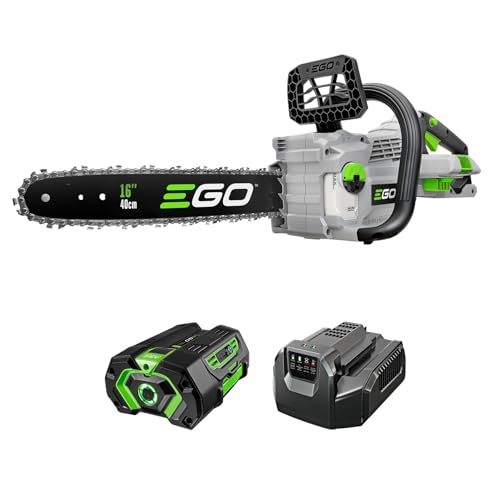
Saw Types for Firewood at a Glance
Firewood work falls into three clear patterns, and each pattern points to a different type of saw. Gas saws suit large logs and long cutting days away from an outlet. Battery saws suit steady bucking near home with low noise and simple upkeep. Corded electric saws suit small logs close to the house where an outlet is within reach. The sections below describe each type by the work it handles best and the limits to accept before you buy.
Gas, Corded and Battery Saws for Firewood
Gas Rear Handle Saws
A gas rear handle saw in the 16 to 20 inch bar range covers the widest span of firewood work, from limb wood up to rounds that need several passes. The engine keeps full power as long as you carry fuel, so a full day of bucking a delivered log load stays realistic. You do take on more upkeep, including fuel mixing on many models, air filter cleaning, and spark plug checks. Choose this type if you cut multiple cords each year and work far from power.
Corded Electric Saws
A corded electric saw costs the least to buy and the least to run, and it starts the moment you pull the trigger with no fuel, no pull cord, and no battery to charge. Bars in the 14 to 16 inch range handle logs up to about 12 inches across, which covers most stove wood from yard trees and delivered loads. The cord sets your working radius, and power drops on very long extension cords, so this type fits a woodpile near the house or garage. Many capable models sit at about $100 or less.
High Capacity Battery Saws
A high capacity battery saw pairs a 16 to 18 inch bar with a large battery platform, giving you quiet cutting, instant starts, and no exhaust while you work. Runtime is the trade you make, since a single battery may buck only part of a cord before it needs a swap or a recharge. Extra batteries raise the total cost well past a gas saw of similar size. Choose this type if you cut one or two cords a year near home, value low upkeep, and already own batteries on the same platform. Our guide to the best battery chainsaw explains platform choices in more depth.
What to Judge in the Best Chainsaws for Firewood
Judge any saw against five points that come from firewood work itself: build materials and weather resistance, size and capacity, assembly effort, durability under repeated bucking, and warranty support. Maker specifications and the owner manual are the best sources, and buyer reviews help with complaints about oiler output and cold weather starting. If you want the wider market view first, see our guide to the best chainsaw before you narrow down to firewood use.
How to Choose the Right Chainsaw for Firewood
Size and form factor
Bar length should exceed your typical log diameter by a few inches, so a 16 inch bar suits logs up to about 14 inches and an 18 to 20 inch bar suits larger rounds. Mini saws and 6 inch pruning tools are for branches, not for bucking stove wood. A 12 or 14 inch bar works for small stoves and light loads, while 24 inch bars belong on large professional saws most firewood cutters never need. Rear handle saws give you the grip and control that ground level bucking demands, while top handle saws are built for trained climbers.
Type
Gas saws deliver the most sustained power and unlimited runtime with refueling, at the cost of noise, exhaust, and engine upkeep. Battery saws trade some runtime for quiet operation, easy starts, and far less routine service. Corded electric saws are light and simple but tie you to an outlet. Pole saws and mini saws serve trimming jobs and cannot replace a bucking saw. Lightweight models of any type reduce fatigue during long sessions, though the lightest saws also carry the shortest bars, so match the type to your log size first and your strength second.
Features worth paying for
An automatic oiler that you can adjust keeps the bar and chain lubricated under heavy cutting, and it matters more than most extras. A tool free chain tension dial speeds up the small adjustments that firewood cutting requires as the chain warms and stretches. A battery and charger bundled in the box matters for battery saws, since a bare tool price hides the real starting cost. A carrying case protects the bar in storage and keeps oil residue off your vehicle floor.
Weather resistant materials
Firewood season often means cutting in damp cold, so the housing and controls should shrug off moisture and sawdust. Magnesium or reinforced polymer crankcases on gas saws resist impact when a saw gets knocked off a log pile. Sealed switches and covered battery ports keep wet sawdust out of electric and battery models. A bar cover that fits snugly keeps rain off the chain in storage, slowing the surface rust that dulls cutters between sessions.
Size for your space
Think about where the saw lives between cutting days. A saw with an 18 inch bar needs shelf or wall space long enough for the full bar and cover, plus a ventilated spot for fuel if it is a gas model. Battery saws store neatly indoors with the battery removed. If your woodpile sits far from the house, a lighter saw you can carry in one hand saves trips across the yard.
Assembly and anchoring
Most saws arrive with the bar and chain packed separately, so plan on ten to twenty minutes of assembly before the first cut. You fit the bar over the studs, loop the chain in the correct direction with cutters facing forward on top, set the tension so the chain lifts slightly yet snaps back, and fill the oil reservoir. Work on a flat bench where small parts cannot roll into the grass. After the first few cuts, stop and recheck tension, since a new chain stretches quickly during its first session.
Care and off season storage
At the end of the season, drain fuel from a gas saw or run it dry, since stale fuel is the top cause of hard starting months later. Clean packed sawdust from the bar groove and the oiler port, wipe the chain with oil, and fit the bar cover before storing the saw in a dry place. Battery saws store best with the battery partly charged and kept indoors. Sharpen or replace the chain before storage so the saw is ready for the next load.
How much should you spend?
Under $50 buys only mini trimming tools, which cannot buck real firewood, so treat that tier as a supplement rather than your main saw. At about $100 to $200 you get capable corded saws and entry battery kits for light annual cutting. About $200 to $300 covers strong mid range battery kits and smaller gas saws for regular use. About $300 to $500 buys larger gas saws and premium battery kits built for several cords a year. Spending past that point mainly serves very large logs or near daily cutting.
What Matters Most in a Chainsaw for Firewood
Firewood cutting is repetitive bucking of rounds to stove length, and that single fact should drive your choice more than any spec sheet. A saw that starts reliably on a cold morning, holds chain tension through a tank of fuel, and feels balanced at waist height will cut more wood in a day than a stronger saw that fights you. Compared with a general yard saw, a firewood saw needs a longer bar and a stronger oiler.
Safety belongs in this decision too. Wear cut resistant chaps, eye and ear protection, gloves, and sturdy boots every session, and keep a firm stance with the log secured so it cannot roll. Stop and seek medical care for any cut that will not stop bleeding, and let a professional service a saw with a damaged chain brake or cracked housing rather than cutting with it. If you also cut wood for a household stove and small yard jobs, our guide to the best chainsaw for homeowners covers that lighter mix of work.
FAQs
What is the best chainsaw for firewood?
For most people cutting a few cords a year, a 16 to 18 inch gas or high capacity battery saw is the most practical answer. Gas suits large logs and long days away from power, while battery suits quieter work near home. The right choice turns on your largest log diameter and how many cords you cut each season. A shorter bar on a reliable saw beats a long bar on a saw that is hard to start, heavy to hold, or slow to oil.
What should I look for in a chainsaw for firewood?
Start with bar length matched to your logs, then check oiler output, chain tension access, and the weight of the saw with fuel or a battery fitted. A metal bucking spike helps you pivot the saw through rounds with less arm effort. Also confirm that replacement chains in your bar pitch are easy to find locally, since a snapped chain on a Saturday can end a cutting weekend if the size is unusual in your area.
How long does a chainsaw last?
A properly maintained firewood saw can serve for many seasons of regular cutting, and the bar and chain are wear parts you should expect to replace along the way. Chains dull fastest in dirty bark and frozen wood, so filing little and often extends chain life more than any single sharpening session. Engines suffer most from stale fuel left over winter, while battery packs slowly lose capacity with age and heavy use. Storing the saw clean, dry, and covered protects every part at once.
Is a chainsaw worth it for firewood?
It is worth it when you heat with wood regularly or have a steady supply of logs that would otherwise cost you splitting and cutting fees. If you burn only a few decorative fires a year, buying precut wood is usually cheaper than owning, fueling, and maintaining a saw. Renting a saw for one weekend a year sits between the two, and it removes storage and upkeep from your list. Count your annual cords honestly before deciding, since volume is what pays a saw back.
How do you clean a chainsaw after cutting firewood?
With the engine off or the battery removed, brush sawdust from the air filter cover, the chain brake area, and the bar groove, then wipe the chain and check the oiler port for packed debris. A shallow groove full of grit wears the bar rails unevenly, so run a thin tool along it rather than only wiping the surface. For the full routine, follow the steps in how to clean a chainsaw before you put the saw away.
Final Thoughts
Match the bar to your logs, pick the power type that fits your land and your tolerance for upkeep, and budget for the chain, oil, and protective gear the saw needs from day one. Gas remains the workhorse for big wood and long days, battery has become the calm choice near home, and corded electric quietly wins on cost for small piles. Whichever type you choose, the best chainsaw for firewood is the one you can start, control, and maintain without dread, and the product table above will help you compare the leading types on those terms. For a deeper walk through specs and sizing, the chainsaw buying guide is a helpful next read.