
Best Ceramic Bread Boxes: Pick by Loaf Size, Counter Space and Lid Fit 2026
Disclosure: We may earn a commission when you buy through links on this page, at no extra cost to you. As an Amazon Associate I earn from qualifying purchases. Learn more

Compare the best ceramic bread box by loaf size, lid fit, glaze quality and style so your daily bread stays fresh.
On a busy morning, a loaf left in a torn bag on the counter can turn stale by evening, and crumbs seem to spread across every surface. A ceramic box gives that loaf a calm, covered home and clears the visual clutter at the same time. If you are searching for the best ceramic bread box for your household, this guide helps you choose by counter space, family size, and budget. Use the product table above to see the main styles side by side before you read the details.
Ceramic suits many kitchens because it feels solid, wipes clean, and matches both modern and classic decor. It also holds a steady, cool interior that helps bread keep its texture for daily use. For a broader view of materials and sizes, see our guide to the best bread box options for different homes.



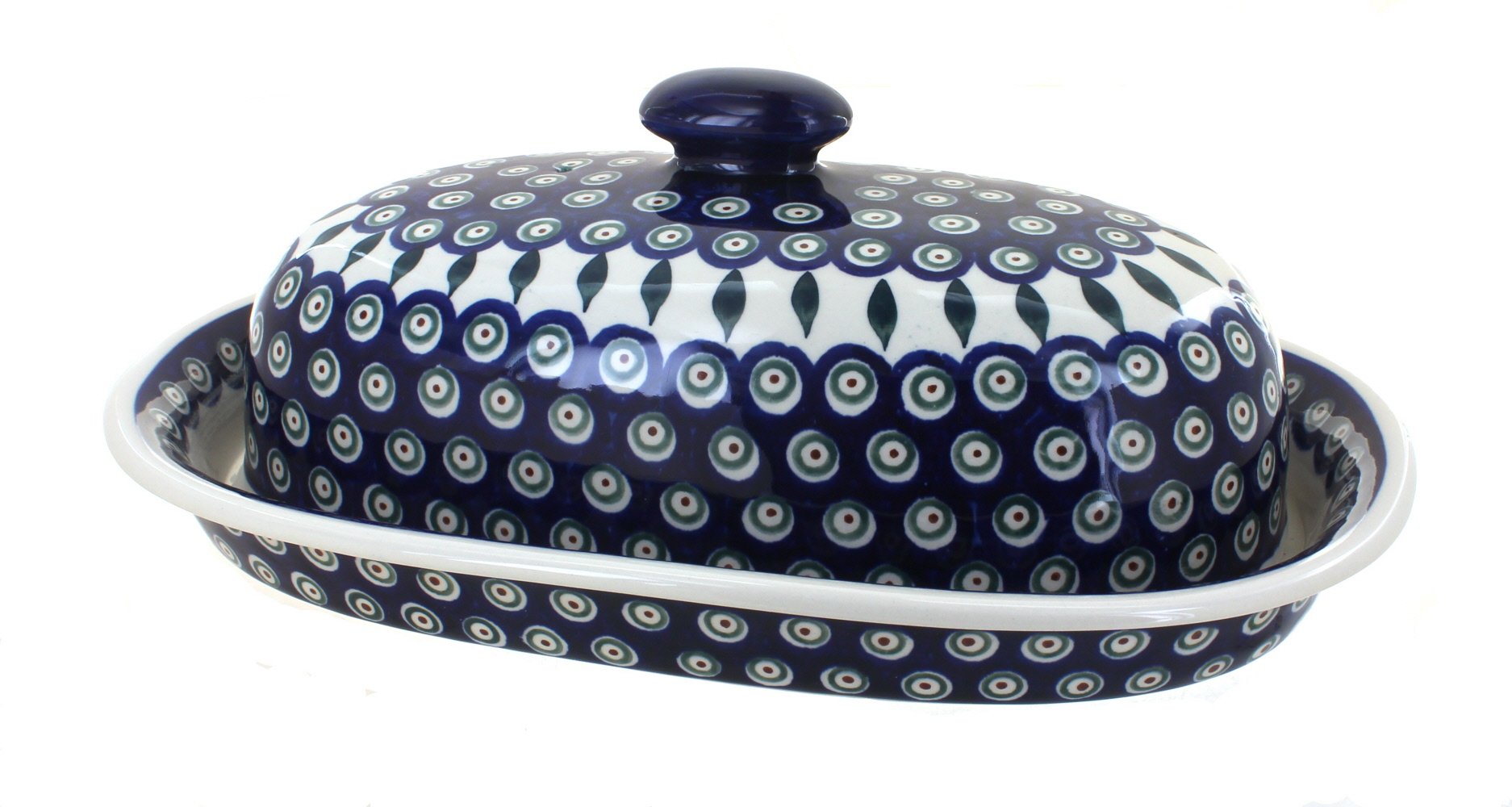
Quick Answer: Ceramic Styles to Consider
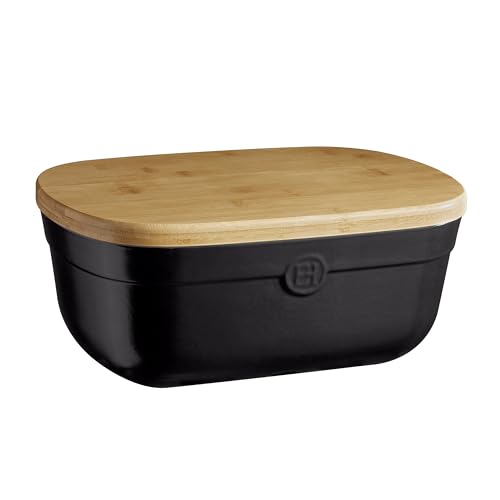
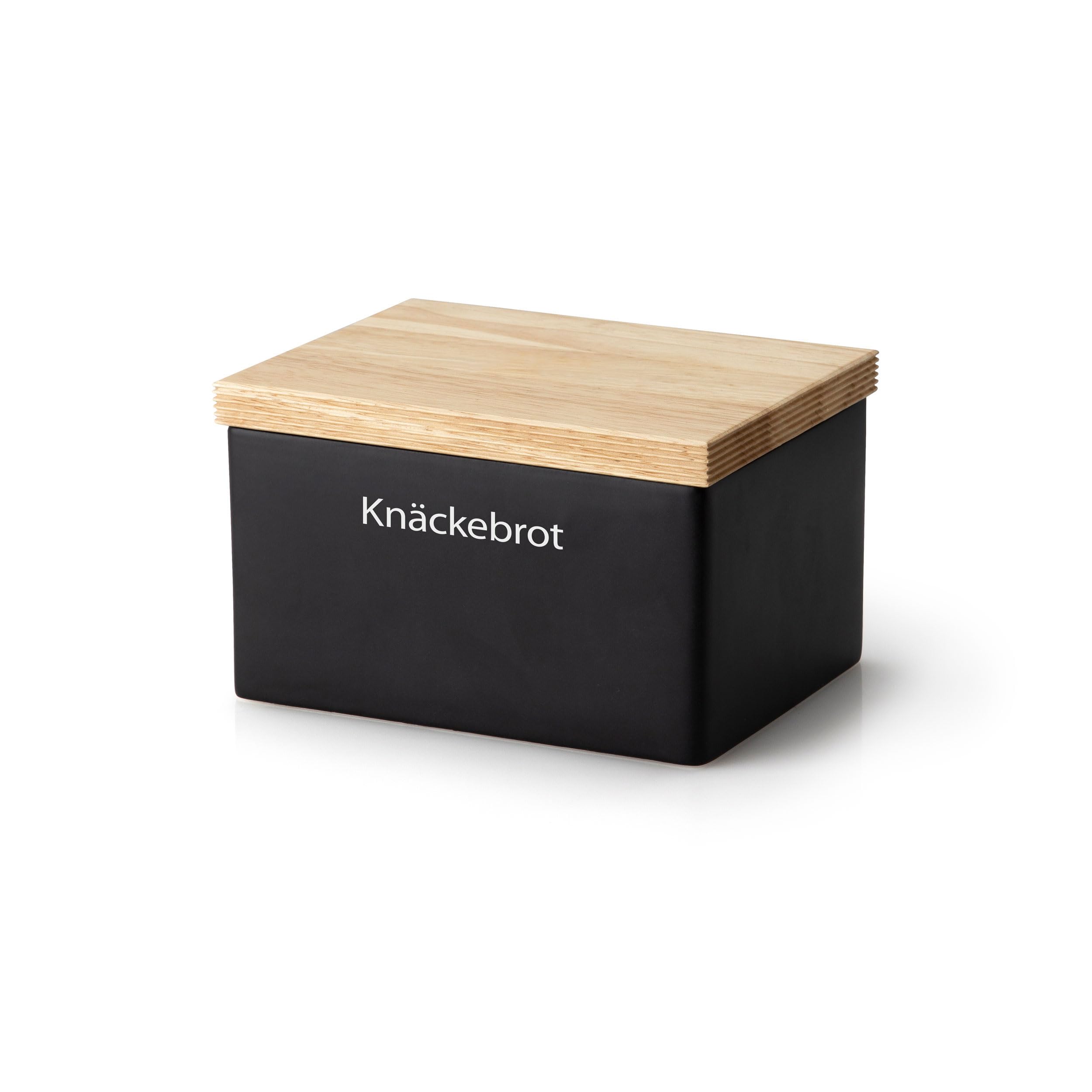
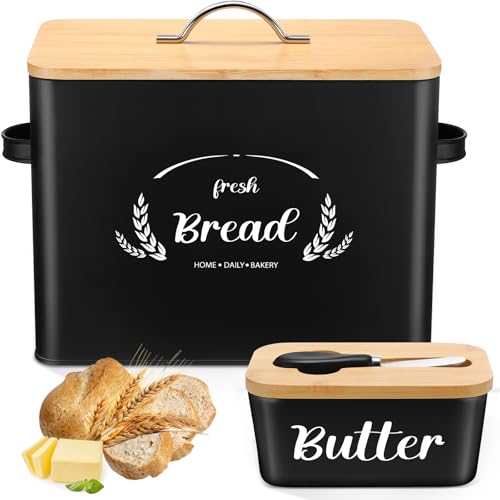
Most shoppers end up choosing among three styles. A compact box holds one standard loaf and fits small counters well. A large box holds two loaves or a loaf plus rolls, which suits families who bake or shop in bulk. A decorative box with a wooden or bamboo lid adds a cutting surface and a warm accent. Start with the style that matches your routine, then check size, lid fit, and glaze quality in the sections that follow.
Before You Buy: A Quick Checklist for Choosing a Bread Box
Size: Match It to Your Space
Measure the counter area first, including the space the lid needs to open or lift without hitting cabinets above. Then measure your usual loaf, because tall artisan loaves need more height than sandwich loaves. A box that is too small will crush the crust, while a box that is too large wastes counter room and lets more air circulate inside. Leave a small margin around the loaf for easy lifting. If you store rolls and bagels too, note their combined width before you decide.
Which Type Fits Your Routine
Ceramic works best when you want weight, easy wiping, and a finished look that can stay on display. If you prefer a lighter box that you move often, or you like a warm natural finish, compare ceramic with the best wooden bread box styles before you buy. Roll top lids save front space but need clearance above, while hinged and lift off lids need room in front. Choose the opening style that matches how your counter is used during busy meal prep.
Features Worth It and Ones to Skip
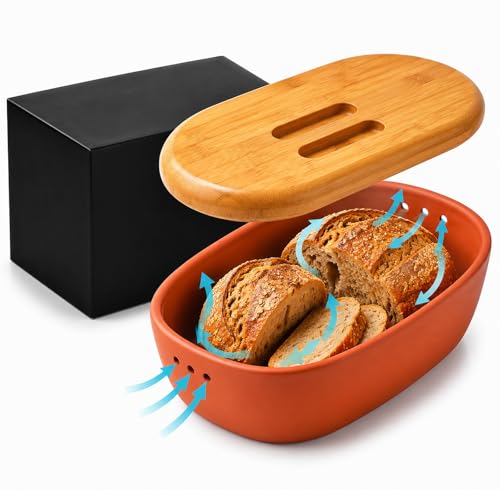
A lid that doubles as a cutting board is worth it if you slice bread in the same spot each day, because it saves you pulling out a separate board. Small vents or a lid that is not fully sealed can help balance moisture for crusty loaves. A viewing window is less useful than it sounds, since you open the box daily anyway, and extra trim or complex handles only add cleaning work. Simple shapes with smooth glaze and a sturdy knob tend to serve you better over time.
Seal Quality and Material Safety
A ceramic bread box should close snugly without trapping excess moisture, because a fully sealed space can soften crust and encourage mold in warm kitchens. Look for a lid that sits evenly with no rocking, and check that the glaze is described as food safe and lead free by the maker. The body should feel even in thickness, with no sharp unglazed edges inside. Ceramic itself does not need plastic liners, so you can avoid extra parts that stain, warp, or hold odors from past loaves.
Heat and Cold Safety for Ceramic
A bread box is made for counter storage at room temperature, not for baking, freezing, or reheating bread. Putting a cold ceramic box into a hot oven, or pouring hot contents into a chilled box, can stress the glaze and the body through sudden temperature change. Keep the box away from the stove and from direct sun on a hot sill. If you need to warm slices, use your oven or toaster and return the rest of the loaf to the box once the slices are taken out.
Realistic Budget Ranges
Small and simple ceramic boxes often cost about $25 to $40, and they cover basic storage for one loaf. Larger boxes and those with a board lid often fall around $40 to $70, with the extra cost going to size and finish. Decorative or hand finished pieces can cost about $70 to $120, mainly for design rather than better storage. Spending more does not keep bread fresh for much longer, so put your money toward correct size and a well fitting lid first.
Ceramic Bread Box Types Compared
The three types below cover most homes. Compare them by how much bread you store at once and how much counter room you can give up.
Compact Single Loaf Boxes for Small Homes
A compact box is the right starting point for singles, couples, and small kitchens where every inch of counter counts. It holds one standard loaf or a few rolls, and its smaller interior limits excess air around the bread. Choose this type if you buy bread two or three times a week and finish each loaf within a few days. Look for a lid that lifts straight up if you have low cabinets, and check the footprint against your toaster or kettle so both can stay in place.
Large Family Size Boxes for Daily Baking
A large box suits households that bake often or keep several kinds of bread at once, such as a sandwich loaf plus a round loaf for dinner. If that sounds like you, our guide to the best bread box for homemade bread explains storage needs for fresh bakes in more depth. With ceramic, remember that a bigger box is also heavier, so place it where it will stay rather than slide in and out of a cupboard. A wide opening helps you load bulky loaves without tearing the crust.
Decorative Countertop Boxes With a Focus on Style
Decorative boxes use color, texture, and contrasting lids to act as a kitchen accent while they store bread. They suit open counters and homes where the box is always on view, such as a farmhouse or classic style kitchen. Style should come second to function, so confirm the interior is smooth and easy to wipe, and that painted detail is on the outside only. A board lid in a light wood tone pairs well with ceramic and gives you a practical slicing spot.
How to Evaluate a Ceramic Bread Box
Judge each option in the same order so your choice stays grounded. First, confirm the interior size fits your usual loaf with room to spare. Second, lift and replace the lid in the store or from product photos and notes, and look for an even fit. Third, inspect the glaze for smooth coverage and easy cleaning. Fourth, weigh capacity against counter space and the effort of moving a heavy box to clean beneath it. Last, compare total cost with how often you buy bread, so the box earns its place.
What We Like and What We Do Not Like About Ceramic Compared With Other Materials
Ceramic brings steady weight, so the box stays put when you lift the lid with one hand, and its smooth surface resists staining from jam or butter smears. It also keeps a cool, dark interior that suits daily bread, and for crust focused baking, our guide to the best bread box for sourdough covers moisture balance in more detail. On the downside, ceramic can chip if a heavy pan strikes it, and large boxes are hard to move for cleaning. Wood feels warmer and weighs less, metal is tougher against knocks, and plastic costs less, but none match the solid, display ready feel of ceramic.
Common Mistakes to Avoid
- Buying by exterior size only, then finding the interior is too short for your usual loaf.
- Placing the box beside the stove, where heat and steam shorten the life of the bread inside.
- Storing bread while it is still warm from baking, which traps steam and softens the crust.
- Choosing a fully sealed lid for crusty loaves, which can leave the interior damp in warm weather.
- Ignoring the weight of a large ceramic box, then struggling to move it for weekly cleaning.
- Keeping sliced and unsliced loaves together without a wrap on the cut face, which dries out faster.
Cost of Ownership and Care
Ceramic has low running costs because it needs no filters, liners, or replacement parts, and the lid board, if included, is the only piece that may need oiling over time. Wash the interior with warm water and a small amount of dish soap, then dry it fully before you return bread, because lingering moisture works against freshness. For step by step help, see how to clean a bread box without harming the finish. Handle the box with two hands when you move it, set it on a dry surface, and check the rim and lid edge now and then for small chips that can grow if ignored.
FAQ
Are ceramic bread boxes worth it for most kitchens?
Yes, for most kitchens that store bread on the counter and use it within a few days. Ceramic gives you a stable, dark, and cool space that protects a loaf better than a thin bag alone, and it looks neat enough to leave out. It is less worthwhile if you freeze nearly all your bread or if your counter is so tight that a heavy box would block daily prep space.
How do you clean a ceramic bread box without harming the glaze?
Empty the crumbs first, then wipe the interior with a soft cloth and warm soapy water, and rinse with a damp cloth rather than soaking the whole box. Avoid harsh scouring pads, because they can dull the glaze over time and make later stains harder to remove. Dry the box with the lid open for a short while before you close it. A mild vinegar wipe can help with lingering odors from strong flavored breads.
How long does a ceramic bread box last with daily use?
A well made ceramic box can last for many years with daily use, because the material does not rust, warp, or absorb odors the way some other materials can. Its life depends mostly on avoiding knocks and sudden temperature changes, which can chip or crack the body. If a chip reaches the interior surface where food rests, replace the box for hygiene reasons. Small exterior marks that do not affect the lid fit are usually only cosmetic.
What size ceramic bread box do you need for a standard loaf?
For a standard sandwich loaf, look for an interior that is a little longer and taller than the loaf itself, so you can lift it out without squeezing the sides. As a guide, most standard loaves need roughly 12 to 14 inches of interior length and about 6 inches of height, but artisan loaves vary more in shape. Measure your tallest and widest loaf at home, including any paper wrap you keep on, and choose the next size up if you are between sizes.
Can you store different breads together in one ceramic bread box?
You can, but keep strong flavored breads, such as garlic or onion loaves, wrapped so their aroma does not pass to plain loaves nearby. Place sliced bread with the cut face covered or turned toward the rest of the loaf to slow drying. Avoid packing the box tightly, because crowded loaves can press on each other and trap moisture between them. If you often store sweet and savory breads at once, a larger box gives each loaf breathing room.
Final Thoughts
The right ceramic box is simply the one that fits your loaf, your counter, and your routine without adding fuss to your mornings. Use the product table above to compare styles again, weigh size and lid fit before looks, and you will land on the best ceramic bread box for your home with confidence. Start with the checklist, choose the type that matches your household, and enjoy a tidier counter and better daily bread.


