
Best Ceramic Coffee Mugs: Pick by Size, Glaze and Set Count 2026
Disclosure: We may earn a commission when you buy through links on this page, at no extra cost to you. As an Amazon Associate I earn from qualifying purchases. Learn more

Compare the best ceramic coffee mugs by size, material, glaze safety and set count so every morning cup feels right.
A chipped rim, a cramped handle, and a shelf that will not close are how many households learn that mug shopping needs care. The right best ceramic coffee mugs for you depend on how many people drink at home, how much shelf space you have, and how you use the microwave and dishwasher each day. This guide walks through size, style, set count, and budget so you can choose once and use the set daily.
If you are still comparing materials beyond ceramic, our guide to the best coffee mugs gives useful background. Then use the product table above to check capacity, set size, and care ratings for the styles covered here.
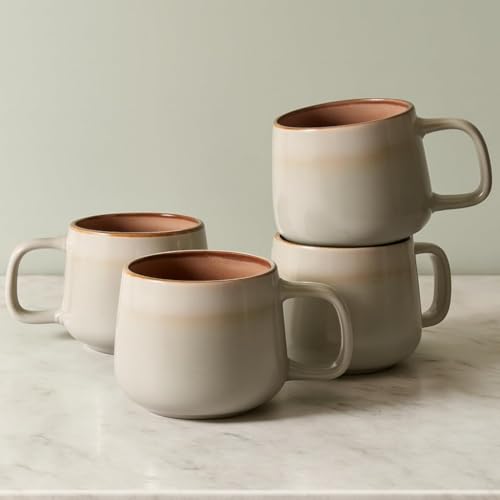


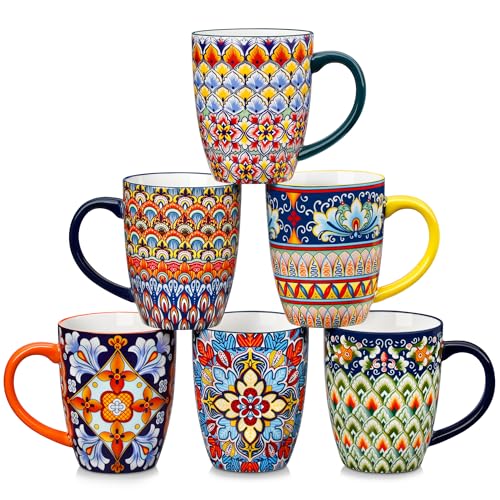
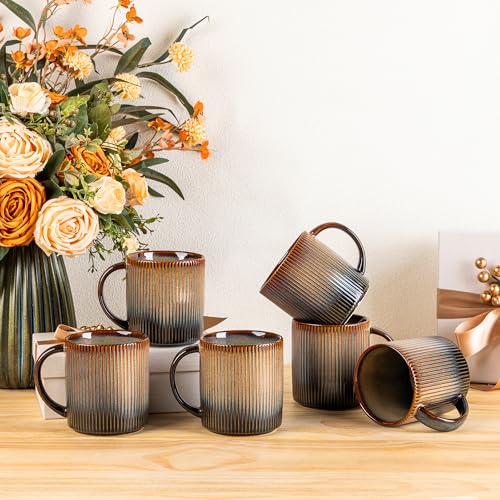


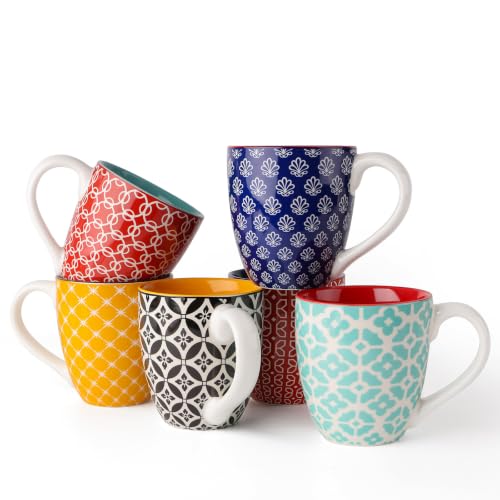


Quick Answer: Ceramic Mug Styles in 30 Seconds
Start with the style that matches your household rhythm, then confirm size and care details in the checklist that follows.
- Porcelain for a lighter, neater feel. Thinner walls look refined on a table, and the lighter weight suits people who dislike a heavy mug.
- Stoneware for daily durability. Thicker walls feel sturdy, hold warmth well, and hide minor wear in busy kitchens.
- Handmade style ceramic for character. Slight variation in shape and glaze gives each piece personality, though sizes may differ a little within a set.
Before You Buy: A Quick Checklist for Choosing Ceramic Coffee Mugs
Work through these points in order. Size and routine come first, because a set that fights your shelves or brewer will end up at the back of the cabinet.
Size: Match It to Your Space and Your Pour
An 8 to 10 oz mug suits small pours and drinks with modest added milk. The common 12 oz size fits a standard brewer pour with room for cream, and it stores easily. A 16 oz mug holds a large coffee or tea without a refill, but it takes more cabinet room and may not fit under some brewers. Reserve 20 oz for people who truly drink that volume at once, since coffee cools before the last sip.
Which Ceramic Type Fits Your Routine
Porcelain is fired at high heat, feels smooth and light, and resists staining well, which suits households that value a clean look. Stoneware is thicker and heavier, so it feels solid and keeps drinks warm a bit longer through sheer mass. Earthenware style pieces look warm and rustic, but they can be more porous and less forgiving of knocks. If your home washes and stacks mugs daily, stoneware or porcelain usually fits better than delicate decorative pieces.
Features Worth Paying For and Ones to Skip
A handle you can fit two or three fingers through comfortably matters more than most extras, since you lift a full mug many times each week. A slightly tapered base helps stability on counters. Lids can reduce spills at a desk, and saucers suit formal serving, but both add storage and washing work. Skip ornate shapes that narrow at the rim if you hand wash often, because brushes reach those interiors poorly and residue builds up.
Lead and Cadmium Free Glazes
For a mug you drink from daily, look for a clear statement that the glaze is lead free and cadmium free and intended for food contact. Be cautious with unmarked vintage pieces for hot acidic drinks like coffee, especially when the interior glaze is cracked or dull with no safety information. If the inner surface chips or shows fine cracks, retire that mug from drink use. Clear labeling matters far more than words like natural or artisan on the box.
Dishwasher, Microwave and Oven Safety
Check each rating separately, because a mug can be dishwasher safe yet not approved for the microwave. Metallic trim and some decals often rule out microwave use, and gold or silver edging can spark. Oven limits vary widely, so never assume a ceramic mug can go under a broiler. Daily reheating also stresses glazes over time, so a plain interior with no metallic detail is the simpler choice for most homes.
Set Size and Open Stock Availability
A set of four suits one or two drinkers who wash often. A set of six gives breathing room for guests and for days when a mug sits in the sink. Larger households may prefer two matching sets rather than one large box, since storage stays flexible. Open stock availability is worth checking, because replacing a single broken mug keeps a set useful for years. Without it, one chip can leave an odd count and a discontinued pattern.
Realistic Budget Ranges
Simple sets under $20 cover basic needs for a first apartment, with plain glazes and standard sizes. Sets at about $30 to $60 often bring better handle comfort, more even glazing, and open stock options. Handmade style sets may sit under $100, with cost driven by labor and finish rather than coffee flavor. Spend first on size, handle fit, and safety labeling. Decorative extras raise price fastest while adding the least to daily use.
Ceramic Mug Styles Worth Considering
The best ceramic coffee mugs for one home may feel wrong in another, so this section compares styles by use rather than naming specific products.
Balanced Stoneware Sets for Most Homes
Stoneware sets in the 12 to 14 oz range hit a practical middle ground for many families. The walls feel reassuring without becoming tiring to hold, and the weight helps the mug sit steady. Glazes in this style often hide staining better than bright white interiors. The main tradeoff is shelf space, since thicker walls need more room. Choose this direction if your household drinks coffee and tea daily and uses the dishwasher most days.
Lightweight Porcelain Sets for Smaller Budgets and Shelves
Porcelain sets suit homes where cabinet depth is limited and people prefer a lighter lift. A 10 to 12 oz porcelain mug pours neatly, rinses clean, and stacks with less wasted space when the shape allows it. Porcelain can chip at the rim if it knocks against a faucet, so careful handling matters. This style fits smaller households, guest serving, and anyone who drinks several smaller cups rather than one large pour.
Handmade Style Sets as a Longer Term Investment
Handmade style ceramic rewards buyers who value feel and appearance and who will hand wash at least some of the time. Wall thickness, weight, and glaze tone can vary from piece to piece, which many owners enjoy and others find annoying in a matched set. These mugs often cost more per piece, so buying four and adding later can spread the cost. Choose this style for slow weekend coffee, gifts, and settings where character matters as much as capacity.
How Ceramic Coffee Mugs Compare
Ceramic mugs are compared here on material and likely durability, dishwasher and microwave ratings, handle comfort, capacity, set contents, and value for the price range. The comparison leans on maker specifications and patterns in verified buyer feedback about chipping, staining, and handle size. The focus here is fit with real homes, meaning storage, household size, and the cost of keeping a set complete.
What We Like and What We Do Not Like About Ceramic Versus Other Coffee Mugs
Ceramic brings a neutral taste, a comfortable rim feel, and a wide range of sizes and looks at fair prices. It does not insulate like a sealed travel mug, so drinks cool at a normal pace at a desk. If long heat retention is your priority, look at the best insulated coffee mugs instead. If you prefer to watch the color of your drink and want a lighter modern look, the best glass coffee mugs are the closer comparison.
Ceramic also needs no charging or cord, which keeps cost and clutter low. Readers who want a mug that actively holds a set temperature can review the best self heating coffee mugs for that approach. For most kitchen tables, ceramic wins on simplicity. Its weakness is fragility. One hard drop onto tile usually ends the mug, while metal mugs often survive with only a dent.
Common Buying Mistakes to Avoid
- Buying capacity by looks alone. A wide mug can hold less than a tall one, so check the stated ounces before ordering.
- Ignoring brewer clearance. Tall mugs may not fit under your machine, forcing an awkward angled pour every morning.
- Choosing a large set before living with the shape. Handle feel only becomes clear in daily use, so start smaller when you can.
- Overlooking replacement cost. A low priced set with no single mug replacements can cost more over time than a pricier open stock set.
- Assuming every ceramic mug is oven safe. Ratings differ by maker, and a wrong assumption can crack the glaze or the mug itself.
Cost of Ownership and Care
Ceramic mugs carry almost no running cost. There are no filters or parts to replace, so the real expense is replacing chipped pieces. Hand washing with a soft sponge protects decals, while dishwasher use suits plain glazed sets rated for it. For stain and odor steps, see our guide on how to clean coffee mugs and follow the method that matches your glaze.
Store mugs with a little space between them rather than forcing tight stacks, since rim contact is a common source of chips. Avoid sudden temperature swings, such as pouring boiling water into a mug from a cold shelf, because that stress can crack some pieces. Set a chipped mug aside for pencils instead of drinks, since damaged glaze can harbor residue and feel rough on your lip.
Your Questions, Answered
Are ceramic coffee mugs worth it for daily use?
Yes, for most households ceramic offers a strong balance of taste, comfort, price, and easy care. It adds no flavor of its own, works with coffee, tea, and cocoa, and needs no charging. People who regularly carry drinks outdoors, where a drop is likely, may prefer another material. For seated drinking at home or at a desk, ceramic remains a sound default choice.
How long do ceramic coffee mugs usually last?
A well made ceramic mug used with reasonable care can serve for many years. Life usually ends through an accident, such as a drop or a hard knock in the sink, rather than through wear from the drink itself. Watch for crazing, a fine crack pattern in the glaze. Once crazing spreads across the inner surface, many owners retire the mug because those lines can hold staining and become harder to clean.
Are expensive ceramic coffee mugs worth the extra cost?
Higher prices can buy more even glazing, better handle shaping, and the option to replace single pieces later, and those gains matter in daily use. Price alone does not guarantee thicker walls or greater strength, so read the set details rather than trusting cost as a quality signal. If you drink from the same mug every morning, paying more for comfort and open stock access is often sensible. For rare guest use, a modest set usually serves just as well.
How do you clean coffee mugs made of ceramic when a stale smell lingers?
Start by washing the mug, then fill it with warm water and let it sit for about an hour before washing again. A lingering smell often comes from milk residue held in tiny glaze lines near the rim, so scrub that area gently with a soft brush. Avoid steel wool, since scratches give future stains more places to settle. If the smell returns, check for crazing and consider retiring that mug.
What size ceramic coffee mug works best for latte drinks at home?
A 12 to 14 oz mug usually works best for a home latte, because it holds a double shot with steamed milk and leaves headroom for foam. Wider bowls feel pleasant since the milk spreads across a broader surface, but they cool faster than taller mugs. If you add syrups, the extra room also keeps stirring comfortable. People who make small milk drinks may prefer 10 oz, while large cafe style servings point toward 16 oz.
Final Thoughts
Choose the size you will finish while it is warm, confirm the glaze and safety ratings, and favor a set you can replace piece by piece. Stoneware suits busy kitchens, porcelain suits smaller shelves, and handmade style sets suit slower routines. Review the product table above once more, then pick the best ceramic coffee mugs that fit your space, household count, and budget without adding care steps you will not keep up with.


