
Best Carving Knife Sets in 2026: Complete Buying Guide
Disclosure: We may earn a commission when you buy through links on this page, at no extra cost to you. As an Amazon Associate I earn from qualifying purchases. Learn more

The best carving knife sets pair a long slicing blade with a sturdy fork; learn what to check in steel, length, balance and upkeep.
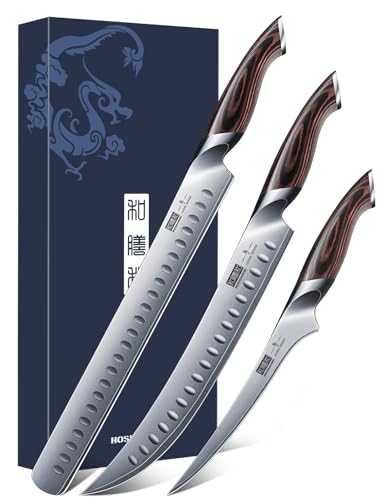
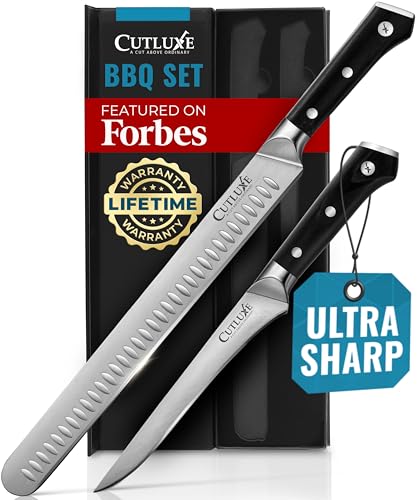
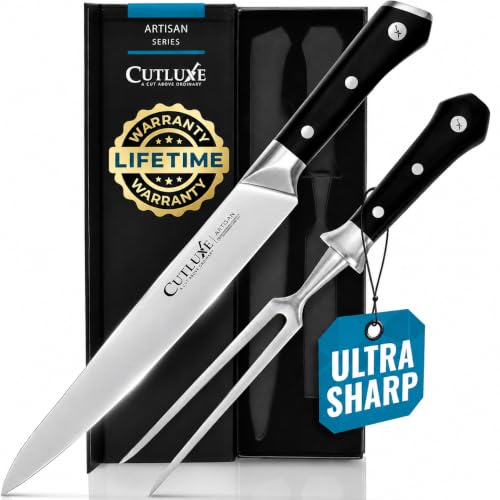
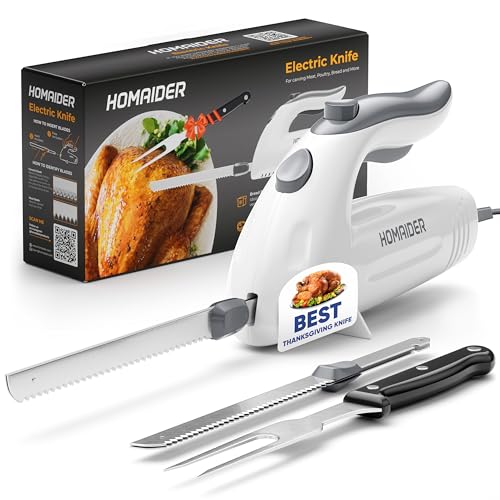
A roast dinner deserves a clean slice, and the right set makes that possible. When you shop for best carving knife sets, you are really choosing tools that turn a whole bird or joint into neat, even portions without tearing the meat. The product table lists current sets, and the sections below show how blade length, steel, and handle shape differ before you spend anything.
Most sets include a long slicing knife and a carving fork, and some add a shorter utility knife or a honing rod. That combination covers the whole job, from steadying the roast to making thin, controlled cuts. A good set feels balanced in your hand, holds an edge through a full meal, and is easy to clean and store safely.




Who Should Buy a Carving Set
Anyone who roasts whole chickens, turkeys, hams, or joints more than a few times a year will get real use from a carving set. A regular chef knife can do the job in a pinch, but its shorter blade forces more sawing, which shreds delicate meat and leaves ragged slices. A long, narrow carving blade glides through in fewer strokes, so each portion looks neat and stays juicy.
If you only carve once a year at a holiday meal, a simple two piece set is plenty. Frequent hosts and home cooks who serve roasts often may want a set with a honing rod included, since regular honing keeps the edge aligned between full sharpenings. Think about how often you carve, how large your roasts tend to be, and whether you want the set to live in a block, a roll, or a drawer tray.
Blade Steel and Edge Retention
German steel is usually softer and tougher, which means it is easy to hone at home and resists chipping if it meets a bone. Japanese steel is often harder, so it can take a finer edge and stay sharp longer, but it needs gentler handling and more careful sharpening. Neither style is better in every kitchen, so match the steel to your habits rather than chasing a hardness number.
Look at the hardness rating when it is listed, and treat it as a rough guide rather than a promise. A blade around 56 to 58 on the Rockwell scale is forgiving and simple to maintain, while harder blades above 60 hold an edge longer but can chip. Also check whether the edge is straight or serrated, since a straight edge suits clean slicing of roasted meat and a serrated edge suits crusty items better.
Blade Length and Shape
Blade length matters more than most buyers expect. A blade of about 8 inches suits chickens and small roasts, while a 10 to 12 inch blade handles large turkeys and hams without running out of cutting length mid slice. Longer blades need more counter space and a steadier hand, so choose the shortest length that still covers the largest roast you cook.
Shape matters too. A narrow blade with a pointed or rounded tip slides cleanly through meat, and a slight curve or a Granton edge with small dimples can reduce drag on moist slices. A carving fork with long, sturdy tines holds the roast steady without piercing it repeatedly, which keeps juices inside. Hold the set if you can, or check the listed weight and balance point before ordering.
Handles, Balance, and Comfort
Handles come in wood, composite, and molded plastic, and each has trade offs. Wood looks warm and feels comfortable, but it needs hand washing and occasional oiling to stay in good shape. Composite and molded handles resist moisture and go through more rugged use, and they often include a textured grip that stays secure with wet hands.
Balance is the test that matters most in use. A knife that feels heavy toward the blade will tire your wrist during a long carving session, while a handle heavy knife feels clumsy at the tip. The bolster, the thick band between blade and handle, adds weight and protects your fingers, but a full bolster can make sharpening near the heel awkward. Choose a grip that fills your hand without forcing your fingers into a cramped position.
Sharpening and Maintenance Needs
Even a fine carving knife dulls with use, so plan for upkeep from the start. A honing rod realigns the edge and is worth using for a few strokes before each carving session, while a whetstone or a professional sharpening service restores a truly dull edge. Sets that include a rod save you a separate purchase, but any rod must match the hardness of your blade to work well.
Hand washing is the safest routine for most carving knives, since dishwashers can dull edges and damage handles over time. Dry the blade right away, store it in a sheath, block, or roll so the edge never knocks against other tools, and keep the fork with it so the pair is always ready. A little care after each meal keeps the set slicing cleanly for years.
Related Guides Worth Reading Next
If you already own a fork you like, a single blade may be all you need: see our guide to best carving knives. To build a wider kitchen collection, compare best quality knife sets, best cutting knife sets and best culinary knife sets, and browse best carving sets for forks, boards and storage.
A Final Check Before You Order
Before you order, measure your largest roasting pan and your storage space, then match the blade length to both. Check the return policy as well, since a knife that looks right online can feel wrong in your hand, and a fair return window protects you. Read the care instructions closely, especially for wood handles and harder Japanese steel, so maintenance never becomes a surprise.
Set a budget range before you browse, and remember that a midrange set with good steel and a comfortable handle often outperforms a flashy set with extras you never use. A set around $60 to $150 covers most home needs, while larger or hand finished sets cost more. Buy for the roasts you actually cook, not the ones you imagine, and the set will earn its place quickly.
Frequently Asked Questions
What blade length is best for carving a turkey?
A blade of 10 to 12 inches suits most turkeys, since it covers the full width of the breast in one smooth stroke. Shorter blades force extra strokes that can tear the meat and leave uneven slices. If you mostly carve chickens and small joints, an 8 inch blade is easier to control and store. Measure your largest roast before choosing, and pick the shortest blade that still spans it comfortably.
Should I choose German or Japanese steel for carving?
German steel is softer and tougher, so it is easy to hone at home and forgiving if it touches bone. Japanese steel is harder and can hold a finer edge longer, but it needs gentler use and more careful sharpening. Beginners and busy cooks often prefer German steel for its low maintenance. Experienced sharpeners who enjoy upkeep may prefer the lasting edge of a harder Japanese blade.
Do I need a carving fork, or will a regular fork work?
A carving fork is worth having because its long, sturdy tines hold a roast steady with fewer punctures than a dinner fork. Fewer holes mean less juice lost and a firmer hold while you slice. A regular fork can work for a small chicken, but it slips more easily on a large joint. Most sets include a matching fork, which is one reason to buy the pair together.
How often should I sharpen a carving knife?
Hone the edge with a rod for a few strokes before each carving session to keep it aligned and slicing cleanly. Full sharpening on a whetstone or by a professional is only needed when honing no longer restores a smooth cut, often once or twice a year for home use. Heavy use or contact with bones shortens that interval. A sharp knife is also safer, since it needs less force and is less likely to slip.
Can carving knives go in the dishwasher?
Hand washing is the safer choice for almost every carving knife, since dishwasher heat and detergent can dull the edge and damage handles over time. Knives also knock against other items in a dishwasher basket, which chips fine edges. Wash the blade in warm soapy water, dry it right away, and store it in a sheath or block. This short routine keeps the set in good shape for many years.
Final Thoughts
Choosing well comes down to blade length, steel, handle comfort, and a maintenance routine you will actually follow. Start with the roasts you cook most, pick a length that spans them, and favor a handle that feels secure in your hand. The product table can help you compare current sets before you decide.
With the right set, carving stops feeling like a chore and becomes a calm part of serving a meal. Take time to compare a few options, keep the edge honed, and store the set safely. A thoughtful choice among best carving knife sets will reward you with neat slices and easier holidays for years.


