Best Bakeware Set for Your Home in 2026: A Quick Checklist and Buying Guide
Disclosure: We may earn a commission when you buy through links on this page, at no extra cost to you. As an Amazon Associate I earn from qualifying purchases. Learn more

Match the best bakeware set to your oven, cabinet space and family size, with advice on metal, glass, ceramic, coatings and care.
A crowded cabinet and a single warped sheet pan are often what push a home cook to shop for a best bakeware set in the first place. The right set should fit your oven, the meals you make each week, and the storage you can spare. The product table brings the main options together so you can match pieces, materials, and sizes to your household.
This guide takes a home first view, focusing on cabinet space, family size, daily ease of use, and the cost of keeping a set in good shape. Work through the checklist and choose a buying profile.



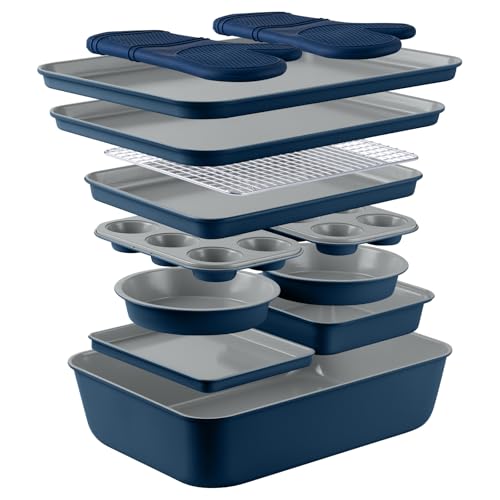
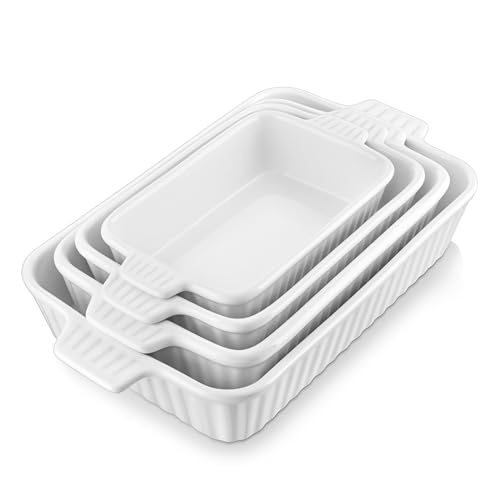

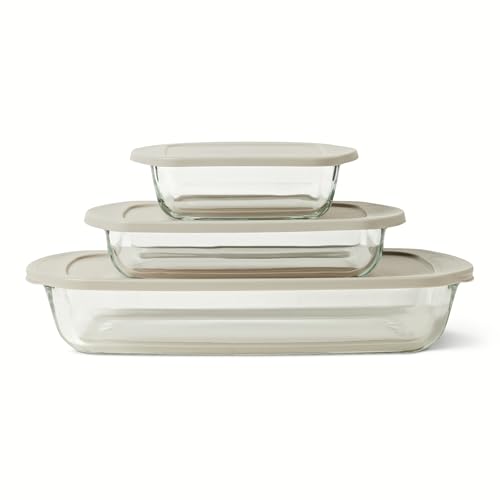
Quick Answer: Start With Your Home, Not the Piece Count
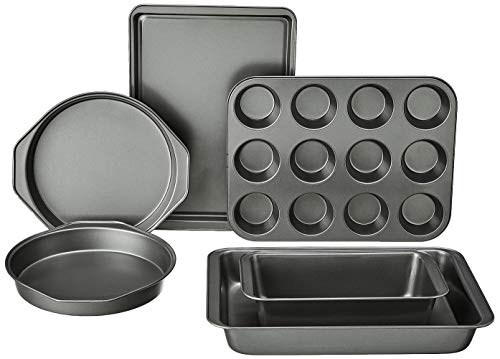
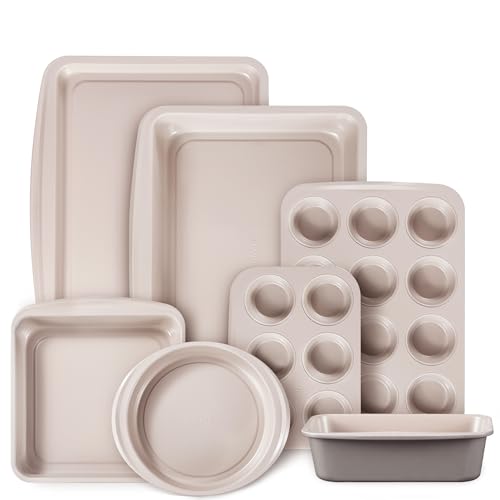
For most homes, a mid size metal set with two sheet pans, a muffin pan, two round cake pans, a loaf pan, and a 9 by 13 inch baking dish covers daily cooking and weekend baking without crowding a cabinet. Choose glass or ceramic for dishes that go from oven to table, and uncoated metal if you dislike replacing coatings. Buy the smallest set that covers your weekly routine.
Before You Buy: A Quick Checklist for Choosing a Bakeware Set
A set is a bundle, and bundles reward buyers who check details before ordering. One oversized pan can make the whole set a poor fit for a small oven, and one coating you dislike can leave half the pieces untouched.
Size: Match It to Your Space
Measure the inside of your oven and the shelf where the set will live before you look at piece counts. A standard home oven fits a half sheet pan at about 18 by 13 inches, but compact ovens need smaller pans. Sets run from about 5 pieces for one or two people to 15 pieces for large families, yet sellers often count lids and small tools as pieces, so read the list of actual pans. A set that stores in one stack is easier to use daily than a larger set scattered across three cabinets.
Which Type Fits Your Routine
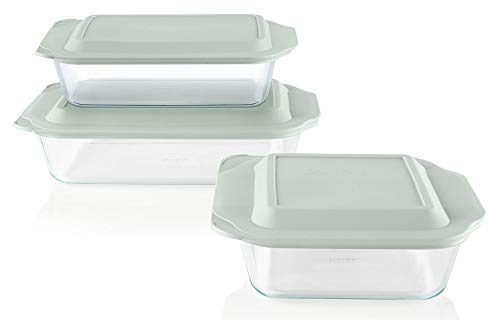
Metal pans heat quickly and suit sheet pan dinners, cookies, roasting, and everyday cakes. Aluminized steel and carbon steel give sturdy, even results, while plain aluminum stays light and low cost. Glass heats more slowly and holds heat at the table, which suits casseroles and lasagnas, but it is heavy and needs care with sudden temperature changes. Our comparison of glass vs metal bakeware explains how each handles browning and serving.
Ceramic pieces bring a finished look to the table and work well for baked pasta, gratins, and fruit desserts, though they weigh more and can chip if knocked in a crowded sink. If serving straight from the oven matters, see our guide to the best ceramic bakeware set for sizes and care points. Silicone is flexible and easy to store, but it feels floppy when full and often needs a sheet pan under it. Stainless steel resists rust and suits buyers who want to avoid coatings.
Features Worth Paying For and Ones to Skip
Rolled edges help sheet pans resist warping, wide handles give a safer grip with oven mitts, and a cooling rack that fits inside the sheet pan adds real value for roasting and cooling cookies. Plastic lids are worth it if you store leftovers in the pan or carry food to gatherings. Skip duplicate cake pans in shapes you never bake, tiny specialty pans, and bundled utensils you already own. A smaller set with strong basics beats a large set padded with extras.
Light vs Dark Finish and Browning
Finish changes how food browns. Dark pans absorb more heat, so cookies and roasted vegetables color faster and can overbrown on the bottom before the center is done. Light colored metal bakes more gently and gives a wider margin with cakes. If you own a dark set, you can often fix dark bottoms by lowering the oven by about 25 degrees Fahrenheit or moving the pan up one rack. Pick one finish for most pans so recipes behave in a predictable way.
Oven Safe Temperature
Check the stated oven limit for every material in the set, not just the highest number on the box. Uncoated metal usually tolerates broiler heat, while many nonstick coatings are rated to about 450 degrees Fahrenheit and silicone often sits near the same range. Glass and ceramic need gradual heating and should not go under a hot broiler unless the maker allows it. If you often finish dishes under the broiler, let that limit narrow your choice early. Follow maker guidance on preheating empty pans, because some glass can crack if it heats empty and then meets cold food.
Nonstick Coating vs Uncoated
Nonstick pans release muffins, egg bakes, and sticky glazes with little effort and wash up fast on busy nights. The trade off is a finite life, because coatings wear with metal tools, high heat, and repeated dishwasher cycles. Uncoated metal asks for a little grease or parchment but can serve for many years. If easy release is your top priority, our guide to the best nonstick bakeware set covers coating care in depth. Many homes mix both, using nonstick for muffins and uncoated sheet pans for roasting.
Realistic Budget Ranges
Basic sets under $50 usually cover the core pans in thinner metal or with a simple coating, which suits a first apartment. Sets at about $50 to $100 tend to add thicker pans, rolled edges, and a rack or lids, and this range fits most family kitchens well. Above about $100 to $200, you pay for heavier gauge metal, stainless steel, ceramic, or glass and finishes that resist warping longer. Spend first on pans you use weekly, because one sturdy sheet pan returns more value than three specialty shapes.
Three Buying Profiles and What to Prioritize
Instead of chasing a single winner, match a set to the profile that sounds most like your home. Each profile points to a material, a sensible piece count, and the features that matter most.
For Most Homes: A Balanced Everyday Set
Choose a set of about 10 pieces in aluminized steel or sturdy aluminum, with two sheet pans, a muffin pan, two round cake pans, a loaf pan, and a rectangular baking dish. Prioritize rolled edges, handles you can grip with mitts, and pans that nest for storage. This profile handles weeknight roasting, birthday cakes, and holiday sides without storing shapes you rarely touch. A light or medium finish keeps results forgiving.
For Small Kitchens and Tight Budgets
Choose a compact set of about 5 to 6 pieces that stack into one cabinet footprint, with one sheet pan, one rectangular dish, a loaf pan, and a muffin pan. Glass or metal both work, so let storage decide, since glass stacks neatly but weighs more. Prioritize pieces that serve two jobs, such as a dish that roasts vegetables on Tuesday and bakes a casserole on Sunday. Skip lids and racks for now, and add a rack later for under $20 if roasting becomes a habit.
For a Long Term Investment
Choose uncoated stainless steel or heavy aluminized steel if you want to buy once and maintain the set for many years. Prioritize thick gauge pans that feel rigid when you twist them lightly, seamless corners that clean easily, and makers that sell single replacement pans. If a coating free kitchen is your goal, see our guide to the best stainless steel bakeware set for what to check. Expect to grease pans and line them with parchment, a small effort that trades for a much longer service life.
What Matters Most When You Compare Sets
Five criteria separate a set you will love from one that drifts to the back of the cabinet. Heat distribution decides whether cookies brown evenly. Food release decides how much scrubbing follows dinner. Warp resistance decides whether a sheet pan still sits flat after a year of roasting. Material safety and clear care guidance decide how confidently you can use the set daily. Cleaning effort matters too, because an annoying set will be used less.
Judge claims against those five points by reading the full piece list, material notes, and care instructions before you order. For a deeper look at material choices and coatings, our explainer on what is the safest bakeware walks through the common options and what each asks of you in daily use.
Choosing by Household and Space
For one or two people, a compact set plus one good sheet pan covers almost everything. For families of four or more, two sheet pans matter more than any specialty piece, because dinner and a side dish often need the oven at the same time. Frequent hosts should add a large rectangular dish and lids for transport, while keen cake bakers should confirm the set has two round pans of the same size.
Common Buying Mistakes to Avoid
- Buying the largest piece count without reading the list, then storing pans you never use.
- Skipping oven measurements, so the biggest pan hits the oven walls or the door will not close with the rack in place.
- Ignoring replacement cost, because a low price nonstick set replaced every few years can cost more than uncoated metal.
- Mixing finishes without noticing, so one recipe browns fast in a dark pan and stays pale in a light pan.
- Putting every pan in the dishwasher, even when the care notes call for hand washing to protect coatings and edges.
Cost of Ownership and Care
The purchase price is only part of what a set costs you. Add parchment for uncoated pans, replacement for worn nonstick pieces, and any storage racks a large set demands. Hand washing with a soft sponge, drying pans fully before stacking, and placing a cloth between stacked nonstick pans prevents most scratches and rust spots. Avoid cooking spray on nonstick surfaces, because its additives build a sticky film that is hard to remove. Retire any glass pan with a chip or crack, since damaged glass can fail in a hot oven.
Your Questions, Answered
Is a bakeware set worth it?
Yes, a bakeware set is worth it when its pieces match your weekly cooking and buying them together costs less than the same pans bought one by one. A set also gives you matching sizes, which helps when a recipe assumes standard pans. It is not worth it if half the pieces duplicate pans you already own in good condition. In that case, buy the missing basics on their own and save cabinet space.
How long does a bakeware set last?
A bakeware set lasts about 3 to 5 years in nonstick form and often 10 years or more in uncoated metal, glass, or ceramic with careful use. Life shortens when pans warp, coatings peel, or glass chips. One early warning sign is food sticking in the same spot every time, which usually means the surface there has worn thin. Replace a single worn pan rather than the whole set when the rest still perform well.
What is the safest bakeware material for daily use?
The safest bakeware material for daily use is the one you use as directed, with intact surfaces and temperatures inside its rated limit. Uncoated stainless steel, glass, and ceramic have no coating to wear away, which many cautious buyers prefer. Nonstick pans are widely used safely when you avoid overheating them empty and retire them once the coating is scratched or peeling. If anyone in your home has a specific health concern, check the maker material disclosures and talk with a clinician about personal needs.
Is aluminum bakeware safe?
Yes, aluminum bakeware is considered safe for normal home baking, and it is the base metal in a large share of sheet pans and cake pans. Most contact with food is brief and at moderate temperatures. Anodized aluminum adds a harder surface that resists scratching and reduces contact with acidic foods such as tomato or lemon bakes. If you prefer to limit contact further, line aluminum pans with parchment for acidic recipes, a step that also makes cleanup faster.
What bakeware does a new home cook need first?
A new home cook needs a half sheet pan, a 9 by 13 inch baking dish, a muffin pan, a loaf pan, and one round cake pan before anything else. Those five pieces cover sheet pan dinners, casseroles, muffins, banana bread, and a simple birthday cake. Add a second round pan and a cooling rack once you bake more often. Buying this core first shows you which material you enjoy, so a later set builds on real habits.
What size bakeware set should a family of four buy?
A family of four should buy a set of about 10 pieces with two sheet pans, because weeknight meals often need protein and vegetables roasting at the same time. One sheet pan alone forces you to cook in batches. Look for a rectangular dish large enough for a family casserole and a muffin pan for school lunches and weekend baking. Larger counts help mainly if you host often or bake cakes in layers.
Final Thoughts
The best bakeware set is the one that fits your oven, your storage, and the meals your household repeats each week. Use the product table to compare piece lists and materials, favor sturdy basics over padded bundles, and let your buying profile set the budget. Choose well once, care for the pans as the maker directs, and your set should handle daily dinners and holiday baking with far less cabinet clutter.