Best Ceramic Mugs (2026): Buying Guide
Disclosure: We may earn a commission when you buy through links on this page, at no extra cost to you. As an Amazon Associate I earn from qualifying purchases. Learn more

Pick the best ceramic mugs for daily coffee and tea: compare size, handle comfort, glaze safety, dishwasher care and value before you buy a set or a single mug.
Buying a mug for the first time is simpler than it looks, once you know which details actually change daily use. The best ceramic mugs feel comfortable in your hand, hold the amount you drink, and keep their finish after many washes. This guide explains the basics in plain language, so you can compare options without guessing. The table further down shows how size and capacity differ across common mug types, and the product table lists current options.
Ceramic mugs are made from clay that is shaped, glazed, and fired at high heat, which gives them a solid feel and a smooth surface. The glaze is the key detail, because it seals the clay, affects how easy the mug is to clean, and shapes its color and texture. A good first mug balances comfort, capacity, and care, rather than chasing a single feature such as a bold color.



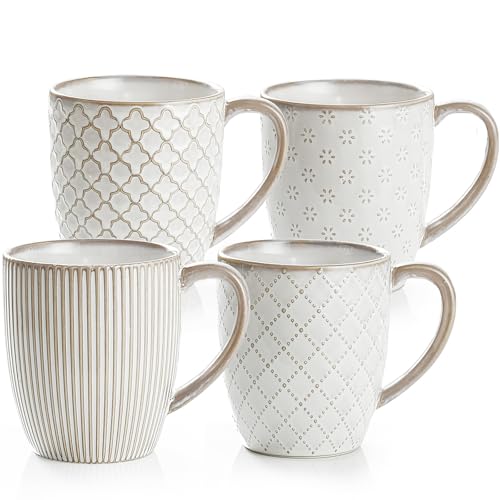


Ceramic Mugs 101: The Basics
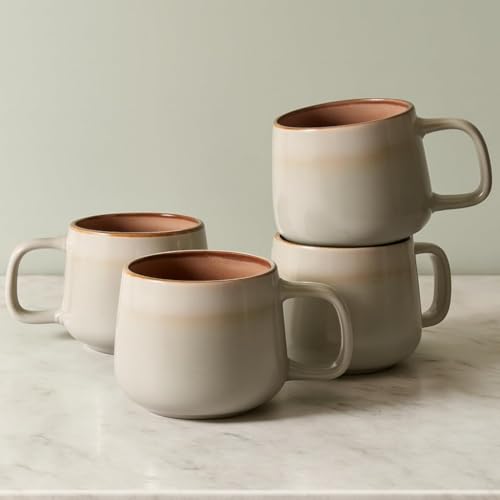
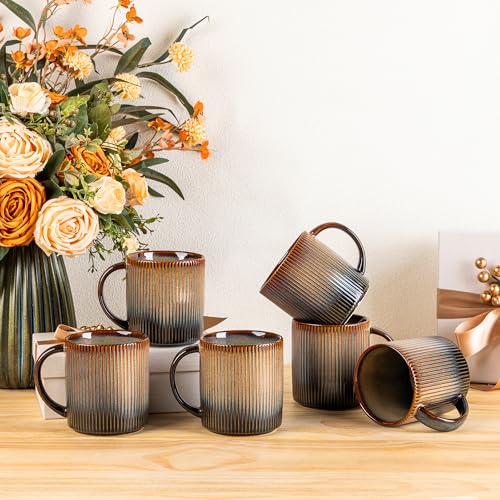
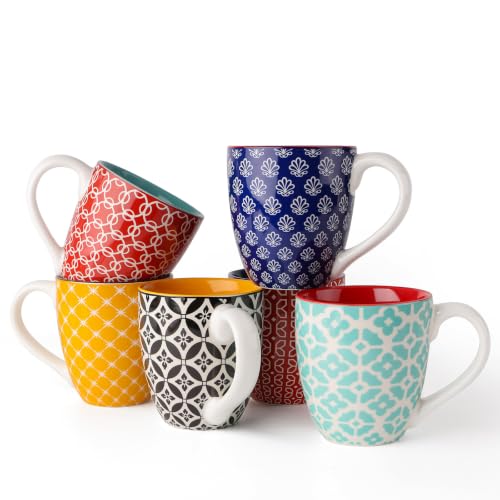
A ceramic mug is a drinking vessel with a handle, a base, and an open top, usually sized for coffee, tea, cocoa, or soup. Capacity is measured in ounces, and most everyday mugs hold about 10 to 16 ounces, which suits a standard hot drink. The shape affects heat and comfort: a wide mug cools faster and feels stable, while a tall mug keeps a drink warm longer but may feel top heavy.
The handle should fit at least two fingers comfortably, and the base should sit flat on a table without rocking. When you hold a mug, check its balance when full, since a mug that feels fine when empty can feel awkward when filled.
Glaze covers the inside and often the outside of a mug, and it should feel smooth and even, without rough patches or thin spots. A well glazed interior resists stains from coffee and tea and wipes clean more easily. Some mugs have an unglazed ring on the base, which is normal for the firing process and does not affect use. Maker guidance on food safety matters here: look for a statement that the glaze is food safe, and follow any care limits for heat, dishwasher use, and microwave use.
Key Specs Explained in Plain English
Specs on a mug listing can sound technical, but each one answers a simple question about daily use. Read them as a short checklist, and give the most weight to the specs that affect comfort and care.
Material and Food Safety
Ceramic covers several clay types, including stoneware and porcelain, and the difference shows in weight, thickness, and feel. Stoneware tends to be thicker and sturdier, while porcelain feels lighter and more refined. Both can serve well, so choose by the weight and balance you prefer.
Food safety depends on the glaze, so look for maker guidance that states the glaze is food safe and suitable for hot drinks. Avoid a mug with a cracked or chipped glaze, since damage can trap residue and weaken the surface over time.
Ease of Cleaning (Dishwasher Safe?)
Dishwasher safe means the maker states the mug can handle dishwasher heat and detergent without damage to the glaze or decoration. Many plain glazed mugs qualify, while hand painted or metallic finishes may need hand washing. If you value low effort care, choose a plain glazed mug with clear dishwasher guidance.
Hand washing extends the life of decorated mugs and keeps colors brighter for longer. Either way, rinse soon after use, since coffee and tea stains set more firmly when left to dry.
Comfort and Ergonomics
Comfort comes from handle size, wall thickness, and overall weight. A handle that fits your fingers without pinching makes a hot mug easier to carry, and a wall that is neither too thin nor too thick keeps heat comfortable to hold. Weight matters most for larger mugs, so a 16 ounce mug should still feel balanced when full. If you have smaller hands or limited grip strength, a lighter mug with a generous handle is a better first choice than a heavy oversized piece.
Durability and Build
Durability depends on glaze quality, wall thickness, and how the handle joins the body. A smooth, even glaze resists staining and chipping better than a thin or rough finish. The handle joint should feel solid, with no visible gap or rough seam where it meets the mug.
Thicker walls handle daily bumps better, but they also add weight, so balance strength against comfort. Store mugs with a little space between them, since chips often happen when mugs knock together in a cabinet.
Value per Piece
Value per piece means the price of one mug divided by how often you will use it, not just the lowest price on the shelf. A single well made mug that you reach for daily can offer better value than a cheap set that chips quickly. Sets can save money when you need several matching mugs, but check that each piece meets the same comfort and glaze standard. If you only need one or two mugs, buying singles lets you choose the exact size and handle you prefer.
| Mug Type | Typical Capacity | Best For | Care Note |
|---|---|---|---|
| Standard everyday mug | about 11 to 12 ounces | Coffee and tea | Often dishwasher safe |
| Large mug | about 14 to 16 ounces | Long drinks and soup | Check weight when full |
| Small mug | about 8 ounces | Espresso style drinks | Easy to store |
| Travel style ceramic mug | about 12 ounces | Drinks on the go | Check lid and seal guidance |
Rookie Mistakes to Avoid
- Choosing by color alone, without checking handle comfort, capacity, and glaze quality.
- Buying a mug that is too large to lift comfortably when full, or too small for your usual drink.
- Assuming every mug is dishwasher and microwave safe, instead of reading the maker guidance.
- Ignoring a chipped glaze, which can trap residue and shorten the life of the mug.
- Stacking mugs tightly in a cabinet, where handles and rims can chip against each other.
Most of these mistakes come from rushing the choice. A minute spent checking size, handle, and care guidance saves the cost of replacing a mug you never enjoy using.
Getting Started: Setup and First Use
Start by washing your new mug with warm water and mild soap, then dry it fully before the first drink. Check the base and handle for chips, and confirm the glaze feels smooth inside. Fill it with your usual drink and check the balance, the handle grip, and how hot the outer wall feels. If the mug has a lid, check the seal and the maker guidance for heat limits before you carry it.
Store it where it will not knock against other mugs, and keep the care guidance handy until you know its limits. For a related kitchen guide, see our guide to the best insulated mug for drinks that need longer heat retention, and our guide to the best photo mugs if you want a printed design. If you bake often, our guide to the best ceramic bakeware covers similar glaze and heat care points.
FAQs
Are ceramic mugs dishwasher safe?
Many ceramic mugs are dishwasher safe, but only when the maker states that the glaze and decoration can handle dishwasher heat and detergent. Plain glazed mugs usually qualify, while hand painted, metallic, or textured finishes may need hand washing. Always read the maker guidance for your exact mug, since two mugs that look alike can have different care limits. Hand washing is the safer choice for any mug you want to keep looking new for years.
Is a full set better than buying pieces for ceramic mugs?
A full set is better when you need several matching mugs for a household, since sets often cost less per piece and look consistent on a shelf. Buying single pieces is better when you want a specific size, handle, or color, or when you only need one or two mugs. Check that every piece in a set meets the same comfort and glaze standard, since a set is only good value if you enjoy using each mug. A mixed approach also works, with a matching set for guests and a favorite single mug for daily use.
How long do ceramic mugs last?
Ceramic mugs can last for many years when they are handled gently and kept within their care limits. Their life depends more on chips and cracks than on age, since a single drop can end the use of an otherwise sound mug. Mugs that are stored with space between them, washed gently, and kept away from sharp temperature change tend to last longest. A stained interior does not always mean the mug is worn out, but a crack through the wall is a sign to stop using it.
What material is safest for food in ceramic mugs?
The safest choice is a mug with a maker stated food safe glaze, since the glaze is the surface that touches your drink. A smooth, fully glazed interior is easier to clean and less likely to trap residue than a rough or damaged surface. Check the maker guidance for heat and care limits, and avoid mugs with cracked glaze or unknown finishes for daily hot drinks. If you have a health concern about a specific glaze, ask the maker for its food safety details before you buy.
Can ceramic mugs go in the microwave?
Many ceramic mugs can go in the microwave, but only when the maker states microwave use is safe for that mug. Metallic decoration, some glazes, and lids with metal parts should not go in a microwave. Heat the drink in short intervals and check the mug temperature with care, since ceramic can hold heat longer than expected. When in doubt, heat the drink in a plain mug you know is microwave safe, then pour it into your favorite mug.
Final Thoughts: Best Ceramic Mugs
Your first mug should meet three simple checks: it feels comfortable when full, it holds the amount you actually drink, and its care guidance fits your routine. Size and handle matter more than color, and a smooth food safe glaze matters more than a bargain price.
Start with one mug that meets those checks, use it for a few weeks, and you will know exactly what to look for in the next one. With that experience, choosing the best ceramic mugs for your kitchen becomes a confident, simple decision. Review the product table above once more before you buy, and pick the size and shape that suits your daily drink.