
Best Cellular Trail Cameras for Hunting: A Buying Guide for 2026
Disclosure: We may earn a commission when you buy through links on this page, at no extra cost to you. As an Amazon Associate I earn from qualifying purchases. Learn more

Find cellular trail cameras for hunting that fit your woods: compare coverage, trigger speed, flash, battery life and data plans before you buy.
A cellular trail camera sends photos to your phone, so you can pattern deer and watch a scrape without walking in and leaving scent behind. Choosing the best cellular trail cameras for hunting means matching signal, trigger speed, and flash to your ground, not just chasing the highest photo number. This guide covers who benefits most and which features change your results, with the comparison table below to line up your shortlist.
One camera on a travel route answers different questions than three cameras watching a whole lease. Keep your coverage and plan budget in mind as you read.

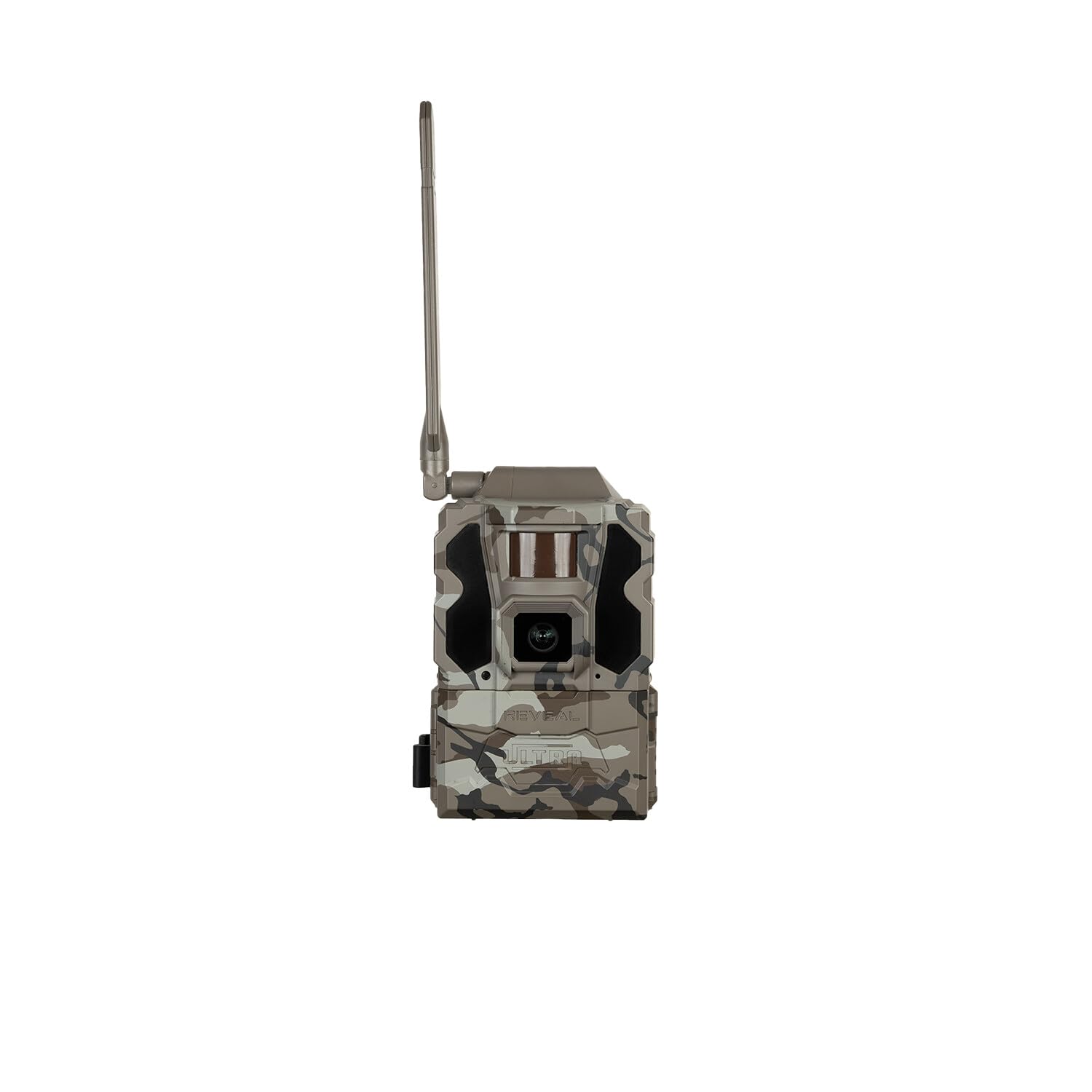
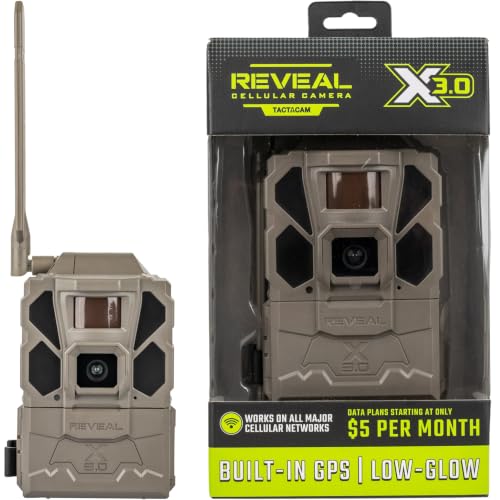


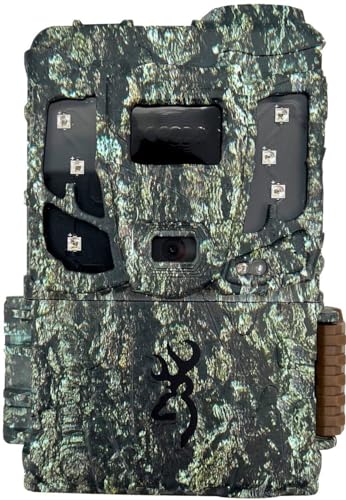
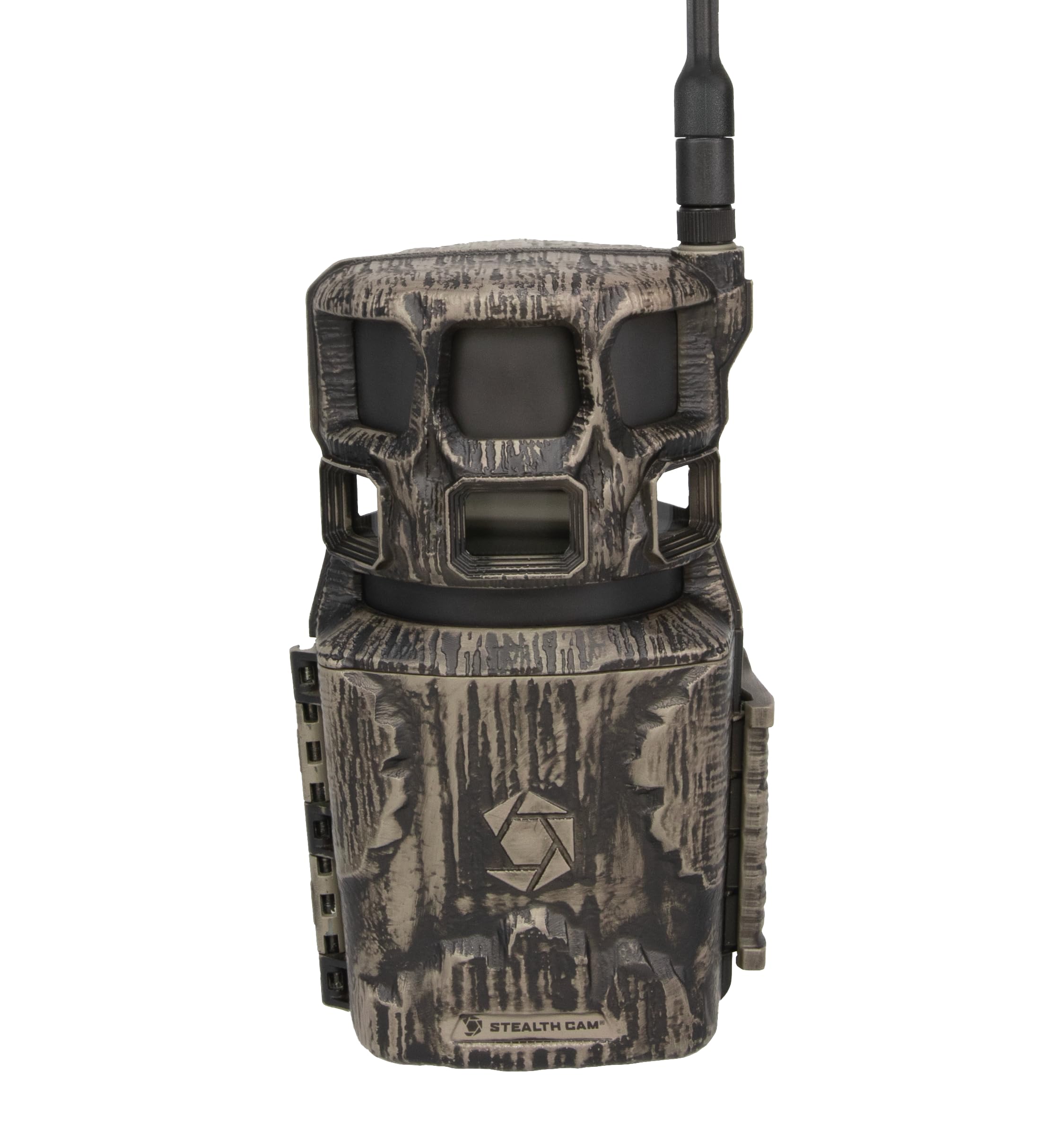
Who Should Buy a Cellular Trail Camera for Hunting?
Cellular models suit hunters who want fresh information without extra trips into the woods. See our guide to the best hunting trail cameras for the wider picture.
Deer Hunters Patterning Scrapes, Feeders, and Travel Routes
You need photos close to when deer actually move, without visiting the card every week. A fast trigger and a no glow flash matter most, because wary bucks learn to avoid a camera that blinks. If deer are your main target, see our guide to the best trail cameras for deer hunting as well.
Hunters Who Travel to a Lease or Hunt Far From Home
Distance is your main problem. A camera two hours away only helps if it reports often and works for months, so battery life, a clear app, and strong antenna performance should lead your list. Pick a plan tier that covers rut activity, when photo counts climb fast and a small plan runs out early.
Public Land Hunters and Land Managers Watching Several Spots
You spread cameras across ground that other people also use, so small size, dull camo, and a lockable mount matter as much as photo quality. Managers tracking herd balance may run several units at once, so see our guide to the best cellular trail camera for multiple cameras if that is your plan.
Key Features to Compare
Start with signal, because the best cellular trail cameras for hunting cannot help you if they cannot send from your tree. Then weigh trigger speed, flash, photo quality, and power.
Cellular Coverage, Antenna Strength, and Data Plans
A cellular camera can only send where its network reaches, so check the coverage map for your exact ridge or bottom, not just your town. Some models lock to one network, while others switch between major networks and pick the stronger signal at setup. A larger external antenna often holds a weak signal better than a small internal one. Plans are sold by photo count per month, so match the tier to your busiest month.
Trigger Speed and Recovery Time for Moving Game
Trigger speed is the delay between an animal entering the detection zone and the camera taking the photo, often about 0.3 to 0.8 seconds on hunting models. A slow camera aimed across a narrow trail gives you tails and empty frames, while a fast one catches the animal centered. Recovery time is how soon the camera can fire again, and it matters where a buck follows a doe by seconds. Aim along the trail rather than straight across it.
Detection Range, Detection Angle, and Flash That Does Not Spook Game
The passive infrared sensor detects heat in motion, usually out to about 60 to 80 feet, within a cone that should roughly match the camera view. Low glow LEDs show a faint red light that many deer ignore and some mature bucks avoid, while no glow LEDs stay invisible and suit pressured deer and public land. Night flash range is shorter than daytime detection, so place night cameras closer to the scrape.
Photo Quality, Video Clips, and Smart Sorting in the App
Judge photo quality by clarity at dawn and at night, not by the largest megapixel number on the box, since many cameras build big files by enlarging a smaller image. A sharp 12 to 20 megapixel file is plenty to judge antler points and tell one buck from another. Most plans send a small preview to your phone and keep the full size file on the card. App filters that tag deer, turkey, or people save real time.
Battery Life and Power Options for a Full Season
Sending photos uses far more power than storing them, so a busy feeder camera can drain a set of AA batteries in weeks while a quiet crossing camera lasts months. Lithium AA cells handle cold mornings better than alkaline cells, and our guide to the best batteries for cellular trail cameras is worth reading before you stock up.
Weather Sealing, Camo Finish, and Theft Protection
A hunting camera lives outside through rain, frost, and summer heat, so look for a sealed case with a firm latch and a gasket around the door. Keep the lens and sensor windows clear of bark and straps, since a partly blocked sensor misses animals at the edge of the zone. A dull camo finish helps it blend in, while a steel lock box and a cable lock slow down thieves and curious bears.
Types of Cellular Trail Cameras Compared
Cellular cameras split by how they connect and how they are powered. If a monthly plan is not worth it for a camera you check often, see our guide to the best non cellular trail cameras.
Single Network Cameras for Ground With One Strong Signal
These cameras connect to one named network and tend to cost less to buy and to run. They suit ground where that network is strong, which you can test with your phone at the tree.
Multi Network Cameras That Choose the Stronger Signal
These models carry more than one network option and select the stronger signal during setup. They suit hunters who move cameras between farms, leases, or states. Expect to pay more for the camera itself.
Solar Assisted Cameras for Long, Quiet Sets
A solar assisted camera pairs its battery pack with a small panel that tops up power in daylight. It fits feeders and field edges where light reaches the panel and visits are rare. In deep shade the panel adds little, so keep good batteries in the camera as the base supply.
Setup Tips for a Cellular Trail Camera in Hunting Woods
- Test signal, app pairing, and photo delivery at home first, so field time goes to placement.
- Mount about waist to chest height, angled along the trail, and clear grass inside the detection zone.
- Walk past at deer height and check the test photo on your phone before you leave.
- Face the camera north where you can, since low sun washes out photos and can cause false triggers.
Common Mistakes to Avoid
- Buying for a network that is weak on your ground, so photos queue unsent and the battery drains trying.
- Aiming straight across a fast trail with a slow trigger, so most frames show only the rear of a deer.
- Choosing a small photo plan for a busy feeder, so sending stops mid month at peak movement.
- Mounting over tall grass or a sunlit branch, so wind and heat fill your allowance with empty photos.
- Checking a new camera too often in person, so your scent teaches deer to avoid the spot.
Care and Maintenance for Cellular Trail Cameras
Wipe the lens, flash cover, and sensor window with a soft dry cloth at each visit, and check the door gasket for grit that could let rain in. Format the memory card in the camera after saving your photos, using a card size and speed the maker supports.
At season end, remove batteries before storage so a leaking cell cannot ruin the contacts, and store the camera dry indoors. Update firmware at home, and inspect straps for chew damage and rust.
Frequently Asked Questions
Do no glow cellular trail cameras spook deer less than low glow models?
Yes, no glow models usually spook deer less because their infrared LEDs give off no visible red light when they fire. Placement still matters: a camera at deer eye level puts its lens in the spot deer watch, so mount it a little higher and angle it down. On unpressured private land, low glow often causes no reaction.
Are cellular trail cameras legal for hunting in every state?
No, cellular trail cameras are not legal for hunting use in every state or every season. Some states limit cameras on public land, and some ban near live photo use during an open season. Check your current state regulations before a hunt, since a photo that helps you choose a stand that same day is what the strictest rules target.
How much should a hunter expect to pay each month for a cellular trail camera plan?
Expect about $5 to $15 a month for one camera, depending on how many photos the tier includes and whether larger downloads cost extra. Small tiers suit a quiet crossing, while feeder cameras in the rut can send hundreds of photos a week. Annual billing is often discounted, and shared plans can cost less than separate small plans.
Can a cellular trail camera for hunting send video clips to a phone?
Yes, many cellular trail cameras can send short video clips, but most send a photo or a small preview by default and keep the full clip on the memory card. Video uses far more data and battery than photos, so hunters often request clips only for key events. Some plans charge one clip as several photo credits.
What should a hunter do when a cellular trail camera stops sending photos?
Start with the app: check plan status, photo allowance, battery level, and signal level, since most silent cameras have run out of plan, power, or both. Then confirm the app is current and the network is working nearby. If those checks pass, make one visit with fresh batteries and a spare card, and retest delivery from the tree.
Final Thoughts
Signal at your tree, a trigger fast enough for the trail you watch, and a flash deer ignore will do more for your season than any headline photo number. Chosen that way, the best cellular trail cameras for hunting become a calm scouting habit, so compare your finalists in the product table above and set your first camera before opening day.


