Best Batteries for Cellular Trail Cameras of 2026: Complete Buying Guide
Disclosure: We may earn a commission when you buy through links on this page, at no extra cost to you. As an Amazon Associate I earn from qualifying purchases. Learn more

Compare battery types for cellular trail cameras, from lithium to rechargeable packs, with checks on voltage, cold weather life, and transmission drain.
A cellular trail camera works harder than a standard trail camera because every photo can trigger a transmission, and each upload draws a short, heavy burst of power. Choosing the best batteries for cellular trail cameras means matching the chemistry, voltage, and capacity to your signal strength, your weather, and how often you can visit the site. This guide covers what decides how long a set lasts, and the product table below gathers the options.
Your goal is to keep the camera sending all season without wasted trips or coverage gaps. A camera that dies two weeks into a month long sit costs you the very photos you placed it to capture.



Who Should Buy Batteries Chosen for Cellular Trail Camera Use?
Remote Land and Lease Watchers Who Visit Rarely
If your cameras sit on land you reach only a few times a year, runtime matters more than the price of a single set. You need cells that hold their charge while waiting, deliver strong bursts when a photo uploads, and keep working through cold snaps. Disposable lithium cells or a large external pack usually fit you best.
Hunters Running Cameras on Busy Game Trails
A camera over a feeding area or a heavily used trail can take hundreds of photos a week, and a cellular model sends most of them. That volume drains any set faster than package ratings suggest. You benefit from high capacity cells in larger packs, or from rechargeable packs you swap on each visit. If you also run standard cameras, see our guide to the best batteries for trail cameras for the wider picture.
Property Owners Watching Gates, Barns, and Equipment
For security use, a missed alert matters more than a missed deer photo. Your camera may sit in a weak signal spot near a metal barn, where the radio works harder to connect and drains the set early. Steady voltage and heat tolerance matter most for you, and many owners pair good cells with an external power source so a low battery never leaves a gate unwatched.
Key Features to Compare
The search for the best batteries for cellular trail cameras comes down to how a set behaves under repeated transmission bursts, not how it performs in a flashlight. Compare the five factors below before you buy in bulk.
Chemistry and How Long a Set Really Lasts
Chemistry is the biggest choice you make. Lithium AA cells deliver strong power for a long time and handle demanding uploads well, which is why guides to the best lithium batteries for trail cameras focus on them for remote sites. Alkaline cells cost less up front but fade sooner once transmissions pile up. Rechargeable cells trade some runtime per charge for a much lower cost across many cycles.
Voltage Stability Under Transmission Bursts
A cellular camera pulls power in spikes: sending a photo takes a lot in a few seconds. Cells whose voltage sags under that load can make the camera skip uploads even though charge remains. Lithium cells hold their voltage nearly flat until they are almost spent, while alkaline voltage slides down steadily.
Cold Weather and Heat Performance
Temperature changes what a battery can deliver. In freezing weather, alkaline cells lose a large share of their usable power, and a set that looked fine in autumn can fail on the first hard frost. Lithium cells keep working far below freezing and tolerate summer heat inside a dark housing. Rechargeable nickel metal hydride cells sit in between. Match the chemistry to the coldest weeks your camera will face.
Capacity, Pack Size, and Cost Over a Season
Capacity, often printed in milliamp hours for rechargeable cells, tells you how much charge a cell holds. Most cellular cameras take eight or twelve AA cells, and a season may need several sets. Do the math before choosing: a cheaper set replaced three times can cost more than one lithium set that lasts the season. Our guide to the best aa batteries for trail cameras covers AA sizing and pack counts in more detail.
Fit, Terminal Contact, and Camera Compatibility
Always match the cell size and type your camera manual names, because a tray built for AA cells will not hold other sizes, and some cameras warn against certain rechargeable cells whose voltage runs lower. Clean, firm terminal contact matters too, since a loose cell can break the circuit when the housing shifts. Confirm the tray closes without force.
Types of Batteries for Cellular Trail Cameras
Disposable Lithium AA Cells
Lithium AA cells are the safe choice for remote cellular cameras. They last the longest per set, weigh less than alkaline cells, and keep their voltage steady through heavy sending. The drawback is price. They suit long sits, cold climates, and any camera you cannot afford to have go quiet.
Alkaline AA Cells for Short, Mild Runs
Alkaline cells are cheap and easy to find, which makes them tempting for cameras close to home. On a cellular camera, though, uploads shorten their life a lot, and cold weather shortens it further. Use them for short trials while you test a position, or for a few mild weeks near home. Do not leave aging alkaline cells in a camera for months, because leaking cells can damage the contacts.
Rechargeable Cells and Dedicated Battery Packs
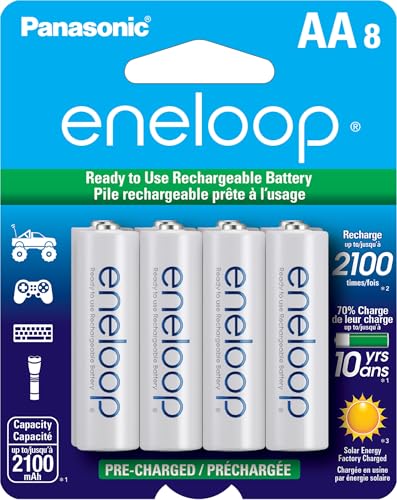
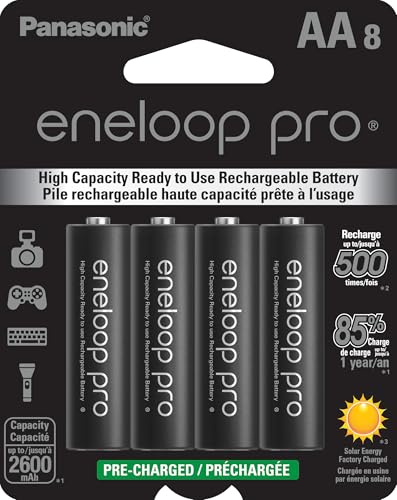
Rechargeable AA cells and camera specific packs cut your cost per season when you run several cameras and visit them often. Modern low self discharge cells hold a charge well between swaps, and our guide to the best rechargeable batteries for trail cameras explains the charging routine. Charge every set fully before a swap, and carry used sets home.
How to Make Your Battery Last Longer
Small changes at setup can add weeks of life without costing you useful photos.
- Send photos once or twice a day in a batch instead of instantly, because each connection uses a burst of power even when the photo itself is small.
- Shorten burst mode and video length, since long video clips and rapid photo runs are the hungriest jobs a cellular camera does.
- Raise the detection delay between triggers on busy sites, so one feeding deer does not create fifty uploads in a single visit.
- Place the camera where signal is stronger, because a camera straining to connect repeats its sending attempts and drains the set.
That is also why advice for the best non cellular trail cameras does not transfer directly, since those cameras never pay a transmission cost.
Common Mistakes to Avoid
- Buying alkaline cells for a remote winter camera, so the set fades in the first cold snap and the camera stops sending.
- Mixing old and new cells in one tray, so the weakest cell drags the whole set down and uploads fail early.
- Blaming the camera for missed photos when weak signal made it retry sending all night and empty the set.
- Ignoring the battery gauge until the camera goes silent, so you lose the busiest weeks of the season.
- Storing spare cells loose in a warm truck cab, so heat ages them before they ever reach the camera.
- Installing a fresh set without sending a test photo, so a seating or contact fault goes unnoticed until your next visit.
Care and Maintenance for Trail Camera Batteries
Store unused cells in their packaging, in a cool and dry place indoors, away from loose metal. Keep rechargeable sets on a simple rotation: label each set with tape, charge them as a group, and never split a group across two cameras, because matched sets age evenly. Wipe camera contacts with a dry cloth at every swap and look for buildup that signals a leaking cell. When a camera will sit unused for months, take the batteries out.
Frequently Asked Questions
How long should batteries last in a cellular trail camera?
Battery life in a cellular trail camera ranges from a few weeks to several months per set. The biggest variable is upload volume: a camera sending dozens of photos a day in weak signal can drain a set in under a month, while a quiet site with batch sending can stretch lithium cells across a season. Check the app gauge weekly at first to learn your own site pattern.
Are lithium AA batteries worth the cost for cellular trail cameras?
Yes, lithium AA batteries are worth the cost for most cellular trail cameras that sit far from home. Each set costs more, but fewer swaps mean fewer trips, and one trip to a distant lease can cost more in fuel and time than the price gap between chemistries. For a backyard camera you pass daily, alkaline or rechargeable cells can make more sense.
Can rechargeable batteries power a cellular trail camera reliably?
Yes, rechargeable batteries can power a cellular trail camera reliably when the camera maker allows them. Their slightly lower voltage can make some cameras show a low reading sooner, so test a charged set at home first. They work best where you already visit on a schedule, because a planned swap on every visit removes the risk of a set running dry between trips.
What should you do when a cellular trail camera drains batteries fast?
Start by checking signal strength in the app, because repeated failed sending attempts are the most common hidden drain. Next, look for a trigger problem, such as grass moving in front of the sensor, which can cause hundreds of empty photos. If drain stays high with good signal, try a fresh lithium set, since one failing cell can pull the whole tray down.
When should batteries in a cellular trail camera be replaced?
Replace the batteries in a cellular trail camera when the reported level falls to about one quarter, not when the camera stops. Waiting for a full shutdown risks losing the camera during the exact days you care about. Plan swaps around the season: fresh cells before the rut, before a cold snap, and before any long trip away.
Our Verdict
For most owners, steady voltage, the right chemistry for your climate, and sensible sending settings matter more than any package rating. Choose lithium for remote and cold sites, rechargeable sets for cameras you visit often, and alkaline only for short and mild runs. Pick the best batteries for cellular trail cameras for your own visit schedule, and compare your shortlist against the product table above.