Best Cameras for Deer Hunting: Buying by Budget in 2026
Disclosure: We may earn a commission when you buy through links on this page, at no extra cost to you. As an Amazon Associate I earn from qualifying purchases. Learn more

Compare cameras for deer hunting by budget: trail and cellular classes, trigger speed, flash types, placement, and the plan costs that follow the camera.
Deer hunting cameras sell from about $40 to past $400, and the gap confuses first buyers because every box promises sharp photos. The honest difference is speed, flash behavior, and how the camera sends pictures, and the best cameras for deer hunting at any budget are the ones matched to your property and your patience. This guide sorts the classes by money so you can see what each tier really buys.
The comparison table below lines the classes up side by side. Read the class and placement sections first, because where a camera sits and how fast it wakes matter more than the largest spec on the box.
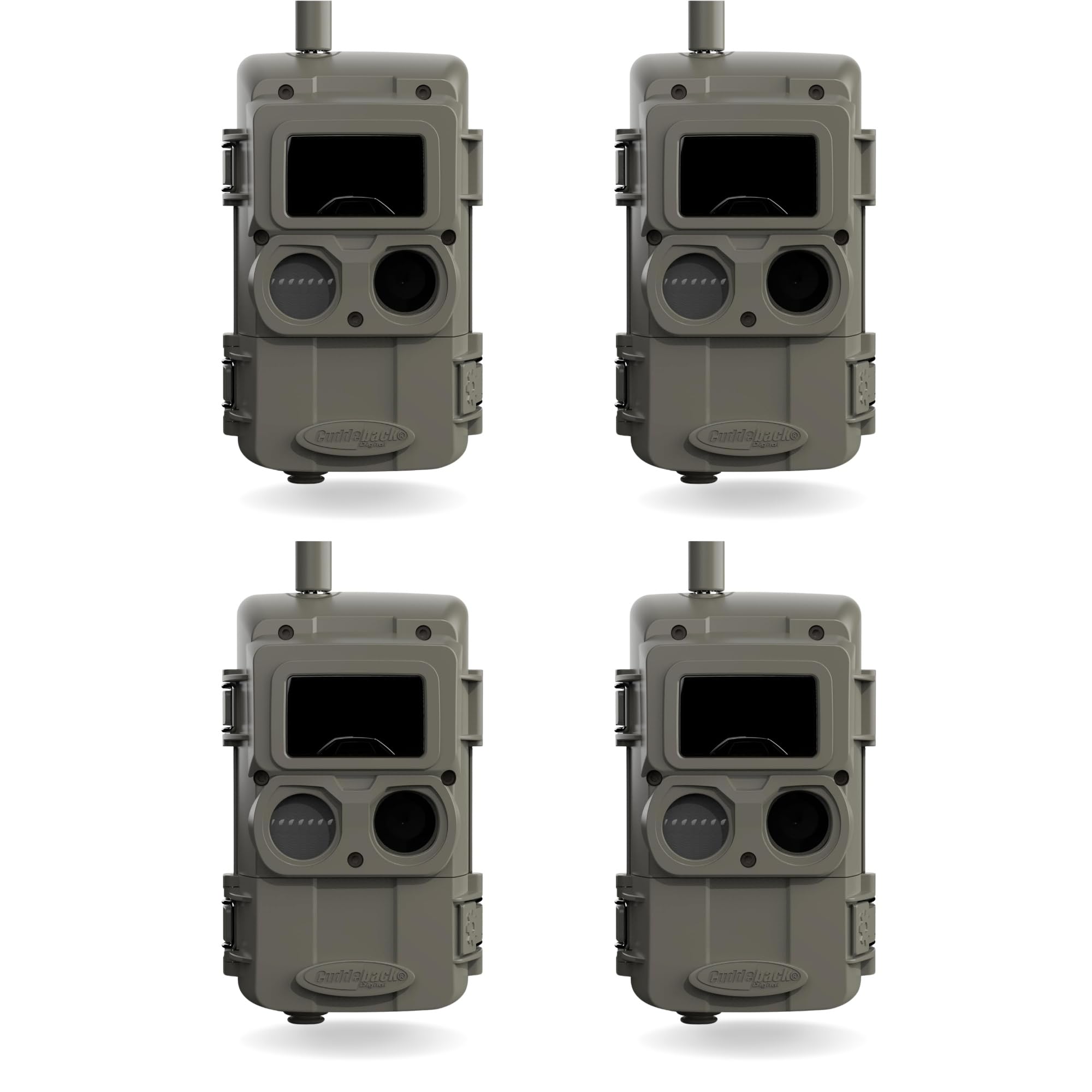

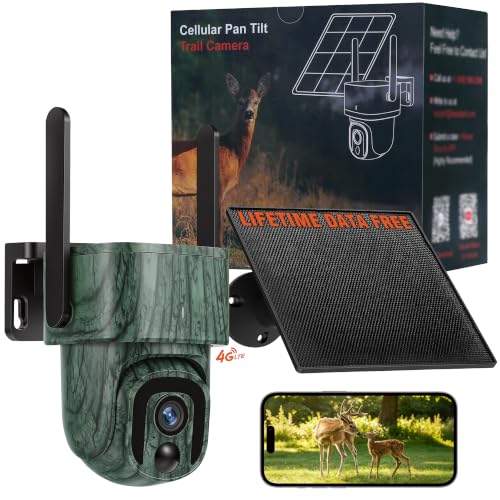
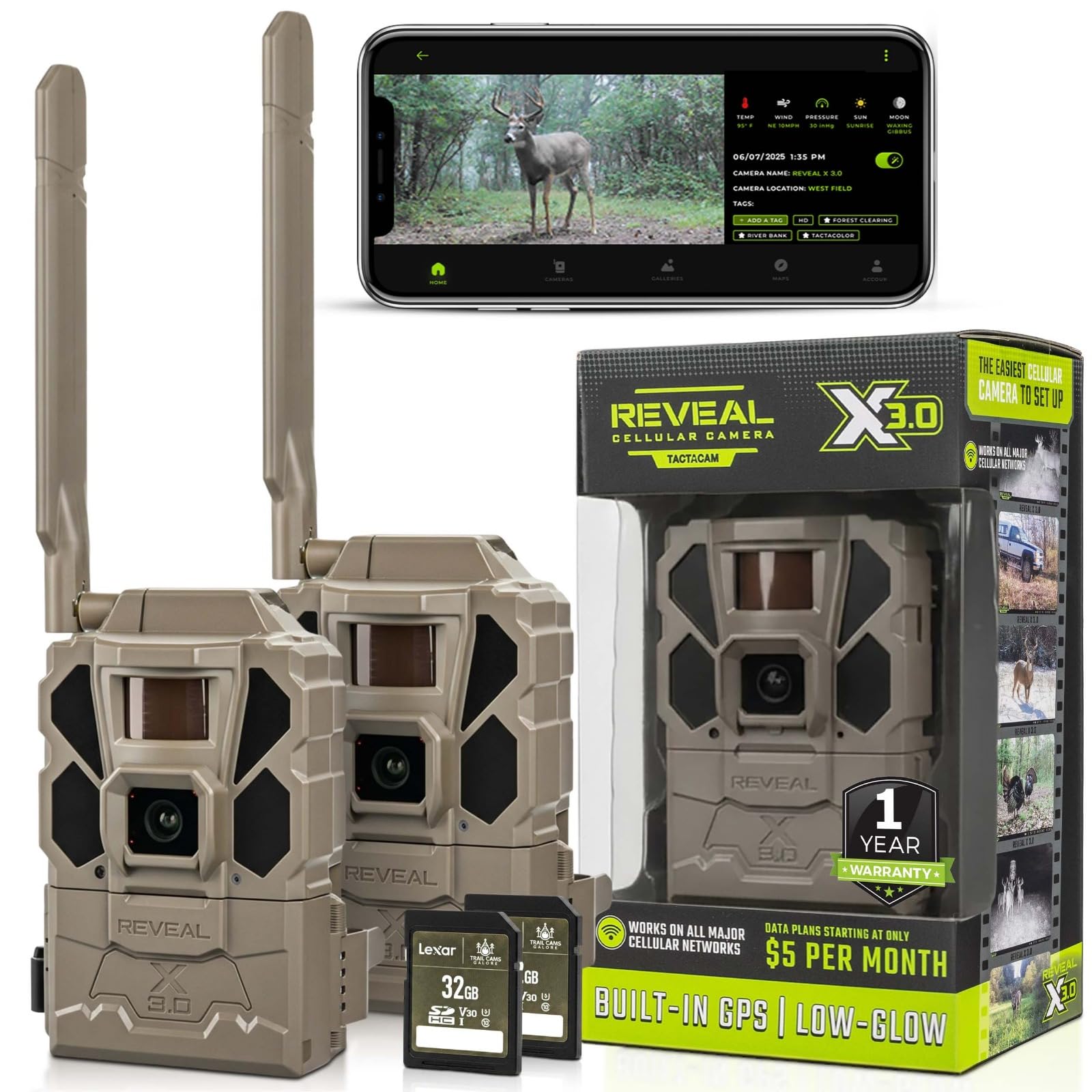

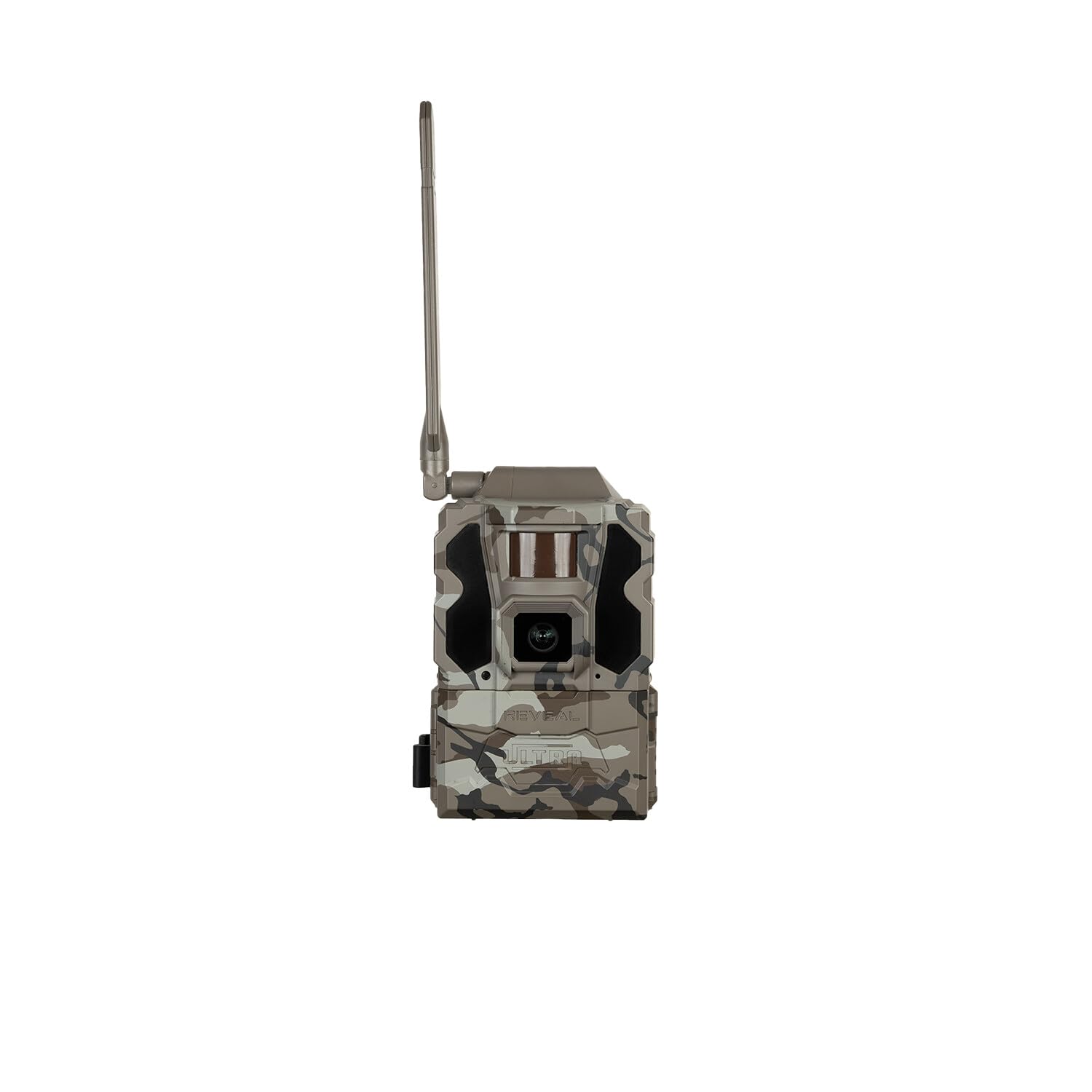
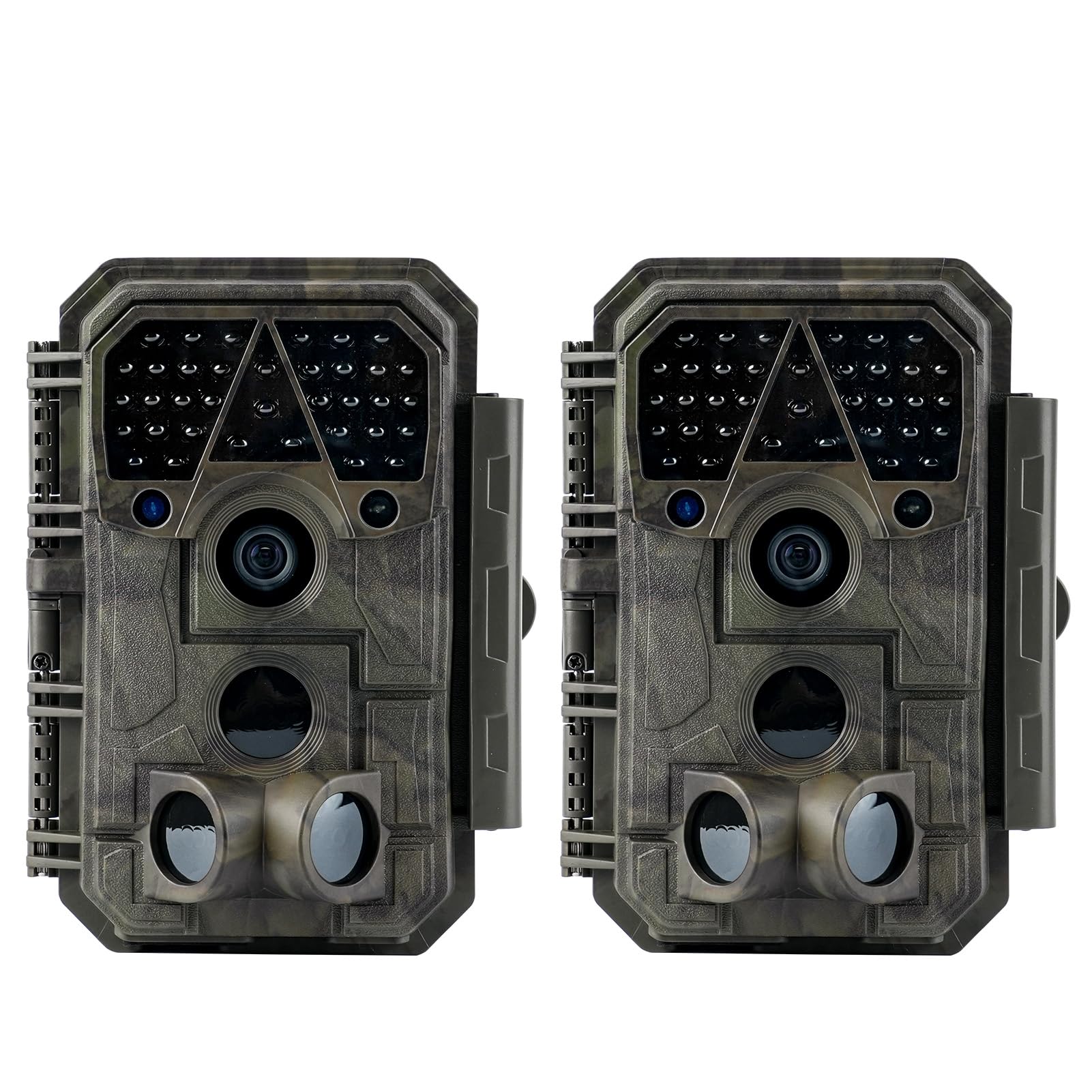
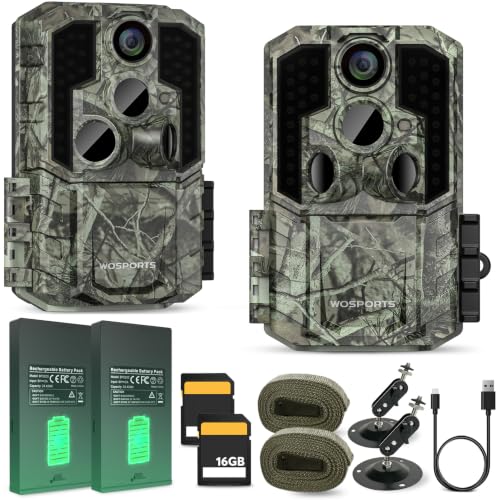

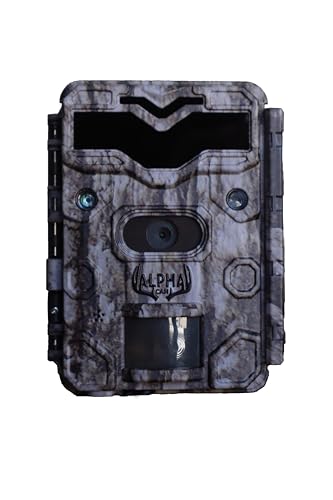
Three Camera Classes That Cover a Deer Property
Nearly every camera here is an unattended trail camera that watches a place while you are elsewhere. A different tool entirely is covered by our guide to best deer hunting video cameras, which deals with handheld cameras a hunter carries and aims in person.
Standard Trail Cameras: The Workhorse Class
A standard trail camera waits on a tree, senses heat and motion, and stores photos or short clips on a card you collect on your next visit. A deer camera is a trail class tool, and its trigger and recovery classes decide the photo classes you get: trigger speed is how fast it wakes for the first shot, and recovery is how soon it can shoot again. Maker figures for both are lab class figures, measured at close range in good conditions, so treat them as comparisons, not promises about your woods. Our deeper look at best trail cameras for deer hunting compares these speed classes across the price bands.
Cellular Trail Cameras: Photos Sent to Your Phone
A cellular trail camera does the same watching job and then sends thumbnails of each photo to your phone over the mobile network. That delivery changes how you hunt, because you pattern deer without visiting and scenting up the spot. The catch is ongoing cost: a cellular class carries a plan class with it, and the plan is a second purchase that runs about $5 to $15 per month per camera. The overview at best cellular deer cameras explains how plan tiers and photo counts line up.
Premium Trail Cameras: Faster Recovery and Wider Detection
The premium step buys speed and sensing, not prettier daylight photos. Recovery times shrink toward a second or less, detection zones widen, and night images hold detail farther from the camera. For a scrape line or a crossing where deer pause only briefly, that speed is the difference between a full frame and a tail leaving the shot. The same classes are grouped under best deer cameras, with the emphasis on deer specific features rather than the budget split used here.
Setting the Camera: Placement Decides Your Photos
Placement classes decide more than spec classes do. A mid priced camera hung well will outshoot a premium camera hung badly, because the sensor only reacts to deer crossing its zone at a readable distance. Height, angle, and clearing are the setup classes that decide the result. The wider category of best hunting cameras follows the same placement logic, since every unattended hunting camera lives or dies by where it is mounted.
Mount the camera about 3 to 4 feet off the ground, angled slightly down, with the detection zone crossing the trail or feeding area rather than pointing straight along it. Clear brush and tall grass from the zone, because sun warmed vegetation swaying in wind is the top cause of empty photos. Face the camera north where you can, so direct sun does not flare the lens at dawn and dusk.
What Your Money Gets You at Each Price Tier
Budget Tier: What to Expect
Budget cameras run about $40 to $80 and cover the basics honestly. Expect a slower trigger, a white or low glow flash that can startle deer at close range, and card only storage. Detection and photo quality are fine for a first season on a feeder or trail. This tier suits a hunter learning one property, where a missed photo costs little.
Midrange Tier: Where Most Hunters Land
The middle band runs about $80 to $180 and is where the useful jumps happen. Triggers get faster, no glow flash becomes common, and detection zones widen enough to cover a crossing properly. Battery life stretches toward a full season on one set. Most hunters should start here, because the jump from budget is large and the jump to premium is mostly speed and sending.
Premium Tier: Cellular Speed and Night Image Quality
Premium cameras run about $180 to $400 and combine the fastest recovery with the best night reach. Cellular sending is common here, as are larger sensors that keep detail readable at distance after dark. This tier pays off on pressured properties where every visit educates the deer, and for hunters running several cameras who need photos delivered rather than collected. If your property is small and close to home, the premium gains shrink fast.
Features Worth Paying For (and Ones to Skip)
Flash Classes: White, Low Glow, and No Glow
The flash class is worth real money because it decides whether deer notice the camera. White flash gives color night photos but fires a visible burst that can push wary deer away. Low glow lamps shine a faint red that most deer ignore at distance. No glow lamps are invisible to deer and people, which also helps against theft, and are the class to pay for near feeders and scrapes.
Video Clips: Worth It for Behavior, Skip the Big Numbers
Short clips show how a deer moves through a spot, which way it faces, and whether it is feeding or passing, things stills cannot tell you. The trade is battery and card space, because a season of long clips drains both. Pay for a camera that lets you set clip length and pair one photo with each clip. Skip headline video resolutions, since a trail camera clip is read for behavior, not watched on a television.
Sensor and Image Quality Over Megapixel Counts
Megapixel numbers on trail cameras are often stretched by software, so a huge count does not mean a sharper deer. The sensor and lens decide how much real detail lands in the file, and night images show the gap most clearly. Judge sample photos at the distance you will actually mount at, and weigh burst mode and recovery ahead of resolution. A camera that fires three quick frames of a moving deer teaches you more than one soft high count frame.
Ease of Use in the Field
You will set this camera standing in the woods, so the setup experience matters. A small built in screen for aiming and checking the card saves a second trip. Menus should let you change delay, burst, and sensitivity without a manual. A steady strap mount and a latch you can work with gloves on are worth more than a long feature list.
Long Term Costs to Factor In
The camera price is only the first payment. Most trail cameras eat a full set of batteries each season, and heavy video use shortens that to months, while memory cards fill and eventually need replacing. A lock box or cable is a sensible extra anywhere other people walk. Cellular models add about $5 to $15 per month per camera for as long as the camera is active, so add running costs up over three seasons before calling a cheaper camera the cheaper purchase.
Cameras: Your Questions Answered
What features matter most in cameras for deer hunting?
Trigger speed, flash class, and detection fit matter most, ahead of resolution. The point first buyers miss is matching detection range to the opening watched: a long range sensor on a small clearing fires on deer outside the frame, while a wide view on a big field edge leaves deer too small to judge. Choose the camera whose detection zone matches your spot, then worry about photo quality.
How much should I spend on my first deer hunting camera?
Most first buyers land well in the middle band, about $80 to $180 for one camera. That money buys a fast enough trigger and a no glow flash, the two features that decide your first season. One useful rethink before spending more: two midrange cameras watching two travel routes usually teach you more about a property than one premium camera watching a single crossing. Spend the savings on batteries, cards, and a second mount instead.
Do cellular deer cameras work where phone coverage is weak?
A cellular camera needs its own signal at the tree, and that signal is often weaker than the one in the nearest field or road. Check your phone standing where the camera will hang, because one bar in the open can mean none under canopy. Many cellular cameras keep storing photos when signal drops, then send the backlog when coverage returns. If your best spots show no signal at all, a standard card camera is the honest choice.
How many cameras does a small hunting property need?
Two to four cameras cover most small properties well. Start with one on each main travel route or funnel rather than spreading cameras evenly across a map. Deer use the same edges and pinch points for weeks at a time, so a camera on a route keeps producing while a camera on a random ridge line goes quiet. Add one only when the first cameras show a pattern worth watching closer, such as a scrape turning active.
Is a smartphone enough instead of a deer hunting camera?
No, a smartphone cannot do the unattended part of this job at all. A phone left on a tree runs flat within a day or two, is not weather sealed for weeks outside, and cannot wake itself to fire in the dark. Your phone still earns its place as the screen you review photos on and, with a cellular camera, the place those photos arrive. The watching itself belongs to a dedicated trail camera.
Final Thoughts
Buy in this order: pick the class that fits how often you can visit, place it at the right height and angle, and only then compare speeds and sensors inside your tier. Remember that a cellular camera keeps costing money after the box is open, while a standard camera asks only for batteries and cards. Chosen that way, the best cameras for deer hunting for your woods are rarely the most expensive ones, and the product table above shows how the tiers compare before you commit.