
Best Cellular Deer Cameras of 2026: Complete Buying Guide
Disclosure: We may earn a commission when you buy through links on this page, at no extra cost to you. As an Amazon Associate I earn from qualifying purchases. Learn more

Compare the best cellular deer cameras by signal at your stand, plan cost, flash type and battery life, and scout scrapes without weekly card pulls.
A cellular deer camera sends photos to your phone instead of storing them on a card you have to pull by hand. That sounds simple, yet the wrong choice leaves you with a camera that cannot reach a network from your best stand, a plan that runs dry during the rut, or night photos so dim you cannot judge a rack. This guide walks through the best cellular deer cameras by the factors that decide success in deer woods: signal, plan cost, flash, detection and power.
Every camera in the comparison table below belongs to the same basic family, but the details separate a useful scouting tool from an expensive weather station. Read the sections in order and you will know which specs deserve your money and which ones are mostly brochure decoration.

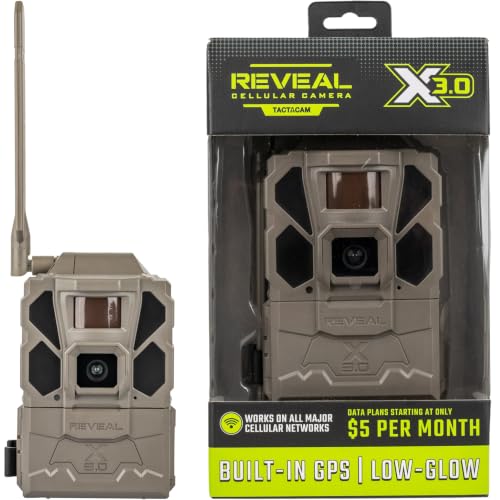

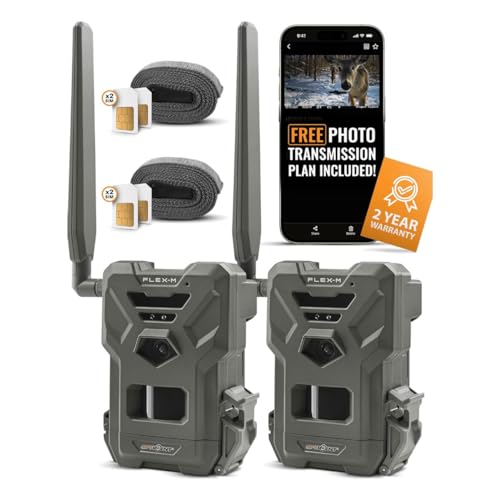
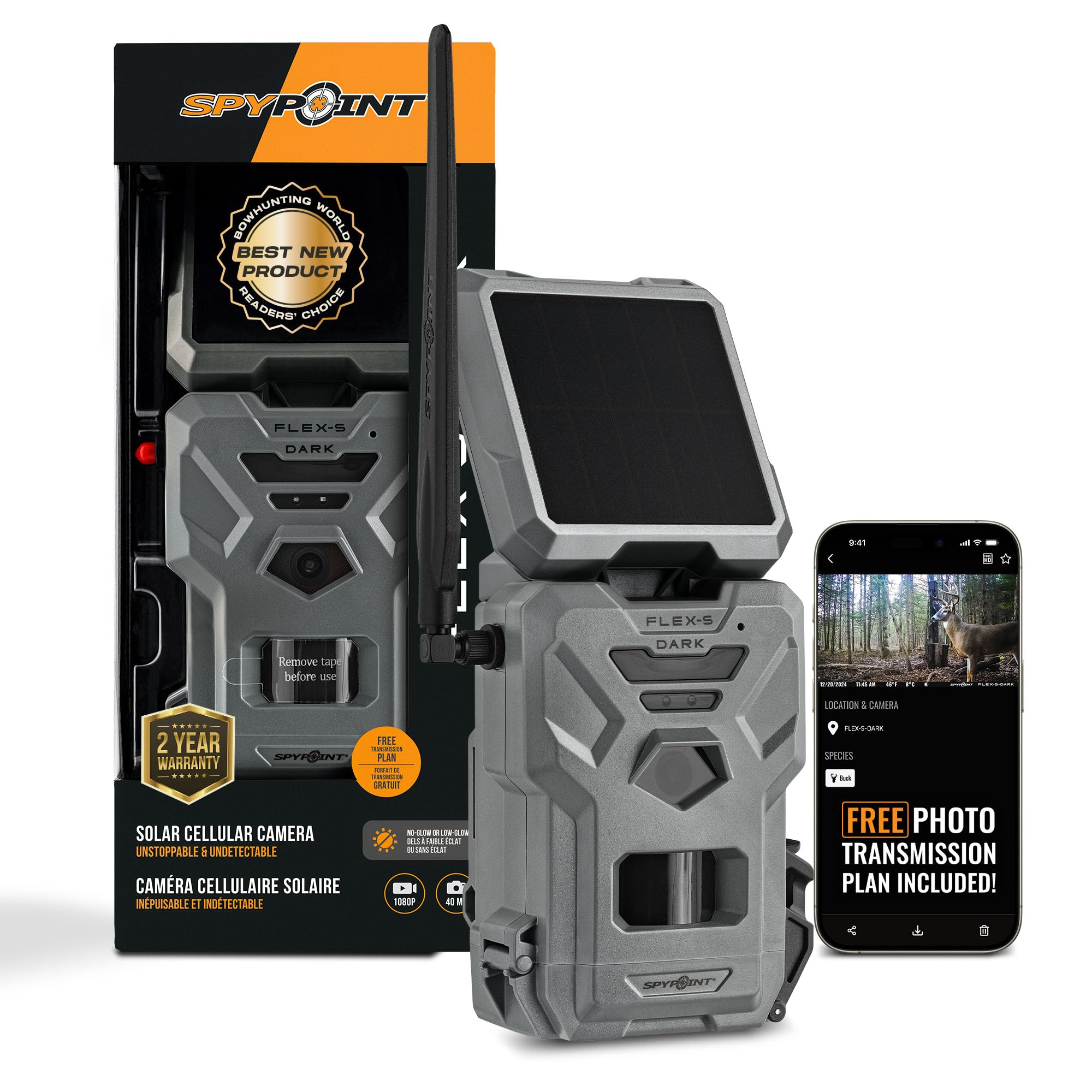

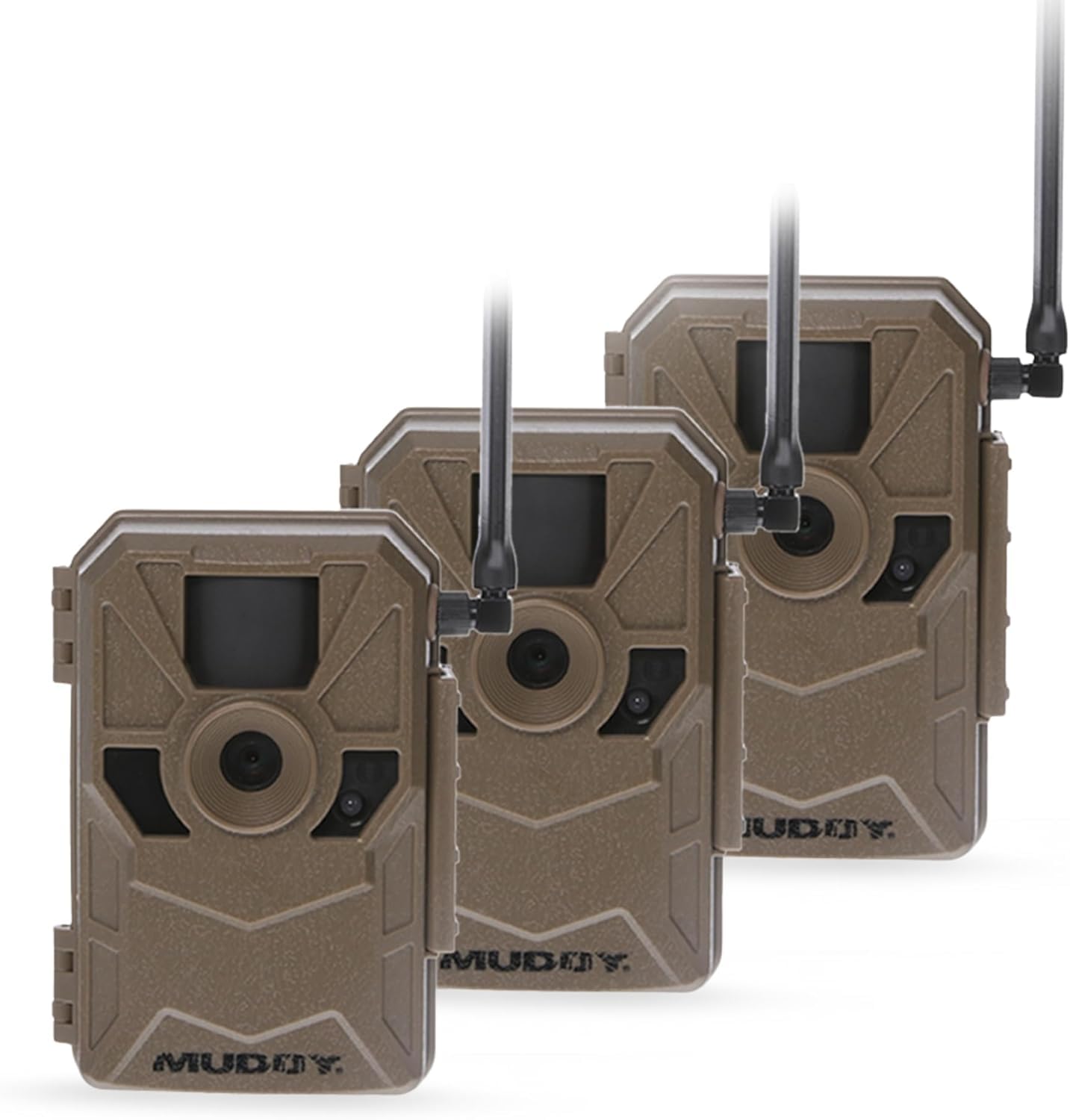


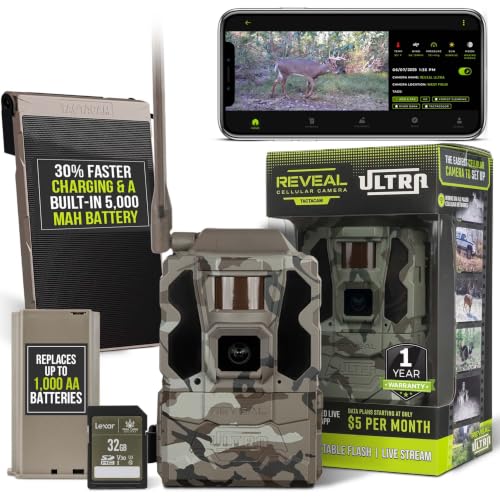
What Your Money Buys: Three Price Classes
Price classes in this category describe what the hardware includes, not a ranking of brands. Each step up buys specific things, and the data plan costs the same conversation at every level because the plan is a separate monthly bill.
Entry Class: About $80 to $130
Cameras in this band cover one cellular network, send thumbnail photos to an app, and run on a tray of AA batteries. Detection range and flash range sit at the modest end of maker claims, and most models skip an onboard viewing screen. For a first camera on a feeder or a field edge close to home, this class does the core job: it tells you deer are moving through, and roughly when. What you give up is flexibility, because a single network camera on the wrong carrier for your woods is a camera that never connects.
Mid Class: About $130 to $220
The middle band adds the features most deer hunters actually feel. Dual network models that pick the stronger carrier appear here, along with faster recovery between photos, better low glow flash output and support for external power such as a solar panel or battery box. Photo plans on these cameras usually offer larger monthly allowances and cheaper high resolution requests. If you run two or three cameras across one property, this is the class where the system starts to feel planned rather than improvised.
Premium Class: About $220 to $350
Premium money buys refinement rather than magic. Expect the strongest radios, the widest detection zones, no glow flash with usable range, and apps with better sorting tools such as species tags and activity charts. Build quality and seal design also improve, which matters on a tree that takes wind driven rain all season. What premium money never buys is a signal where none exists, and it never removes the monthly plan, so judge this class by coverage and flash first and by extras last.
How to Choose a Cellular Deer Camera: A Complete Buying Guide
Six decisions shape every purchase, and they matter in this order: signal, plan, flash, detection, power and media format. Work through them and the best cellular deer cameras for your ground narrow down quickly, because most spec sheet bragging sits outside these six points. The product table above lists candidates across all three price classes once you know which of these factors you cannot compromise.
Signal Strength at the Exact Tree
Coverage at the camera site decides everything, and it is the one factor you can test before spending money. A phone showing three bars at the truck tells you nothing about the hollow where your stand sits, because ridges, wet leaves and distance quietly eat signal. Walk to the exact tree or post, hold your phone at camera height, and check the bars for the carrier you plan to use. One steady bar is usually enough for thumbnail photos, while zero bars means no plan and no camera will fix it. This is also where the wider family of best cellular cameras shares the same rule: the radio only works where the network reaches.
Data Plans and the Real Cost of a Season
The camera price is only the entry fee, because every cellular camera needs a data plan, and plans commonly run about $5 to $15 per camera per month. Plans sell photo allowances, and deer season does not spread photos evenly. A camera on a scrape or feeder can fire several hundred times in a windy week as branches and raccoons add false triggers to the deer you want. Size the plan for the busiest month, not the average one, and remember that requesting full resolution copies of photos usually costs extra credits or a higher tier. Three cameras on mid tier plans can cost more across a season than the cameras did, so plan math belongs in the purchase decision.
No Glow vs Low Glow Flash for Pressured Deer
Night photos come from infrared flash, and the two classes behave differently around wary bucks. Low glow emitters show a faint red dot when they fire, reach farther, and cost less. No glow emitters stay invisible to human eyes and spook fewer deer, but their range is shorter and their photos dimmer, because that is the honest physics of invisible light. On public land or for a mature buck you have patterned, no glow is usually worth its shorter reach. On a feeder where deer already tolerate farm activity, low glow range often matters more. Every flash figure on a box is a maker figure under ideal conditions, so treat the printed range as a ceiling, not a promise.
Detection Zone, Trigger Speed and Recovery
A deer camera earns its keep in the half second when a buck crosses the frame. Detection range claims of about 60 to 100 feet describe ideal conditions: a warm animal moving across the zone on a cool morning. Summer heat shrinks the gap between body temperature and background, and detection shrinks with it. Trigger speed matters most on trails, where a slow camera photographs tails and empty woods. Recovery time, the pause before the next photo, matters on scrapes and feeders, where the second and third frames often show the animal you actually wanted. Wide detection angles catch more movement but also more wind blown brush, so match the zone to the spot rather than chasing the biggest number.
Battery Life, Solar and Cold Weather
Cellular radios are hungry, and sending photos is the most expensive thing these cameras do. Thumbnails travel fast and cheaply, but full resolution photos and especially video clips drain batteries several times faster, because the radio stays on longer for every file. Most cameras run on eight to twelve AA batteries, and lithium cells handle cold mornings far better than alkaline ones. A solar panel or an external battery box turns a monthly battery swap into a rare chore, which also means fewer visits and less scent at the site. Battery life claims on packaging assume few photos, strong signal and mild weather, so a weak signal camera that keeps retrying the network can die in weeks.
Photo or Video for Reading Deer Behavior
Photos answer the scouting questions most hunters ask: which deer, which direction, what time. Video answers a richer question, because a ten second clip shows whether a buck was cruising, feeding calmly or chasing, and that behavior reading helps you time a sit. The cost is real: video files are far larger, so they eat plan allowance and battery life at several times the photo rate. A practical pattern is photos all season on travel routes, then short video clips on one or two scrape cameras during the weeks before the rut.
Placement That Changes With the Season
One perfect tree is a myth, because deer reorganize their lives across the season and your cameras should move with them. In early season, food sources rule: oak flats dropping acorns, field edges and water in dry weeks. Cameras there confirm which bachelor groups survived the summer and when they feed. As the rut approaches, travel routes and scrapes take over, and cameras belong on funnels between bedding cover and food, where bucks move in daylight for a few short weeks.
Late season flips the map again toward bedding edges and the warmest food, often south facing slopes and standing crops. A workable plan accepts two or three moves per camera each season, timed with the same trips you make to swap batteries, so the camera plan and the power plan stay one chore. Each move is also a chance to refresh scent discipline: gloves on, wind in your face, and no lingering at the tree.
Types of Cellular Deer Cameras
The wider cellular family splits into a few hardware types, and it overlaps with gear built for other jobs. Hunters watching turkeys, hogs or predators alongside deer often compare against best cellular game cameras, while landowners sometimes point the same technology at gates and cabins, a job described in the guide to best cellular security cameras. For deer, though, three types cover the market.
Single Network Cameras
These connect to one carrier only. They are the cheapest way in and work perfectly where that carrier is strong, which describes many farms near a highway or town. Their weakness is total: where the chosen network fades, the camera becomes a card camera with a radio it cannot use. Buy this type only after the signal test at your exact trees, and only when the result is comfortably strong rather than borderline.
Dual Network Cameras
Dual network models carry service from two carriers and pick the stronger signal at setup, sometimes switching as conditions change. That flexibility costs more up front and occasionally a slightly higher plan fee, but it solves the most common failure in this category. For leased ground you scout from hours away, or for hills where one carrier owns one ridge and the rival owns the next, this is the sensible default type.
Card Cameras With a Cellular Step Up Path
Plenty of hunters still run traditional cameras and pull cards on foot, and the guide to best deer cameras covers that class in full. The honest comparison is visits: card cameras are cheaper and silent on the phone bill, but every check spreads scent and pressure. A common middle path runs card cameras on spots you walk anyway, and cellular cameras on the sensitive bedding edge spots you want to leave alone until the day you hunt them.
Care and Maintenance Tips
- Wipe the lens and the sensor window with a soft cloth at every visit, because a film of dust and pollen softens night photos long before the camera complains.
- Format the memory card in the camera after each download cycle, since cards that have been written and erased for months start throwing errors at the worst times.
- Update the firmware when the maker releases it through the app, as radio and detection fixes often arrive quietly between seasons.
- Check the strap, mount and lock box hardware each visit, and replace a frayed strap before weather does it for you.
- Bring cameras home in the off season, clean the battery contacts, and store them dry with the batteries removed so a leaking cell cannot ruin a contact tray.
- Refresh desiccant packs inside the housing in humid regions, because internal fog on the lens is moisture that got in during a battery change on a damp day.
Cellular Deer Cameras: Your Questions Answered
Do cellular deer cameras scare deer away?
Most deer ignore the camera itself, and the flash choice plus your scent matter far more than the box on the tree. Low glow flash shows a faint red light that some pressured bucks notice, while no glow flash removes that cue entirely. The bigger disturbance is the human visit, so the remote photo delivery that lets you skip weekly trips is itself a stealth feature.
How many photos should a deer scouting plan include?
Plan for the busiest weeks rather than the average, because a scrape or feeder camera in the rut can send a few hundred photos in days. A mid allowance of around 1,000 photos a month per camera covers most single property setups, while trail cameras on quiet funnels use a fraction of that. Windy sites with moving brush burn allowance on empty frames, so raising the camera and clearing a few branches saves real money.
Can a cellular deer camera work in a valley with weak signal?
It can work on one steady bar, but it will send slowly and burn batteries retrying the network, so weak signal sites need the power budget doubled. Dual network models help when a second carrier reaches the valley better. Raising the camera a few extra feet sometimes gains a bar, and an external antenna, where the model supports one, helps more. If every carrier shows nothing at the tree, a card camera is the honest answer for that spot.
Is a lock box really necessary for a deer camera?
On any land other people can reach, yes, because theft is a normal budget line in this category rather than bad luck. A steel lock box lag bolted to the tree plus a cable lock turns a grab and go theft into a project most thieves skip. The box also guards against bears and curious cattle. On private posted land the risk drops, but the box still earns its cost the first time a camera survives a season it would otherwise have lost.
Should I run video mode on my scrape cameras?
Short clips earn their cost on scrapes, where behavior tells you more than a still frame can: a buck working a licking branch reads differently from one just passing. Keep clips short, around ten seconds, because video drains batteries and plan data several times faster than photos. Many hunters run photos on every camera and video on one favorite scrape, then switch back after the rut when movement slows and battery discipline matters again.
The Bottom Line
Buy signal first, plan second and hardware third. Test the carrier at the exact tree, size the data plan for the rut rather than the summer, choose no glow flash where deer are pressured and low glow where range matters, and treat every range and battery figure as a maker best case. Do that and the best cellular deer cameras for your ground are simply the ones in the product table above whose coverage and flash match your woods. Set them with gloves on, let the photos come to you, and save your visits for the days you actually hunt.


