Best Choice Elliptical Made Simple: A Clear Buying Guide for 2026
Disclosure: We may earn a commission when you buy through links on this page, at no extra cost to you. As an Amazon Associate I earn from qualifying purchases. Learn more

Shopping for the best choice elliptical for the first time? Learn the terms, compare options, and avoid rookie mistakes with this easy guide.
Your first elliptical purchase comes with a wall of unfamiliar terms: stride length, flywheel weight, resistance levels, and ceiling height math you never expected to do. This plain English guide slows all of that down, explains each spec with the level you should actually choose, and helps you find the best choice elliptical for your room, your body, and your budget. No fitness background is assumed, and no spec will be left unexplained.
By the end you will know how to measure your space, how stride relates to your height, and which console extras are worth paying for. Keep a tape measure nearby, and use the product table below once the basics feel clear.






Ellipticals 101: The Basics
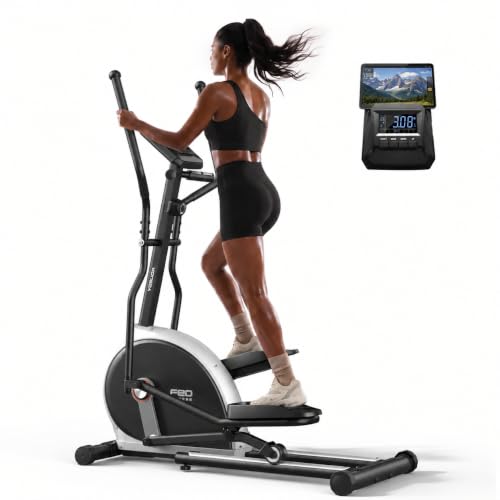
An elliptical is a cardio machine that guides your feet through a smooth oval path while your legs and, on many models, your arms share the work. Because your feet never leave the pedals, the motion is low impact compared with running, which is why many people with sore knees or a doctor advised exercise plan start here. You stand upright, hold the handles, and pedal forward or in reverse while the machine provides resistance you can raise or lower.
Resistance usually comes from a magnetic system acting on a flywheel, so there are no brake pads to wear out and the motion stays quiet. A heavier flywheel generally pedals more smoothly, while resistance levels, often 8 to 24 steps, decide how hard each stride feels. Moving handlebars add upper body work, fixed handles help balance, and a console tracks time, distance, and effort. If you have a heart condition, joint replacements, or any new exercise restriction, talk with your clinician before your first workout and follow their limits.
Key Specs Explained in Plain English
Space, Footprint, and Ceiling Height
Measure the room before anything else, because an elliptical needs more than its floor footprint. Most home models occupy roughly 6 feet of length and 2.5 feet of width, and you want about 2 feet of clear space behind the machine for safe mounting. Ceiling height is the trap: add your height, the pedal height at its top point, and a few inches of bounce room, often a total near 15 inches above your height. Low basement ceilings rule out some models, so check this number first. Foldable and compact designs shorten the footprint when stored, though they may feel less planted during hard efforts.
Console, Programs, and App Connectivity
The console is your dashboard, and a clear one you can read mid workout beats a flashy one you cannot. Built in programs vary incline or resistance on a schedule, which helps beginners follow a plan instead of guessing. Bluetooth links the machine to fitness apps and heart rate straps, and some models offer screens with subscription classes. Subscriptions add a monthly cost after any trial, so decide whether you will truly use coached content. If not, a simple console with manual control and a tablet shelf gives the same workout for less money.
Stride Length, Range of Motion, and Ergonomics
Stride length is the front to back size of the oval your feet travel, and it should suit your height. As a guide, shorter users often feel natural around 16 to 18 inches, average heights around 18 to 20 inches, and taller users at 20 inches or more. A stride that is too short feels choppy and rushed, while one that is too long forces an awkward reach. Pedal spacing also matters: narrow spacing keeps hips and knees aligned, and cushioned, oversized pedals let you shift foot position on long sessions.
Noise Level for Apartments
Magnetic resistance is quiet by design, so most elliptical noise comes from loose joints, a rocking frame, or vibration passed into the floor. A solid mat under the machine absorbs much of that and protects the floor at the same time. If you share walls or floors, test your likely workout hours against household routines and choose a model with a reputation for a tight, rattle free frame. Tighten assembly bolts fully at setup and recheck them after the first weeks, because small looseness is the most common source of squeaks.
Build Quality and Weight Capacity
A steel frame, a sensible flywheel weight, and a user weight capacity comfortably above your body weight are the marks of a machine that will feel stable for years. Capacity figures on home models often run from about 250 to 350 lb, and staying well under the limit reduces flex and joint wear. Check the warranty split too, since frame, parts, and labor coverage differ and reveal how much confidence the maker has. Wobble during a test stride, thin pedal arms, or vague capacity numbers are all reasons to look at the next model up.
Rookie Mistakes to Avoid
- Skipping the ceiling check. Your head rises well above pedal height at the top of the stride, so measure the room, not just the floor.
- Choosing stride by price alone. A bargain machine with a stride that fights your natural gait will sit unused, so match stride to height first.
- Ignoring the subscription cost. A connected screen can add a monthly fee for years, so price the full ownership, not just the machine.
- Placing it on bare hard floors. Vibration and noise travel fast without a mat, and floors can scuff under a heavy frame.
- Starting at high resistance. New users who start hard get sore and quit, so begin with short, easy sessions and build gradually.
Getting Started: Setup and First Use
Assemble the machine on the spot where it will live, because a built elliptical is heavy and awkward to move through doorways. Follow the manual order, keep bolts finger tight until each stage aligns, then tighten fully, and keep the small parts tray away from curious kids and pets. Place a mat under the frame to protect floors and reduce noise, level the machine using its adjustable feet, and confirm it does not rock before your first ride.
For your first week, ride for 10 to 15 minutes at a resistance where you can still speak in short sentences, and stop if you feel sharp pain, dizziness, or chest discomfort, seeking medical advice if symptoms persist. Wipe down the handles, console, and pedals after each workout, since sweat corrodes finishes and makes grips slippery. Readers comparing wider options can see our guide to the best rated elliptical models, and those who like a seated pedaling mix can read about the best choice products elliptical bike format as well.
FAQs
Is an elliptical quiet enough for an apartment?
Yes, most magnetic models are quiet enough for apartment use, especially on a mat that absorbs vibration before it reaches the floor. The sounds neighbors notice usually come from a rocking frame or loose bolts rather than the drive system itself. Assemble carefully, level the feet, and recheck fasteners after the first few weeks. Choosing workout times that respect thin floors also keeps goodwill intact in any shared building.
How much space do I need for an elliptical?
Plan on a floor area of about 6 by 2.5 feet for the machine, plus roughly 2 feet of free space behind it for stepping on and off safely. Then check ceiling height by adding about 15 inches to your height, since pedals lift you well off the floor. Compact and foldable models shrink the stored footprint, which helps in multipurpose rooms, but the ceiling rule still applies whenever you ride.
Which elliptical style is better for beginners?
Beginners do best on a stable mid range model with a stride matched to their height, simple manual controls, and moving handles they can ignore until balance feels easy. Many people scan best choice elliptical reviews for ownership notes, and that habit helps if you focus on comments about assembly, noise, and stride comfort rather than star counts. Start with short sessions, learn the console basics, and add programs once the motion feels natural.
Is a subscription required to use a connected elliptical?
Usually no, because most connected ellipticals still offer manual mode and built in programs without any paid plan. The subscription unlocks coached classes, scenic routes, and deeper tracking on the built in screen. Before you pay extra for a connected model, confirm which features stay free, what the plan costs after any trial, and whether your own tablet on a shelf would give you the same content for less.
How long does an elliptical usually last?
A well built home elliptical often lasts many years of regular use, with wear items like pedal pads and handle grips aging first. Longevity improves when you keep the machine indoors, wipe sweat off after sessions, tighten bolts seasonally, and stay within the weight capacity. Frame and parts warranties give a useful clue to expected life, so compare their lengths as you narrow your shortlist using the product table above and our guide to best elliptical equipment.
Our Verdict
Measure your ceiling and floor first, match stride length to your height second, and only then compare consoles and subscriptions. A stable frame with capacity to spare will outlast any screen feature, and a simple model you ride daily beats a loaded one that intimidates you. Older adults in the family may also benefit from our guide to the best elliptical for seniors for lower step up designs. Compare your finalists in the product table above, and your best choice elliptical will be the machine that fits your room, your body, and your routine.