
Best Cellular Game Cameras for 2026: Which One Fits the Way You Use It?
Disclosure: We may earn a commission when you buy through links on this page, at no extra cost to you. As an Amazon Associate I earn from qualifying purchases. Learn more

Match the best cellular game cameras to your land and routine, from lease scouting to feeder watching, with honest notes on plans, coverage and flash.
There is no single camera that suits every property, because a lease you visit monthly, a feeder behind the barn and a mixed hardwood ridge ask for different things. The best cellular game cameras are the ones matched to your actual routine: how often you can visit, how strong the signal is where the camera hangs, and how many photos your budget can carry. This guide starts with those routines, then covers the features that support them.
Skim the routines first and find the one that sounds like your land. After that, the feature sections and the comparison table below will read like a short list instead of a catalog, because half the models will have already ruled themselves out.
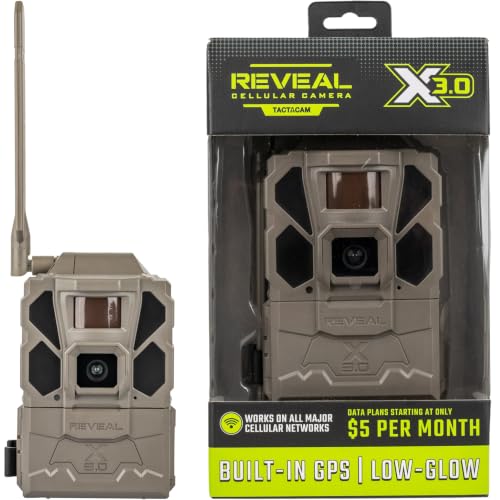
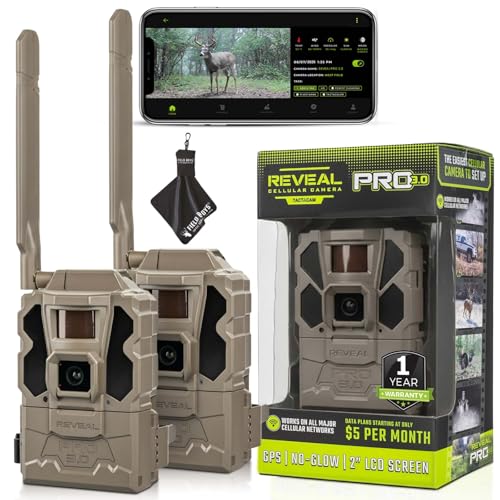


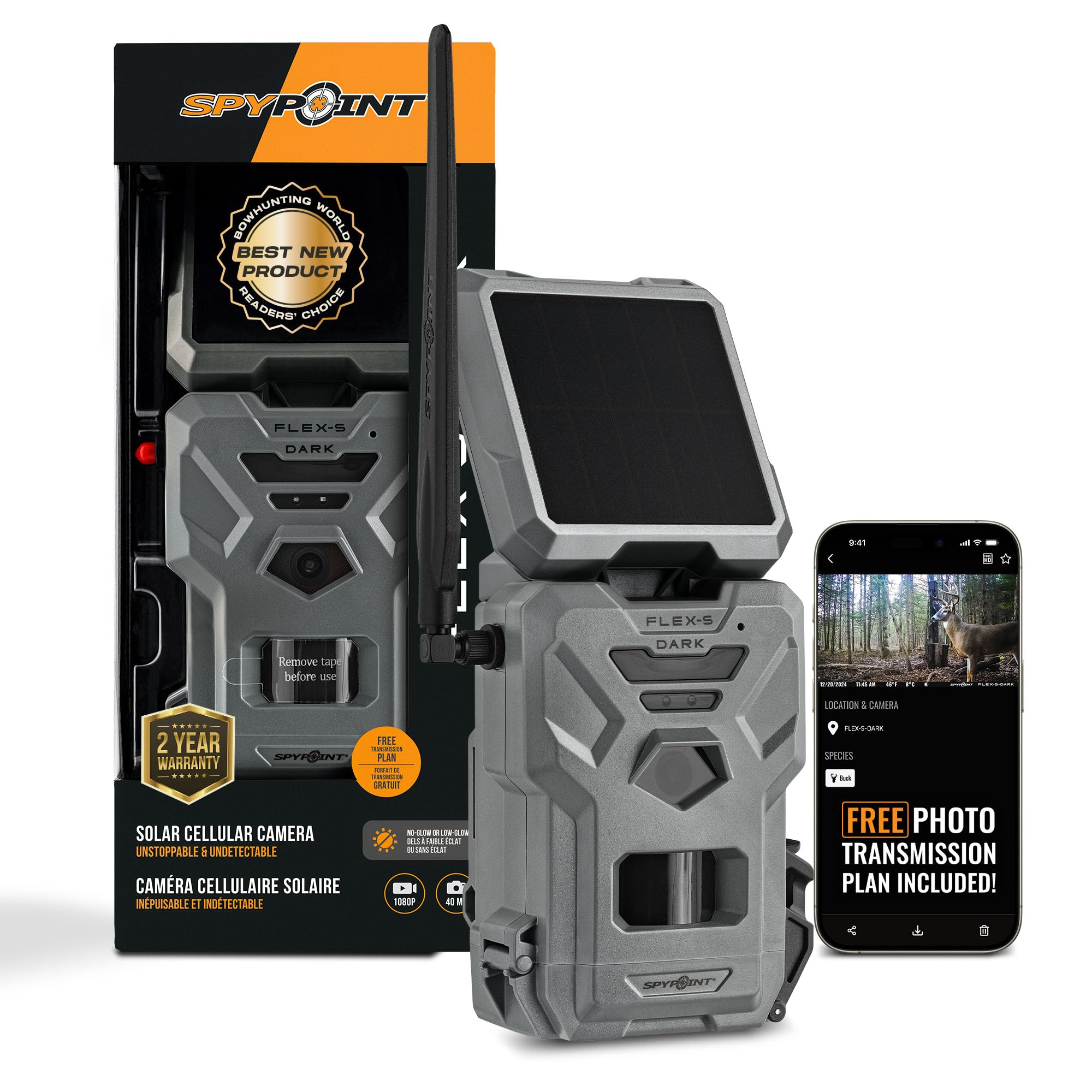
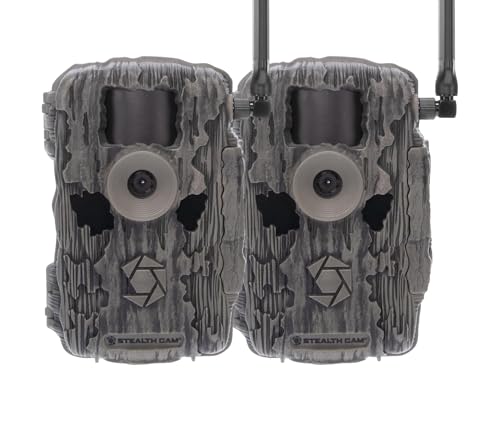

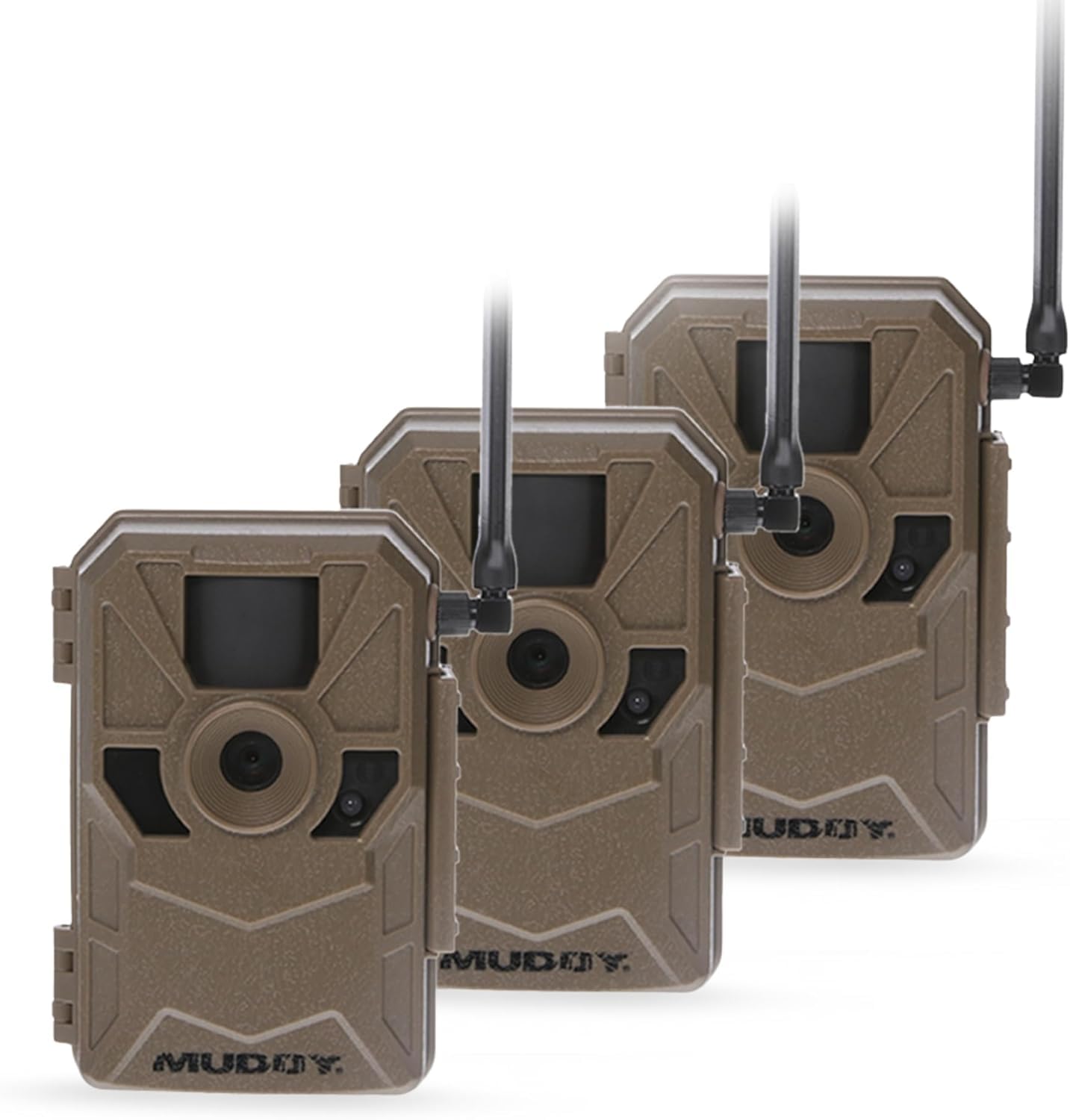

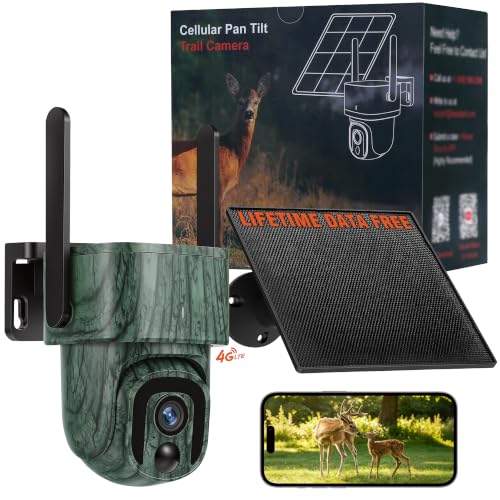
Start With Your Routine: Who Should Buy Which
Cellular game cameras divide less by brand than by the job you hand them. Three routines cover most buyers, and each one pushes a different feature to the top of the list.
For Lease Land You Check Once a Month
Distance is your defining problem. A camera on leased ground hours away must run for weeks without a visit, so battery capacity and power options outrank everything else, and a solar panel or external battery box belongs in the budget from day one. Choose a model whose plan lets you change photo allowances month to month, because a quiet summer and a frantic November do not cost the same. Signal flexibility matters too, since you cannot easily move a camera that chose the wrong carrier, so dual network models earn their premium here. If your lease is whitetail focused, the dedicated guide to best cellular deer cameras goes deeper on scrape placement and seasonal moves.
For Home Acreage and Feeders
When the camera hangs a short walk from the house, the priorities flip. Battery swaps are easy, signal is usually known, and the camera often watches a feeder where the same animals return daily. Here a modest camera on a small plan does the job, and money saved on hardware can go toward a second unit watching the trail that leads to the feeder. Feeder sites produce heavy photo counts, so look for settings that space out triggers, such as a delay between photos, to keep one busy raccoon from emptying your monthly allowance in a weekend.
For Mixed Game and Property Watching
Some buyers want deer in the fall, turkey flocks in the spring, hogs whenever they appear, and a quiet eye on a gate or equipment shed between seasons. That mixed routine favors versatile cameras with wide detection zones and honest night range over specialized deer tools. One warning belongs here: a game camera is a poor security camera. Notifications arrive as photo batches rather than a live alert, most models offer no live view, and a thief can be gone before the first thumbnail lands. Use one for awareness of what crossed your land, not as a guard for anything valuable.
Key Features to Compare
With your routine in mind, five features decide whether a camera fits it. The wider category of best game cameras with cellular service shares all five, and the differences between models are mostly about how each one trades them off.
Coverage Where the Camera Actually Sits
A cellular camera reports only where a network reaches, so coverage is a feature of your land as much as of the camera. Test the signal with your phone at the mounting height on the exact post or tree, in the season you will hunt, since leaves and wet weather weaken a borderline signal. One reliable bar sends thumbnails fine. On the edge of coverage, dual network cameras that can pick between carriers are the safer purchase, and the related family of best cellular cameras follows the same logic everywhere from farms to remote cabins.
Plans, Photo Allowances and the True Monthly Bill
The plan is the real long term cost, and the camera price is just the entry fee. Plans commonly run about $5 to $15 per camera per month, priced by how many photos the camera may send. Thumbnails arrive fast and count once each, while asking for the full resolution copy or a video clip costs more data and keeps the radio awake longer. Before buying a second camera, check whether the maker offers a shared or family style plan, because pooled allowances across several cameras usually beat separate plans whenever one site is quiet and another is busy.
Flash Choices and Night Range
Night is when much of the interesting movement happens, and flash type shapes every night photo. Low glow flash reaches farther and shows a dim red glimmer when it fires. No glow flash stays invisible, which calms pressured animals, but its reach is shorter and its images dimmer. Every printed flash range is a maker figure from ideal conditions, and brush, fog and a low battery all shorten it in practice. Match the choice to the animal: feeder regulars tolerate low glow well, while a camera on a pressured trail crossing earns the no glow trade.
Battery Strategy and Power Options
Sending photos is the expensive habit of these cameras, and video is the most expensive of all, draining a battery set several times faster than still photos. Most units run on eight to twelve AA batteries, with lithium cells the reliable choice in cold weather. Treat maker battery life claims as best case math based on few photos and strong signal. For any camera you cannot visit monthly, price in the solar panel or battery box at purchase time rather than after the first silent week, because a dead camera sends nothing and tells you nothing.
Photo Quality Without the Megapixel Myth
The big megapixel numbers on game camera boxes are mostly interpolation, meaning software inflates a small sensor image into a larger file without adding real detail. Native sensors in this class are modest, and that is fine for the job: you need to count points, spot a collar or read a license plate on a trespasser at the gate, not print wall art. A clean lens, sensible mounting distance and good night flash produce more usable detail than any inflated number.
One Flagship Camera or Several Mid Priced Ones
Coverage beats brilliance for most properties. One premium camera at about $250 to $350 watches a single tree perfectly and learns nothing about the other three trails. Three mid priced cameras at about $120 to $200 each watch the feeder, the creek crossing and the field edge at once, and patterning is a game of comparisons between spots. The math extends to plans: several cameras on one shared plan family often cost less per photo than one camera on a generous solo plan. Reserve the flagship purchase for the single site that has already proven itself, such as the scrape that produces every year, and let mid priced units do the exploring.
Settings That Decide Your First Month
Two cameras of the same model can behave like different products purely through their settings. Upload timing is the biggest lever: immediate sending delivers every photo within a minute or two, which feels wonderful and costs the most battery, while batched uploads that send once or twice a day stretch a battery set dramatically. Many hunters run immediate sending on one camera guarding a gate or a favorite stand, and daily batching everywhere else.
Detection settings deserve the same attention. High sensor sensitivity catches movement at the edge of the zone and also catches every swaying branch, so start at the middle setting and adjust after the first week of results. A short trigger delay between photos, around thirty seconds to a minute on busy sites, stops one animal milling in front of the lens from producing forty near identical frames. On a quiet trail crossing, remove the delay so a following second animal is not missed.
One more feature earns a mention for field edge watchers: time lapse mode, where the camera takes a photo on a schedule regardless of movement. It shows which corner of a large field animals enter from, beyond the reach of any detection zone. The cost is a steady stream of mostly empty photos, so run it for a few evenings to learn the pattern, then return the camera to motion detection for the rest of the season.
Common Mistakes to Avoid
- Testing signal at the truck instead of at the tree, then blaming the camera for a dead zone the phone could have revealed in one walk.
- Buying the cheapest plan and placing the camera on a feeder, so the monthly allowance runs out before the most interesting week of the season.
- Leaving your scent all over the setup, because human presence and handling at the tree push mature animals off a spot more reliably than any camera specification.
- Aiming a camera down a road, a public trail or toward a neighbor house, which creates legal trouble and angry people instead of useful photos.
- Skipping the lock box on shared or public land, where a missing camera costs more than every accessory in this guide combined.
- Judging cameras by the megapixel number on the box, when flash, detection and signal decide the photos you actually receive.
Setup and Care Tips
Mount the camera about waist to chest height for deer sized animals, angled slightly down, with the sun at its back where possible so morning glare does not white out the frame. Clear the grass and branches inside the detection zone that will wave in the wind and trigger empty photos all week. Wear gloves during setup and keep your time at the tree short, because the less of you the site smells like, the sooner normal movement returns. Get the landowner permission in writing on any land that is not yours, and follow your state rules for cameras on public ground and for baiting, which vary widely and change often.
At each visit, wipe the lens and sensor window, confirm the signal reading in the app still matches the site, and check that the strap and cable lock are sound. Between seasons, bring units home, remove the batteries, and store them dry; a camera left on a tree all summer with dead batteries inside risks corrosion that no warranty conversation will fix.
Cellular Game Cameras: Your Questions Answered
Can a cellular game camera work where there is no cell service?
No, and this is the limit no feature can remove: without a reachable network the camera cannot send, and it behaves like a card camera until it finds signal. Most models still record to the memory card in dead zones, so the photos exist when you visit. Check coverage maps only as a rough guide, then test at the tree itself, because maps are drawn from towers and roads, not from your hollow.
How long do batteries last in a cellular game camera?
A set of lithium AA batteries commonly lasts a few months of moderate photo traffic in mild weather, and far less in cold weather, weak signal or heavy video use. Maker claims assume ideal conditions and few transmissions. The practical answer is to watch the battery gauge in the app for the first month, learn your site real rate, and add solar or an external pack anywhere the gauge falls faster than your visit schedule allows.
Are cellular game cameras legal on public land?
Rules vary by state and by land manager, and some public areas restrict or ban cameras during hunting seasons, so check the current regulations for your exact ground before hanging one. Baiting rules interact with camera use in some states as well. Permission from the landowner covers private land, but it never overrides a public land rule. When in doubt, ask the managing agency office; a short call is cheaper than a seized camera and a citation.
What is the difference between a cellular and a WiFi game camera?
A cellular camera sends photos through a mobile network to your phone anywhere, at the cost of a monthly plan. A WiFi camera only shares photos when your phone is within its short local range, so you still walk to the tree, just without opening the case. WiFi suits a backyard feeder you pass daily. Cellular suits any site you want to leave undisturbed, which is most hunting land, and the plan fee is the price of that distance.
How do I keep a cellular game camera from being stolen?
Assume theft is a normal risk and budget for the defense: a steel lock box bolted to the tree, a cable lock through it, and the camera set to send a photo immediately when it detects motion near the setup. Mounting slightly higher with a downward angle also puts the unit out of casual reach, though it needs a stick or small platform to aim. None of this makes theft impossible, but together it moves your camera out of the easy target class where most losses happen.
Final Thoughts
Fit the camera to the routine and the rest follows. Check the signal where the camera will hang, choose flash for the animals you expect, budget the plan as a season cost rather than a footnote, and spread mid priced units across your ground before crowning one flagship. The best cellular game cameras for you are waiting in the product table above; pick the ones whose coverage, power and plan match the way you actually use your land, hang them with gloves on, and let the woods report back to your phone.


