Best Cell Phone Bluetooth Headsets for 2026: Matching the Right Headset to Your Routine
Disclosure: We may earn a commission when you buy through links on this page, at no extra cost to you. As an Amazon Associate I earn from qualifying purchases. Learn more

Match cell phone bluetooth headsets to your routine with guidance on microphone quality, single or dual ear fit, multipoint pairing, battery life and comfort.
No single headset suits every calling routine. A delivery driver answers short calls between stops, a remote worker spends the morning in meetings, and a student calls home from a noisy dorm, and each of them needs something different from the same small device. The practical way to sort the best cell phone bluetooth headsets is to start with your routine and then match the microphone, the fit, and the battery to it. The comparison table below lines the main styles up side by side so you can check them against your own day.
Routines also decide how much sealing, noise control, and talk time you truly need, and where you can safely spend less. The sections below walk through the main user groups first, then the features that separate a clear call from a frustrating one.



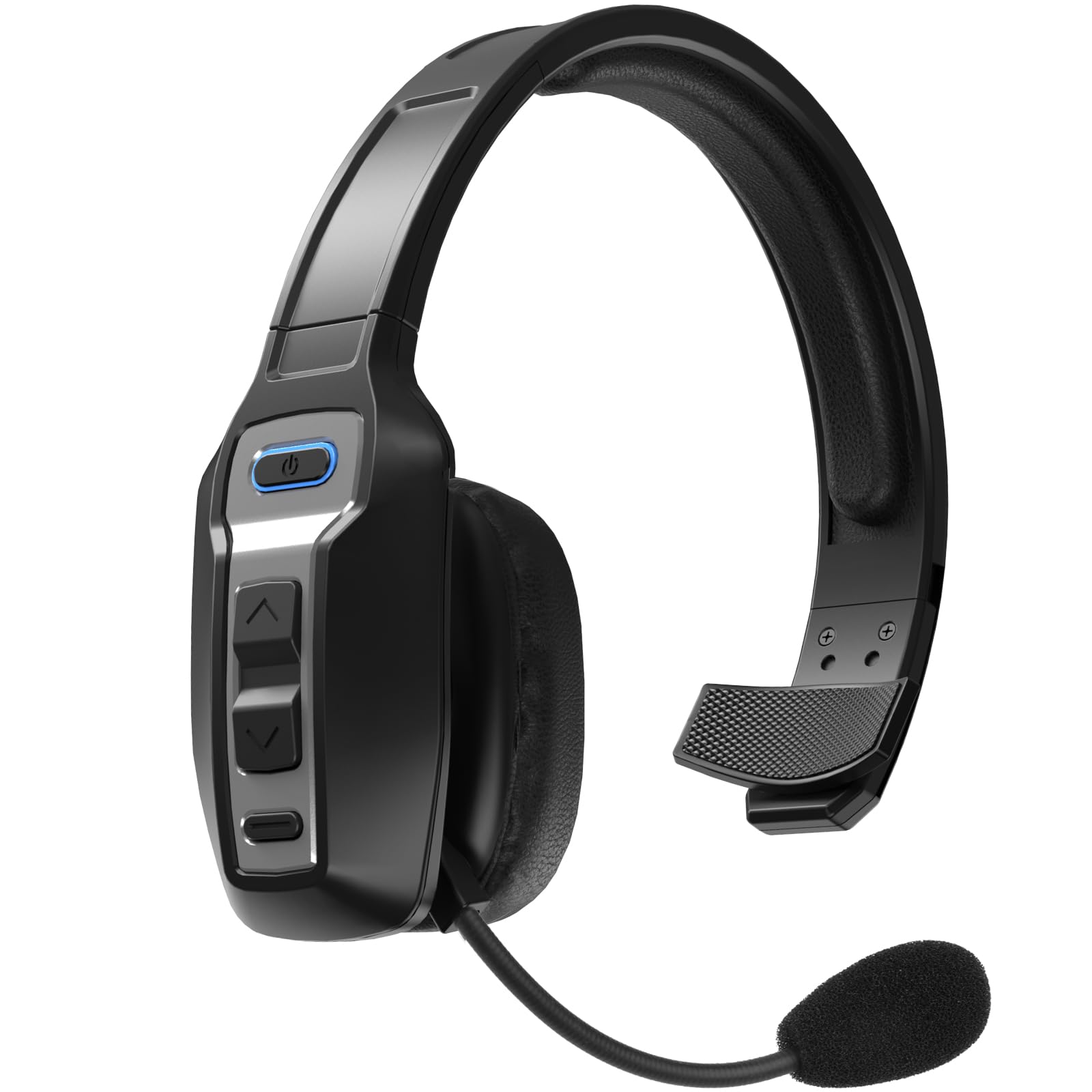

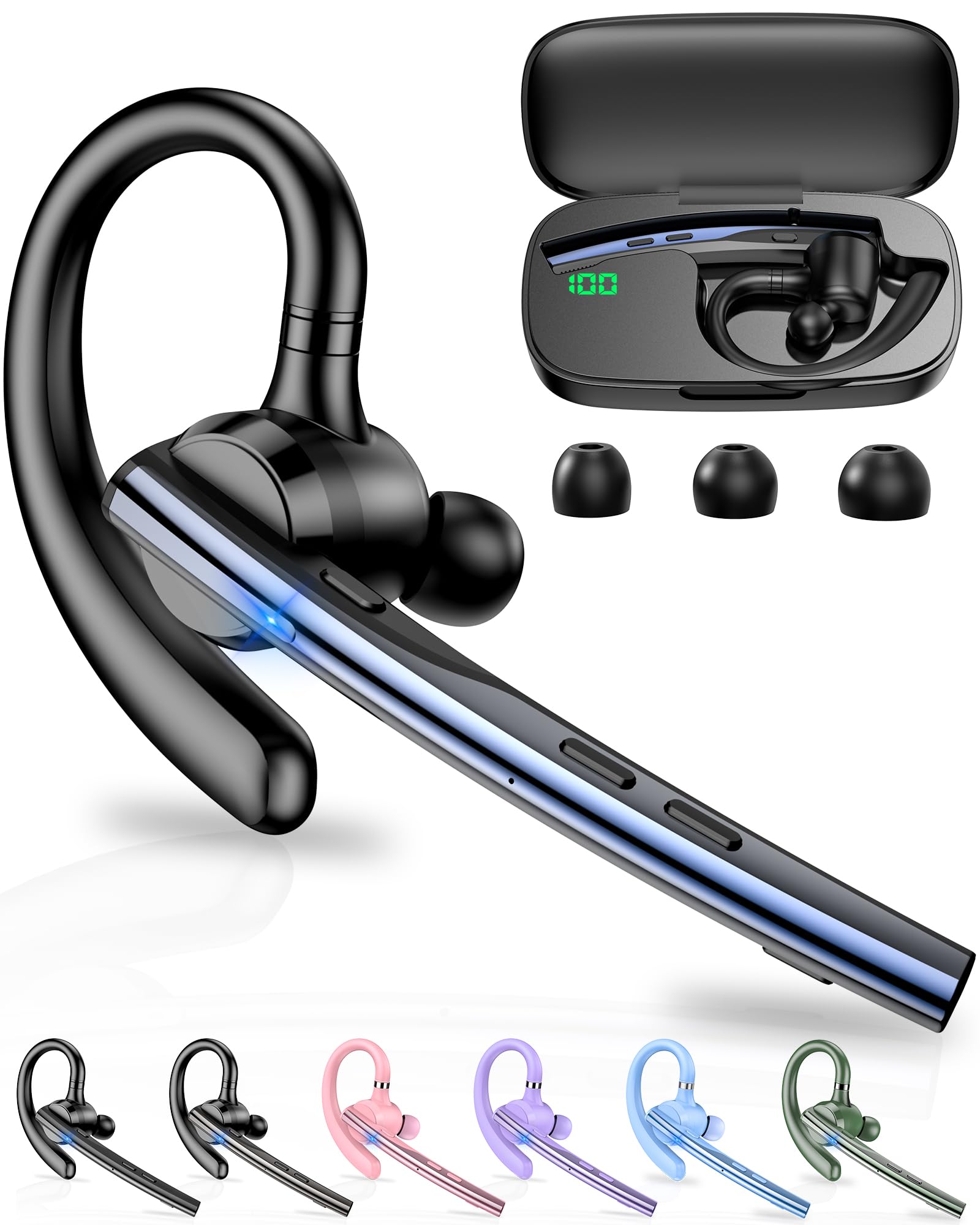
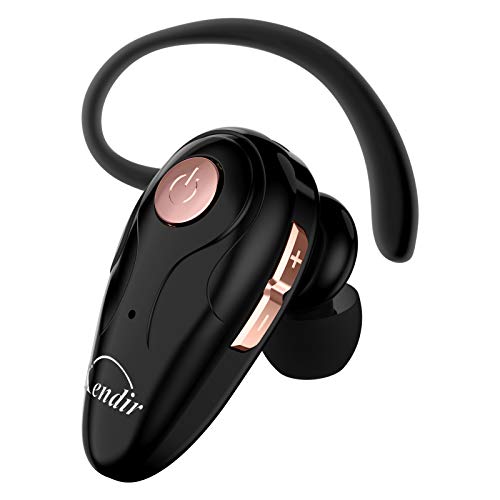
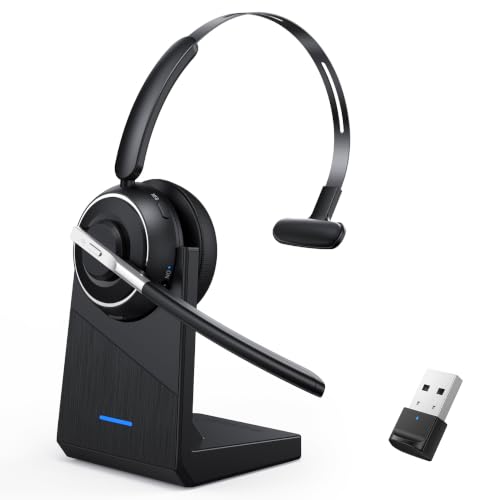
Who Should Buy Which Cell Phone Bluetooth Headsets?
Start with a plain fact: a call headset is read by how the other end hears you. Your caller never hears the speaker you listen through; they hear only your microphone. That makes the microphone the product itself, while the speaker is mostly a comfort question, because it decides how pleasant long listening feels for your own ears. Every group below is therefore sorted first by microphone needs, and only then by fit, battery, and price.
For Remote Workers and Creators
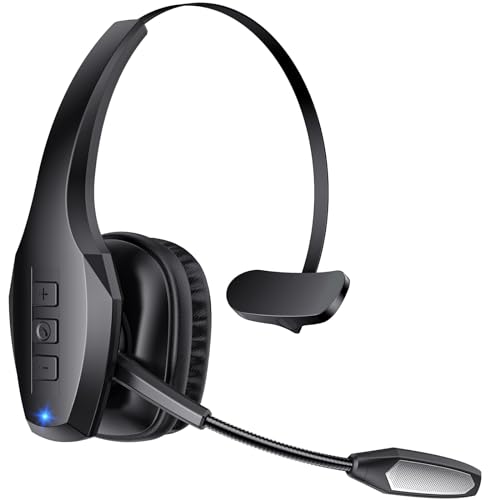
You live on scheduled calls, so a weak microphone reaches your clients before your ideas do. Look for a dual ear design with a boom or a strong voice isolating microphone, a physical mute control, and multipoint pairing so the headset stays connected to your laptop and your phone at once. All day comfort matters as much as audio, so soft cushions and a light frame earn their price, usually about $80 to $200. Our companion guide to best bluetooth phone headsets compares pairing behavior across these same work styles in more depth.
For Commuters, Drivers, and Travelers
Your calls happen in motion, in stations, cars, and airport queues, so portability and awareness come first. A compact single ear headset or small buds in a pocketable charging case suit this routine best, and quick top up charging rescues a forgotten overnight charge. Because road and platform noise follows you, voice isolation for your microphone matters more than music tuning. Expect to spend about $40 to $120 for a set that survives daily travel without feeling fragile.
For Students and Everyday Users
Your calls are shorter and less formal, so simple pairing, honest battery life, and a price that survives a lost bud matter most. Basic dual mic buds around $25 to $60 usually cover family calls, study group chats, and the odd interview. Skip paying for studio style tuning and spend the savings on a case with a spare charge or two. A straightforward model that connects the first time, every time, beats a feature packed one you have to fight with.
Key Features to Compare
Microphone Quality Decides the Call
Microphone design is where call headsets truly separate. A short boom places the microphone near your mouth and almost always beats microphones built into an earbud stem, especially outdoors or in a kitchen with the extractor running. Dual microphone systems compare your voice against background noise and suppress the noise, which is the feature your callers will actually thank you for. A clear mute button or boom flip also prevents private asides from reaching the meeting. Readers who want call clarity above all else should start with the models gathered under best bluetooth headsets for phone calls and work outward from there.
Single Ear or Dual Ear Fit
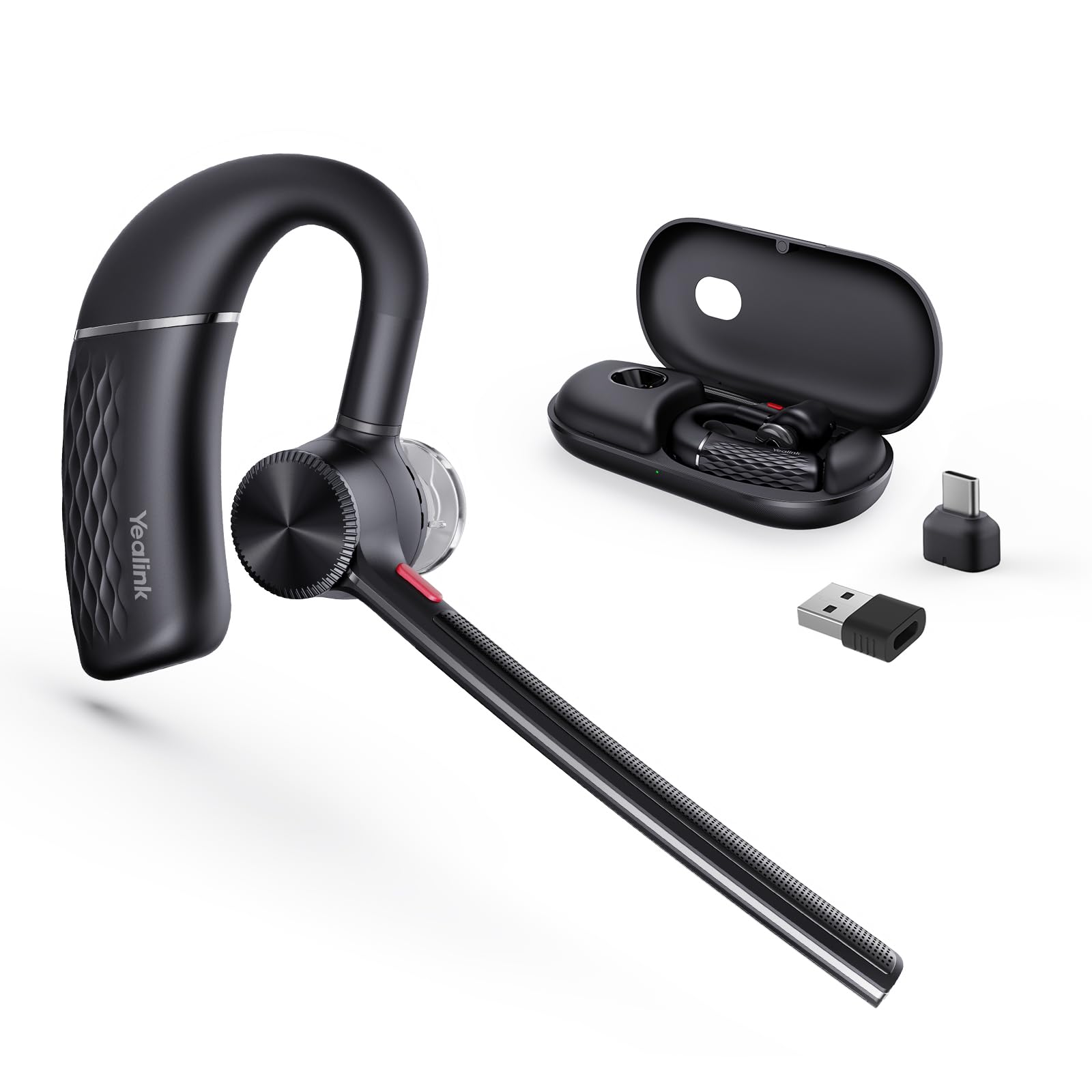
Single ear and dual ear headsets are different work tools, not better and worse versions of one tool. A single ear model leaves the room audible, so you hear the doorbell, your children, and traffic around you while you talk, which is why drivers and warehouse staff favor it. A dual ear model closes the room off and replaces it with focus, which suits open plan offices and long meetings. When you drive, keep one ear open to the road as a basic safety habit. The dedicated guide to best single ear bluetooth cell phone headsets covers the open ear routine in full.
Connectivity, Codecs, and Multipoint
Recent Bluetooth versions hold a steadier connection through walls and across rooms, and they sip less power than older ones. Multipoint is the standout convenience feature: the headset stays paired to two devices and switches to whichever one rings. Audio codecs such as AAC shape music quality and video delay far more than they shape ordinary calls, so treat codec badges as a media bonus rather than a calling feature. Shoppers comparing the whole category, wired models included, can also read the general guide to best cell phone headsets before narrowing down to wireless.
Noise Cancellation and Isolation
Active noise cancellation quiets what you hear: aircraft drone, office chatter, and train rumble all fade, which lowers listening fatigue on long days. Passive isolation from a well sealed ear tip does part of the same job for less money. Remember that cancellation works on your side of the call; it does not clean your voice for the caller, which is the microphone system described above. If your routine is mostly flights and shared offices, the shortlist under best noise cancelling bluetooth headsets for cell phones is the natural place to compare.
Battery Life and Charging
Talk time, not music playback time, is the figure to compare, because calls draw power differently. Mono headsets often run far longer per charge than small buds, while bud cases quietly add several full recharges and can hide a mediocre base figure. A ten minute quick charge that returns an hour of talk time is worth more in real life than a slightly larger total you never use. If your routine includes back to back meeting days, charge the case weekly and keep the headset itself topped up each night.
App Features and Controls
Companion apps add equalizer presets, firmware updates, and a find my headset function that pays for itself the first time a bud rolls under a sofa. Firmware updates also fix pairing bugs, so an app from a maker that still maintains it is a quiet quality signal. Physical buttons work with gloves and wet hands, while touch panels can misread a hair adjustment as a command. Choose the control style that matches where your hands are during a typical call.
Common Mistakes to Avoid When Buying Cell Phone Bluetooth Headsets
- Buying from music reviews when calls are the real job, so the microphone never gets checked before the money is spent.
- Assuming noise cancellation cleans up your voice for the caller, when it mainly quiets what you hear.
- Ignoring multipoint and then re pairing between phone and laptop several times a day.
- Choosing sealing dual ear buds for driving, which shut out road sounds you need to hear.
- Skipping the fit check, because a headset that works loose mid call distracts more than a cheaper one that stays put.
Setup and Care Tips
- Update the firmware after pairing, because makers fix connection and call quality bugs through the app.
- Keep volume moderate during long sessions, since comfortable levels protect your hearing over years of daily calls.
- Clean ear tips and charging contacts weekly with a dry cloth so sweat and lint never interrupt charging.
- Store the headset in its case rather than a pocket or bag, where stems and hinges take the damage.
- Replace worn or torn ear tips promptly, because a poor seal quietly ruins both bass and noise isolation.
Frequently Asked Questions
Is ANC worth the extra cost on a cell phone bluetooth headset?
It is worth the cost if you listen in loud places such as aircraft cabins, trains, or shared offices. Cancellation lowers the drone you hear, so you stop raising the volume to compete with it, which also protects your hearing. One trade off rarely mentioned: cancellation drains the battery faster, sometimes cutting talk time noticeably, and a transparency mode matters if you still need announcements and traffic sounds between calls.
Do I need a special codec for clear phone calls?
No, ordinary calls do not depend on premium codecs. Call audio travels through voice channels chosen by your phone and calling app, and those channels were built for speech rather than music. Codecs such as AAC mainly improve music detail and reduce delay when you watch video. If callers say you sound thin or distant, microphone placement and background noise are the real causes, not the codec list on the box.
How long does the battery last on a bluetooth headset for a cell phone?
Most small buds give about five to eight hours of talk time per charge, with the case adding two to four refills, while larger mono headsets can talk far longer on one charge. Treat printed figures as best case numbers measured at moderate volume. Cold weather shortens runtime, and a battery that once lasted a workday will slowly shrink over a couple of years of daily charging.
Wired or wireless: which sounds better for music and video?
A wired connection still wins on pure consistency, because it carries the signal without compression or delay. Good bluetooth models come close for music, but video exposes the gap: a slight delay can push voices out of sync with lips unless the headset and phone support a low latency mode. For calls the difference nearly vanishes, since speech tolerates the small delay that music and film reveal.
What IP rating do I need for outdoor use on a bluetooth headset?
A rating around IPX4 handles sweat and light rain for walks, runs, and yard work, which covers most outdoor routines. Higher ratings suit people who train in heavy rain or work around dust and washdowns. Note that the rating applies to the headset itself, not the charging case, so a weatherproof bud in a damp case can still fail. Dry both before charging after any wet session.
The Bottom Line
Match the headset to the routine and the choice gets simple. Put the microphone first, because your callers judge best cell phone bluetooth headsets by how you sound, then pick the ear format that fits your surroundings, and finally check that talk time covers your longest day. Use the product table above to compare the shortlist against those three points, and the right model for your routine should stand out quickly.