Best Basic Cell Phones with Camera in 2026: The Buyer Checklist We Use
Disclosure: We may earn a commission when you buy through links on this page, at no extra cost to you. As an Amazon Associate I earn from qualifying purchases. Learn more

Compare basic cell phones with a camera by screen, battery, storage and ease of use, with a simple checklist for calls, photos and daily value.
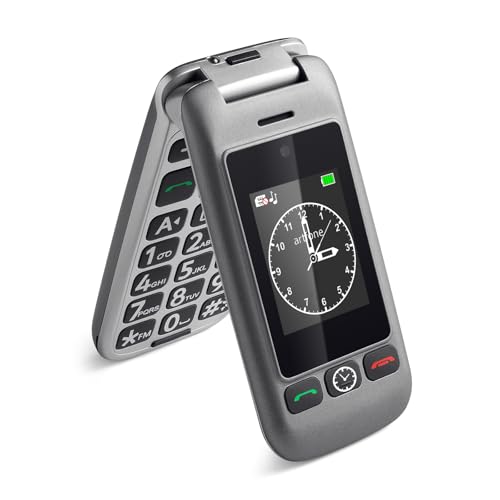
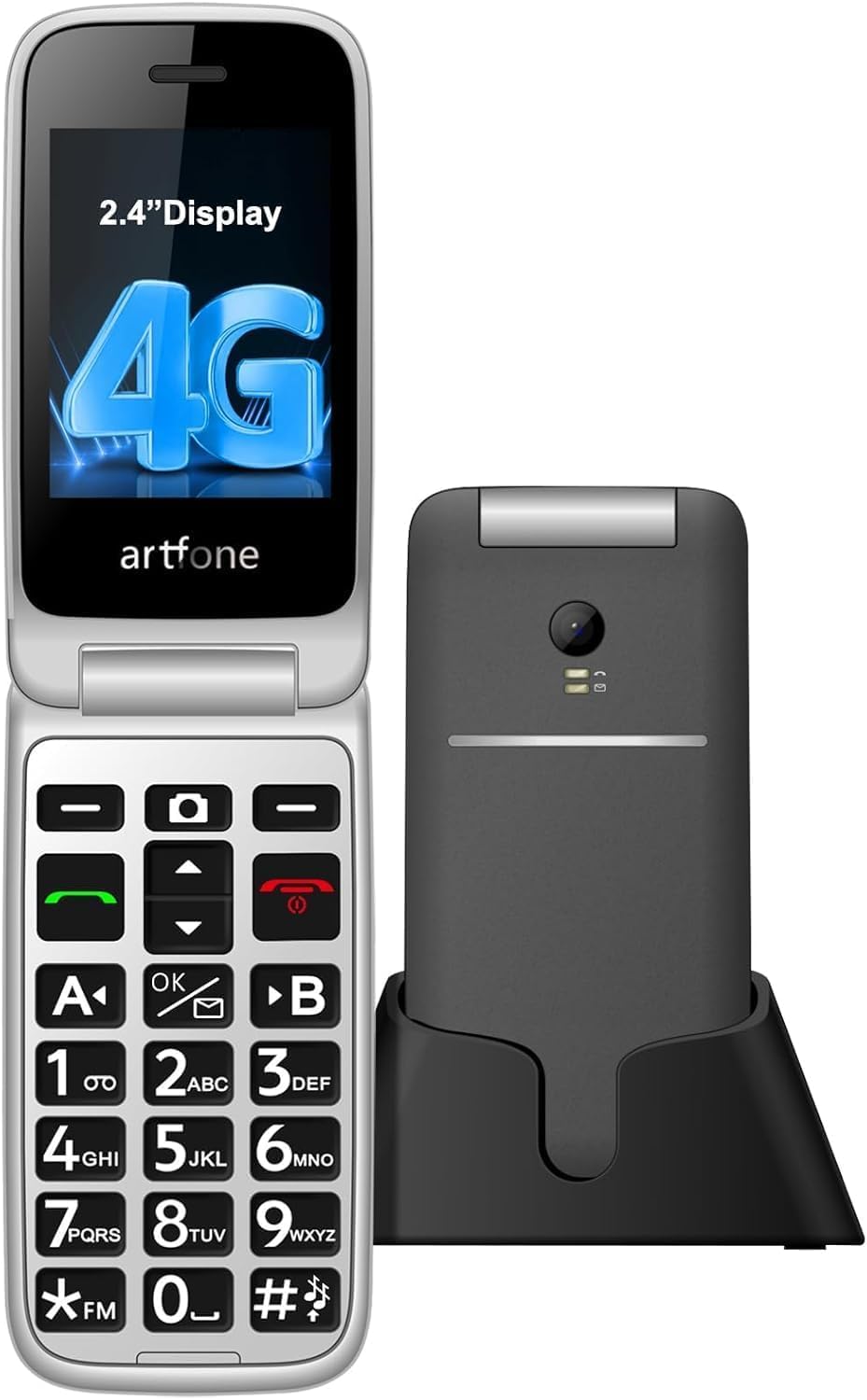
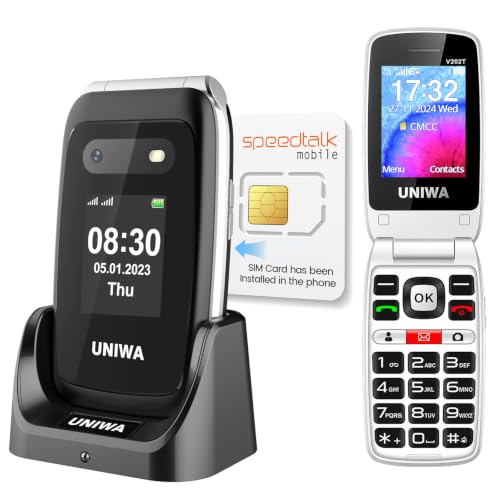
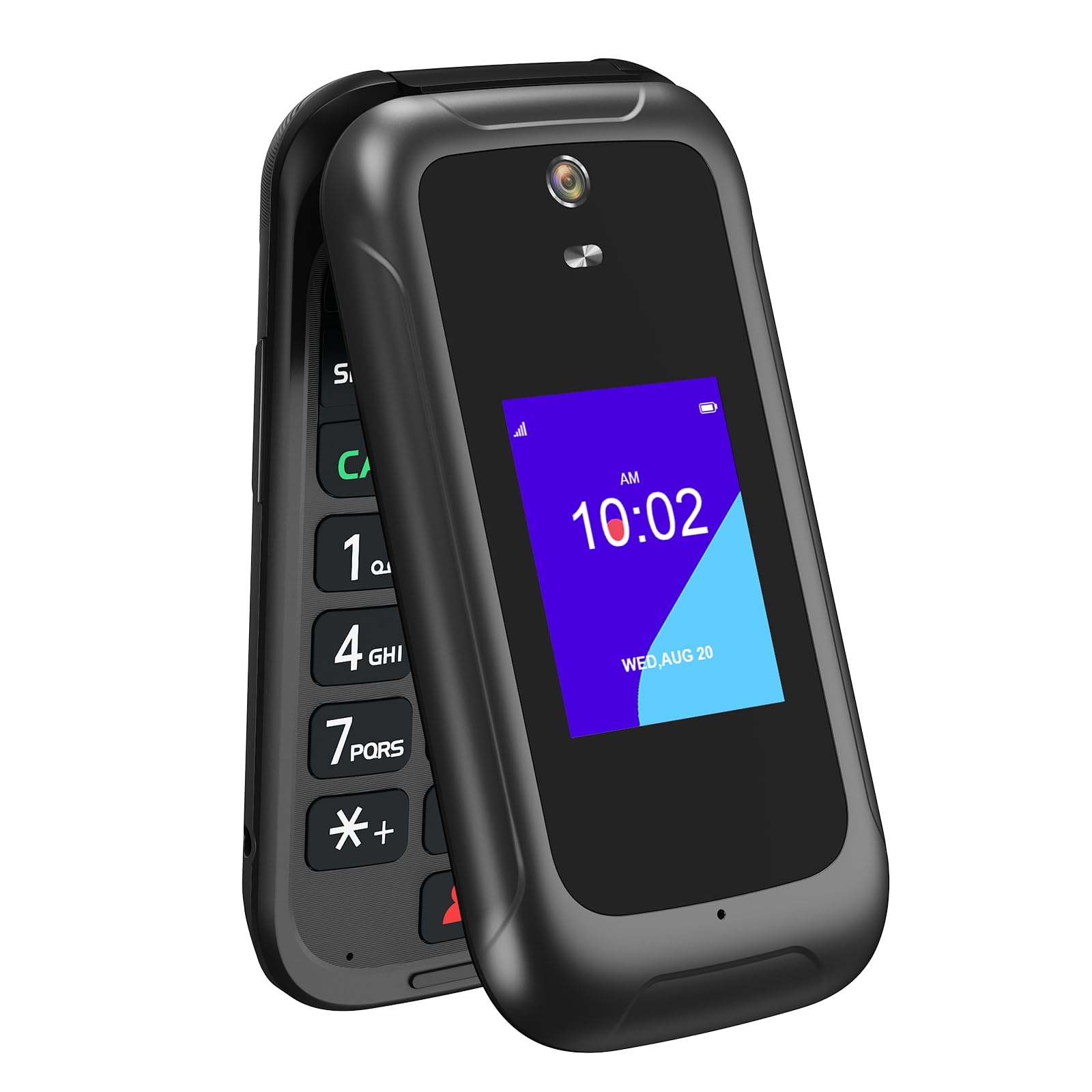
A basic phone should make calls, texts and photos feel simple, not like a project. The best basic cell phones with camera give you clear menus, readable text and a camera you can open and use in seconds. Use this checklist and the comparison table below to judge each phone by daily ease first and extra features second.
Start with how you actually take pictures and stay in touch. Some readers want a phone mainly for family photos, while others want a spare phone, a work phone or a first phone for a teen. If you began by searching for best cell phones with great cameras, narrow that wish to a sharp main camera, honest battery life and software you can learn quickly.
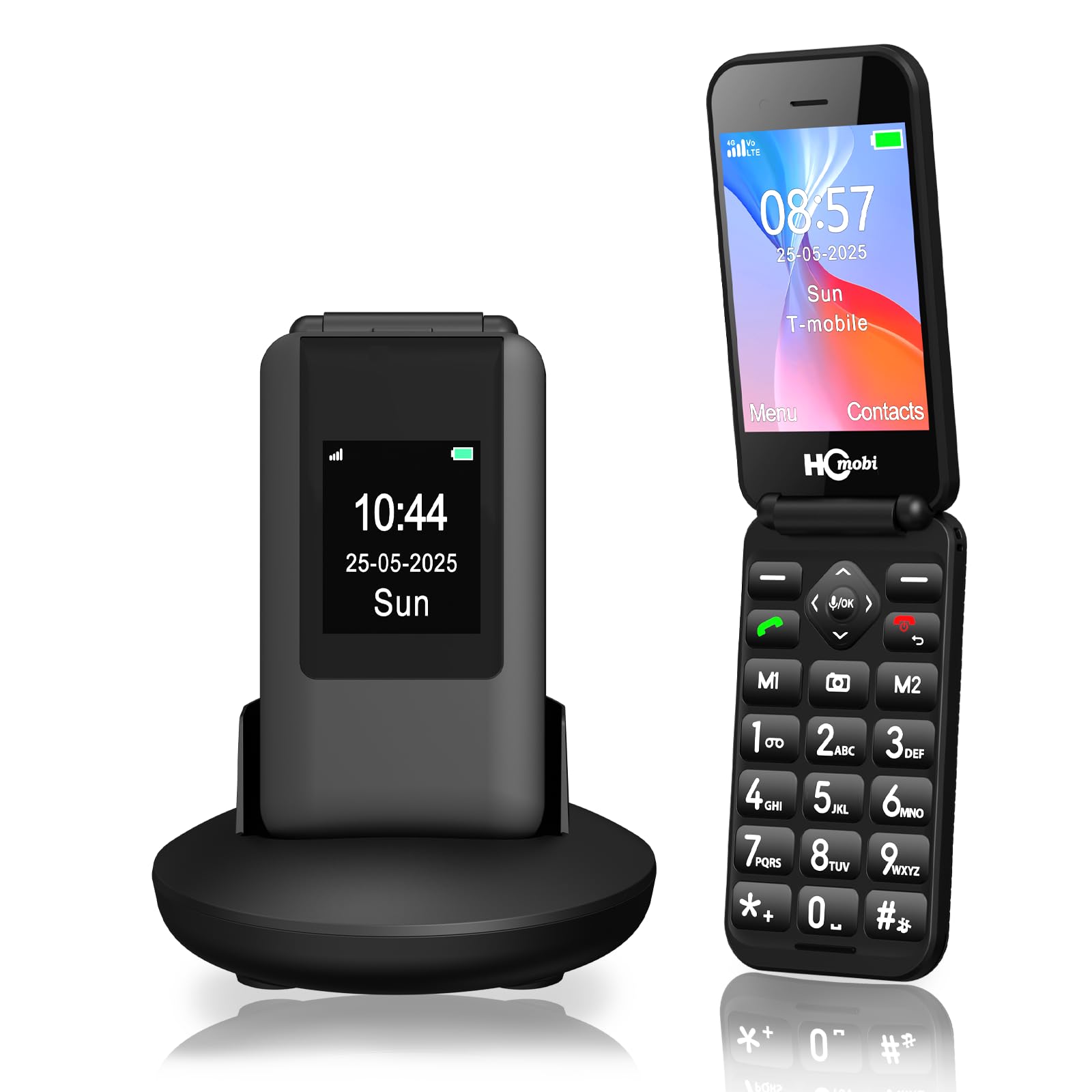
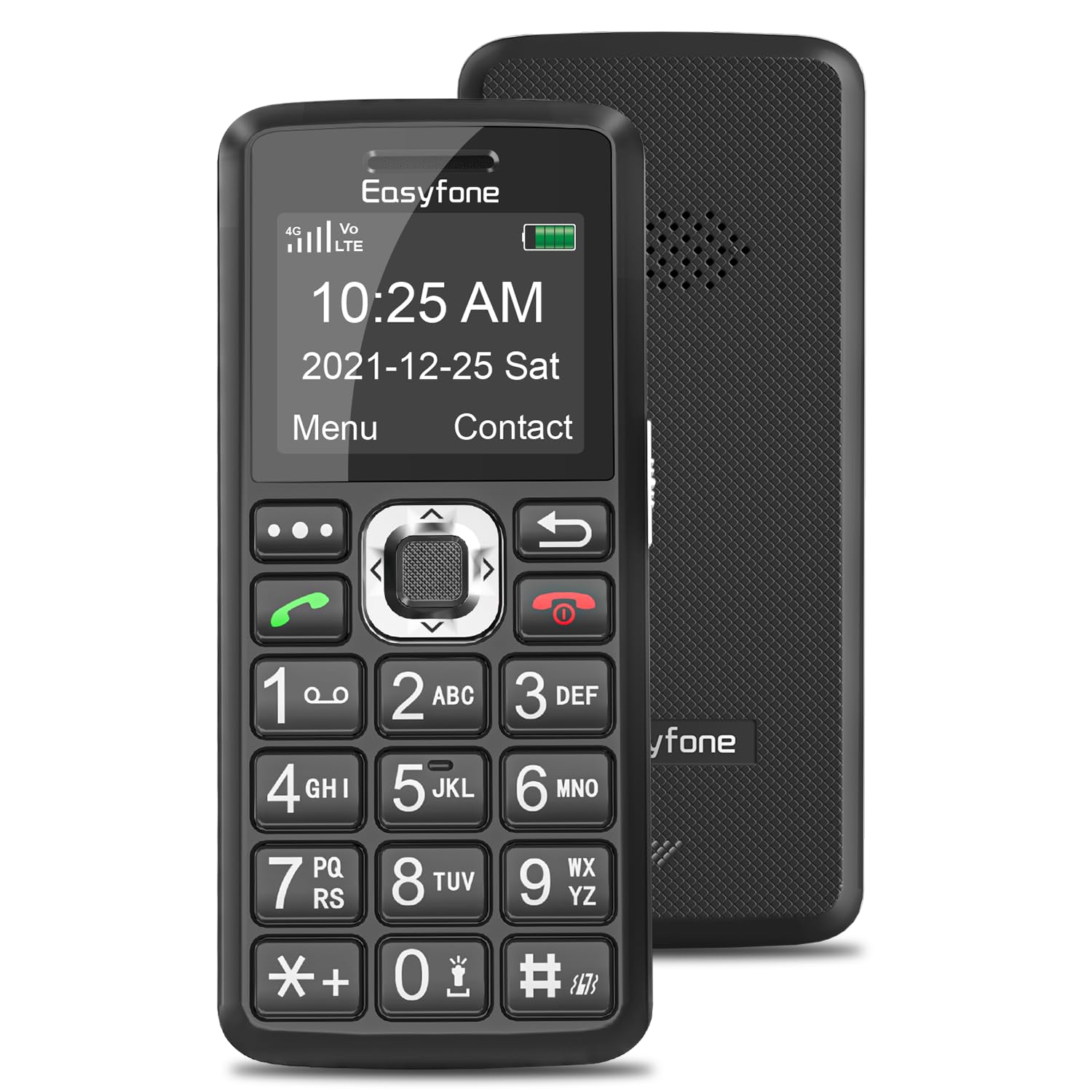

Who Should Buy a Basic Cell Phone With a Camera?
Buy for the routine you repeat every day. A phone that suits a grandparent who calls and photographs grandchildren may frustrate a driver who needs maps all shift, and the reverse is also true.
Callers Who Want Big Text and Simple Menus
You want the dialer, contacts and camera easy to find without digging through screens. Choose large text options, a bright home screen and clearly labeled controls. Skip models loaded with apps you will never open, because clutter slows every task.
Family Photographers Who Want Point and Shoot Ease
You take pictures of kids, pets, meals and trips, and you want them clear without learning manual settings. Choose fast focus, a simple camera app and enough storage for video clips. Good color in auto mode matters more to you than a long list of lenses.
Spare and Work Phone Users Who Need Reliability
You need a second line, a job site phone or a backup for travel that will not worry you if it gets scratched. Choose strong battery life, a tough body and a price that makes replacement painless, often under $200. Dual SIM support helps if you keep work and personal numbers apart. A basic camera still matters for receipts, site notes and quick proof photos.
Key Features to Compare
Use the same order each time you compare best basic cell phones with camera, so a low price cannot hide a weak camera or a short lived battery.
Camera Quality and Night Mode
The main camera does most of your work, so judge it before counting extra lenses. A sensor of about 12 to 50 megapixels can give sharp daylight photos, but pixel count alone does not promise good results. Look for stabilization, fast autofocus and a night mode that brightens dark scenes without heavy blur. An ultrawide lens helps with group shots and rooms, while a telephoto lens is rare at this level.
Display Size and Outdoor Brightness
Most basic phones use screens of about 5.4 to 6.5 inches, which balances one hand use with readable text. An OLED screen gives deeper blacks and can save power with dark backgrounds, while a good LCD still looks clear and often costs less. A refresh rate of 60 Hz is fine for calls and photos, and 90 Hz feels smoother when you scroll. Brightness matters most outdoors, so favor a screen you can read in sun.
Battery Size and Charging Speed
Battery capacity is listed in mAh, and most phones in this class hold about 3,000 to 5,000 mAh. A larger battery can carry a light user through two days, while heavy camera and map use can drain any phone in one day. Fast charging helps when you top up before leaving, with many models refilling a large share in about 30 minutes. Check whether a charger is in the box, because some phones ship without one.
Processor, Memory and Everyday Speed
The processor and RAM decide how smoothly the phone opens apps, switches tasks and processes photos after you tap the shutter. About 4 to 6 GB of RAM suits calls, texts, browsing and light apps for most basic users. If you keep many apps open, more memory reduces reloads and waiting. You do not need flagship power, but avoid the slowest chips if you plan to keep the phone for years.
Storage Space and Memory Card Options
Photos and video fill space faster than contacts and texts, so storage is a camera decision as much as a price decision. About 64 GB suits light photographers, while 128 GB gives most families comfortable room for apps and albums. Some basic phones accept a microSD card, which lets you add space later for little money. Check how much space the system already uses, because the free total is lower than the number on the box.
Build Strength and Water Resistance
A basic phone still travels in pockets, bags and wet hands, so build quality affects how long it lasts. Look for a solid frame, raised edges around the screen and glass that resists scratches in daily use. Water resistance ratings such as IP68 mean the phone can handle rain and brief splashes within the maker limits, not long swims. A lighter phone with a good case often suits home use better than a bulky rugged model.
Basic Phone Types Compared
Basic phones fall into three broad types. Simple feature phones use keypads and very long battery life, and their cameras suit quick snapshots. Easy smartphones add touch screens, messaging apps and better cameras, and they suit most readers. Rugged basic phones trade slim looks for thick bodies and strong seals.
Before you choose, answer three questions. Do you need apps and maps, or only calls and texts? Will you take photos indoors at night, or mostly outdoors by day?
Do you want the phone unlocked, or will you stay with one network? Your answers point to a type more honestly than any spec.
Camera ambition also separates the types. If you want to compare pure camera rankings across all phones, see our guide to the best cell phone cameras ranked for that wider view. For readers weighing image quality above all else, see our guide to the best phones with good camera quality as well. And if a camera is truly optional, see our guide to the best non camera cell phones to check that simpler path.
Common Mistakes to Avoid
- Judging a camera by megapixels alone leaves you with dull color and blurry night shots.
- Buying too little storage fills the phone with photos and blocks new updates within a year.
- Choosing a locked phone for the wrong carrier leaves you paying to switch networks later.
- Ignoring update length leaves a basic phone without security fixes while you still rely on it daily.
- Picking the smallest battery to save money leaves heavy camera days ending with a dead phone.
- Skipping a case and screen cover turns one short drop into a cracked screen and a costly repair.
Care and Maintenance for a Basic Cell Phone
Keep software updated when the phone offers a new version, because updates fix security flaws and often improve camera processing. Charge on a cool, flat surface and avoid leaving the phone in a hot car, since heat ages the battery. Back up photos each month, so a lost phone does not mean lost pictures.
Clean the camera lens with a soft microfiber cloth before important photos, because pocket lint and skin oil cause haze that looks like a camera fault. Wipe the body with a slightly damp cloth, and restart the phone every week or two to clear small glitches.
FAQ
Does a basic cell phone with a camera need 5G?
No, a basic cell phone does not need 5G for calls, texts and everyday photos. A solid 4G connection handles messaging apps, maps and uploads for most users. Choose 5G if your carrier offers it at a similar price and you plan to keep the phone for several years.
Should I buy a basic cell phone unlocked or from a carrier?
Buy a basic cell phone unlocked if you value freedom to change carriers or travel with local SIM cards. An unlocked phone may cost more upfront, but it avoids contract terms and works with more plans. Always confirm the phone supports your carrier bands before you pay.
How many years of software updates should a basic cell phone get?
A basic cell phone should get at least two to three years of security updates, and longer is better. Security updates protect banking, mail and photos long after new features stop arriving. If you shop among best camera basic cell phones, treat update length as a camera feature too, because makers often improve photo processing through software.
How much storage does a basic cell phone with a camera need?
Most basic cell phone users need about 128 GB once photos and short videos build up over a few years. Light users who delete often can manage with 64 GB, especially with a memory card slot for albums. Video takes far more room than still photos, so a minute of high resolution video can equal dozens of pictures.
Is a mid range phone good enough for basic calls and photos?
Yes, a mid range phone is more than good enough for basic calls, texts and family photos. It usually adds a smoother screen, faster charging and a better night mode than the cheapest models. The gain matters if you photograph indoors often or keep phones for four years or more.
Final Thoughts
Put ease first, then camera quality, battery life and update length, in that order. Match the phone type to your routine, confirm it works on your carrier, and use the product table above to compare the finalists.
Chosen with this checklist, the best basic cell phones with camera stop being a compromise and become the simple tool you wanted all along. Pick the phone you will understand on day one and still trust in year three.