
Best Cell Phone Charging Cables by Budget for 2026
Disclosure: We may earn a commission when you buy through links on this page, at no extra cost to you. As an Amazon Associate I earn from qualifying purchases. Learn more

Compare cell phone charging cables by connector, length, build, and charging speed, and learn what each price level offers for your phone and routine.
Phone cables look simple, yet prices range from a few dollars to far more, and the cheapest option is not always the best value. The best cell phone charging cables for you depend on your phone port, how fast you want to charge, and where you use the cable every day. This guide compares cables by price level and feature, and the comparison table below lays out the options side by side, so you can spend where it matters and skip what it does not.
A cable that fits your phone and survives daily bending is worth more than a fancy package or an extra feature you never use. Read on for the price tiers, the features worth paying for, and the long term costs that shape the real value of a cable.


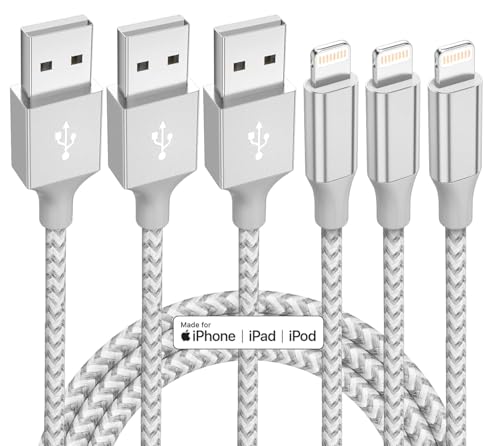
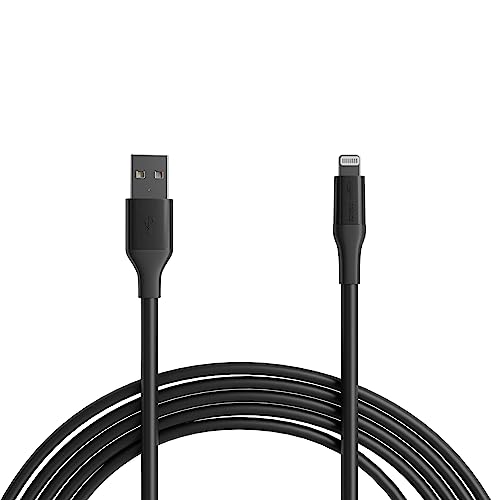
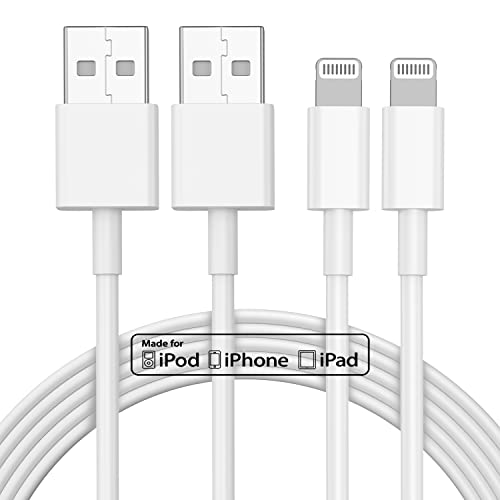
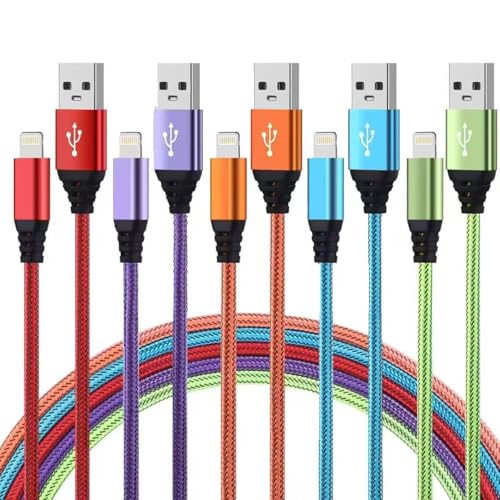


Who Should Buy Which Cable
Different routines put different stress on a cable, so start with how you actually charge. A desk cable can stay put for months, while a bag cable gets coiled, yanked, and stepped on. Matching the cable to the routine keeps you from paying for toughness you do not need or buying a fragile cable for hard use.
Daily Commuters and Travelers
Commuters need a short to medium cable that coils neatly and survives repeated packing. A braided outer layer and firm strain relief at both plugs help here, and a length around 3 feet keeps clutter down in a bag or car. Carry a spare if your phone is your map, ticket, and payment method on the road.
Home and Desk Users
Desk users benefit most from a longer cable, around 6 feet, that reaches from an outlet to a couch or nightstand without tension. Because the cable rarely moves, a smooth jacket is fine, and the money is better spent on the right connector and enough power for overnight or desk charging. Keep the run tidy so chairs and feet do not snag it.
Families Sharing Chargers
Shared households often need more than one connector type, since phones, tablets, and earbuds may use different ports. Buying cables by connector, rather than by phone brand alone, avoids a drawer full of look alike cables that fit nothing. Label each cable or keep types in separate spots so the right one is easy to grab.
What Your Money Gets You at Each Price Tier
Price tiers for cables are less about luxury and more about materials, power handling, and warranty support. The product table above shows the spread, and the tiers below explain what changes as you move up. In every tier, check the connector type and the power rating before you buy.
Budget Cables: What to Expect
Budget cables, around $5 to $10, usually cover basic charging and data transfer with a plain plastic jacket. They work well as spares or desk cables that stay in one place, but thin strain relief can crack after months of bending. Expect shorter warranty coverage and check that the cable supports your phone charging speed, since some budget options charge slowly.
Midrange Cables: The Everyday Balance
Midrange cables, around $10 to $20, tend to add braided jackets, stronger plug housings, and clearer power ratings. This tier suits most buyers, because the cable handles daily coiling and travel without the price of premium extras. Many midrange options also support faster charging and data transfer, which matters if you move large files or top up during short breaks.
Premium Cables: When Extra Spending Helps
Premium cables, around $20 to $35, often bring tougher braiding, reinforced joints, longer warranties, and higher power ratings for laptops and tablets as well as phones. Spending here makes sense for a cable that travels daily, charges several devices, or must last for years. It makes less sense for a spare that lives behind a nightstand and rarely moves.
Features Worth Paying For and Ones to Skip
Not every feature on the box changes daily use. The factors below are the ones that decide whether a cable charges reliably, fits your routine, and lasts. Features that sound advanced but add little for phone charging are flagged so you can skip them with confidence.
Connector Type and Compatibility
Connector type is the first check, because a cable that does not fit your phone port is useless no matter how well made it is. Most current phones use USB C, while older phones may use Lightning or micro USB, so confirm the port on your phone and on your charger before ordering. See our guide to best charging cables for android phones if your household uses several Android models with different charging needs. Adapters can bridge a mismatch, but a native cable usually charges more reliably and stays seated better.
Length and Everyday Reach
Length shapes convenience more than most buyers expect. A 3 foot cable suits cars and bags, a 6 foot cable suits beds and couches, and a 10 foot cable suits rooms where the outlet sits far from the seat. Longer cables can charge slightly slower and tangle more, so choose the shortest length that reaches comfortably without pulling. If you need reach and tidiness, pair a longer cable with a simple wrap or clip.
Build and Strain Relief
Strain relief, the tapered sleeve where the cable meets the plug, is where most cables fail. Thick, flexible relief and a braided jacket resist the bending that happens when you plug in with one hand or coil the cable in a hurry. Smooth plastic jackets are fine for stationary use, but travelers should favor braiding and firm plug housings. Check maker guidance on bending and storage, and replace a cable whose jacket is cracked or whose plug wobbles.
Charging Speed and Power Rating
Charging speed depends on the cable power rating, the charger, and the phone together, so a cable alone cannot make a phone charge faster than its limit. Look for a stated wattage that covers your phone, and remember that a low rated cable can slow charging even with a strong charger. If you also charge a tablet or laptop from the same cable, choose a higher rating so one cable can serve both. Maker electrical safety guidance matters here: use cables and chargers that match the ratings in the maker manual, and keep small parts and loose cables away from children.
Data Speed and Extra Features to Skip
Data speed matters if you transfer photos and video over a cable, and faster data ratings help for large files. For charging only, an ultra fast data rating adds cost without benefit, and extras such as glowing plugs or magnetic tips can add bulk or a weak connection point. Skip decorative extras and spend instead on fit, power rating, and build.
Long Term Costs to Factor In
The sticker price is only part of the cost of a cable. A fragile cable replaced twice a year can cost more than one sturdy cable that lasts, and a mismatched cable may force you to buy a new charger as well. Factor in spares for the car and bag, a possible wall charger upgrade if you move to faster charging, and warranty terms that cover fraying. A cable with a longer warranty and stronger joints often proves cheaper over two or three years of daily use.
Cell Phone Charging Cables: Your Questions Answered
How do I know which connector my phone needs?
Check the charging port on your phone and the port on your charger, then match both ends of the cable to those ports. Most current phones use USB C, while older models may use Lightning or micro USB, and the two ends of a cable are not always the same type. If you are unsure, look at the maker manual or the specifications page for your phone model, and compare the port shape in the listing photos before ordering.
Can a cable charge my phone faster than my charger allows?
No, a cable cannot push charging past the limit set by your phone and charger, since all three parts work as a set. A cable rated below your charger output can slow charging, while a cable rated at or above it lets the phone and charger reach their shared limit. If charging feels slow, check the cable rating first, then the charger output, and replace the weaker part rather than buying a more expensive cable alone.
How long should a charging cable last?
A well made cable used at a desk can last several years, while a travel cable coiled daily may last one to two years before the joints wear. Signs of wear include a loose plug, intermittent charging, visible cracks near the plug, or exposed wiring, and any of these means the cable should be replaced. Gentle coiling, avoiding sharp bends at the plug, and unplugging by the housing rather than the cord all extend cable life.
Are braided cables always better than plastic ones?
Braided cables usually resist fraying and tangling better, which helps for travel and bag use, but they are not automatically better for every routine. A smooth plastic cable is lighter, easier to wipe clean, and fine for a desk or nightstand where it rarely moves. Choose braiding for cables that travel or bend often, and choose plastic when the cable stays put and you value a lighter, simpler option.
Do I need a separate cable for each device?
You need a cable for each connector type in your household, but one cable can serve several devices that share the same port. A USB C cable that charges your phone can often charge a tablet or earbuds too, provided its power rating covers the larger device. Keeping one spare per connector type covers most households.
Final Thoughts
The right cable is the one that fits your phone, reaches where you charge, and survives your routine without fuss. Start with connector type and power rating, then choose a length and build that match how often the cable moves. The best cell phone charging cables are not the most expensive ones, but the ones you stop thinking about because they simply work, and the product table above is a good place to compare your shortlist by those priorities.


