
Best Celestron Telescope: Which One Fits the Way You Use It in 2026
Disclosure: We may earn a commission when you buy through links on this page, at no extra cost to you. As an Amazon Associate I earn from qualifying purchases. Learn more
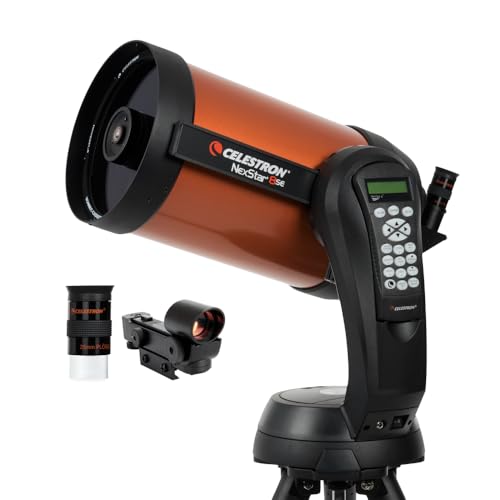
Learn how to choose a Celestron telescope by aperture, mount, magnification and portability, with setup tips and answers to common beginner questions.
Choosing the best celestron telescope starts with how you plan to watch the sky, not with the largest tube you can afford. A Moon and planet watcher, a deep sky beginner, and a traveler who packs light all need different strengths, even when they shop in the same price range. The comparison table below gives a quick side by side view, and the guide that follows explains what each choice means in real use.
There is no single model that suits every watcher. Aperture controls how much light you gather, the mount controls how steady and easy the view feels, and size controls whether the telescope actually leaves the house. Keep those three trade offs in mind, and the rest of the choice becomes much simpler.

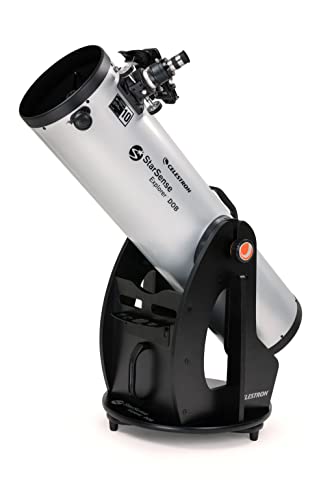
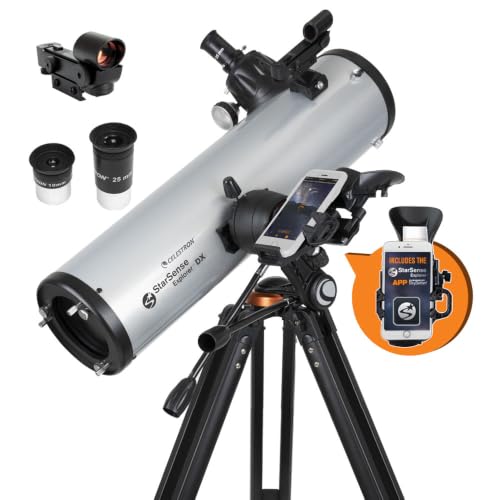
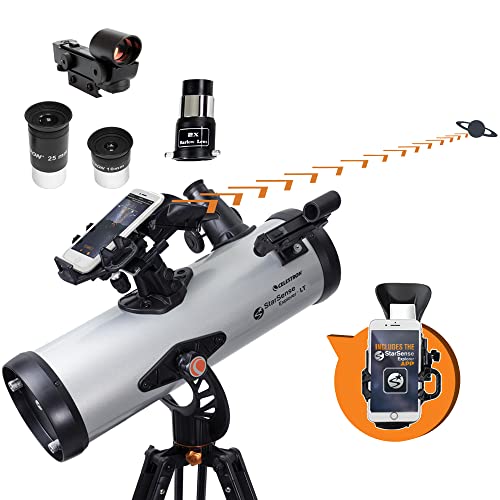


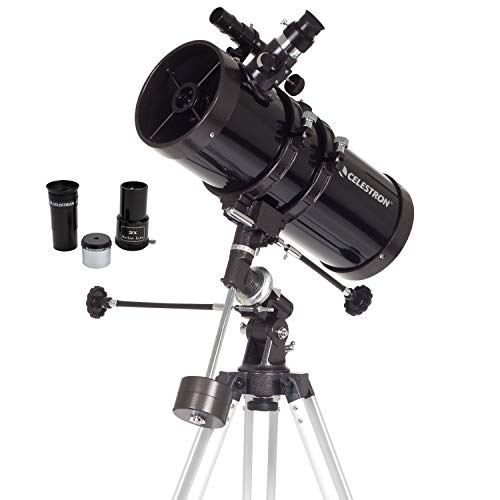

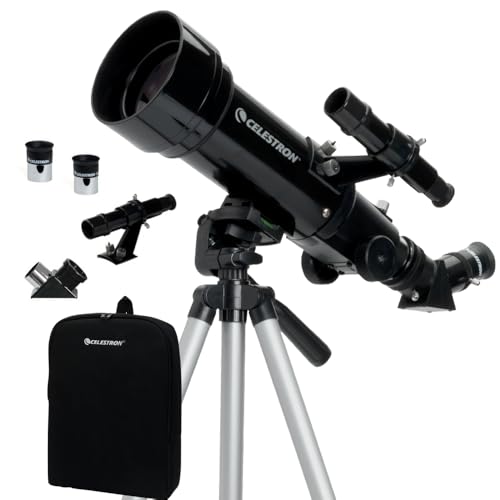

Who Should Buy Which Celestron Telescopes?
Match the telescope to your main target first, then to where you will set it up. A bright planet view and a faint galaxy view ask for different tools, and a balcony setup asks for different handling than a dark field trip.
For Backyard Moon and Planet Watchers
If the Moon, Jupiter, and Saturn are your main targets, you need steady optics and a mount that tracks smoothly at higher magnification. A longer focal length helps planets look larger, while a stable tripod keeps the image from shaking when you focus. You do not need the largest light gathering tube for bright planets, so a mid size setup that you use often beats a giant one that stays in storage.
For Deep Sky Beginners
If faint star clusters and nebulae excite you, aperture matters more than extreme magnification. A wider tube gathers more light, which makes dim objects easier to see under a dark sky. You will also want a mount that moves smoothly in small steps, since faint targets are easy to lose. Plan for darker skies too, because light pollution limits what any tube can show, no matter how large it is.
For Travelers and Small Space Watchers
If you travel, camp, or store gear in a small home, size and weight shape the whole purchase. A compact tube that fits in a car trunk and sets up in minutes will see far more use than a heavy setup that needs a long assembly routine. Look for a sturdy but simple mount, a padded carry case, and parts that pack without tools scattered across a table.
For Families and Young Stargazers
If children will share the telescope, simple setup and a forgiving finder matter more than advanced features. A stable mount that a child can move gently, a low eyepiece height for shorter viewers, and a clear finder scope all reduce frustration. Keep sessions short at first, start with the Moon, and let the young watcher learn to aim before moving to fainter targets.
Key Features to Compare
The features below decide what you will actually see, not just what looks impressive on a box. Read them in order, and weigh aperture and mount first, since those two choices affect every session.
Aperture and Light Gathering
Aperture is the diameter of the main lens or mirror, and it controls how much light reaches your eye. More light means fainter objects look clearer and star images look sharper, especially under dark skies. A larger tube also costs more, weighs more, and needs a stronger mount, so do not buy aperture you cannot carry and set up comfortably. For most beginners, a mid size aperture that gets used weekly beats a very large tube used twice a year.
Focal Length and Magnification
Focal length, combined with the eyepiece, sets magnification. A longer focal length gives higher magnification for planets, while a shorter one gives a wider view that suits star clusters. Very high magnification is not always better, because it narrows the view, dims the image, and makes shaking more obvious. A good starter set includes one low power eyepiece for finding targets and one medium power eyepiece for detail.
Mount Type and Stability
The mount holds the tube steady and lets you aim it smoothly. An altazimuth mount moves up and down and side to side, which feels natural for beginners. An equatorial mount tilts to match the sky, which helps with tracking but takes longer to learn. Whichever type you choose, test the tripod for wobble at full height, because a shaky mount ruins high power views even when the optics are excellent.
Eyepieces and the Finder Scope
Eyepieces change magnification and field of view, so they shape what each session feels like. A low power eyepiece makes finding targets easier, while a medium power eyepiece shows more detail on the Moon and planets. The finder scope matters just as much, because it helps you aim the main tube at a small target. A bright, easy to align finder saves more time than an extra eyepiece you rarely use.
Portability and Setup Time
Portability covers weight, packed size, and how long setup takes from car to first view. A telescope that sets up in ten minutes will join far more trips than one that needs thirty minutes and several separate cases. Check whether the mount and tripod fold together, whether the tube has a safe handle or case, and whether you can carry the whole kit in two trips or fewer. If setup feels like a chore, observing sessions will quietly shrink.
| Type | Best For | Strength | Trade Off |
|---|---|---|---|
| Compact refractor | Travel and quick sessions | Simple setup and low care needs | Less light for faint objects |
| Mid size reflector | Deep sky beginners | Strong light gathering for the price | Needs regular alignment checks |
| Long focal length tube | Moon and planet detail | Higher magnification views | Narrower view and heavier mount needs |
Common Mistakes to Avoid When Buying Celestron Telescopes
- Chasing the highest magnification number, which dims the image and makes aiming harder.
- Buying a tube too large to carry, so it stays home on the clearest nights.
- Ignoring the mount, even though a weak tripod can spoil views from good optics.
- Skipping a check of eyepiece and accessory fit, which can add unexpected cost later.
- Expecting city skies to show faint galaxies, when light pollution limits any telescope.
For a wider beginner view, see our guide to the best telescopes for beginners, which covers starter setups in more depth. If you plan to attach a camera later, read about best telescope cameras before choosing accessories, since camera weight affects mount balance. A related optical tool worth comparing is covered in our guide to best celestron binoculars, which suits quick sky scans and daytime use.
Care and Maintenance Tips
Good care keeps optics clear and the mount smooth for years. Use a soft lens cloth made for optics, never your shirt, because fabric can drag dust across a coated surface. Keep caps on lenses when the telescope is not in use, and store the tube in a dry, padded bag away from damp garages. Carry a spare battery for any powered mount or finder, and check bolts and tripod locks before each session so nothing loosens in the dark.
Never look at the sun through a telescope, and never point an unfiltered telescope toward the sun, because concentrated sunlight can cause serious eye injury in an instant. Follow the maker guidance for cleaning and storage, and ask the maker or a local astronomy club if a cleaning step feels unclear.
Frequently Asked Questions
How much should I spend on my first telescope?
You should spend enough for a stable mount and usable optics, usually about $150 to $400 for a solid beginner setup. Spending less often means a shaky tripod that frustrates new watchers, while spending far more buys aperture you may not yet need. A good rule is to reserve part of the budget for one extra eyepiece and a Moon filter, rather than putting every dollar into the tube alone. Prices vary by type, so compare the full kit, not just the tube price.
Is a smartphone enough instead of a telescope?
A smartphone is enough for learning constellations and taking wide night sky photos, but it cannot match a telescope for Moon craters or planet detail. A telescope gathers far more light and magnifies a small target, which a phone sensor and lens cannot do on their own. Many beginners use both, with a phone app to find targets and a telescope to view them closely. If your goal is detailed planet views, a telescope is the right tool.
What specs matter most for telescope beginners?
Aperture, mount stability, and finder quality matter most for beginners. Aperture sets how much light you gather, the mount sets how steady the view feels, and the finder sets how quickly you can aim at a target. Focal length matters too, but it is less useful than a steady mount when you are still learning the sky. Choose a setup that balances those three strengths, and add eyepieces later as your targets become clearer.
Which telescope type is better for low light viewing?
A larger aperture reflector usually shows faint objects better under dark skies, because it gathers more light than a small refractor. That advantage only appears away from bright city lights, so a dark site matters as much as the tube size. A stable mount also helps in low light, since faint targets need slow, careful aiming. If you observe mostly from a bright backyard, a mid size tube with good optics may serve you better than a very large one.
Do Celestron telescopes need power or batteries?
Manual models with altazimuth or equatorial mounts need no power at all, which keeps setup simple and cheap to run. Computerized GoTo models need a battery pack or power supply to aim and track, so plan for spare batteries on long nights. Smartphone guided models use your phone as the sky map and need it charged. Match the power needs to how far from an outlet you usually observe.
The Bottom Line
Start with your target, your site, and your carrying limits, then let aperture and mount do the deciding. A steady, portable setup that you use often will teach you the sky faster than a larger tube that rarely leaves storage. Check the product table above once more, compare the types side by side, and choose the setup that fits your real sessions, not just your wish list. The best celestron telescope for you is the one that gets outside on clear nights, again and again.


