
Best Ceiling Speakers for Kitchen 2026: Buying Guide
Disclosure: We may earn a commission when you buy through links on this page, at no extra cost to you. As an Amazon Associate I earn from qualifying purchases. Learn more

Moisture resistance first, then clear sound at low volume: how to choose the best ceiling speakers for kitchen ceilings.
A kitchen is the hardest working room in the house: loud, steamy, and splashed daily. Picking the best ceiling speakers for kitchen use means weighing moisture resistance and clear sound at modest volume over the raw power a theater wants. This guide explains what actually matters above a stove and a sink, and the product table above collects options worth comparing.
Counter space is precious, which is why the ceiling appeals in the first place. A speaker overhead keeps music, podcasts, and timers in the room without another box competing with the mixer and the knife block.


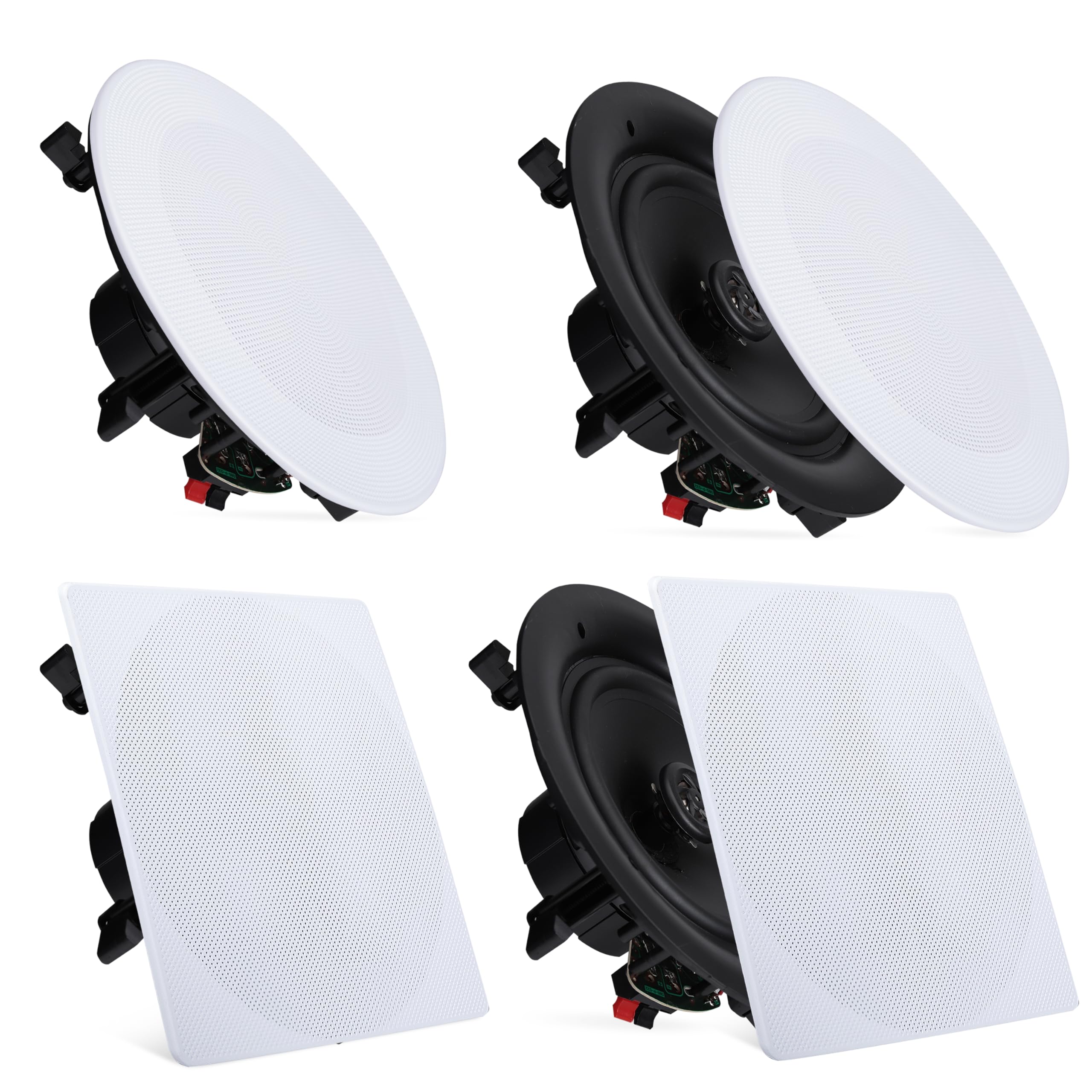


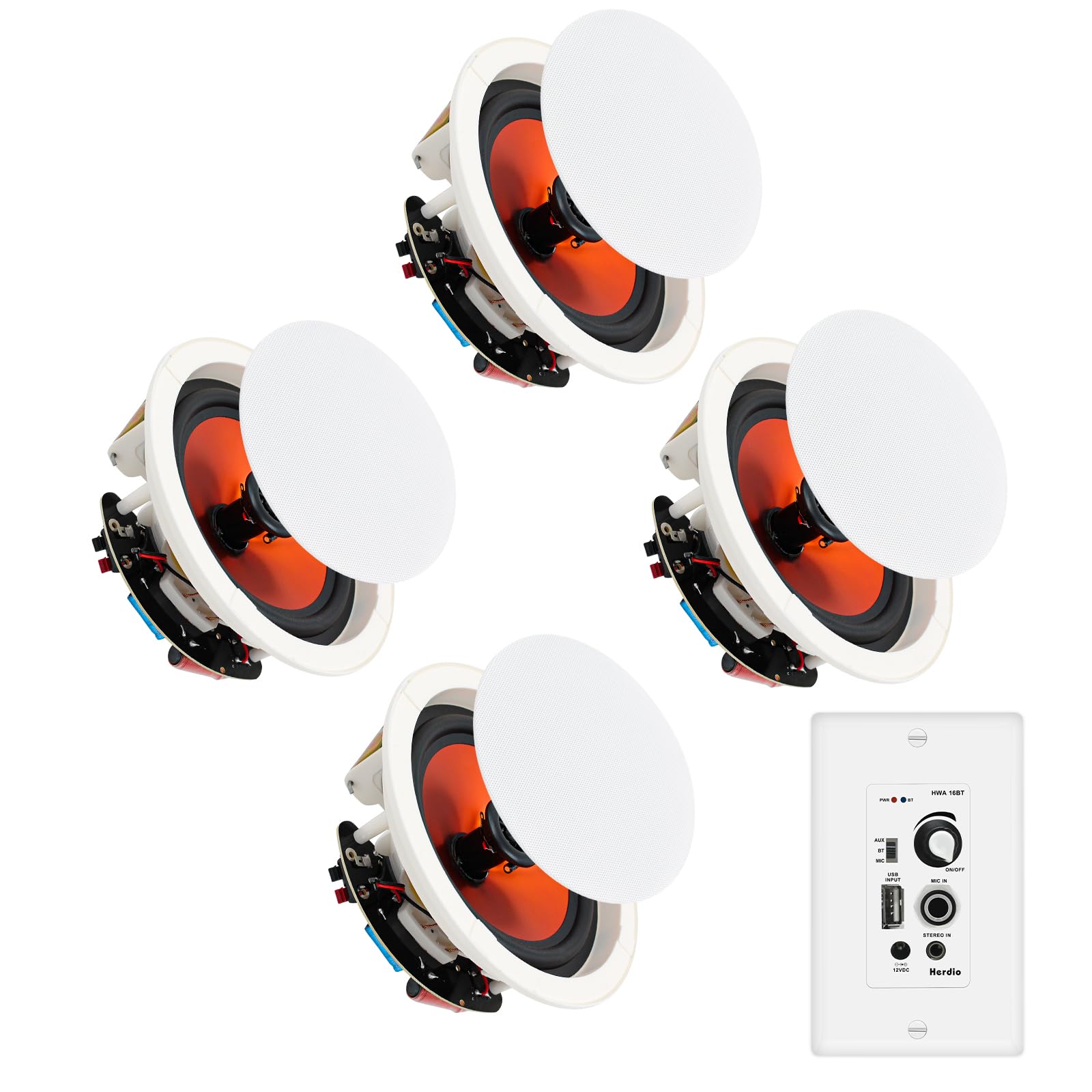


Three Kitchen Budget Profiles
Read these profiles as tiers, not a ranking. Match the tier to your cooking style and room size, then check the details in the sections that follow.
Everyday Family Kitchen
A strong all round tier pairs a 6.5 inch moisture resistant woofer with a pivoting tweeter and a grille that shrugs off steam and light splashes. Prices often sit around $120 to $250 per pair. This tier suits most family kitchens, where you want a podcast clear over a running tap and music that fills the room at breakfast without shouting. Sealed or treated cones are the detail to insist on.
Small Galley or Rental Kitchen
Value models around $60 to $120 per pair give you a basic treated cone and clear background sound for smaller kitchens. You give up some bass and some aim, which matters little when you mostly move within a few steps of the speaker. It is a sensible place to start, as long as the cone and grille tolerate humidity.
Open Plan Kitchen and Dining Room
Upgrade tier speakers around $250 to $450 per pair add an enclosure or back box, better dispersion for open spaces, and a slimmer grille that looks built in. Choose this tier when the kitchen opens into the main living space and the same pair must carry dinner music for guests, not just a morning radio show for one cook.
How to Choose Ceiling Speakers for a Kitchen
Moisture and Grease
Kitchens demand moisture tolerance first. Steam from pasta water and dishwashers rises straight to the ceiling, so look for treated cones, rust resistant grilles, and sealed magnet structures. A model built for a dry bedroom ceiling can corrode or swell in this room within a few years. Cooking film settles on every surface overhead, so a smooth grille you can wipe beats an ornate one with grooves.
Clarity at Low Volume
Range hoods, kettles, and running water mask detail, so a speaker that stays clear without being loud earns its place. That is a tuning quality, and it is why speakers for this room often favor a mild presence lift over deep bass. Neutral to slightly bright tuning suits speech and podcasts, while heavy bass can boom against cabinets and make a small room feel muddy.
Driver Size and Fit
A 6.5 inch driver is the sweet spot for most kitchens, giving enough body for music without a huge cutout. An 8 inch driver helps only in a large open plan space. Fit means working around what already lives in the ceiling: can lights, hood ducts, sprinkler lines, and joists all compete for the same space. Map them before you order, and confirm the mounting depth clears any duct run.
Placement and Coverage
Place a pair to cover the work area and the eating area, not just the center of the ceiling. In a small kitchen, a single speaker that accepts both channels can cover the room and save a second cutout. In an open plan, space a pair several feet apart and keep them clear of the hood duct path. Sound aimed at tiled walls reflects hard, so a pivoting tweeter aimed slightly inward helps. If you are still deciding between ceiling and counter options, our guide to the best kitchen speakers lays out the trade offs.
Wired or Bluetooth Connection
A wired feed from a small amplifier in a cupboard or another room is the most reliable kitchen setup, since it leaves no controls to touch with wet hands. Bluetooth streaming belongs at the amplifier or streamer end, not at the ceiling speaker. For a wider look at ceiling options generally, see our guide to the best ceiling speakers. Set an amplifier volume limit at installation, because kitchen listening rarely needs full output and a limit protects the speakers if a phone connects at maximum volume by accident.
Voice Assistants and Timers
If you call out timers to a voice assistant, a speaker blaring directly above it can mask your commands. Keep the volume moderate near the assistant, or place the listening device away from the speaker axis.
Wired vs Wireless Ceiling Speakers
Wired passive models are the standard kitchen choice. They need speaker wire and a small amplifier, and in return they offer the best moisture tolerance and the longest service life. There is nothing to charge, pair, or update in the ceiling itself.
Wireless ceiling models with built in streaming suit renters who cannot run wire, and they shine for simple single room music. The costs are a power feed at the ceiling and less choice in moisture rated designs. Our guide to the best bluetooth ceiling speakers explains the streaming options in more depth, and music lovers may also like our guide to the best ceiling speakers for music.
How to Make Your Ceiling Speakers Last Longer
- Wipe grilles on a schedule. A damp cloth every few months lifts grease film before it yellows the finish or dulls the sound.
- Run the range hood during heavy boiling. Ventilation protects every ceiling surface, not just the speaker.
- Avoid maximum volume for long sessions. Kitchen listening is background listening, and modest levels extend driver life.
- Check seals after other ceiling work. A light swap or repaint can loosen a grille or shift a mounting clamp.
FAQ
What matters most in ceiling speakers for a kitchen?
Moisture resistance and low volume clarity matter most in this room. Choose treated cones, a rust resistant grille, and a size that fits your layout, usually about 6.5 inches. Route speaker wire a few inches away from light wiring, because some LED fixtures can cause a faint buzz in nearby audio runs.
Do kitchen ceiling speakers need an amplifier?
Passive models do, so plan a small amplifier or receiver with a spare output. Powered Bluetooth sets include their own amplifier and are simpler for a single room.
Can I put any ceiling speaker in a kitchen?
Not safely. Models made for dry bedrooms can corrode in steam, so pick one with honest moisture resistance and a wipeable grille.
Where should kitchen ceiling speakers go?
Cover the work area and eating area, and keep them away from the hood duct, can lights, and sprinkler lines. In a small kitchen, one speaker near the center may be enough.
Wired or wireless: which is better?
Wired behaves better in a kitchen, because there is nothing to pair with wet or floury hands. Wireless wins only on install ease where wire runs are impossible. If you choose wireless, confirm the moisture rating in writing.
Final Thoughts
Put moisture resistance first, clarity at low volume second, and fit around your lights and ducts third. Follow that order and the best ceiling speakers for kitchen choice is straightforward for most homes. Look back at the product table above, confirm the cutout and depth against your ceiling, and enjoy a room that sounds good while it works hard.


