
Best Bluetooth Ceiling Speakers 2026: Which Type Is Right for You?
Disclosure: We may earn a commission when you buy through links on this page, at no extra cost to you. As an Amazon Associate I earn from qualifying purchases. Learn more

Learn how to choose bluetooth ceiling speakers by room size, power, moisture rating, and installation type, with a comparison of indoor and outdoor models.
Choosing best bluetooth ceiling speakers involves more than sound quality, because installation, room size, and moisture exposure all affect the result. The comparison table below compares the main types side by side, while this guide explains how to plan a ceiling system that sounds good and fits your home.
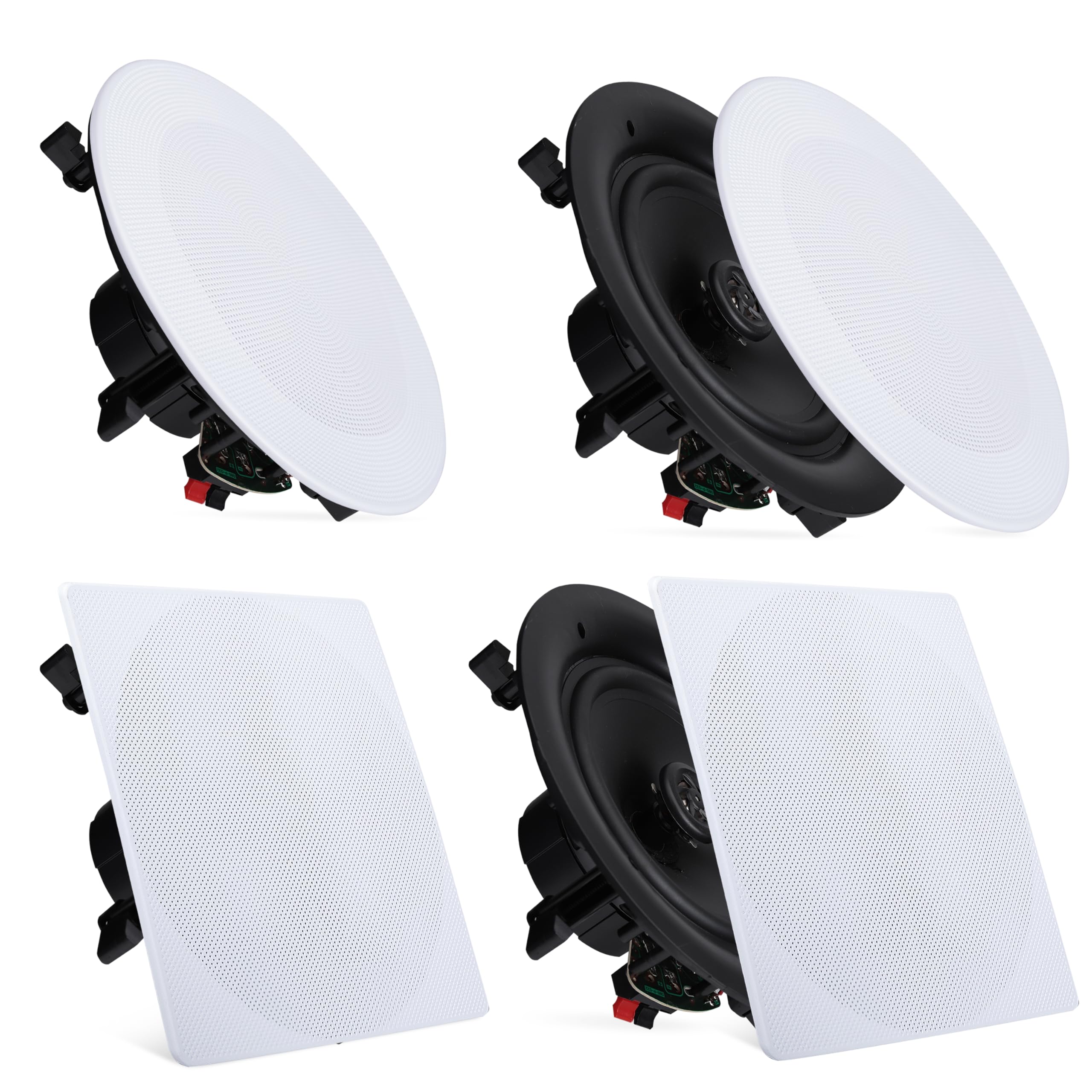
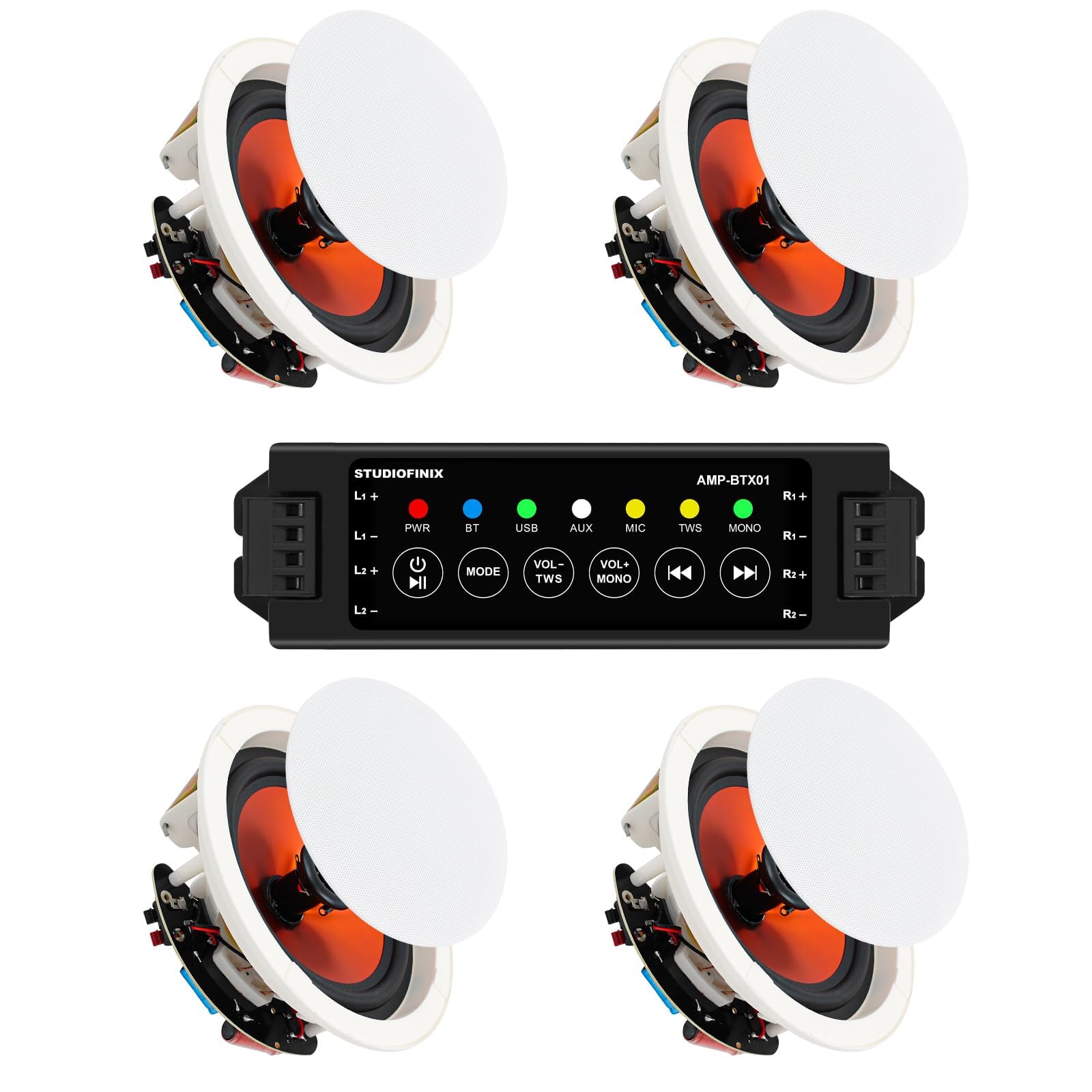
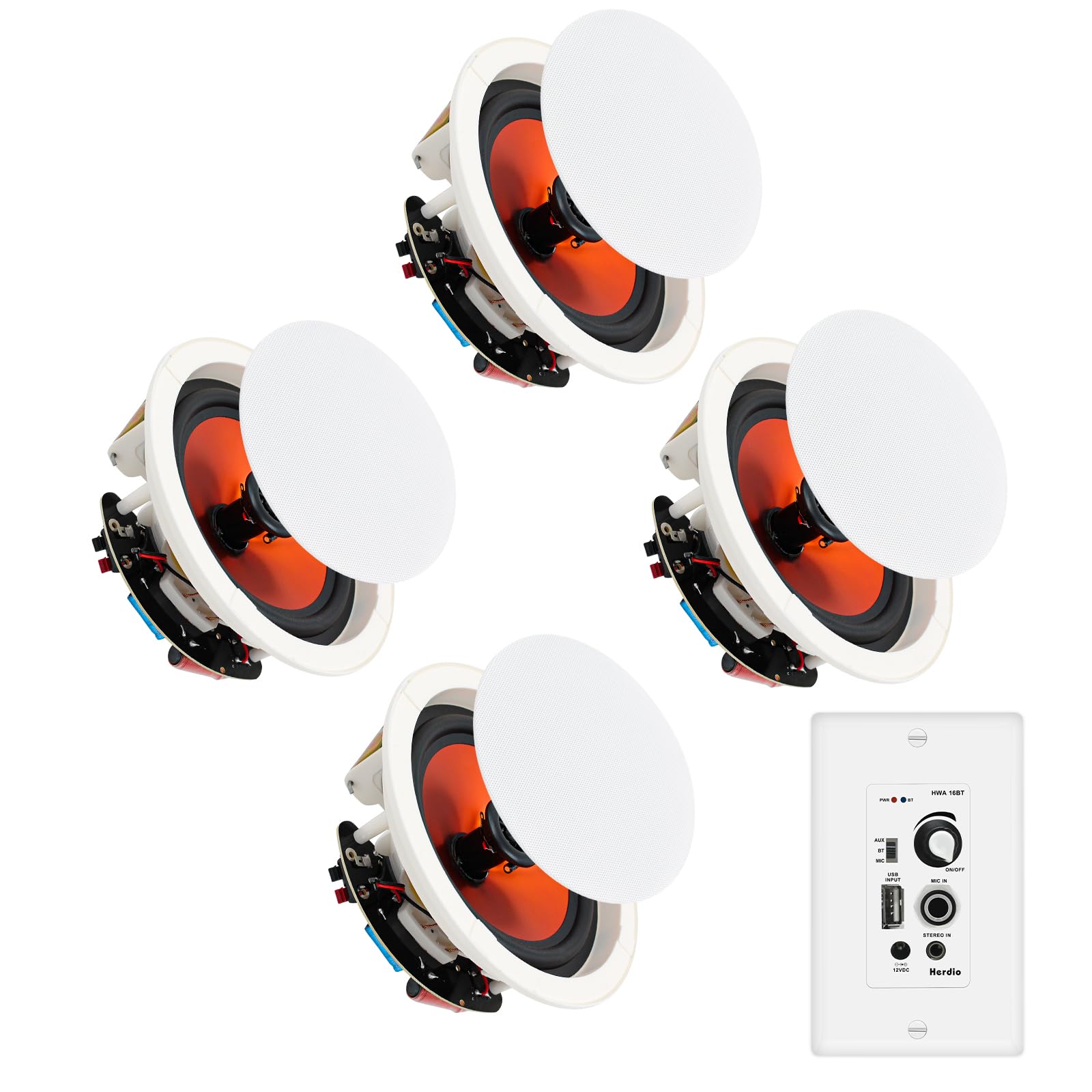
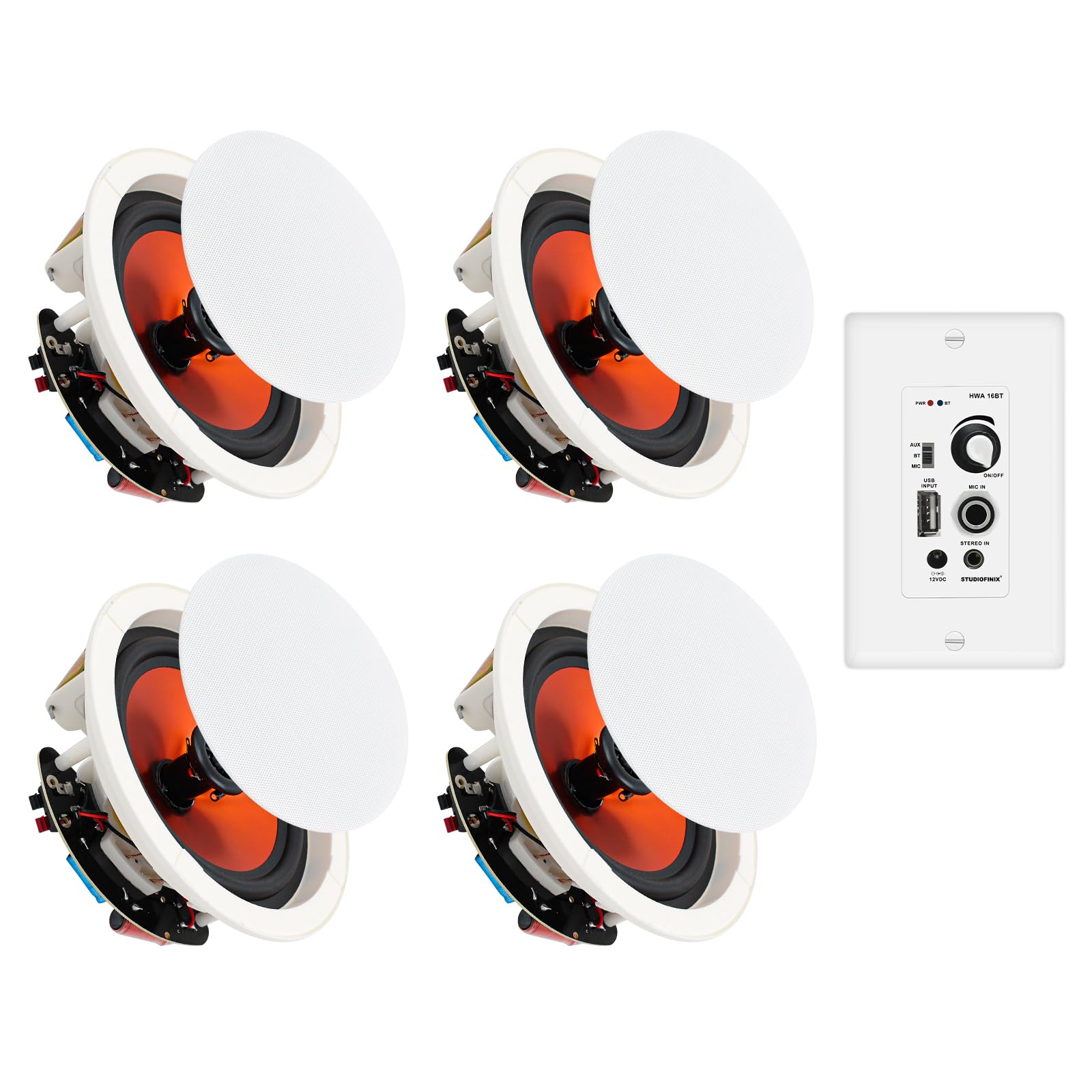
Ceiling speakers sit flush in the ceiling and spread sound across a room without taking floor or shelf space. Bluetooth models connect wirelessly to a phone, tablet, or computer, which makes them easy to use for music in kitchens, bathrooms, and living rooms. Some models need a separate amplifier, while others have a built in amplifier, and that difference affects wiring, cost, and ease of installation.




The Basics
Sound coverage depends on speaker size, placement, and room shape. A single speaker suits a small bathroom or hallway, while a pair or more suits a larger living room or kitchen. Speaker size affects bass: larger drivers usually give fuller low end, while smaller drivers suit background music and speech. Placement matters too, because speakers placed too close to a wall can sound boomy, while speakers placed too far apart can leave dead spots.
Moisture rating matters in bathrooms and covered outdoor areas. A bathroom speaker should handle humidity and occasional splashes, while an outdoor speaker needs weather resistance for rain and temperature change. Always check the rating for the exact location, because a living room speaker is not automatically safe for a bathroom ceiling.
Key Features to Compare
Room Size and Speaker Count
For a small room, one or two speakers usually give even coverage, while a large open plan room may need four or more. Space speakers evenly and avoid placing them all at one end of the room. If you plan multi room audio, think about how each room will be controlled, because a system that is hard to control will be used less often.
Power, Amplifier, and Wiring
Some ceiling speakers are passive and need an external amplifier, while active models have a built in amplifier and connect directly by bluetooth. Passive systems offer more flexibility and power, but they need amplifier space and speaker cable runs. Active models are simpler to install, but you should check power, range, and whether each speaker needs its own power supply.
Moisture and Outdoor Ratings
Bathroom speakers should be rated for humidity and splashes, and outdoor speakers should be rated for rain and outdoor use. Check the rating code and the maker guidance for ceiling installation in damp areas. A speaker that is only rated for dry indoor use can fail quickly in a bathroom, even if it sounds good at first.
Sound Quality and Bass
Larger drivers and a well designed enclosure usually give fuller bass, while smaller drivers suit background music. If you want room filling music with noticeable bass, a larger speaker or a separate subwoofer may be needed. For background listening, a smaller speaker with clear mids and highs is often enough and less intrusive.
Installation and Ceiling Type
Ceiling type affects installation: plasterboard ceilings are usually straightforward, while concrete or lath ceilings can be much harder. Check ceiling depth, joist spacing, and access above the ceiling before buying. If you are unsure about wiring or cutting, hire a professional, because a poorly cut hole is hard to repair and electrical work must be safe.
Who Should Buy Which Type
For Kitchens and Living Rooms
Kitchens and living rooms benefit from a pair of speakers placed evenly for background music and TV sound support. A medium size speaker with clear dialogue and moderate bass suits everyday listening. Consider a system that lets you control volume from your phone, because getting up to adjust a wall control is less convenient during cooking or relaxing.
For Bathrooms and Humid Rooms
Bathrooms need moisture rated speakers with a sealed design that handles steam and splashes. A single speaker often suffices for a small bathroom, and a model with a built in amplifier simplifies wiring in a room where amplifier space is limited. Keep speakers away from direct shower spray unless the maker specifically rates them for that exposure.
For Covered Outdoor Areas
Covered patios and porches need weather rated speakers that handle rain, humidity, and temperature swings. Check that the rating covers outdoor ceiling use, not just indoor use in a damp room. Outdoor speakers often need more power to overcome background noise, so plan for a slightly larger or more powerful model than you would use indoors.
Related Choices to Compare
If you are also weighing a nearby option, the guide to best outdoor bluetooth ceiling speakers explains how that choice differs and when it may suit your needs better. Compare its main trade offs with the points above before you decide.
If you are also weighing a nearby option, the guide to best ceiling mounted bluetooth speakers explains how that choice differs and when it may suit your needs better. Compare its main trade offs with the points above before you decide.
If you are also weighing a nearby option, the guide to best bathroom bluetooth ceiling speakers explains how that choice differs and when it may suit your needs better. Compare its main trade offs with the points above before you decide.
If you are also weighing a nearby option, the guide to best ceiling speakers explains how that choice differs and when it may suit your needs better. Compare its main trade offs with the points above before you decide.
If you are also weighing a nearby option, the guide to best quality bluetooth speakers explains how that choice differs and when it may suit your needs better. Compare its main trade offs with the points above before you decide.
Common Mistakes and Care
A common mistake is buying speakers without checking ceiling depth or joist spacing, which can make installation impossible in the chosen spot. Another mistake is placing speakers too close together or too far apart, which creates uneven sound. Plan placement on paper first, mark joist positions, and test the layout with temporary speakers if possible.
Keep grilles clean and dust free, check bluetooth connections after any home network changes, and inspect outdoor speakers seasonally for weather damage. If sound becomes distorted, check wiring, amplifier settings, and whether a speaker has been exposed to moisture beyond its rating. Early checks can prevent a small problem from becoming a replacement.
Frequently Asked Questions
Do ceiling speakers need an amplifier?
Passive ceiling speakers need an external amplifier, while active bluetooth ceiling speakers have a built in amplifier and connect directly to your device. Active models are simpler for a single room, while passive systems suit multi room setups and larger rooms. Check the product type before buying, because the amplifier requirement affects cost and installation.
How many ceiling speakers do I need?
One speaker suits a small bathroom or hallway, two suit most kitchens and bedrooms, and larger open plan rooms may need four or more for even coverage. Space speakers evenly and avoid clustering them at one end. If in doubt, plan for a pair and add more later if coverage feels uneven.
Can I install ceiling speakers in a bathroom?
Yes, if the speakers are rated for bathroom use and installed according to the maker guidance for damp areas. Look for a moisture rating that covers humidity and splashes, and keep speakers away from direct shower spray unless specifically rated. If you are unsure about electrical safety, hire a qualified installer.
Are bluetooth ceiling speakers good for TV sound?
Bluetooth ceiling speakers can improve TV sound, but bluetooth can introduce a small delay that makes lips and sound feel out of sync on some systems. For TV use, check latency and consider a wired connection or a system designed for TV audio. For music alone, bluetooth delay is usually not noticeable.
What ceiling depth do I need?
Ceiling depth requirements vary by model, so check the mounting depth in the specifications and compare it with your ceiling void. Joist spacing also matters, because a speaker must fit between joists or be mounted with appropriate support. Measure before buying, and seek professional advice if your ceiling is concrete or has limited depth.
A Final Check Before You Order
Before you order, confirm ceiling depth and joist spacing, decide whether you need an amplifier or a built in amplifier model, and check the moisture rating for the exact room. A speaker that fits your ceiling, matches your room size, and suits the location will sound better than a more powerful model installed in the wrong place.
Final Thoughts
Plan room coverage first, then check amplifier type, moisture rating, and ceiling depth before you buy. A well planned pair of speakers that fits your ceiling and room will sound better than a larger system installed in the wrong places. The comparison table above can help you compare indoor, bathroom, and outdoor types.
For most homes, best bluetooth ceiling speakers come down to the right count for the room, a moisture rating that matches the location, and an installation plan that fits your ceiling. Get those right and the sound will feel effortless.


