Best Ceiling Speakers 2026: Buying Guide
Disclosure: We may earn a commission when you buy through links on this page, at no extra cost to you. As an Amazon Associate I earn from qualifying purchases. Learn more

Compare stereo, cinema and moisture rated types and plan placement to find the best ceiling speakers for your home.
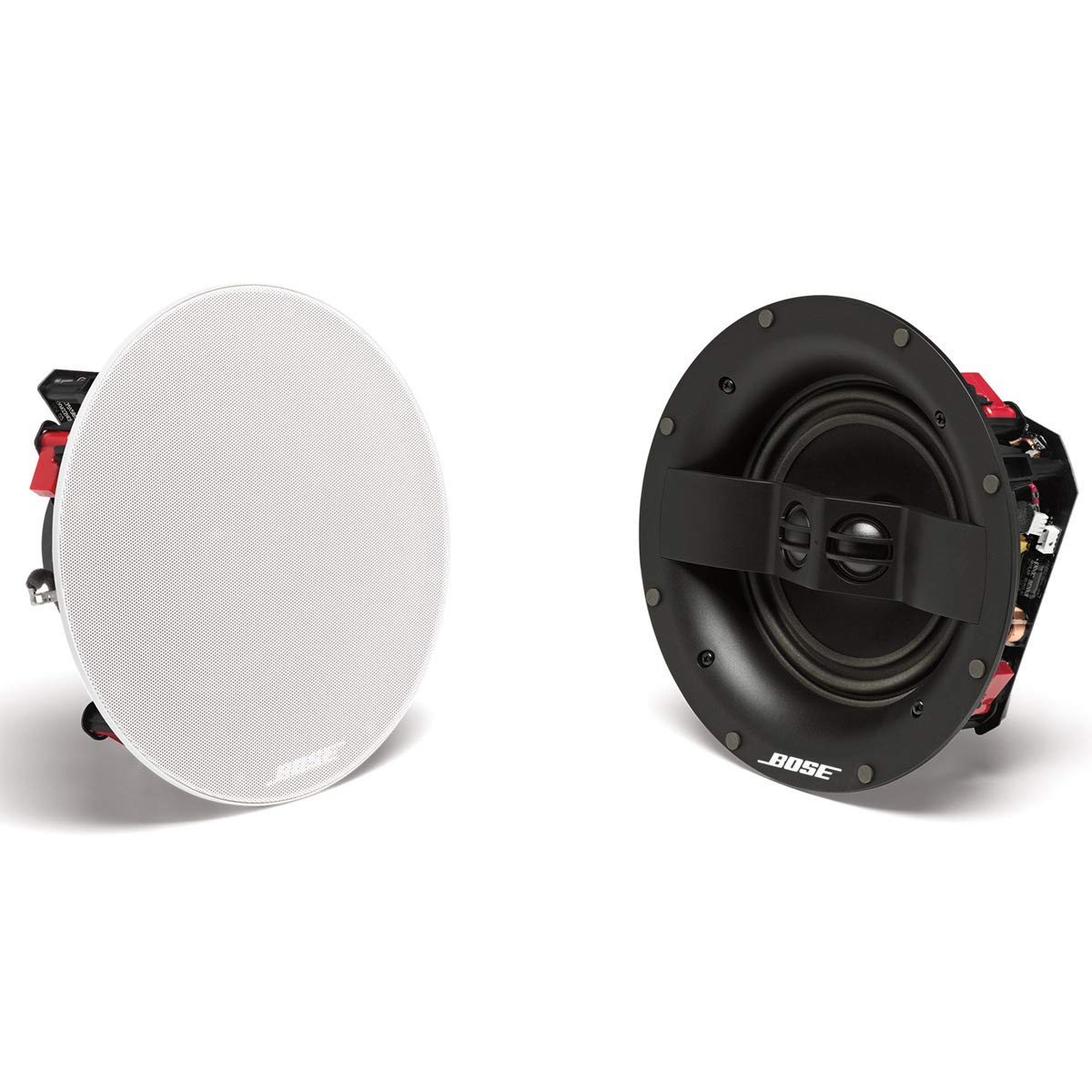
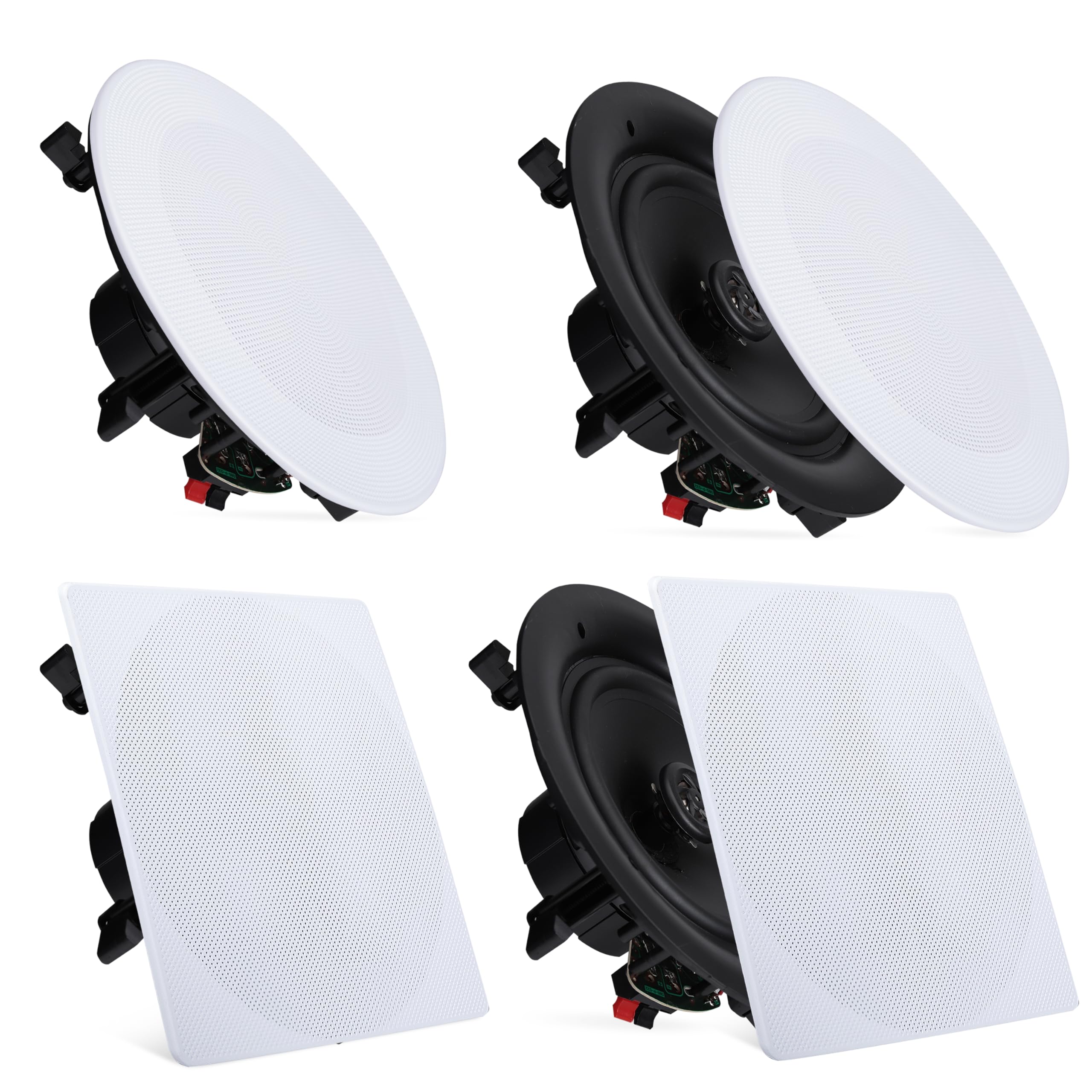
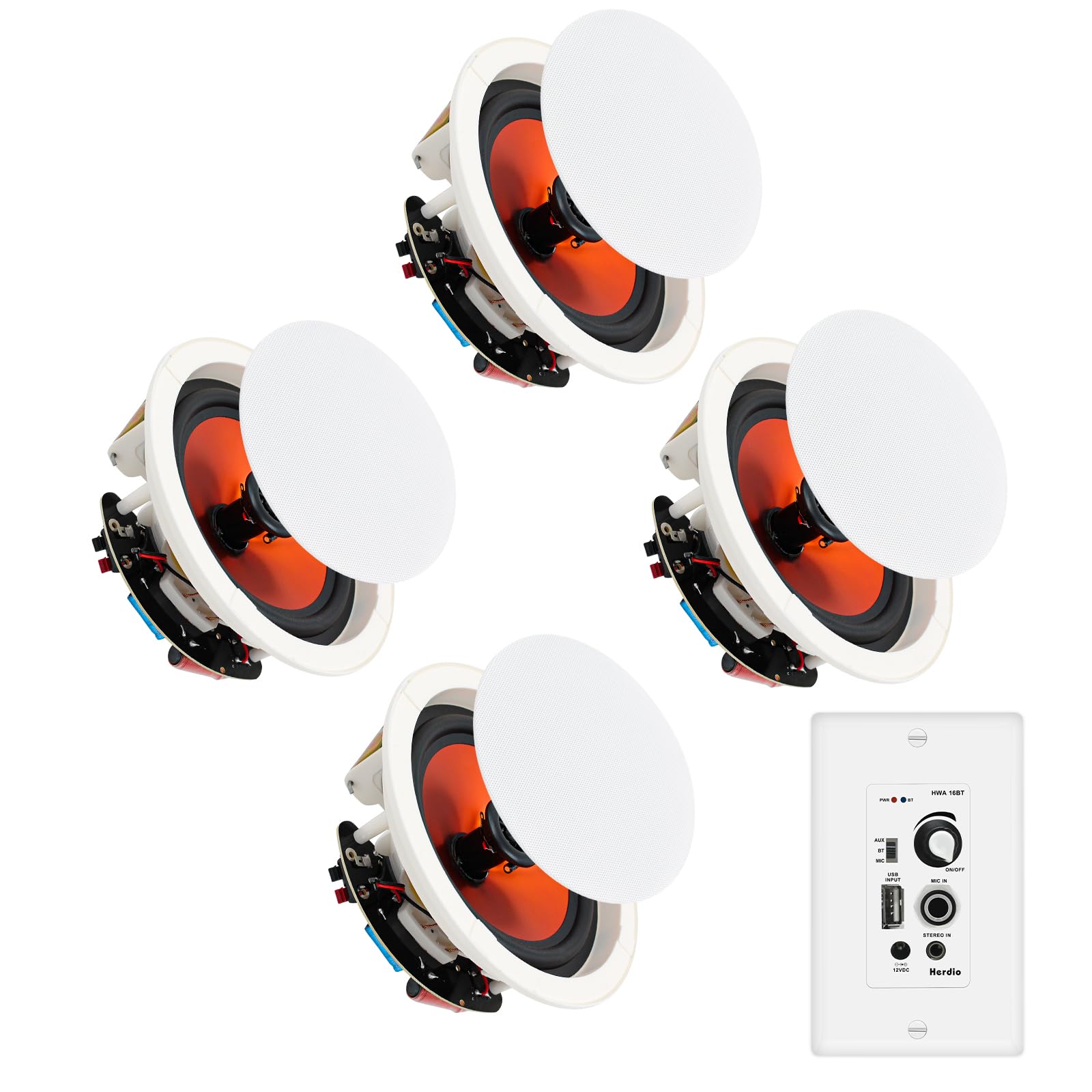
The best ceiling speakers hide in the ceiling and spread sound evenly, which makes them ideal for music, home cinema and whole home audio. The product table below shows the main speaker types side by side so you can compare size, sound and install effort.
Before you choose, think about room size, ceiling height, whether you want stereo music or surround sound, and whether you can run wires through the ceiling. A speaker that suits a small bedroom may sound thin in a large open living space.





Who Should Buy This Style
Ceiling speakers suit homeowners, renovators and home cinema fans who want clean sound without floor speakers or visible boxes. They also suit kitchens, bathrooms with suitable ratings and living rooms where floor space matters.
They suit less well in rented homes where cutting ceilings is not allowed, or in rooms with concrete ceilings and no wiring access. In those cases, wall mounted or freestanding speakers may be easier and less costly to install.
Key Features to Compare
Driver Size and Sound
Larger drivers, often 8 inches, produce fuller bass and suit larger rooms, while 6.5 inch drivers balance size and sound for most rooms. Smaller drivers suit bathrooms and hallways where background music matters more than deep bass. Match driver size to room volume, not just to price.
Power Handling and Sensitivity
Sensitivity tells you how loud a speaker plays from a given amplifier power, and higher sensitivity helps smaller amplifiers. Power handling shows the safe range, but it does not tell you sound quality alone. Pair speakers with an amplifier that matches their impedance and power range.
Coverage and Placement
Ceiling speakers spread sound in a cone, so placement decides whether the room sounds even or patchy. Space pairs evenly, aim tweeters toward the listening area where possible, and avoid placing speakers too close to corners. For surround sound, follow a layout guide for your room shape.
Moisture Rating and Grilles
Bathrooms and covered outdoor areas need moisture resistant speakers with sealed parts. Paintable grilles blend with the ceiling, while magnetic grilles make removal easy for cleaning. Check the rating for your exact location before you install.
Types Compared
Stereo Music Speakers
Stereo pairs suit music listening in living rooms, kitchens and bedrooms, where even coverage matters most. They need a stereo amplifier and careful spacing for a good soundstage. They are the simplest ceiling setup for most homes.
Home Cinema Ceiling Speakers
Cinema speakers include overhead channels for Dolby Atmos style sound, plus in ceiling surrounds in some layouts. They need a compatible receiver and precise placement above and around seating. They suit dedicated cinema rooms and serious film fans.
Background and Outdoor Rated Speakers
Background speakers suit hallways, bathrooms and covered patios where music plays softly in the background. Outdoor rated models resist moisture and temperature change better than indoor models. They suit whole home audio more than critical listening.
Budget and Value
Budget ceiling speakers usually cost about $50 to $120 per pair and suit background music and small rooms. Mid range pairs at about $120 to $300 offer fuller sound, better tweeters and paintable grilles. Premium pairs above that range focus on larger drivers, refined crossovers and wider coverage.
Spend on driver size and placement first, because those affect sound more than brand alone. A well placed mid range pair often sounds better than a premium pair placed badly. Add amplifier and install costs to the speaker price before you compare totals.
Setup, Care and Everyday Use
Plan wiring before you cut, check for joists, pipes and cables, and use a template for a neat hole. Keep speakers away from recessed lights that may cause heat or buzz, and listen before you fix grilles in place. If wiring or ceiling work feels risky, hire a qualified installer.
Clean grilles gently with a dry cloth, and check connections if one speaker sounds quiet or distorted. Do not open a speaker or amplifier while powered, and switch off the amplifier before you touch wiring. For damp locations, check seals and ratings each year.
Before You Buy Checklist
Measure your ceiling depth and joist spacing, confirm the cutout size, check impedance against your amplifier, and note any moisture rating the room needs. Keep the box and receipt until you have heard the speakers at normal volume in the room.
Related Guides Worth Reading
For a closer look at related options, read our guides to best ceiling speakers for music, best ceiling speakers atmos, best bluetooth ceiling speakers, best outdoor ceiling speakers, and best ceiling mount speakers.
Common Mistakes to Avoid
One common mistake is placing ceiling speakers too close together or too close to walls, which creates uneven sound and boomy corners. Another mistake is buying speakers before checking joist positions, because a joist can force a speaker into a poor spot. Map the room, mark joists, and plan placement before you cut any holes.
Do not forget amplifier matching, because a weak amplifier can distort at higher volumes and a mismatched impedance can cause problems. Check speaker impedance and sensitivity, and choose an amplifier that suits the whole system, not just one pair.
Long Term Value
Long term value comes from speakers that suit the room and an install that allows future upgrades. Paintable grilles, accessible wiring and a standard speaker size make later changes easier. A well planned install outlasts a rushed one, even with cheaper speakers.
Keep spare grilles and the install template, because a future redecoration or speaker swap goes faster with them. Label wiring at the amplifier end, so a later installer can trace each speaker without opening the ceiling.
Frequently Asked Questions
Do ceiling speakers sound as good as floor speakers?
Ceiling speakers can sound very good for music and films, but large floor speakers usually offer deeper bass and a wider soundstage. Ceiling speakers win on room coverage and a clean look. Add a subwoofer if you want fuller bass from a ceiling system.
Can I install ceiling speakers myself?
Confident DIYers can install ceiling speakers where wiring access is easy and ceilings are plasterboard. You need to locate joists, avoid pipes and cables, and cut neat holes. Hire a qualified installer if wiring, fire barriers or concrete ceilings are involved.
How many ceiling speakers do I need?
A small room often needs one stereo pair, while a large open room may need two pairs for even coverage. Home cinema layouts need more speakers placed around and above seating. Map your room and listening spots before you buy, rather than guessing a number.
Are ceiling speakers good for surround sound?
Ceiling speakers work well as overhead and surround channels in a home cinema, when placed to match the receiver layout. They need a compatible receiver and careful spacing. For a simple TV setup, a soundbar or stereo pair may be simpler and cheaper.
Can ceiling speakers go in a bathroom?
Yes, if the speaker carries a suitable moisture rating for that zone and the install follows local electrical guidance. Steam rooms and shower zones need stricter ratings. Check the maker rating and local rules before you install any speaker near water.
Do ceiling speakers need a subwoofer?
A subwoofer is not essential, but it adds deep bass that most ceiling speakers cannot produce alone, especially in larger rooms. For background music, ceiling speakers alone may be enough. For films and bass heavy music, a subwoofer makes the system feel fuller and more cinematic.
Final Thoughts
Start with room size and placement, then choose a driver size and amplifier that match. A well planned pair will sound natural and stay out of sight for years.
The product table above summarises the main ceiling speaker types, and the best ceiling speakers for your home are the ones that cover your room evenly without dominating it.